#astronomy
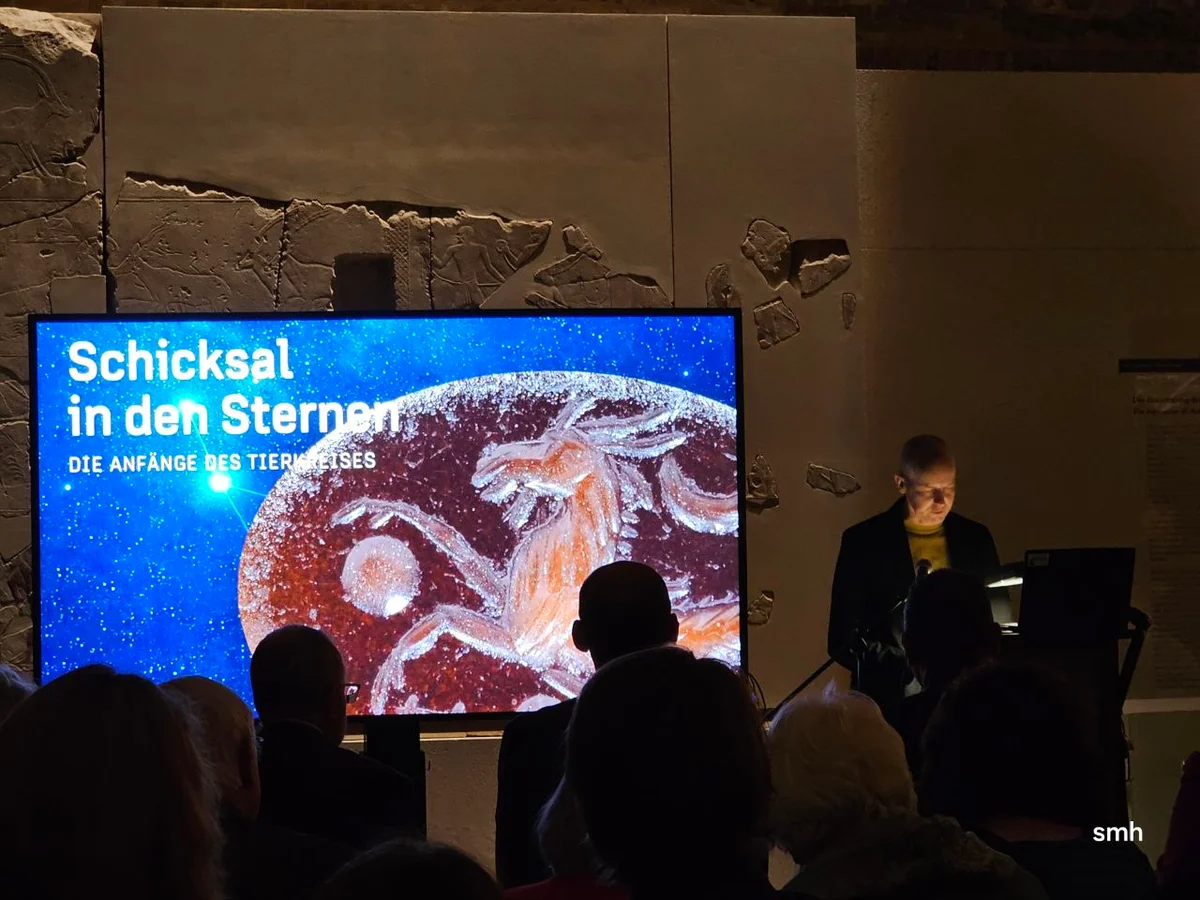
The Neues Museum in Berlin opens a new exhibition on the origins of the Zodiac, exploring its astronomical roots and cultural significance from March 21, 2026, to January 10, 2027.
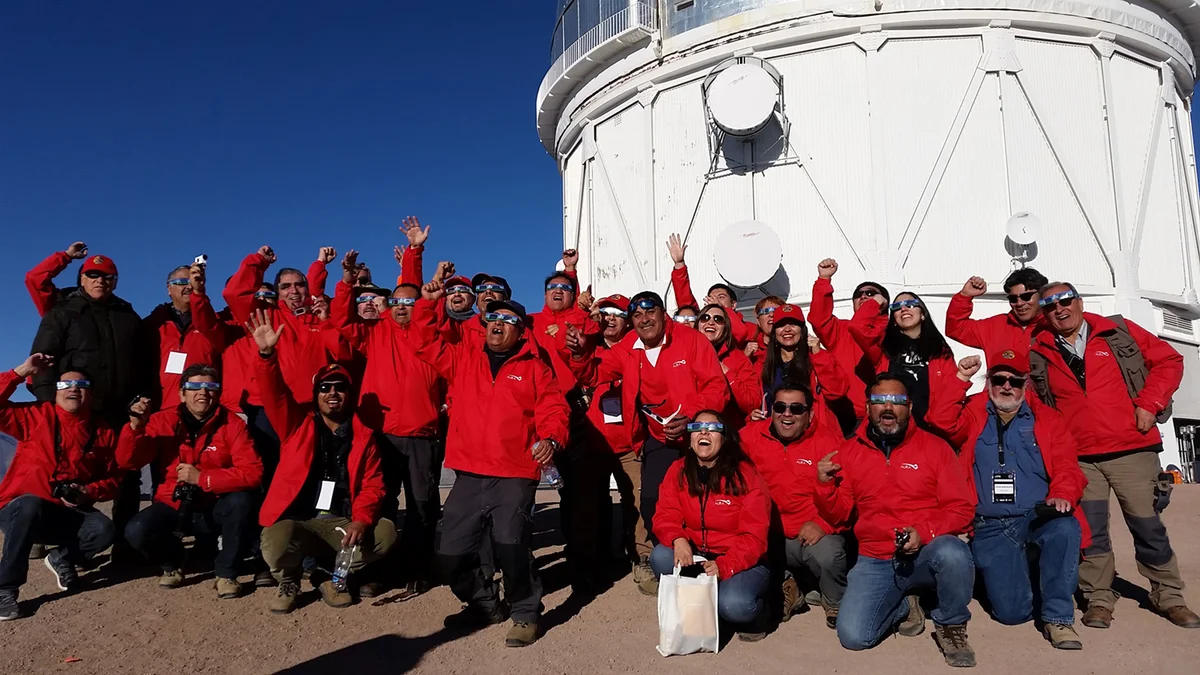
Observing an eclipse requires careful site selection. Wildfires, weather, and terrain can affect visibility. Here are tips and tools to enhance your viewing experience.
Explore the life of Johannes Kepler and his contributions to astronomy, including his laws of planetary motion and his observations of a supernova.
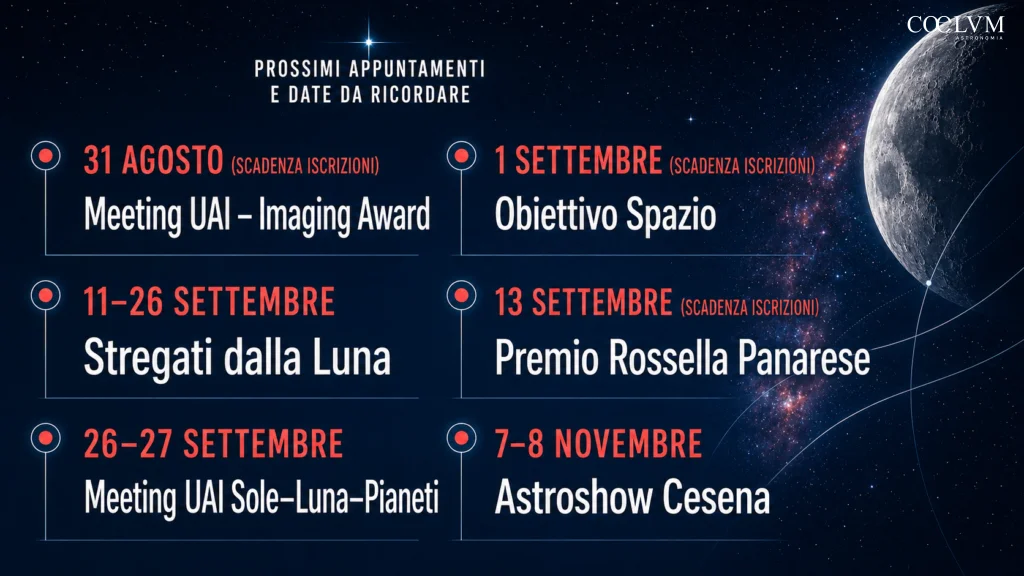
Mark your calendars for exciting autumn events in astronomy, including competitions, public observations, and educational workshops from September to November 2026.
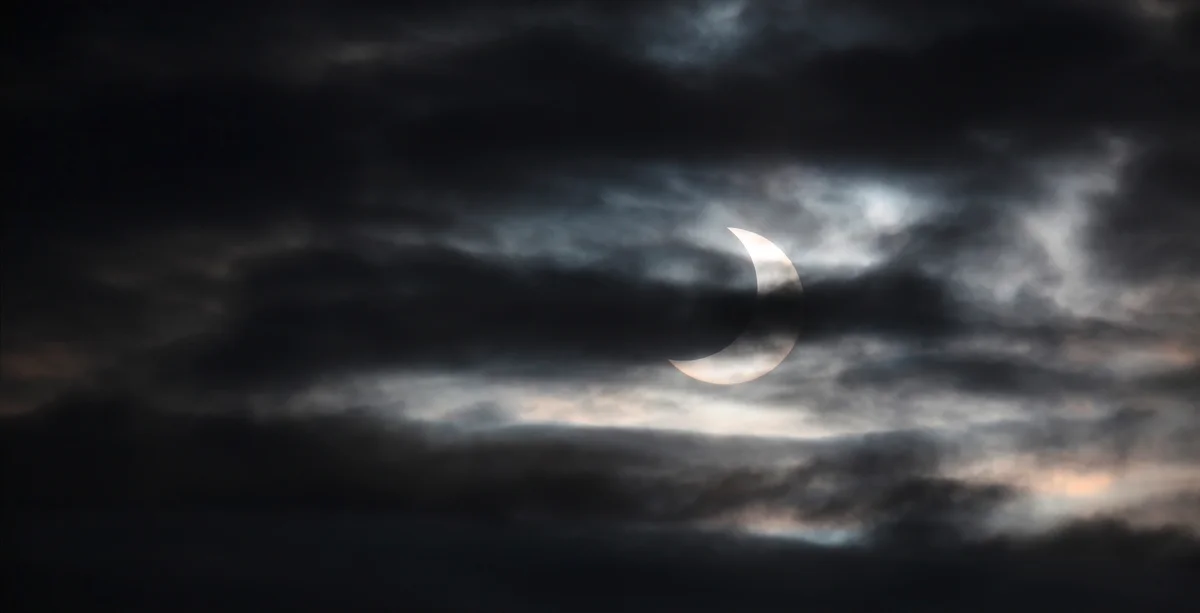
As the solar eclipse on August 12 approaches, learn how to prepare for optimal viewing conditions in Spain, including weather tips and the best locations to avoid cloud cover.
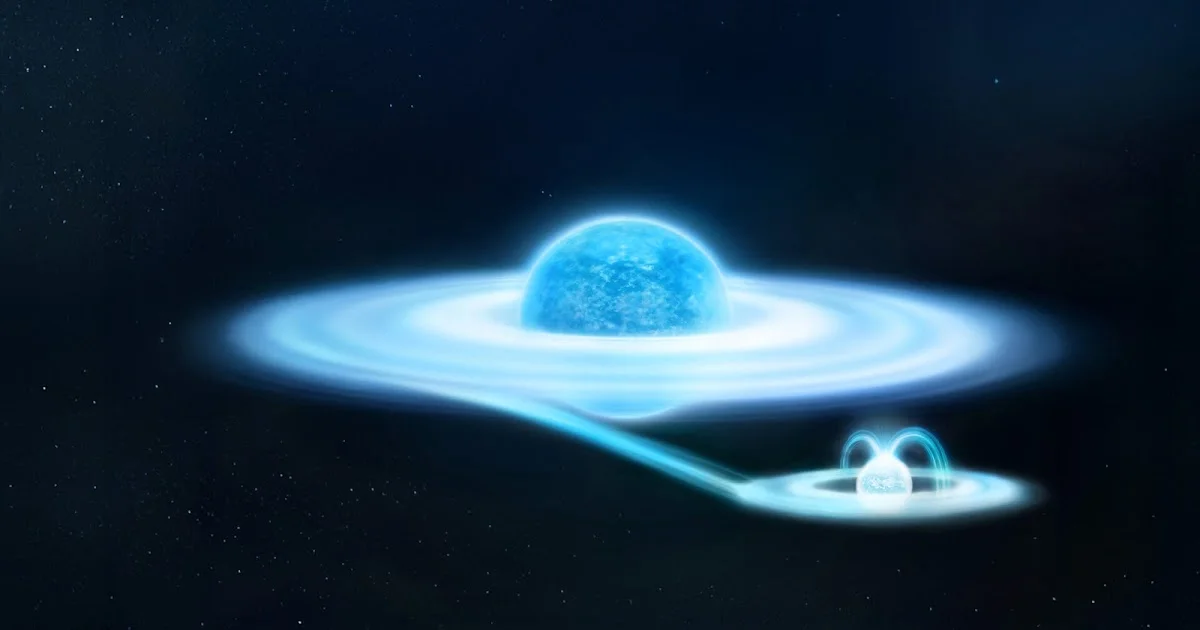
High-resolution observations from the XRISM space telescope have resolved the mystery surrounding the unusual X-ray emissions of Gamma Cassiopeiae, linking them to its binary companion.
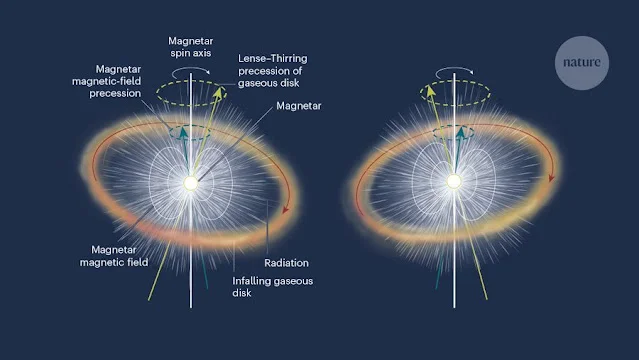
Joseph Farah and his team explore the connection between magnetars and superluminous supernovae, shedding light on the mechanisms behind their extraordinary brightness.
Explore the Ursa Minor constellation, its mythology, main stars, and significance in northern astronomy.
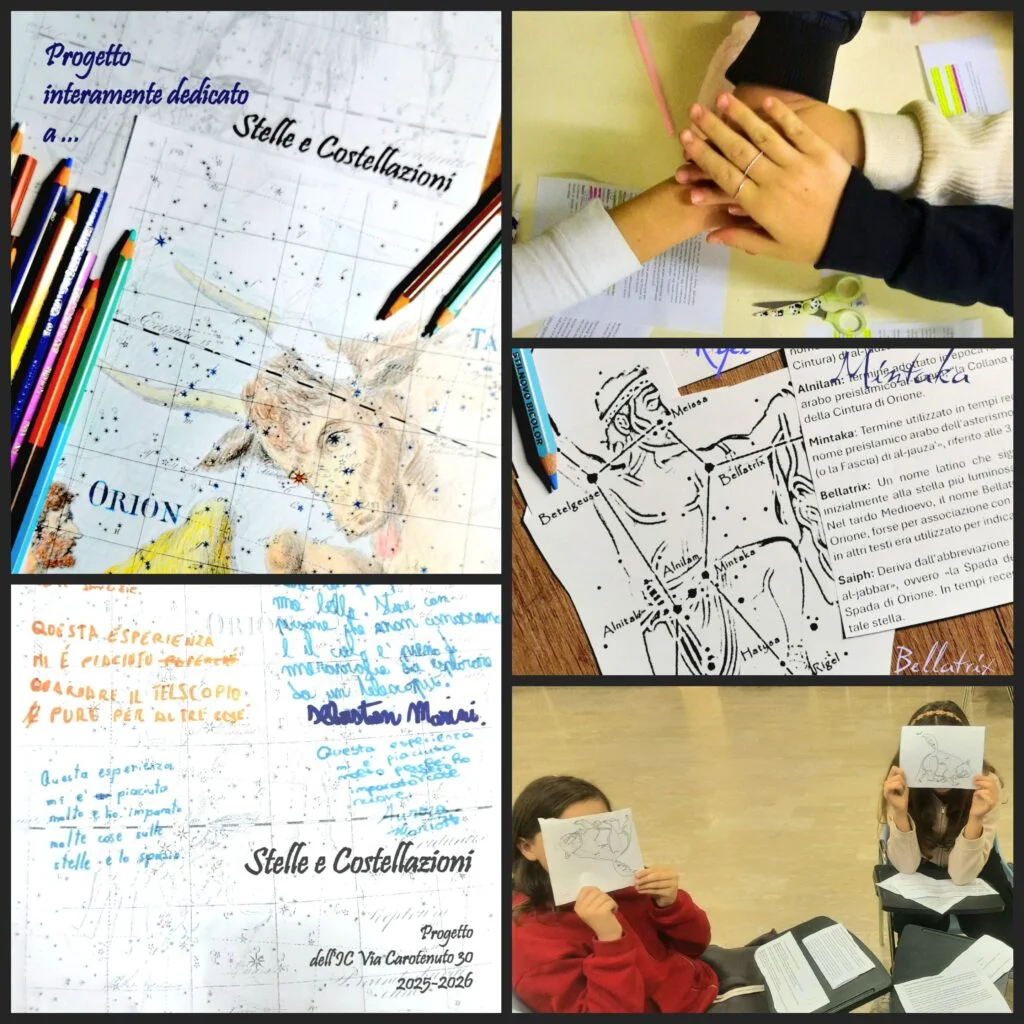
An Italian primary school project on star names and constellations has garnered appreciation for its educational value, showcasing the intersection of astronomy and mythology.
Astrophotography has transformed since its origins in 1839, allowing for stunning images of celestial bodies. Discover its history and categories, from lunar to deep-sky photography.
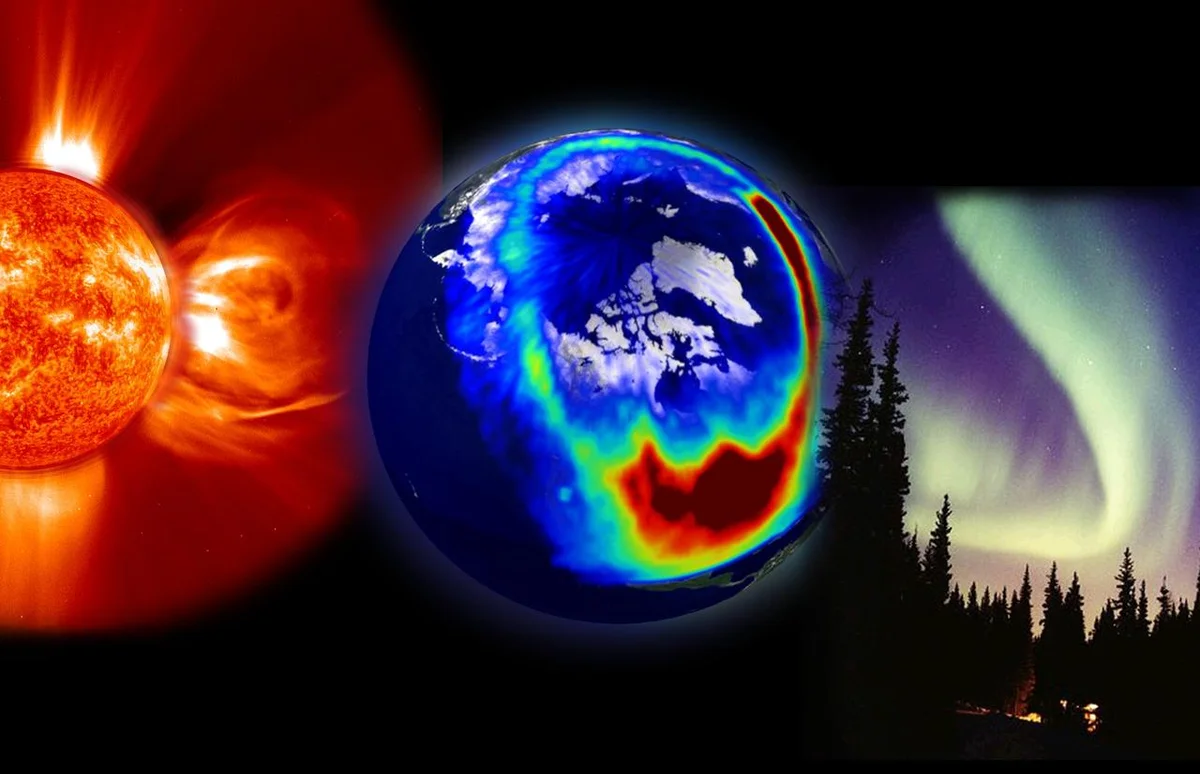
The August 12 eclipse approaches, providing a unique opportunity for scientific observations that will enhance our understanding of solar storms and space weather.
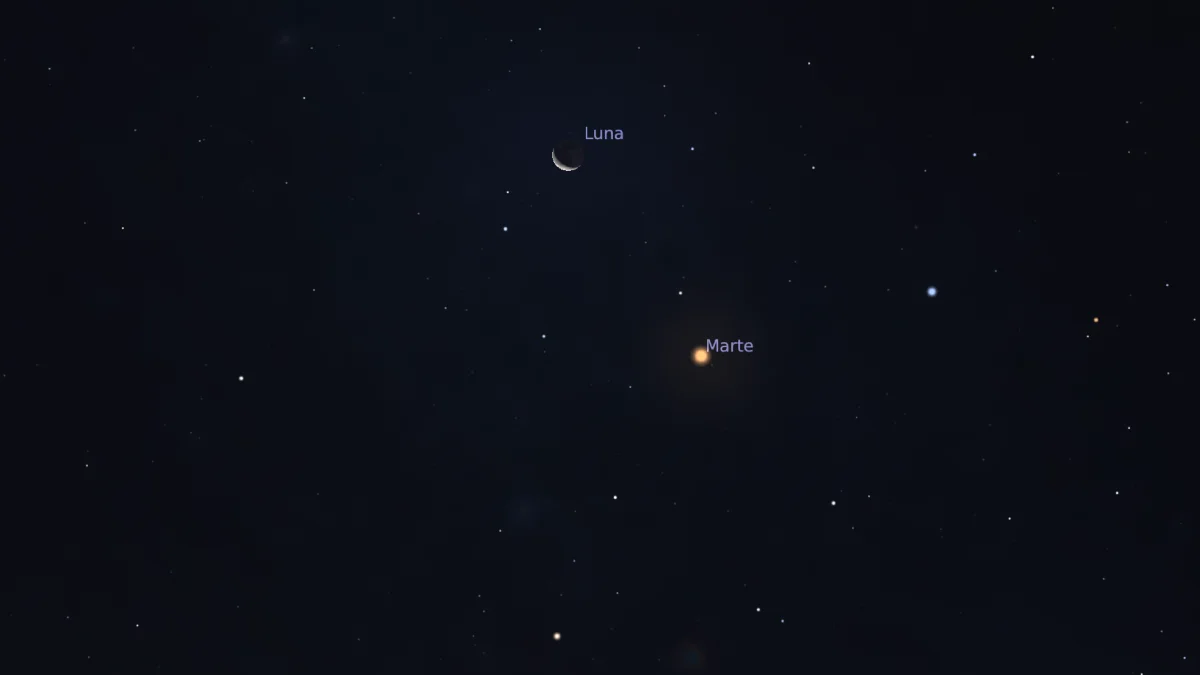
Tonight, the Moon will shine near Mars, creating a spectacular conjunction. Find out how to witness this celestial event with the naked eye.