Astrophotography: The Art of Capturing the Stars
Astrophotography has transformed since its origins in 1839, allowing for stunning images of celestial bodies. Discover its history and categories, from lunar to deep-sky photography.
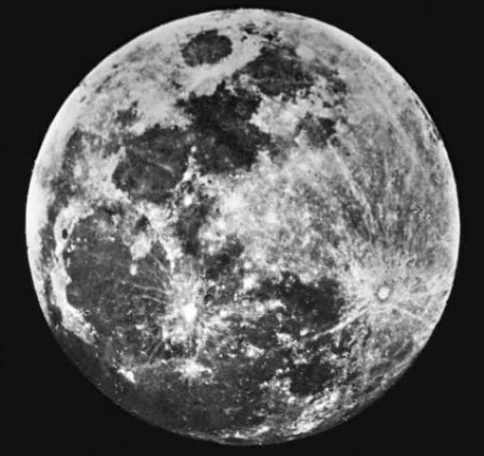
Astrophotography has evolved significantly since its inception, allowing us to explore the cosmos in stunning detail. The journey began in 1839 when Louis Daguerre introduced the daguerreotype, a groundbreaking device that produced images without negatives on a polished silver surface directly exposed to light. The first photograph captured was of the Moon on March 23, 1840, with an exposure time of 30 seconds.
Just a few decades later, in 1880, the first deep-sky object was photographed: the Orion Nebula, also known as M42. This nebula is the brightest and most visible to the naked eye, located in the heart of the constellation Orion. This marked a significant milestone in astrophotography.
In 1887, the International Astronomical Congress decided to create a comprehensive Sky Map. This ambitious project involved 18 observatories worldwide and spanned nearly 60 years, officially concluding in 1970.
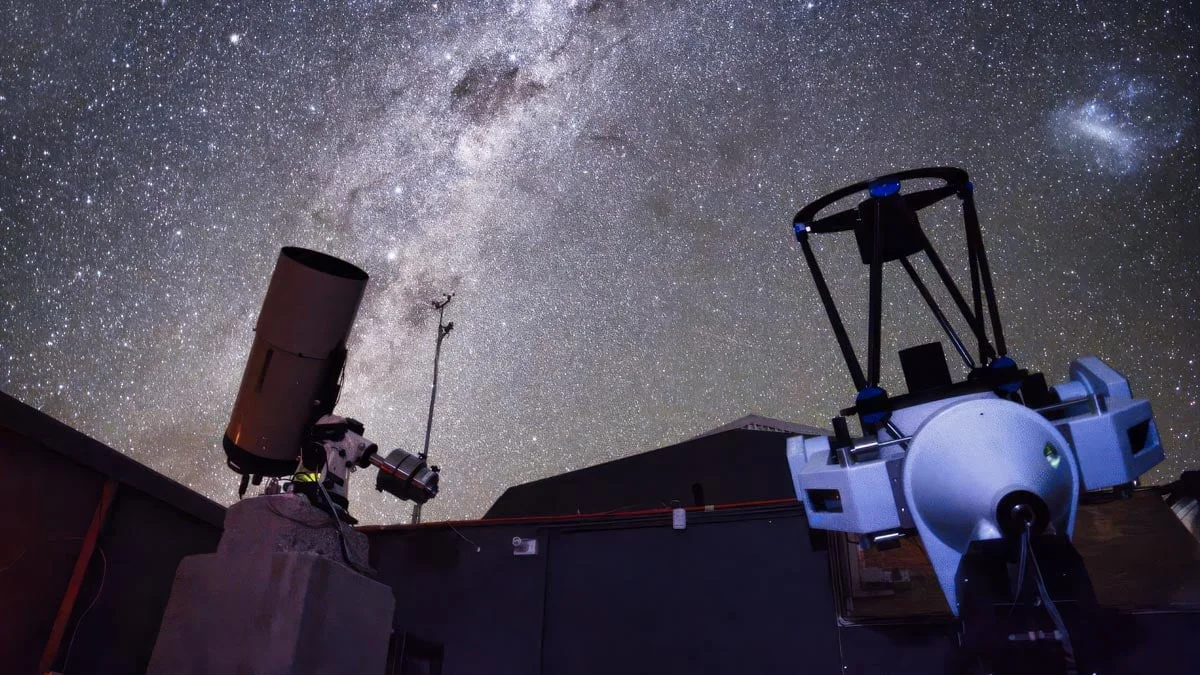
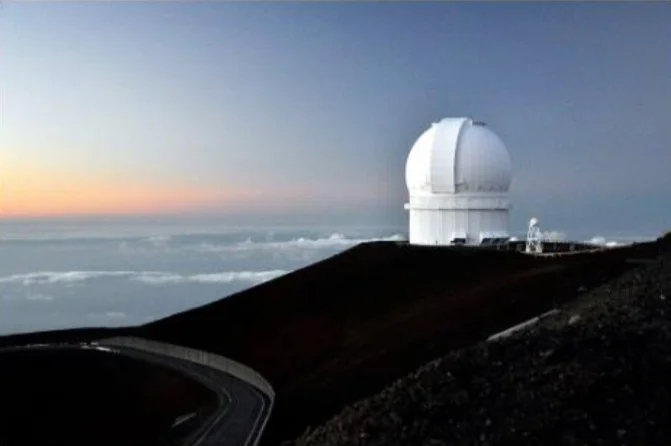
The years following 1970 saw a shift in professional observatories as traditional photography was largely replaced by CCD sensors developed by Bell Telephone Laboratories. A notable example of this advancement is the Canada-France-Hawaii Telescope (CFHT), which features a primary mirror measuring 3.58 meters in diameter and boasts 100 million pixels.
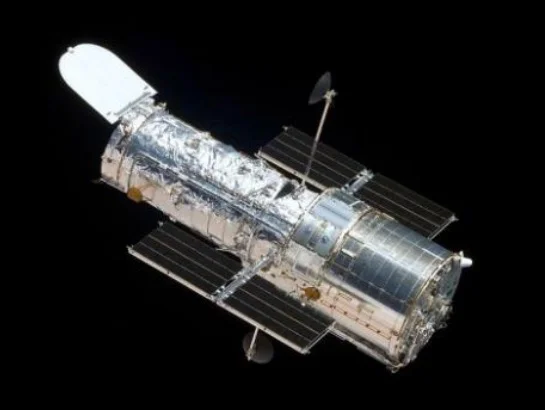
No discussion of astrophotography would be complete without mentioning Edwin Hubble and the Hubble Space Telescope, launched in 1990. Designed to operate beyond Earth's atmosphere and free from light pollution, Hubble is renowned for its incredible and precise images. It has a 2.4-meter diameter mirror, weighs 11 tons, and measures 13 meters in length.
Astrophotography can be categorized into five distinct types:
- Lunar
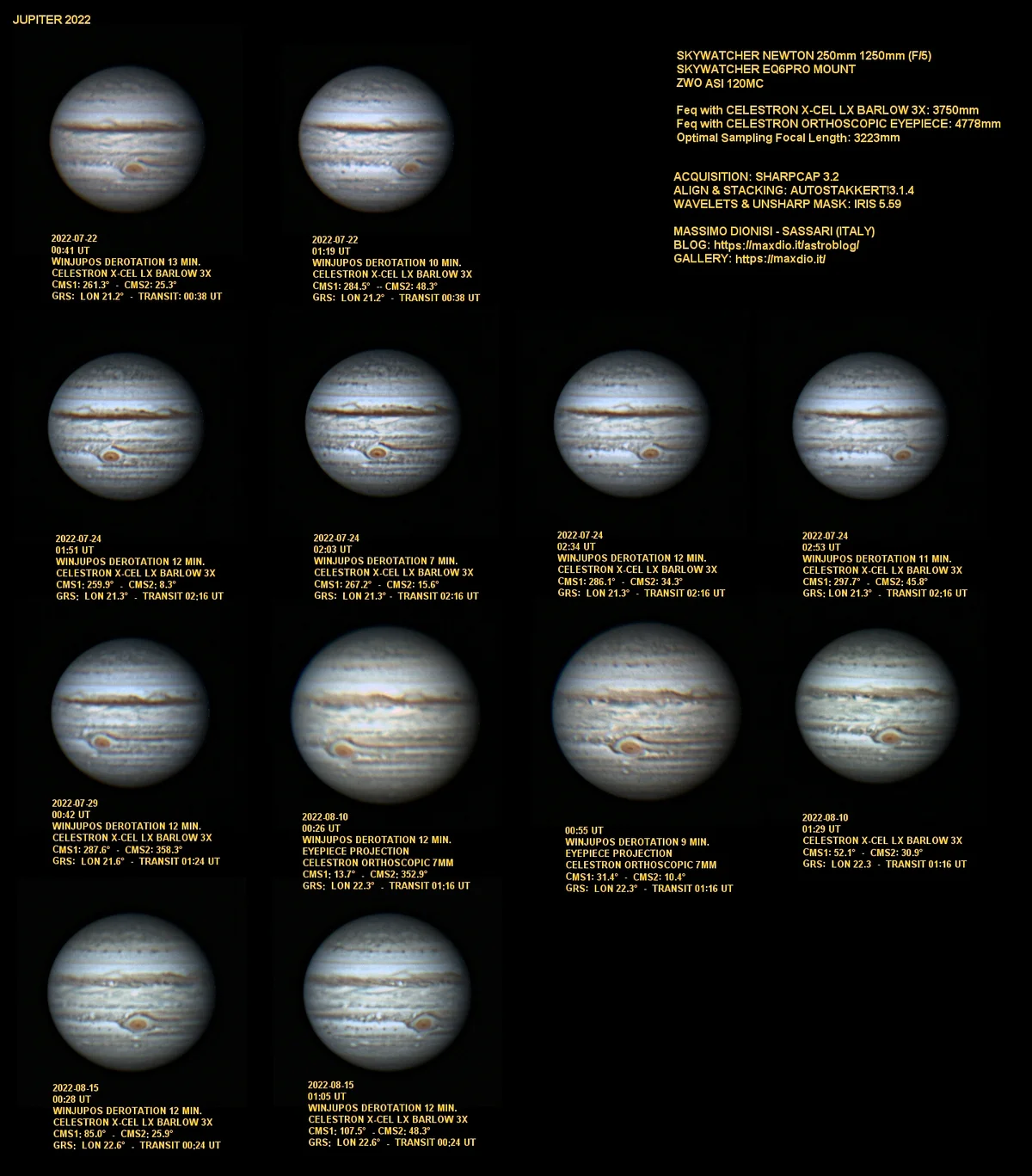
- Planetary (including the seven planets in our solar system and their moons)
- Deep-sky (such as galaxies and nebulae)
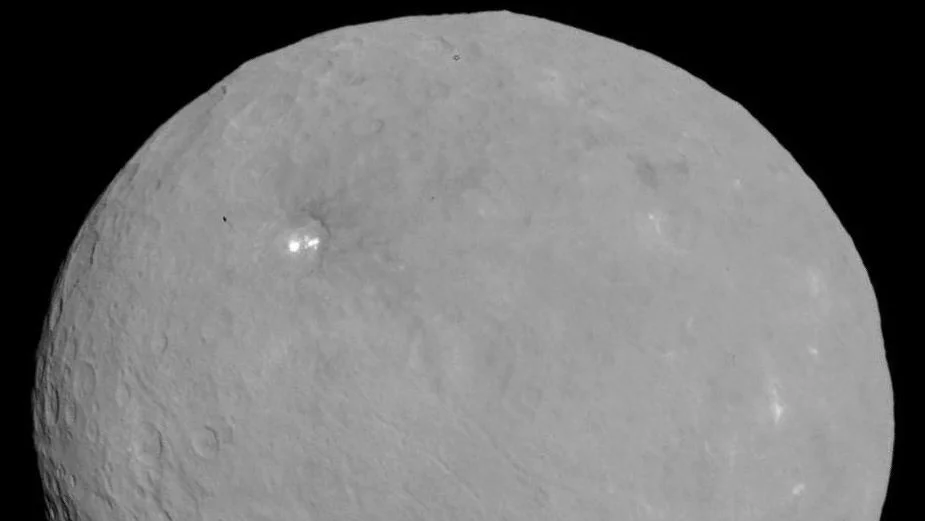
- Wide-field (capturing objects like asteroids, comets, and constellations)
- Solar (studying the Sun, including its photosphere, chromosphere, and sunspots)
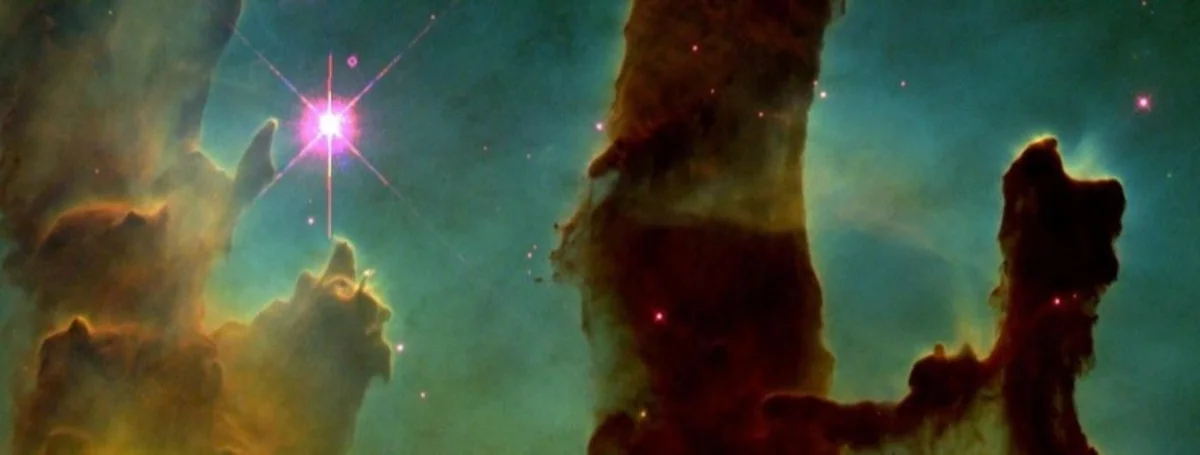
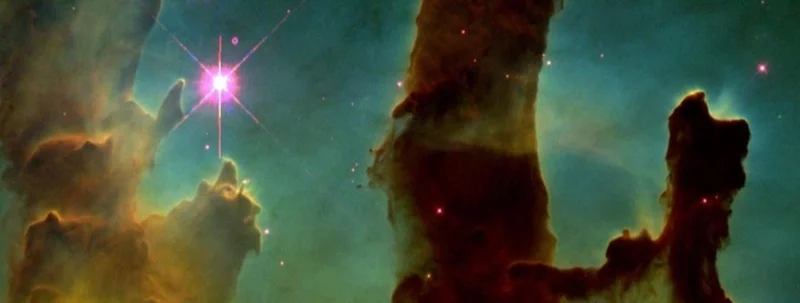
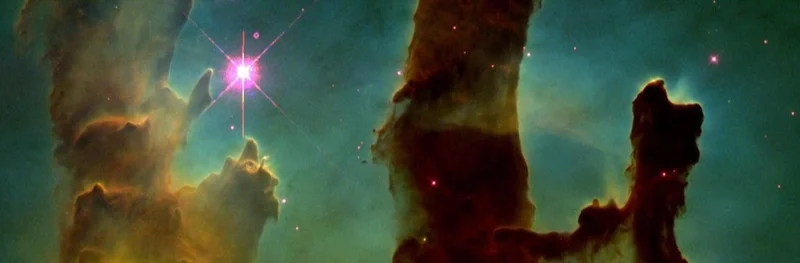
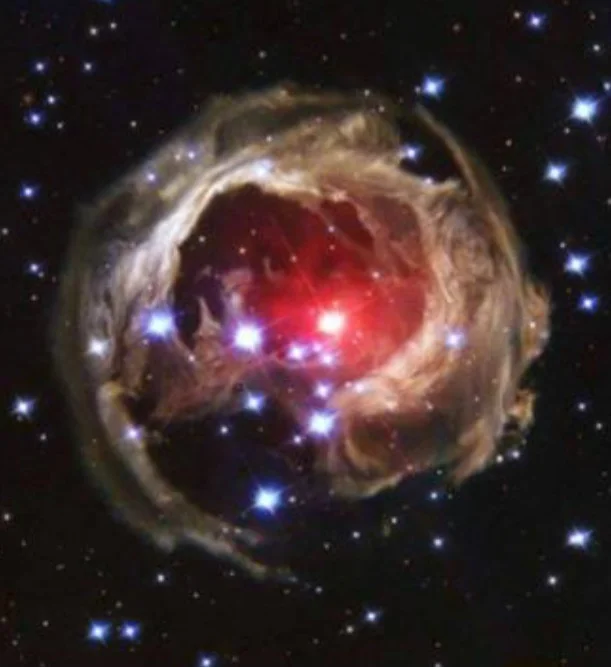
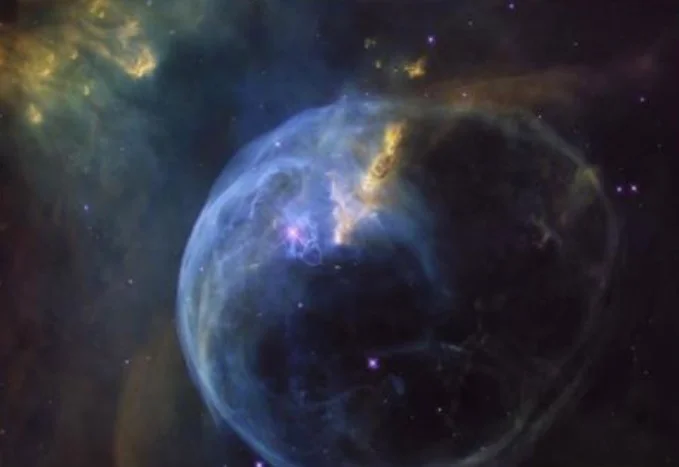
Here are some breathtaking images captured by the Hubble Space Telescope:
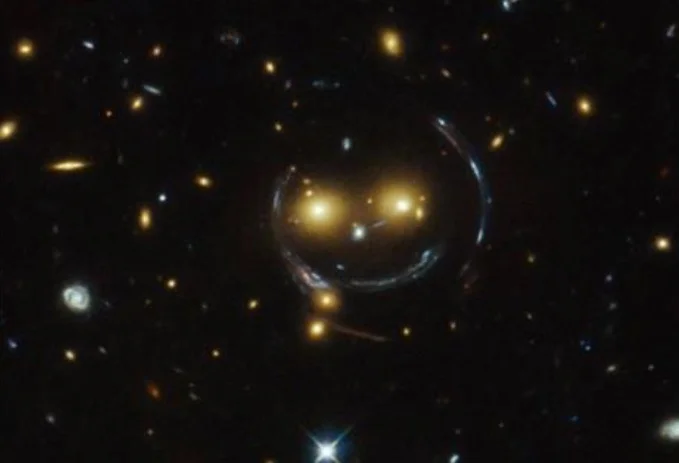
Antoine JOUBERT, the 13/07/2018