Observing the Eclipse to Forecast Space Weather and Solar Storms
The August 12 eclipse approaches, providing a unique opportunity for scientific observations that will enhance our understanding of solar storms and space weather.
The Upcoming Eclipse on August 12 and Its Scientific Significance
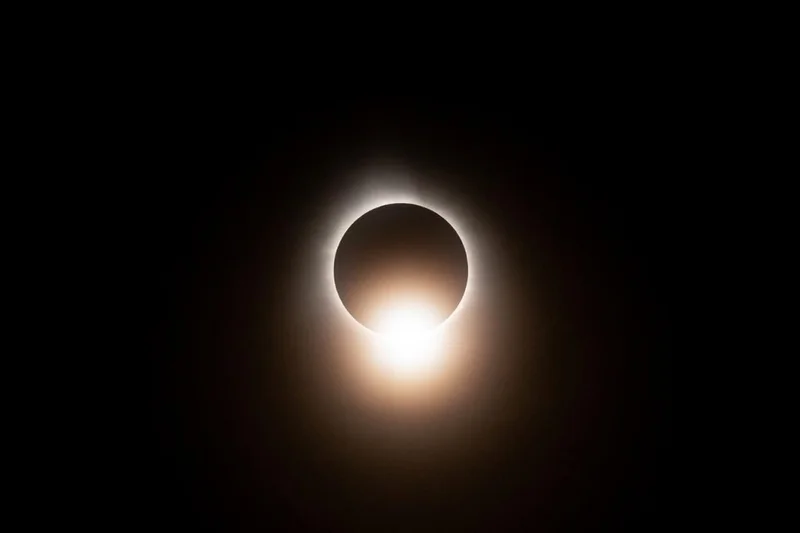
On August 12, 2026, a total solar eclipse will sweep across parts of Europe, offering a breathtaking spectacle and serving as a valuable scientific resource. The moon will obscure the sun, allowing researchers to observe the solar corona, the outer layer of the sun that is typically hidden by its intense brightness. Due to its elusive nature, the solar corona holds significant importance; variations within it can provide critical insights into the functioning of our sun. As the eclipse approaches, scientists are gearing up to predict the appearance of the solar corona and the dynamics that may affect it during this event. But why is such forecasting essential?
Understanding Space Weather Forecasting
The answer lies in the realm of space weather. Researchers aim to refine the models they use to predict it with greater accuracy. Space weather encompasses the conditions in the space surrounding Earth and the solar behaviors that can influence our planet and the technologies we depend on. Observing the solar activity during a total eclipse provides a visible result that can help validate the models developed regarding the sun’s activity and the ejections of material from its surface.
The Practical Impacts of Space Weather
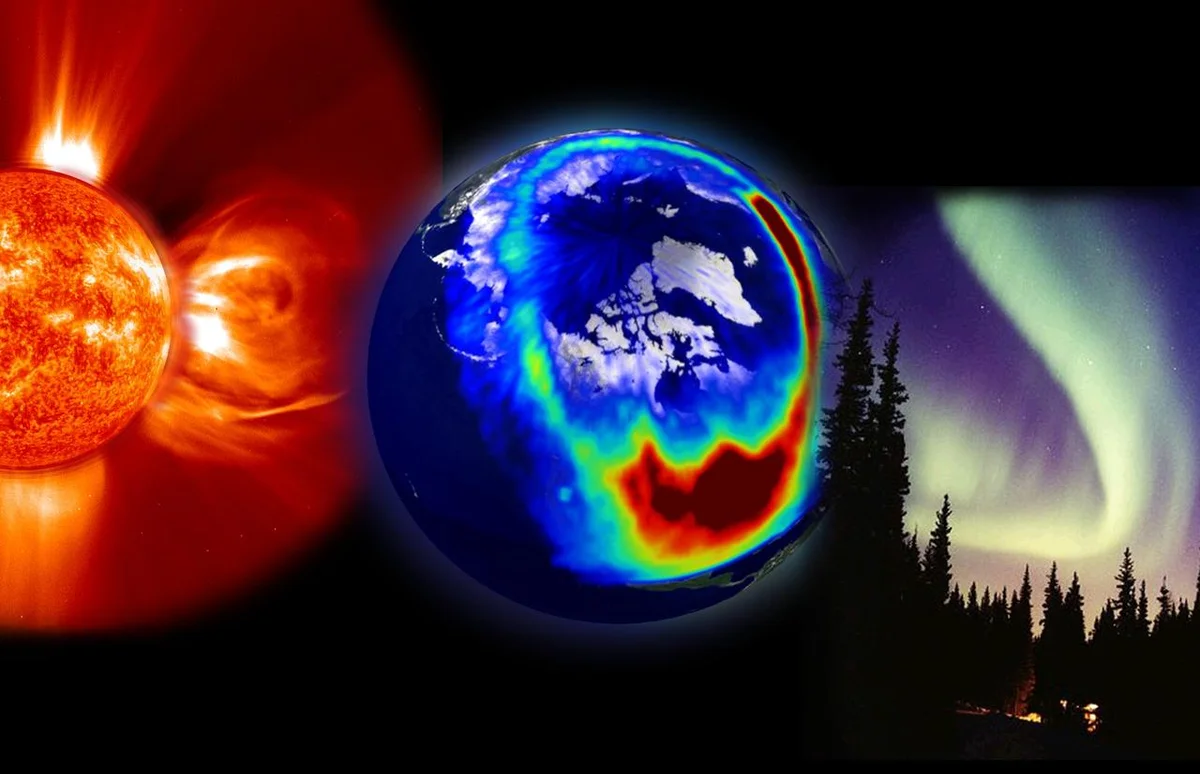
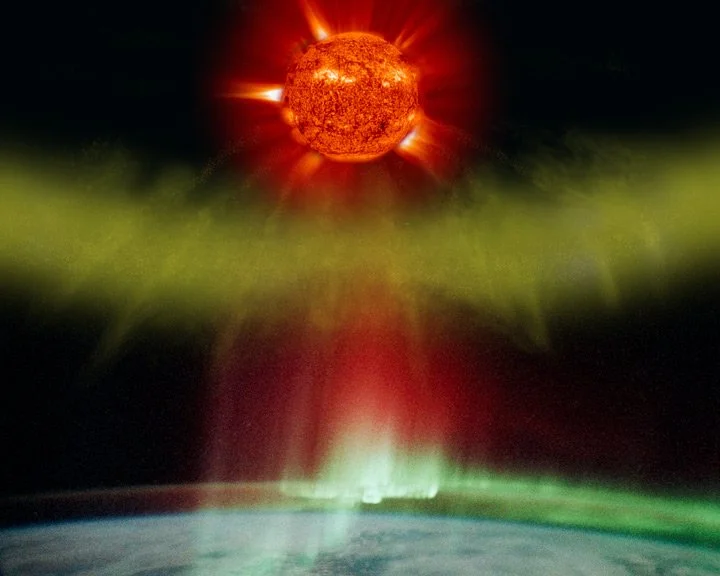
Understanding and predicting space weather is crucial due to its practical impacts on our daily lives. Solar radiation can adversely affect radio signal transmission, disrupt satellites, and interfere with GPS systems, sometimes leading to blackouts and technical issues. The radiation effects can also pose risks to astronauts in orbit. A striking consequence of solar activity is the polar auroras, which occur when charged particles emitted by the sun interact with Earth’s atmosphere, creating stunning light displays under specific conditions.
What to Expect from the August 12 Eclipse
Currently, scientists are engaged in complex efforts to use computer models to forecast the appearance of the solar corona on August 12. This process mirrors how terrestrial weather forecasts are made, utilizing mathematical models to predict whether our days will be sunny or cloudy. The reconstructions of the solar corona rely on understanding the sun's magnetic field, aided by data from missions such as Solar Orbiter and Proba-3. The more data available, the more precise the predictions can become. Observing the corona during the eclipse—this faint halo around the moon during totality—will provide researchers with a tangible verification of their models.
Challenges in Modeling the Solar Corona
One of the significant challenges in these predictions is the need to reconstruct the sun's behavior in three dimensions. From Earth, it is not possible to perceive the depth and three-dimensionality of solar phenomena. Computer simulations are used to transform our limited viewpoint into a 3D model. This structure is often chaotic and unstable, largely due to the unpredictability of certain solar magnetic field phenomena that scientists strive to recreate.
Future Prospects
With the upcoming eclipse, we are poised to enhance our scientific understanding further. Each eclipse presents a valuable open-air laboratory, providing experimental evidence that supports long-standing theoretical inquiries. Predicting the sun's behavior in advance and in three dimensions remains a formidable challenge, yet each astronomical event of this magnitude adds a missing piece to ongoing research. In the meantime, we continue to marvel at the natural spectacles that eclipses present.