#astronomy
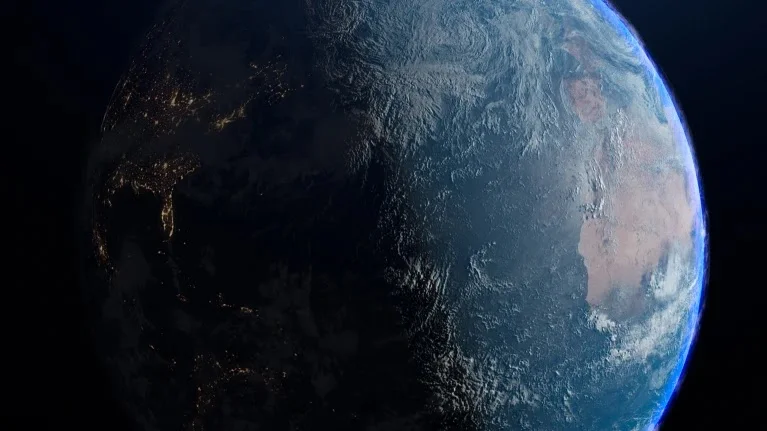
Reflect Orbital's ambitious plan to deploy thousands of mirrors in space raises significant concerns for astronomy and light pollution, potentially altering the night sky forever.
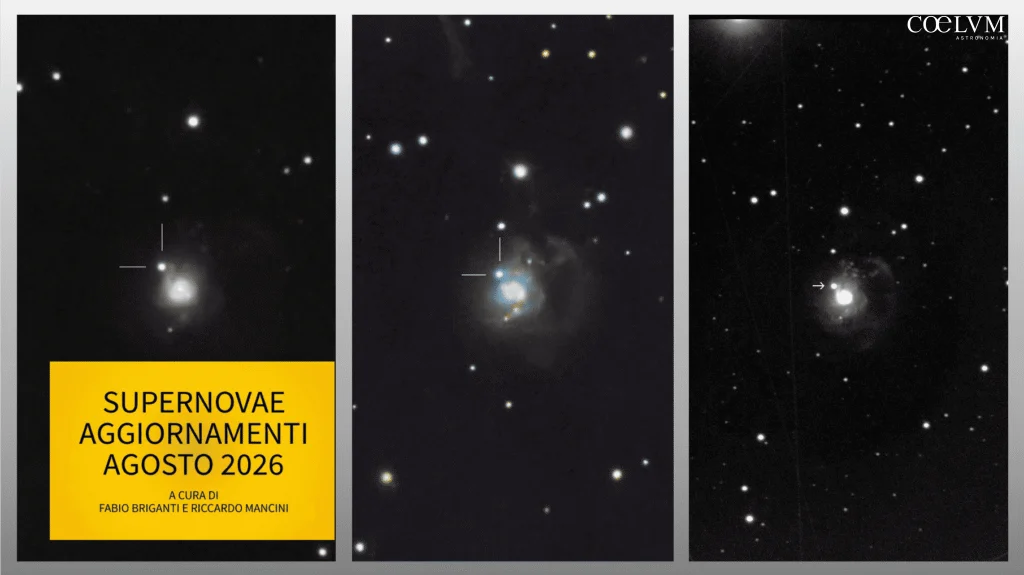
Explore the latest updates on supernovae in August 2026, highlighting significant discoveries and their implications for our understanding of the universe.
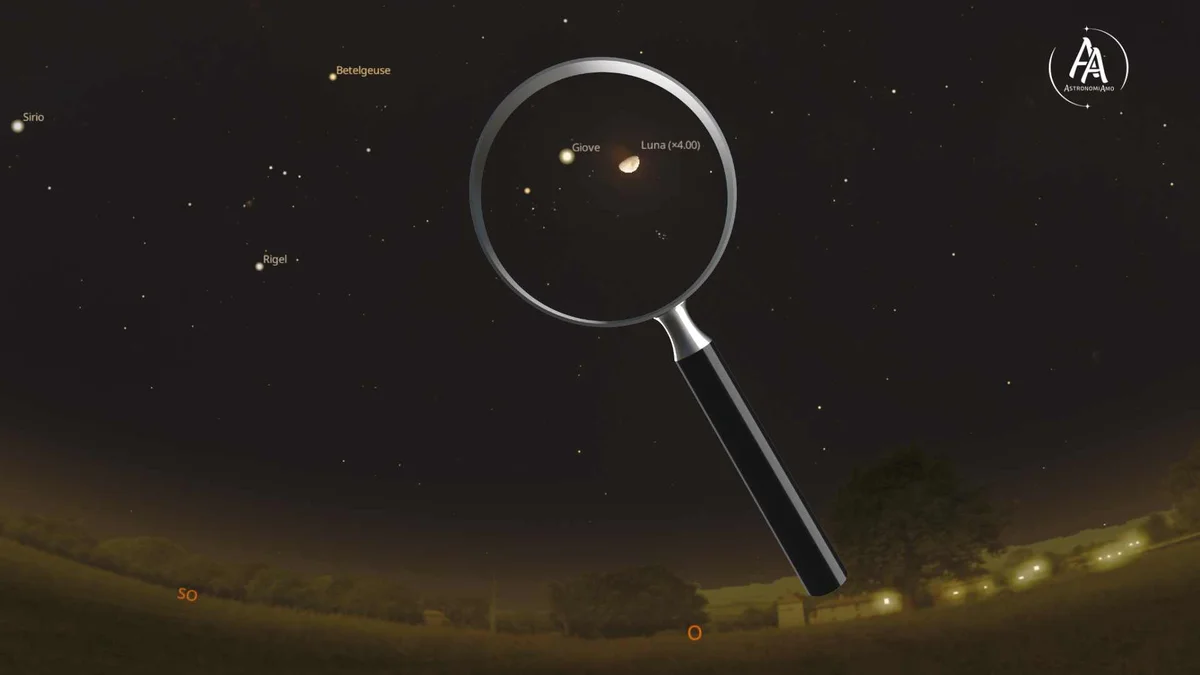
A captivating astronomical event visible to the naked eye, featuring a conjunction of the Moon, Jupiter, Pleiades, and Aldebaran on February 6-7, 2025.
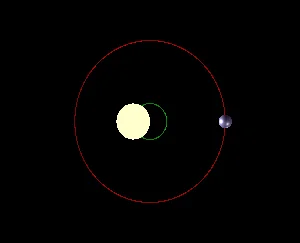
NASA explains that the barycenter between the Sun and Jupiter is located outside the Sun's surface, indicating that both bodies orbit an invisible point beyond our star.
The James Webb Space Telescope has analyzed two stars suspected of hosting Dyson spheres: here's what astronomers actually discovered.
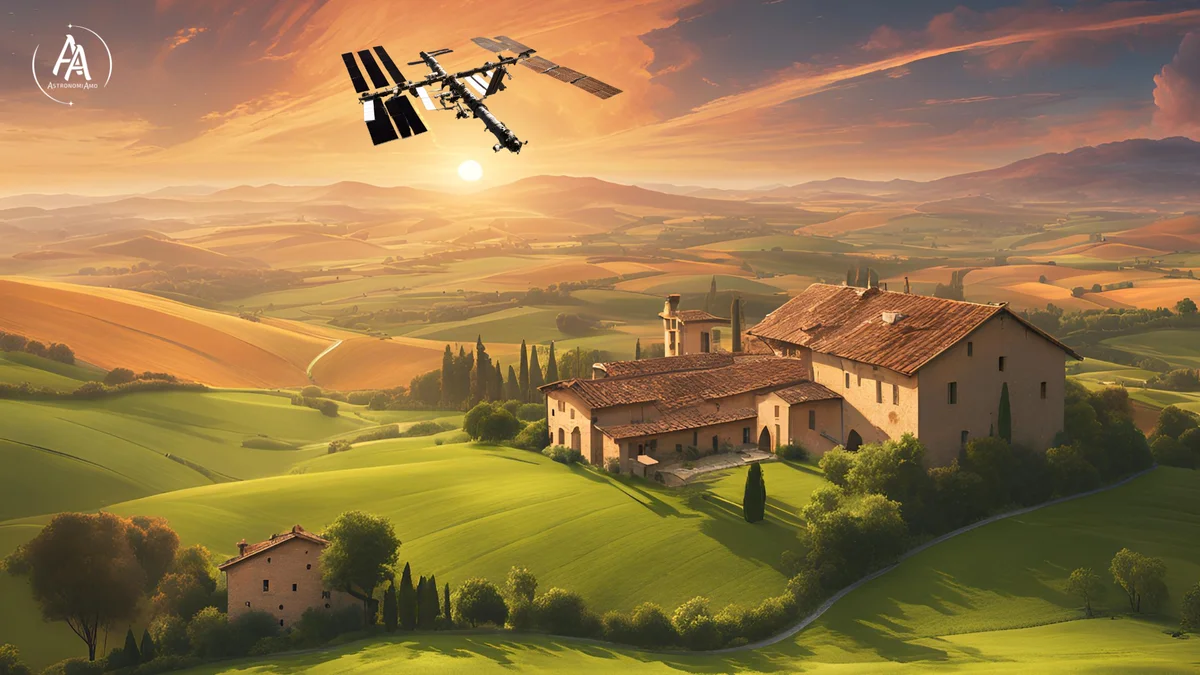
The upcoming visible pass of the International Space Station (ISS) on January 31, 2025, will be a notable event for observers across Italy. Learn why the ISS is visible and when to catch the best views.
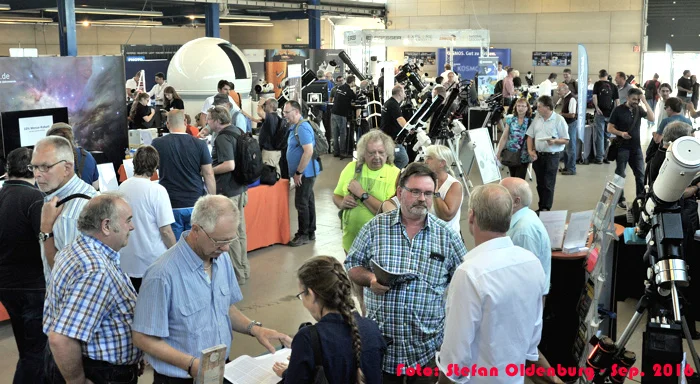
The AME 2016 in Villingen-Schwenningen brought together astronomy enthusiasts for a day of exploration, learning, and networking in the world of amateur astronomy.
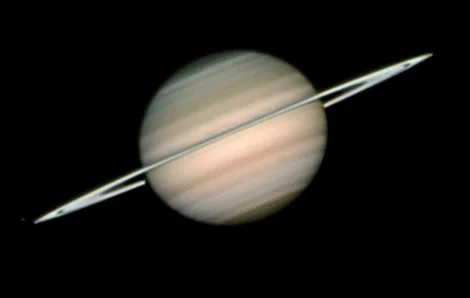
Explore the fascinating history and structure of Saturn's rings, first observed by Galileo in 1610, and learn about their formation and composition.
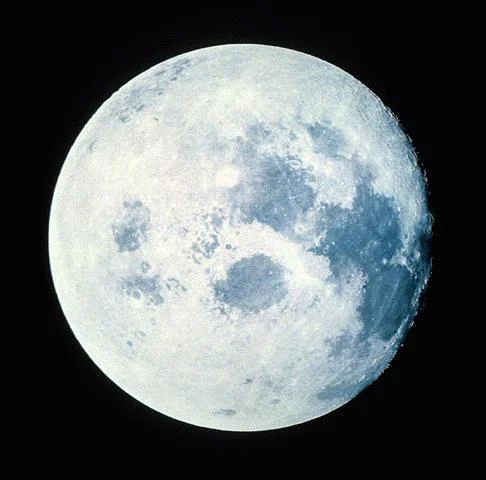
On March 19, 2011, the Moon became a Supermoon, appearing larger and brighter as it reached its closest point to Earth during a full moon, affecting tides and captivating observers.
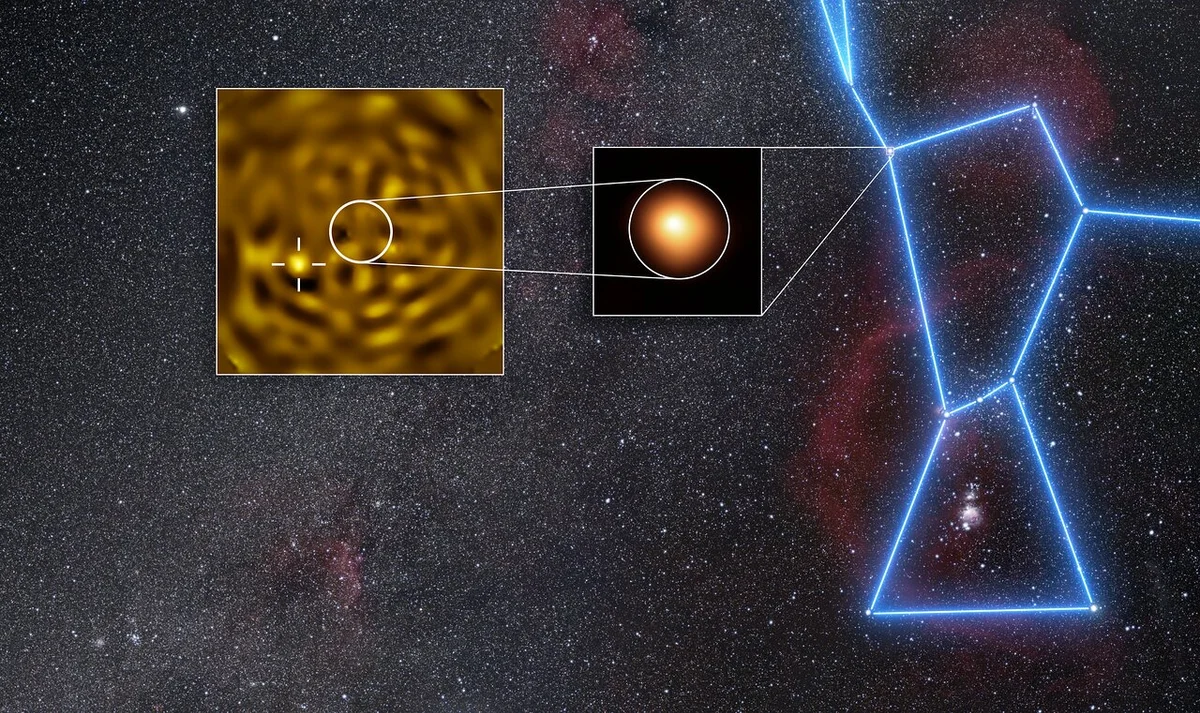
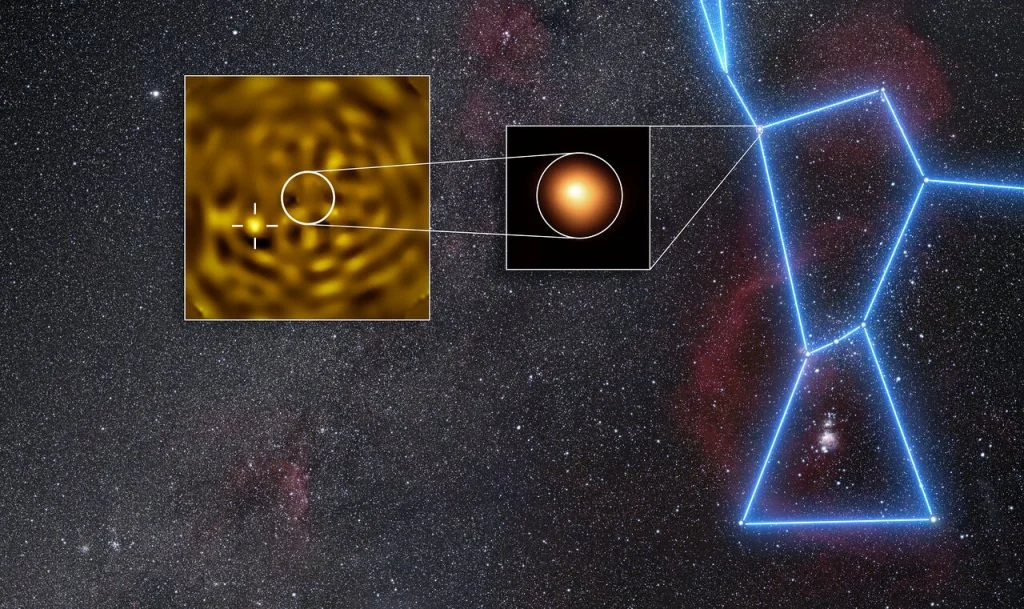
The presence of a companion star orbiting Betelgeuse has been confirmed using the Very Large Telescope. This discovery sheds light on the dynamics of this supergiant star.
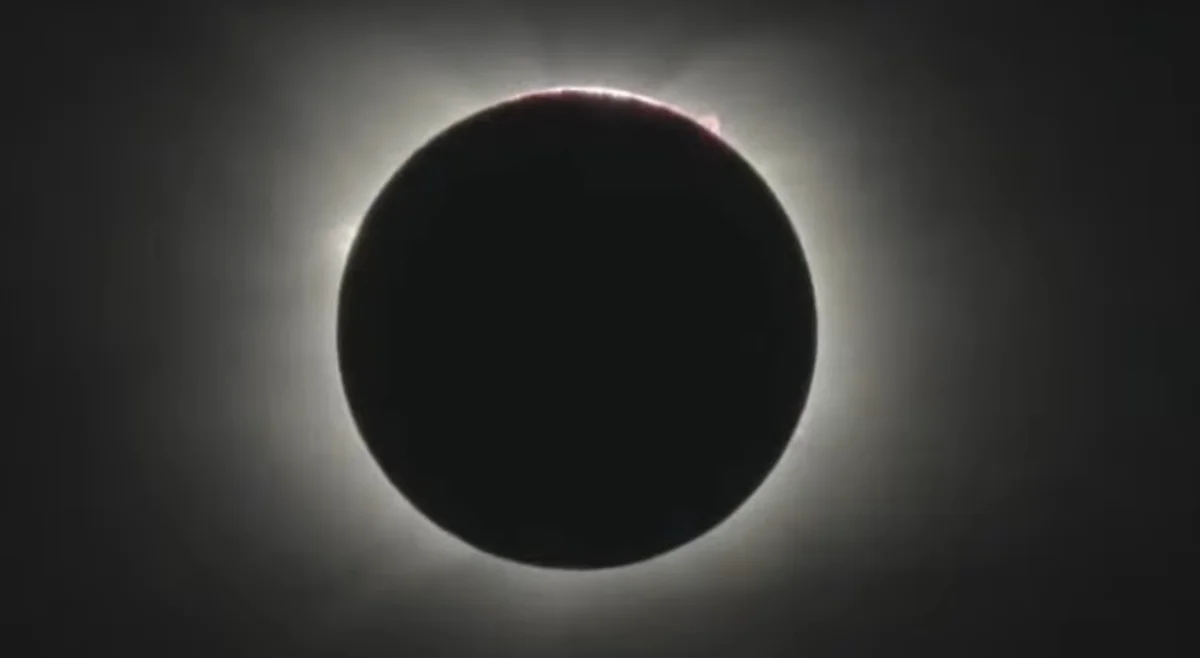
Explore the fascinating phenomenon of solar eclipses, their mechanics, and the differences between total and annular eclipses. Learn how alignment of celestial bodies creates these awe-inspiring events.
Astronomers have found strong evidence that Betelgeuse, one of the most famous stars in the night sky, is not alone. Using the Very Large Telescope, a team led by Miguel Montargès captured what is likely Betelgeuse B, its companion star.