#astronomy
Exploring the disappointments surrounding comet predictions, focusing on C/2025 F2 (SWAN) and its place in a history of failed celestial spectacles.
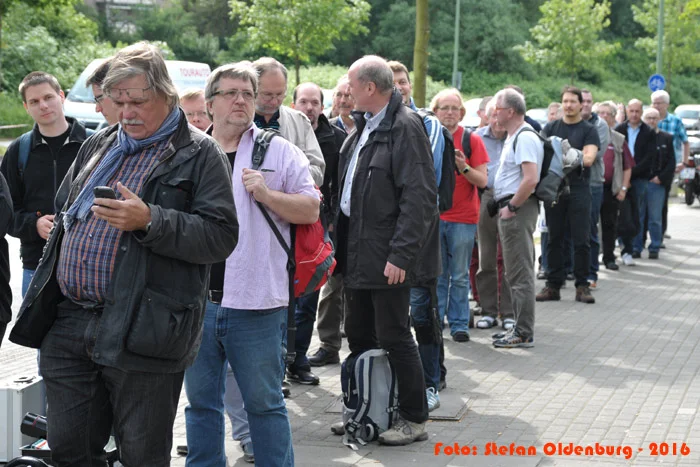
The 32nd Astronomical Exchange took place at Gymnasium Stoppenberg, showcasing a wide array of astronomical equipment and fostering community among enthusiasts.
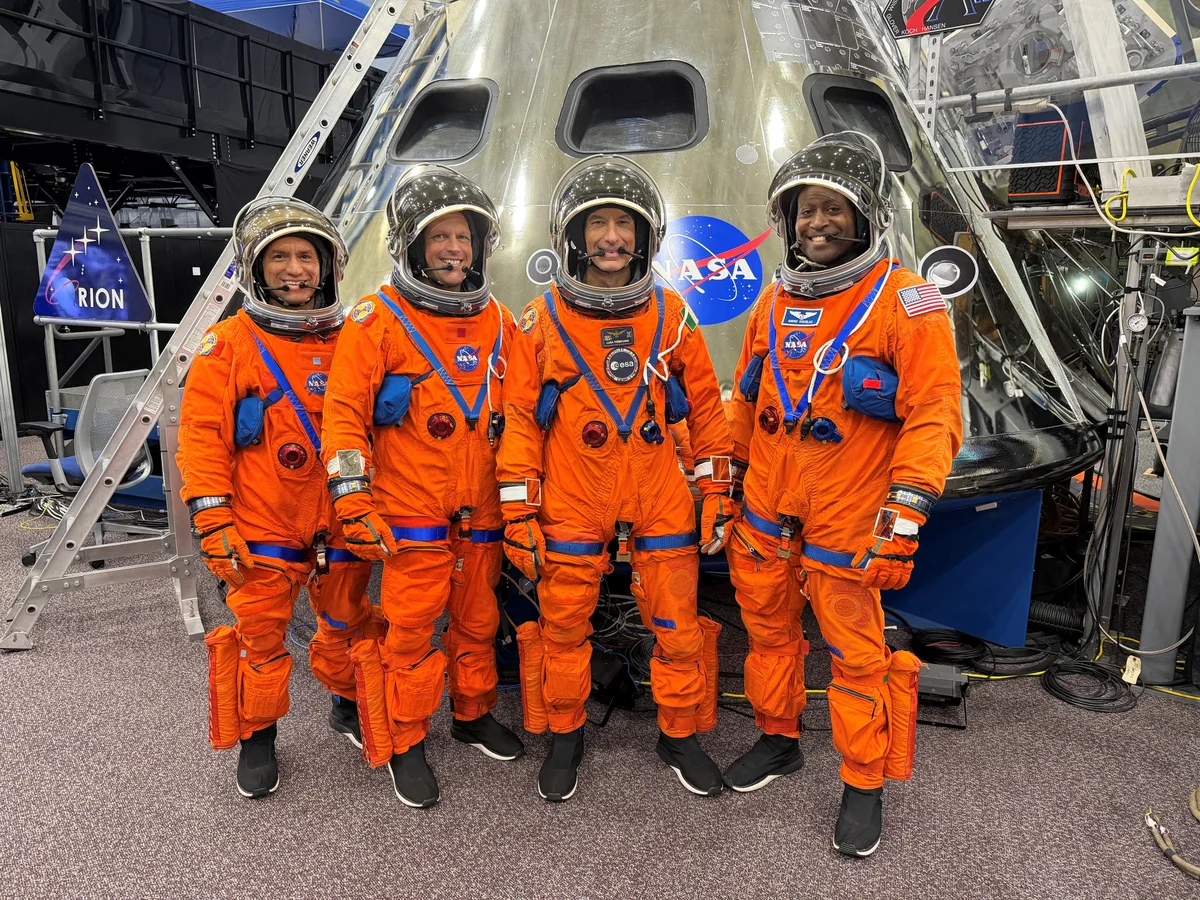
NASA's Artemis 3 crew completes their first training session in preparation for their mission, set for late 2027, amidst uncertainty regarding the launch timeline.
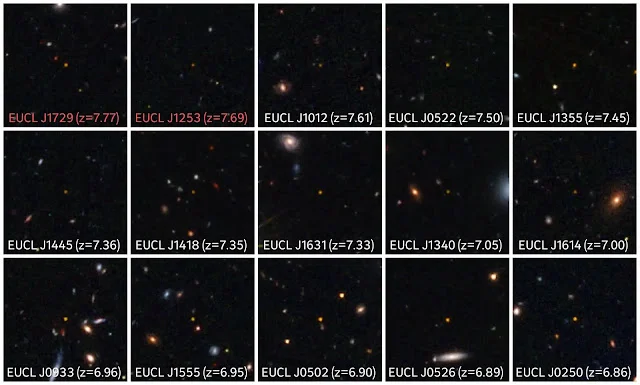
The Euclid space telescope has discovered 31 of the most distant quasars ever observed, including two that set new records for distance. This finding sheds light on the early universe and the growth of supermassive black holes.
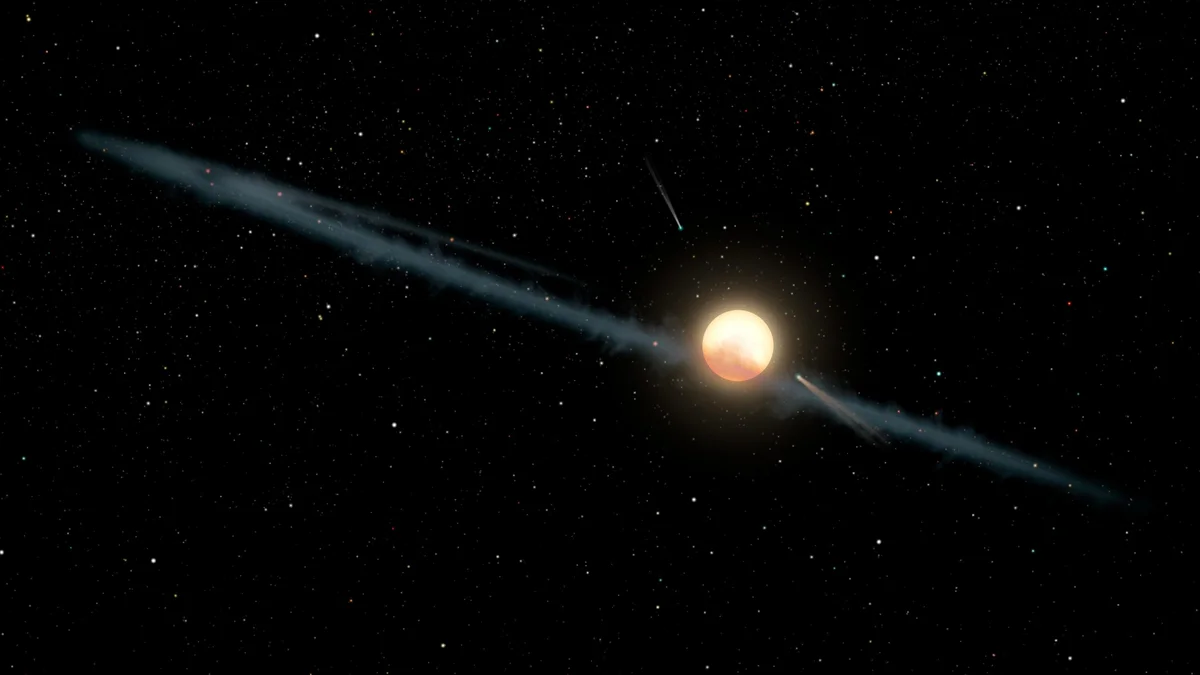
KIC 8462852, or Tabby's Star, continues to intrigue astronomers with its unusual brightness variations. The TESS satellite has detected another dip, possibly indicating a large planet orbiting the star.
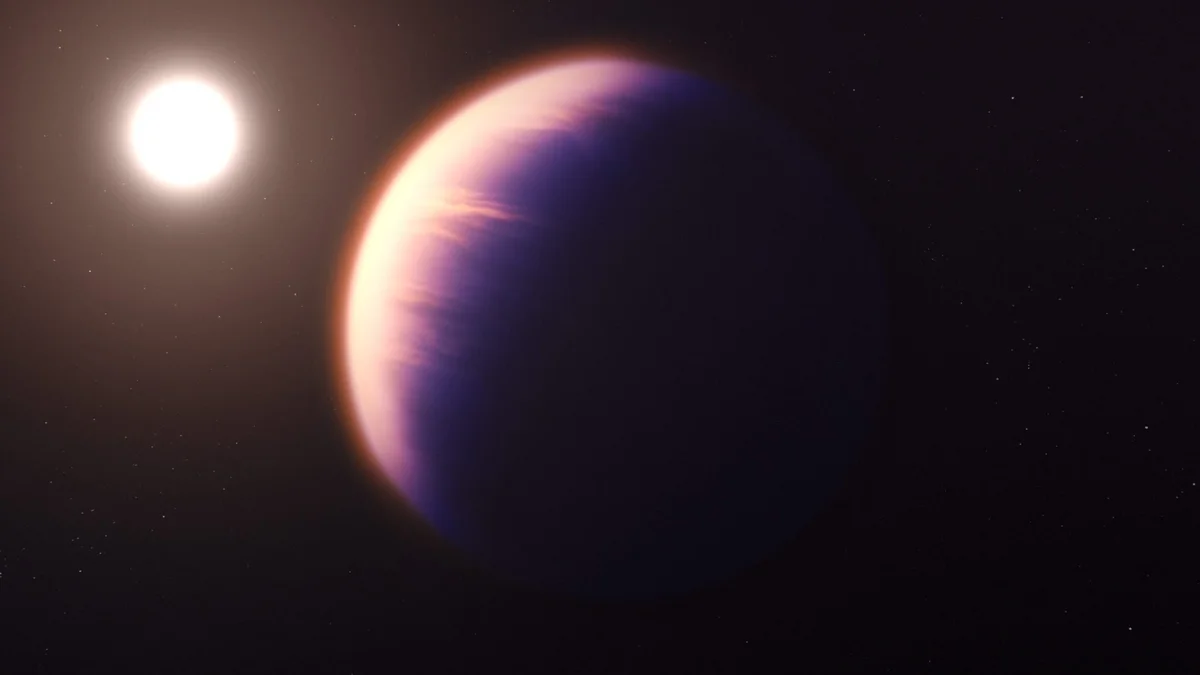
The JWST has detected semi-heavy water in the atmosphere of the exoplanet WASP-39b, a chemical clue that could aid astronomers in identifying habitable worlds in the future.
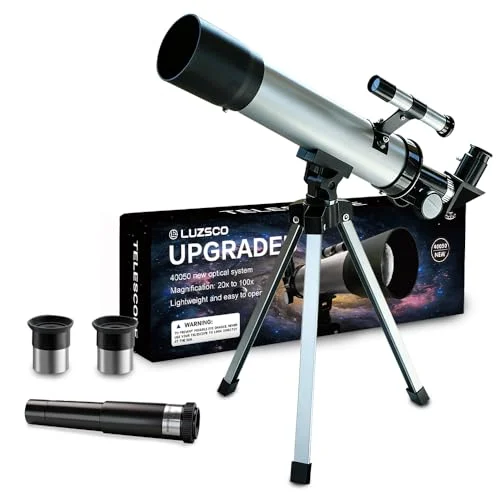
Explore the Science Can 70 mm telescope, a perfect tool for introducing children to astronomy. Learn how this kid-friendly telescope offers an enriching and educational stargazing experience.
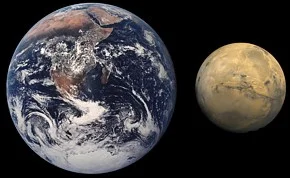
Mars, the fourth planet in our Solar System, known as the Red Planet, shares many characteristics with Earth. Explore its physical, orbital, and atmospheric properties.
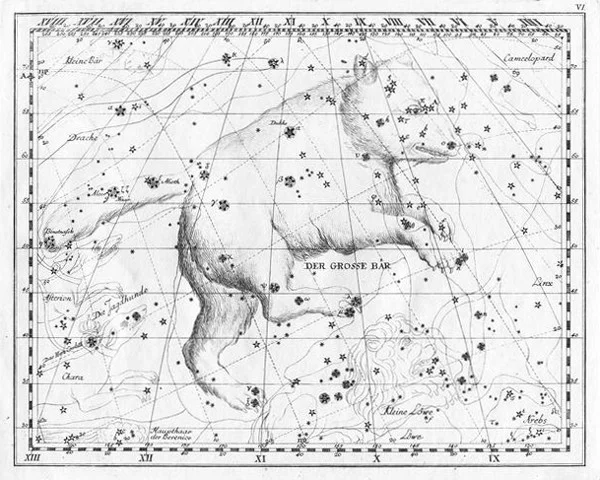
Astronomy studies the Universe and its celestial bodies, including stars, planets, and galaxies, exploring their relationships and evolution. It has ancient roots, evolving from mythological explanations to modern scientific inquiry.
Explore the celestial events of August 2026, featuring the moon's phases, planetary positions, and notable comets and asteroids visible in the night sky.
From August 1 to 9, 2026, Florence will host the 46th COSPAR Scientific Assembly, gathering over 3000 space science experts from around the world.
Astronomers have discovered the first stellar-mass black hole in Omega Centauri, utilizing Hubble and Webb data. This finding provides new insights into black hole populations in globular clusters.