The Supermoon Phenomenon: A Closer Look at Our Lunar Neighbor
On March 19, 2011, the Moon became a Supermoon, appearing larger and brighter as it reached its closest point to Earth during a full moon, affecting tides and captivating observers.
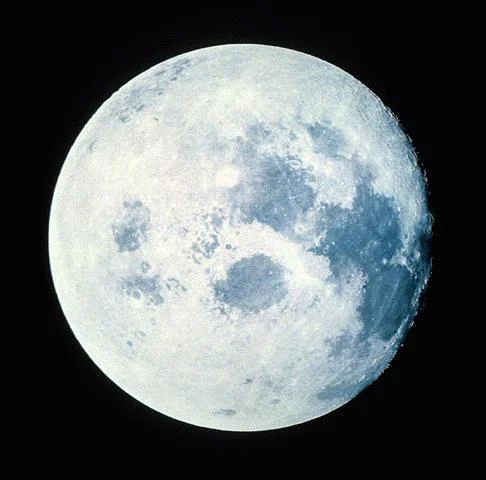
On Saturday, March 19, 2011, the Moon reached a remarkable event known as a Supermoon. This phenomenon occurs when the Moon is at its closest point to Earth during a full moon, a rare alignment that enhances its visibility and size.
During this event, the Moon appeared approximately 30% brighter and 14% larger than usual. Observers noted that the Moon, though it was only about 26,323 kilometers closer than average, seemed significantly more imposing in the night sky. The increased brightness made the lunar surface stand out vividly, creating a breathtaking view for those fortunate enough to witness it.
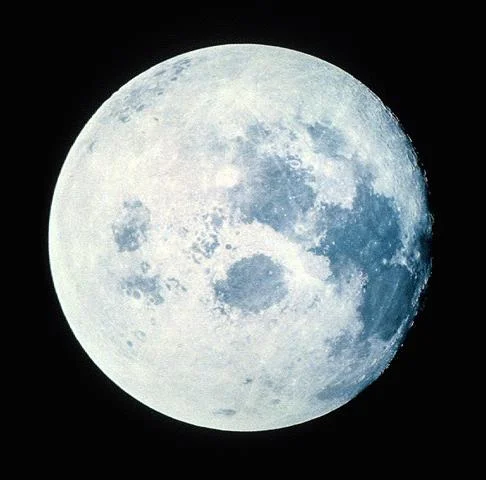
The proximity of the Moon also has notable effects on Earth, particularly with tidal movements. The Supermoon resulted in the largest high and low tides seen in 14 years, a phenomenon that many find fascinating. However, in areas without coastlines, such as where I was observing, the tidal changes were less visible and thus not as easily appreciated.
In summary, the Supermoon not only offers a spectacular visual experience but also serves as a reminder of the dynamic relationship between Earth and its lunar companion. This celestial event is a unique opportunity for both casual stargazers and astronomy enthusiasts alike to engage with the beauty of our universe.