The July Full Moon: A Celestial Showcase
On July 29, 2026, the July Full Moon, also known as the Buck Moon, will be visible in the night sky. Learn about its significance and how to observe it.
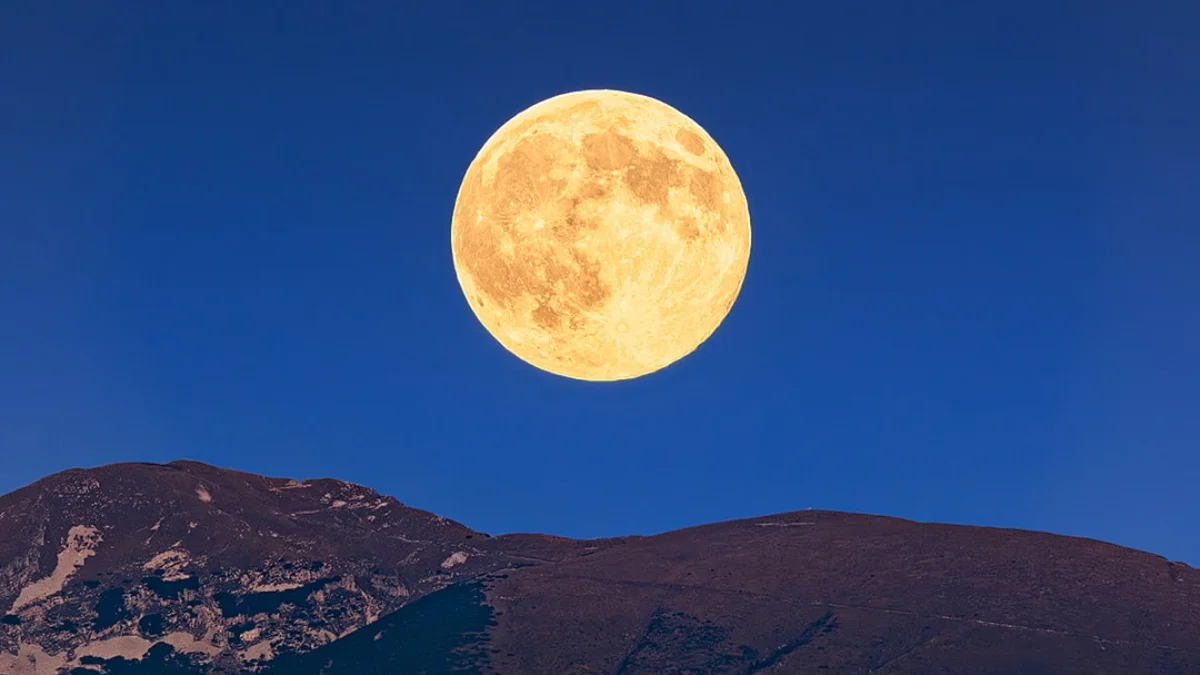
On July 29, 2026, at 16:37 CEST, the July Full Moon will grace the skies, marking the second full moon of the summer. Known as the "Buck Moon," this name originates from various Native American tribes, reflecting the time of year when male deer begin to grow their antlers. The moon will be positioned approximately 399,000 km away from Earth, rising around 20:30 in the east and remaining visible throughout the night, depending on local conditions. This event presents an excellent opportunity for those with binoculars or telescopes to observe the lunar surface, though it will also be captivating to view with the naked eye.
Understanding Our Moon
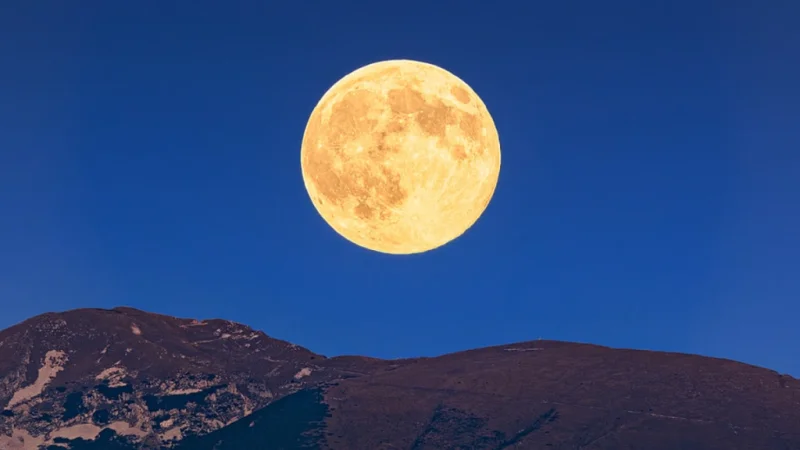
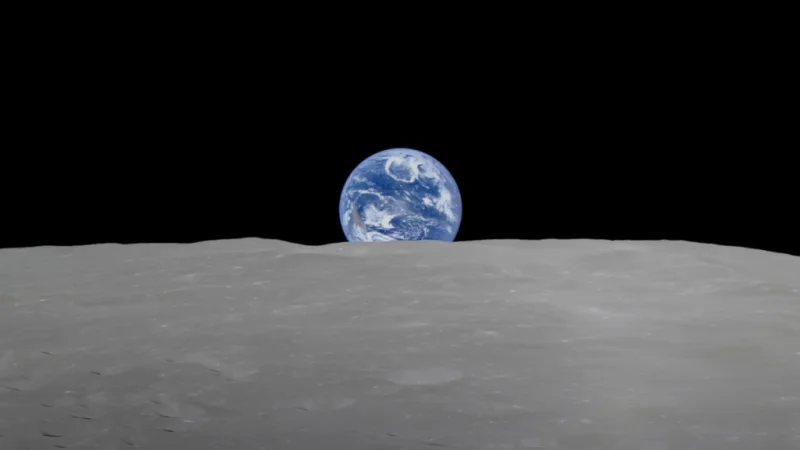
The Moon has a radius of 1,737 kilometers, making it less than one-third the width of Earth, and it orbits at an average distance of 384,400 kilometers from our planet. To put this into perspective, around 30 Earth-sized planets could fit between the two celestial bodies. The Moon rotates on its axis at the same rate that it orbits Earth, a phenomenon known as synchronous rotation, which is why we always see the same side. The changing illumination of the Moon leads to its various phases; during a full moon, the side visible from Earth is fully illuminated by the Sun, while a new moon occurs when this visible hemisphere is entirely in shadow. The Moon completes a full orbit around Earth in 27 Earth days, while the Earth rotates on its axis as it orbits the Sun, making it appear as though the Moon orbits us every 29 days.
Additional Insights
The Moon consists of a core, mantle, and crust. Its inner core, solid and rich in iron, has a radius of 240 kilometers, surrounded by a liquid iron shell that is 90 kilometers thick. The mantle extends from the partially molten layer to the lunar crust, likely composed of minerals such as olivine and pyroxene, which contain magnesium, iron, silicon, and oxygen atoms. The average thickness of the crust is about 110 kilometers, made up of oxygen, silicon, magnesium, iron, calcium, and aluminum, with trace amounts of titanium, uranium, thorium, potassium, and hydrogen. Historically, the Moon had active volcanoes, all of which are now dormant. According to the most accepted theory, the Moon formed around 4.5 billion years ago following a collision between Earth and a planetesimal named Theia.
Source: NASA