#spaceexploration
The discovery is the result of the work of an international team of astronomers led by the Palidoro Astrophile Group, which includes Giuseppe Conzo, Mara Moriconi, and Silvio Antonio Corrêa Jr., and was published in the Open European Journal on Variable Stars (OEJV).
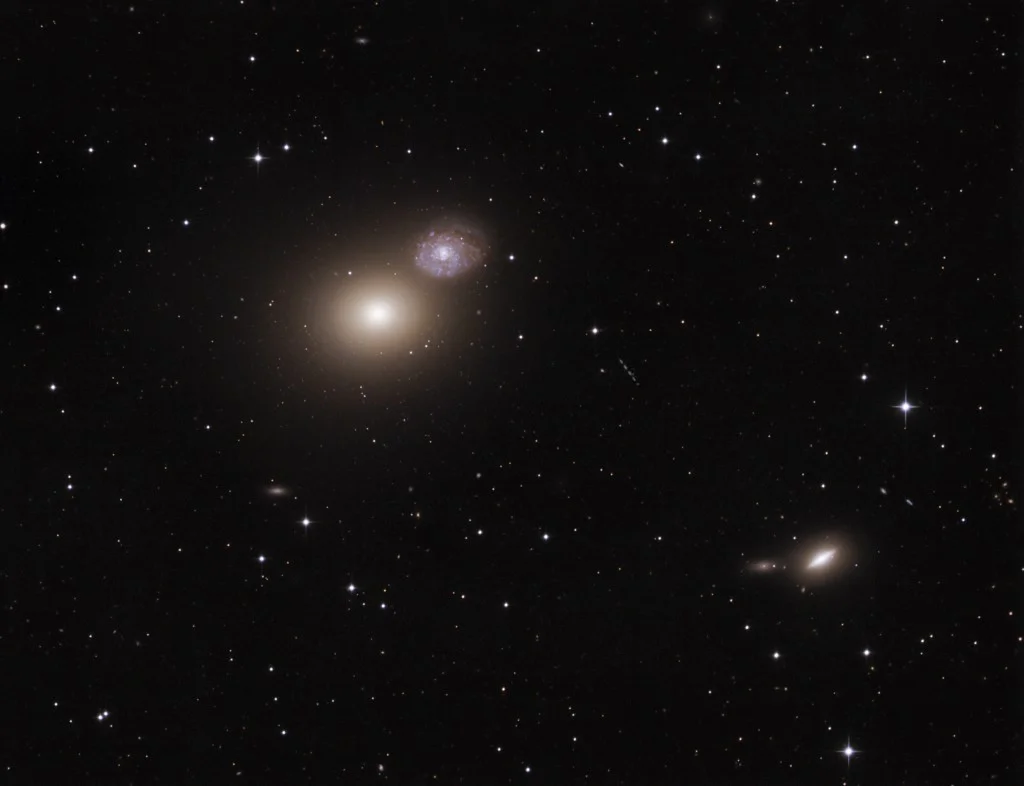
Messier 60 (NGC 4649) is an elliptical galaxy in the constellation Virgo. It was discovered on April 11, 1779, by the German astronomer Johann Gottfried Köhler...
The two galaxies NGC 5005 and NGC 5033, located in the northern constellation Canes Venatici, were discovered on May 1, 1785, by the German-British astronomer Friedrich Wilhelm Herschel.
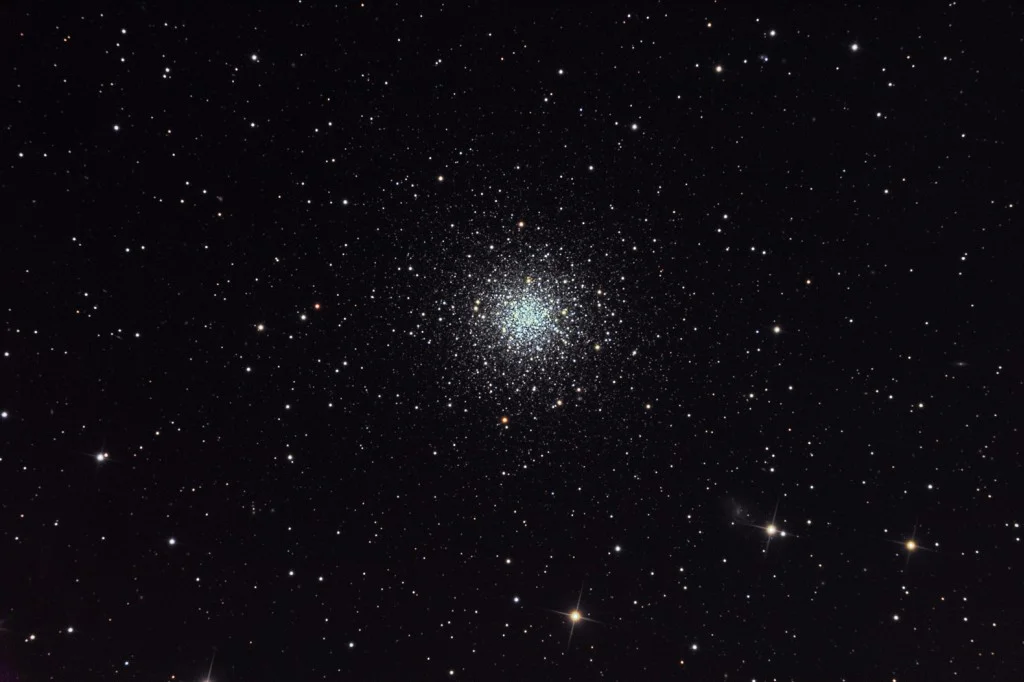
The globular cluster Messier 68 (NGC 4590), located in the southern constellation Hydra, was discovered on April 9, 1780, by the famous French astronomer Charles Messier.
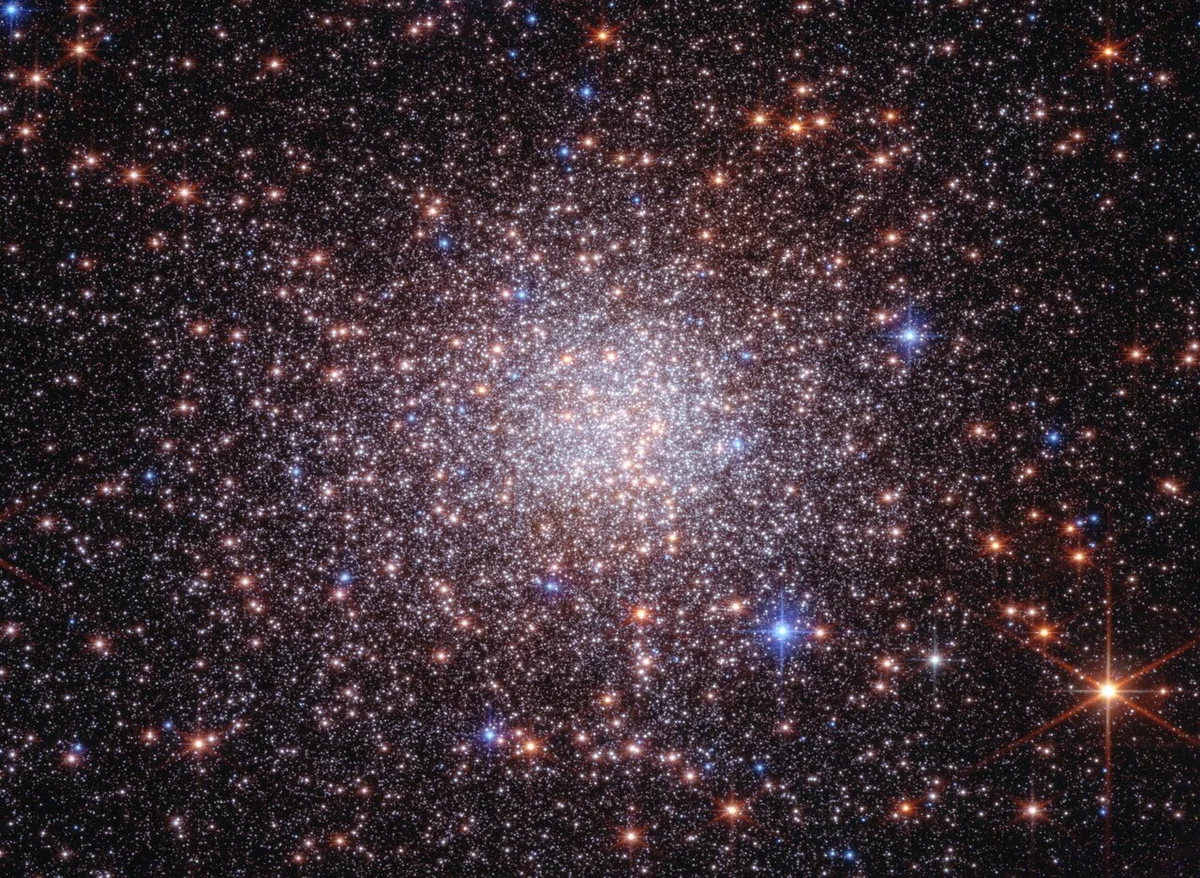
Researchers have confirmed a new class of objects within our Milky Way: remnants referred to as "fossil fragments of the galaxy core". Terzan 5 is the prototype of these remnants from the early formation phase of our galaxy.
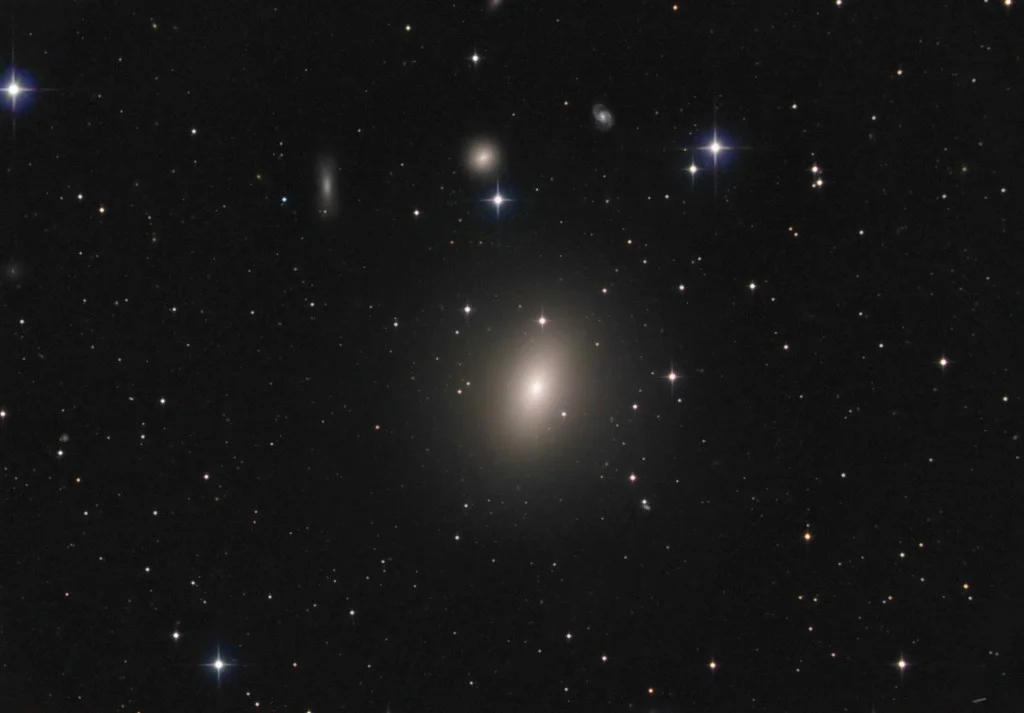
Messier 59 (NGC 4621) is an elliptical galaxy in the constellation Virgo. The object was discovered on April 11, 1779, by the German astronomer Johann Gottfried Köhler in Dresden along with Messier 60 and NGC 4638 while observing the comet Bode.
The spiral galaxy Messier 100 (NGC 4321), located in the constellation Coma Berenices, was discovered on March 15, 1781, by French astronomer Pierre Méchain. It is a member of the Virgo Cluster and is known for its prominent spiral structure and starburst activity.
The galaxy Messier 91 (NGC 4548) is located in the southern part of the constellation Coma Berenices. It was discovered on March 18, 1781, by the French astronomer Charles Messier.