Voyager 2's Mission Extended with Innovative Energy Management
NASA's Jet Propulsion Laboratory extends Voyager 2's mission with an energy-saving operation called Big Bang, ensuring its scientific instruments remain operational.
Innovative Energy Management Extends Voyager 2's Lifespan
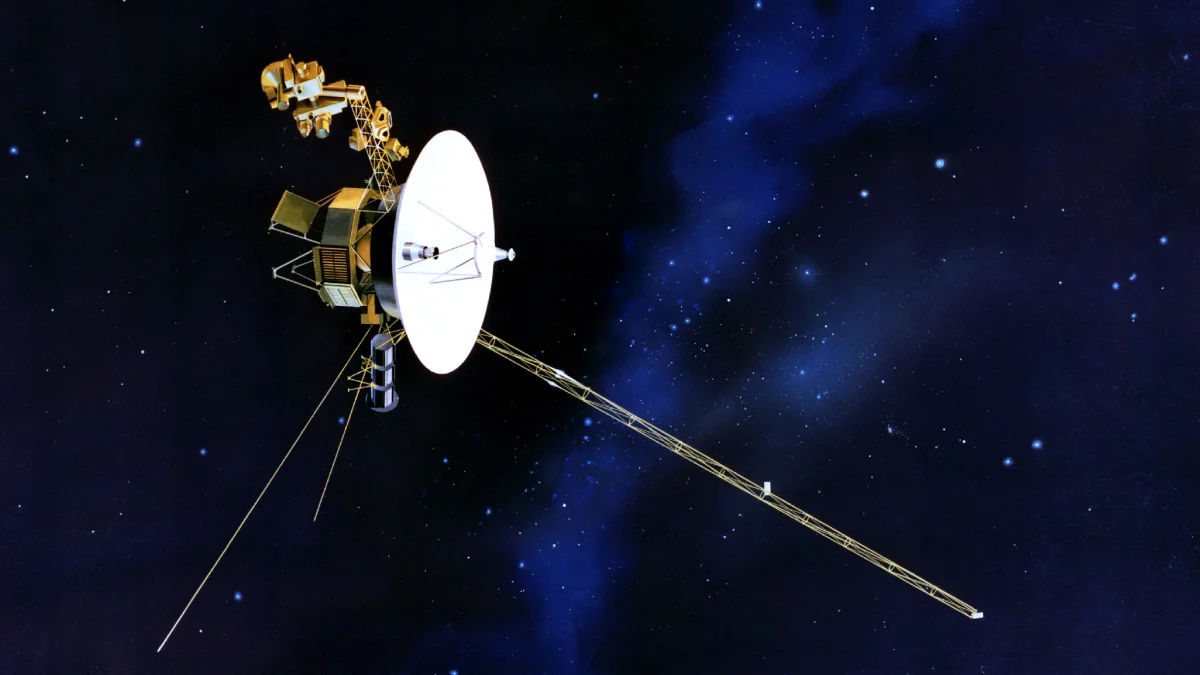
Engineers at NASA's Jet Propulsion Laboratory have successfully implemented a strategy to extend the operational life of Voyager 2, allowing the spacecraft to continue its scientific missions for at least another year. This initiative, dubbed "Big Bang," involved the simultaneous shutdown of several power-consuming devices and their replacement with low-power alternatives, ensuring that the spacecraft remains sufficiently warm for its operations.
Voyager probes harness energy from radioisotope thermoelectric generators, which convert heat from plutonium decay into electricity.
As the plutonium reserves continue to deplete, both Voyager spacecraft lose approximately 4 watts of power annually. Nearly fifty years after their launch, the power margins have diminished significantly, prompting the team to conserve energy by turning off non-essential systems and devices.
Shutdown of Two Scientific Instruments
Starting in 2024, the ongoing reduction in electrical power will necessitate the shutdown of two scientific instruments on each Voyager probe (each spacecraft is equipped with ten instruments; others had already been deactivated as they were only used during planetary encounters). Without the Big Bang intervention, Voyager 2 would have had to deactivate another instrument by the end of 2026. The energy savings from this operation are expected to be sufficient to keep the remaining three instruments operational for at least another year. The mission team plans to implement similar energy-saving measures on Voyager 1, which is located even farther from Earth than Voyager 2, in the coming months.