NASA Uncovers Potential Signs of Past Life on Mars
NASA has announced a discovery that could change our understanding of Mars, revealing potential signs of past life through new analyses from its rovers and orbiters.
Introduction
NASA has made a groundbreaking announcement that could fundamentally alter our understanding of the Red Planet. Recent analyses from rovers and orbiting probes have revealed potential signs of past life on Mars. While this discovery does not provide definitive proof, the data opens up new avenues regarding the possibility that microbial life existed on the planet billions of years ago.
The Context of Research
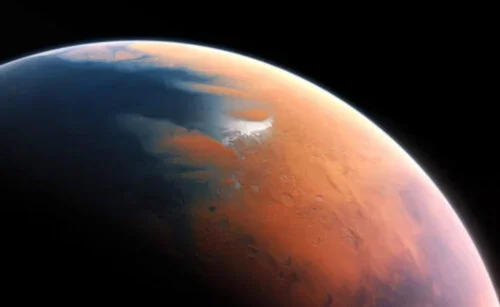
For decades, Mars has been the focal point of numerous space missions. Its geological history displays clear evidence of liquid water: dried riverbeds, mineral deposits, and canyons shaped by erosion. These indicators have led scientists to speculate that, in a distant past, the planet possessed a thicker atmosphere and conditions favorable for life.
Recent missions, such as NASA's Perseverance and Curiosity, have collected soil and rock samples from particularly promising areas, including the Jezero crater, which once housed a lake.
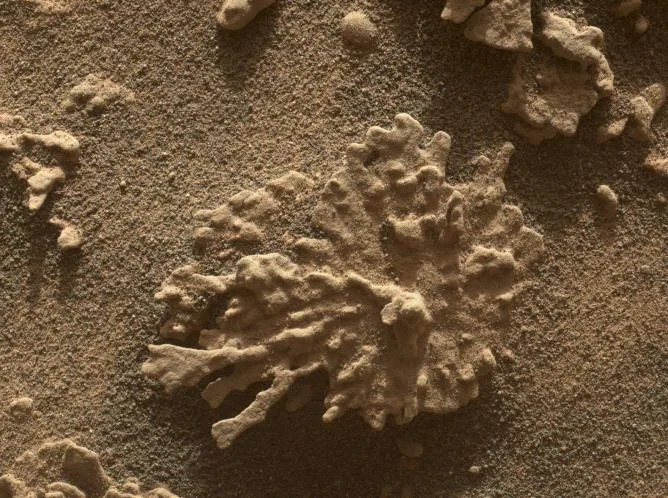
The Discovery: Organic Molecules and Chemical Traces
According to NASA's latest announcement, complex organic molecules and specific isotopic ratios have been identified, suggesting potential biological activity in the past. Notably:
- Traces of carbon with unusual chemical signatures.
- Clay minerals formed in the presence of water.
- Organic molecules that, while possibly of geological origin, resemble those linked to biological processes on Earth.
These findings do not confirm the presence of life but bolster the hypothesis that Mars was habitable billions of years ago.
Why It Matters
The possibility that Mars once hosted microbial life carries significant implications:
- It aids in understanding whether life is a rare or widespread phenomenon in the universe.
- It provides insights into the relationship between water and biology.
- It informs future exploration missions, including the Mars Sample Return program aimed at bringing Martian samples back to Earth.
Next Steps
Scientists plan to:
- Continue analyzing samples collected by the Perseverance rover.
- Prepare missions to return Martian rocks to Earth, where more advanced tools can conduct detailed analyses.
- Compare Martian data with extreme terrestrial environments, like deserts and saline lakes, to determine if similar processes could have supported life.
Conclusion
NASA has shed light on a mystery that has fascinated humanity for centuries: are we alone in the universe? The new clues suggesting past life on Mars do not yet provide a definitive answer, but they represent a crucial step toward understanding how common — or rare — life may be in the cosmos.