#astrobiology
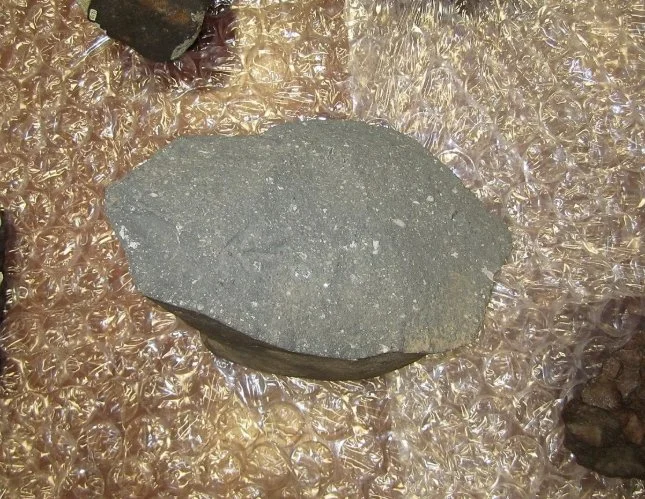
A meteorite that fell in Mexico in 1969 reveals that dust from a star that died before the Sun may have acted as a "seed" for the early solids of the Solar System, solving a longstanding puzzle in cosmochemistry.
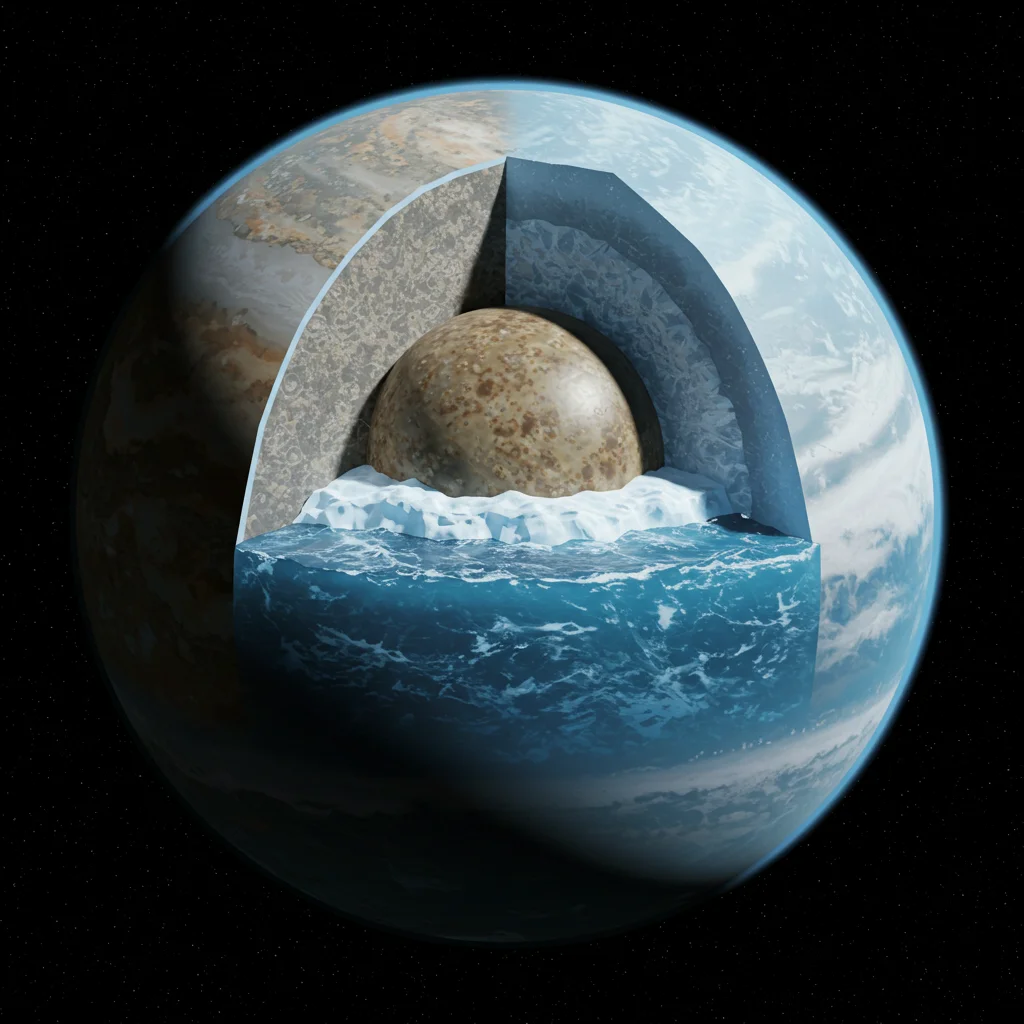
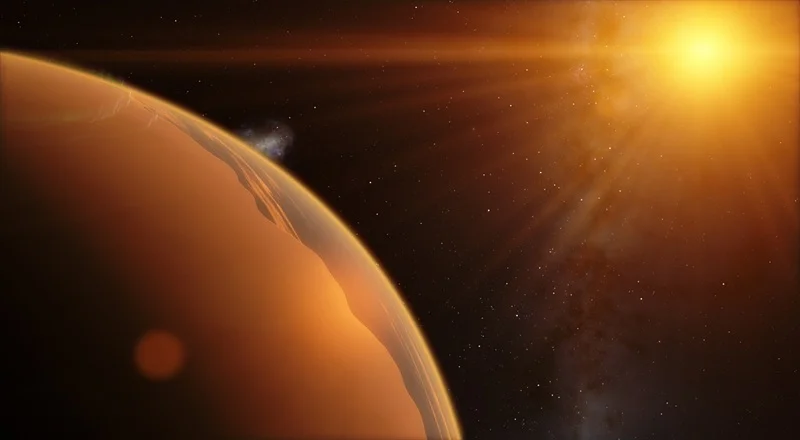
Exploring K2-18b, a potential candidate for extraterrestrial life, its characteristics, the Hycean hypothesis, and the significance of dimethyl sulfide in astrobiology.
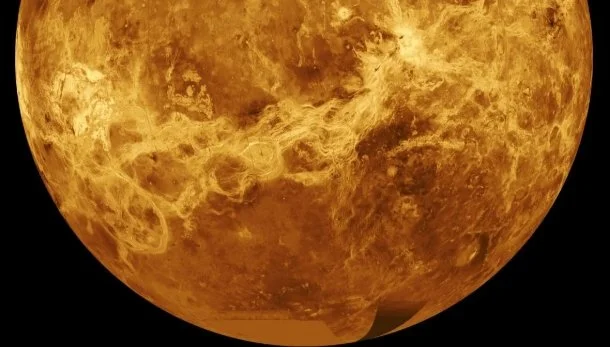
A new study suggests that Venus, today a scorching and inhospitable world, may have once hosted oceans covering about 90% of its surface before being engulfed by a runaway greenhouse effect.
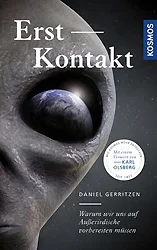
Daniel Gerritzen's book "First Contact" explores the necessity of preparing for potential extraterrestrial encounters, examining human fears and the implications of alien life.
Explore the latest advancements in the search for extraterrestrial life and how space missions are uncovering clues about our cosmic neighbors.
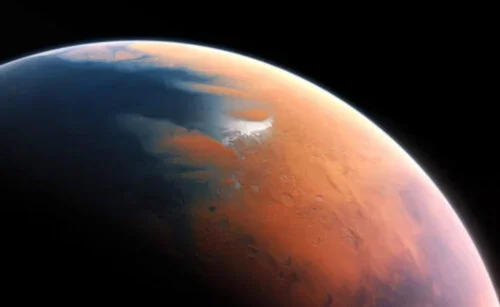
NASA has announced a discovery that could change our understanding of Mars, revealing potential signs of past life through new analyses from its rovers and orbiters.
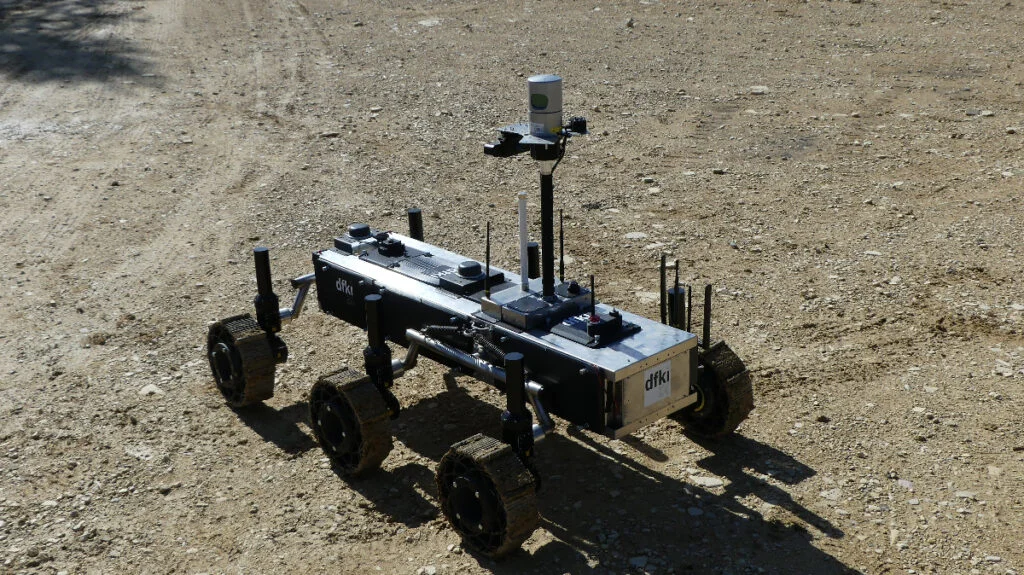
The VaMEx project aims to explore Valles Marineris on Mars, testing robots and drones in a quarry in Bavaria. This article covers the field test and insights into DLR's Explorer initiatives.
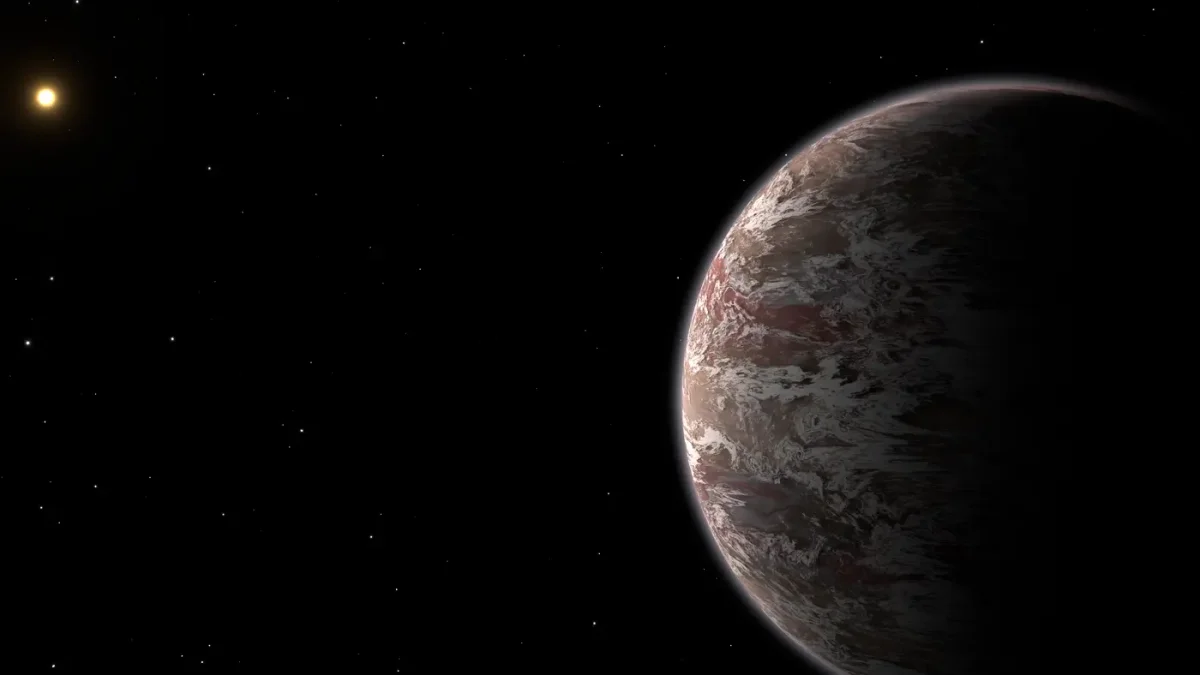
A team of astronomers led by Elisabeth Matthews at the Max Planck Institute for Astronomy (MPIA) has discovered water ice clouds on a distant exoplanet, Epsilon Indi Ab, showcasing the potential for future exoplanet research.