#planetary science
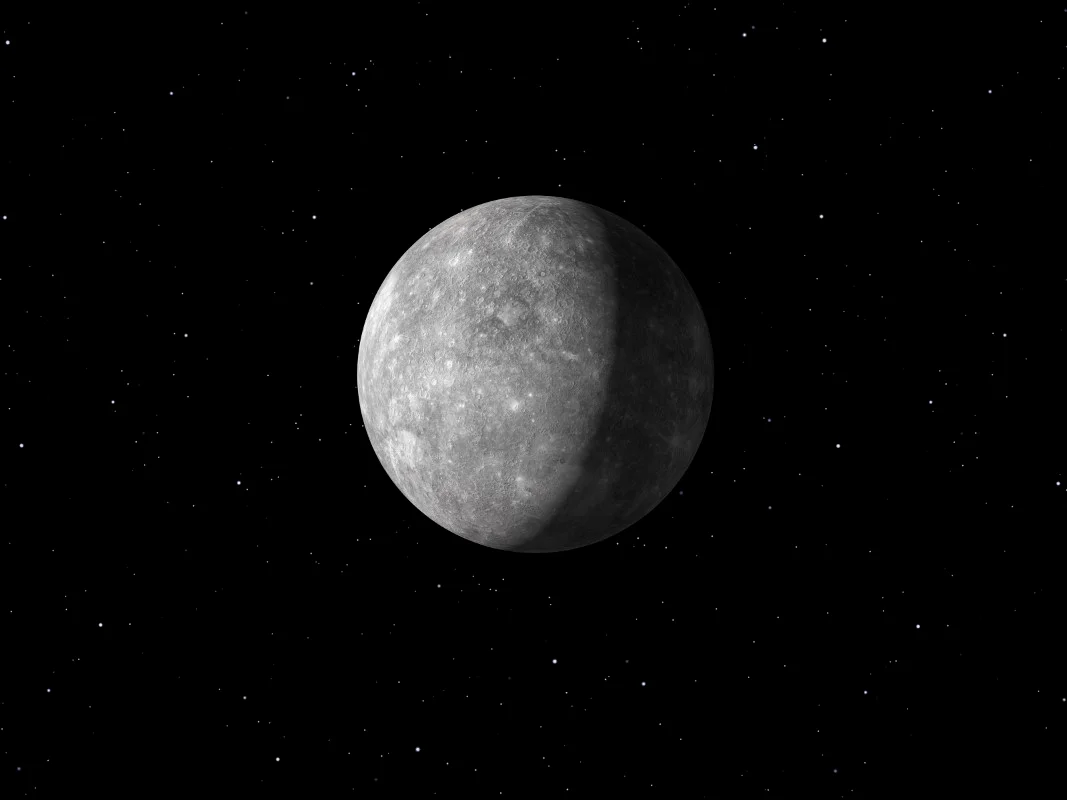
NASA's analysis of over 100,000 images from the MESSENGER spacecraft reveals that Mercury may still exhibit geological activity, challenging the long-held view of the planet as geologically inert.
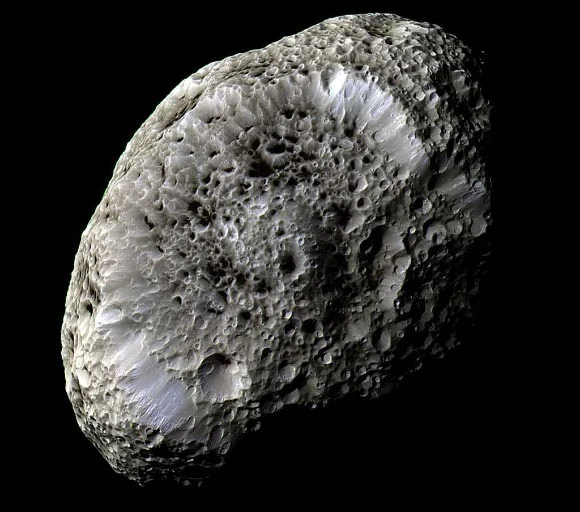
A new study reveals that Hyperion's origins are linked to a collision involving Titan and an ancient moon, providing insights into the formation of Saturn's rings.
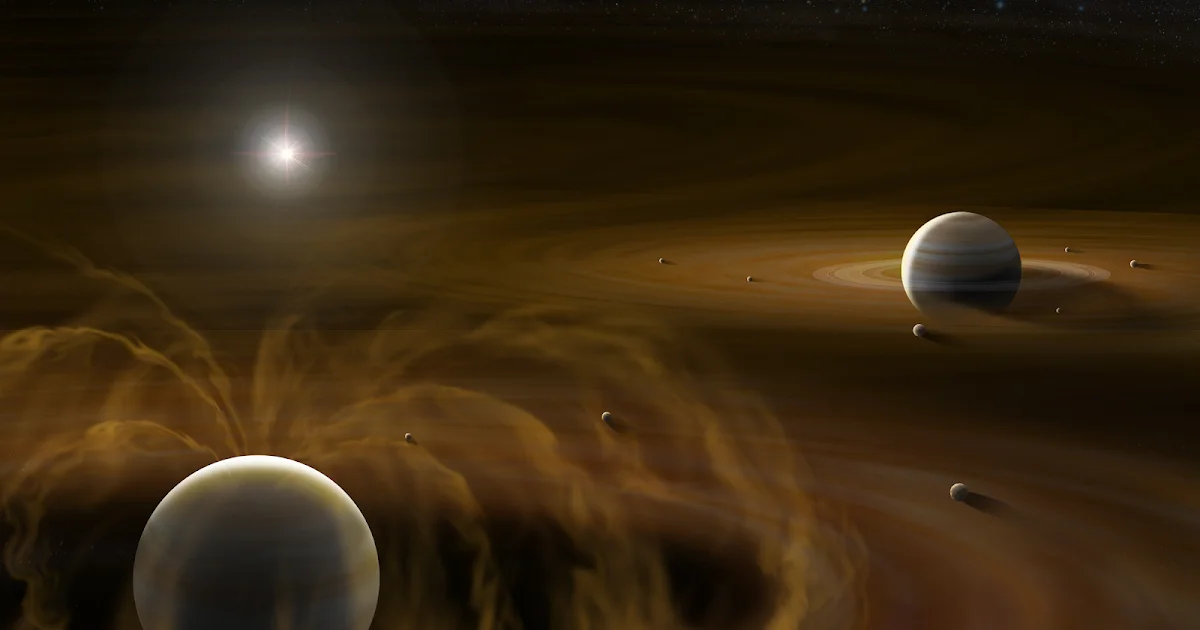
A new study explores the differences in the satellite systems of Jupiter and Saturn, revealing how magnetospheres influence their formation and architecture.
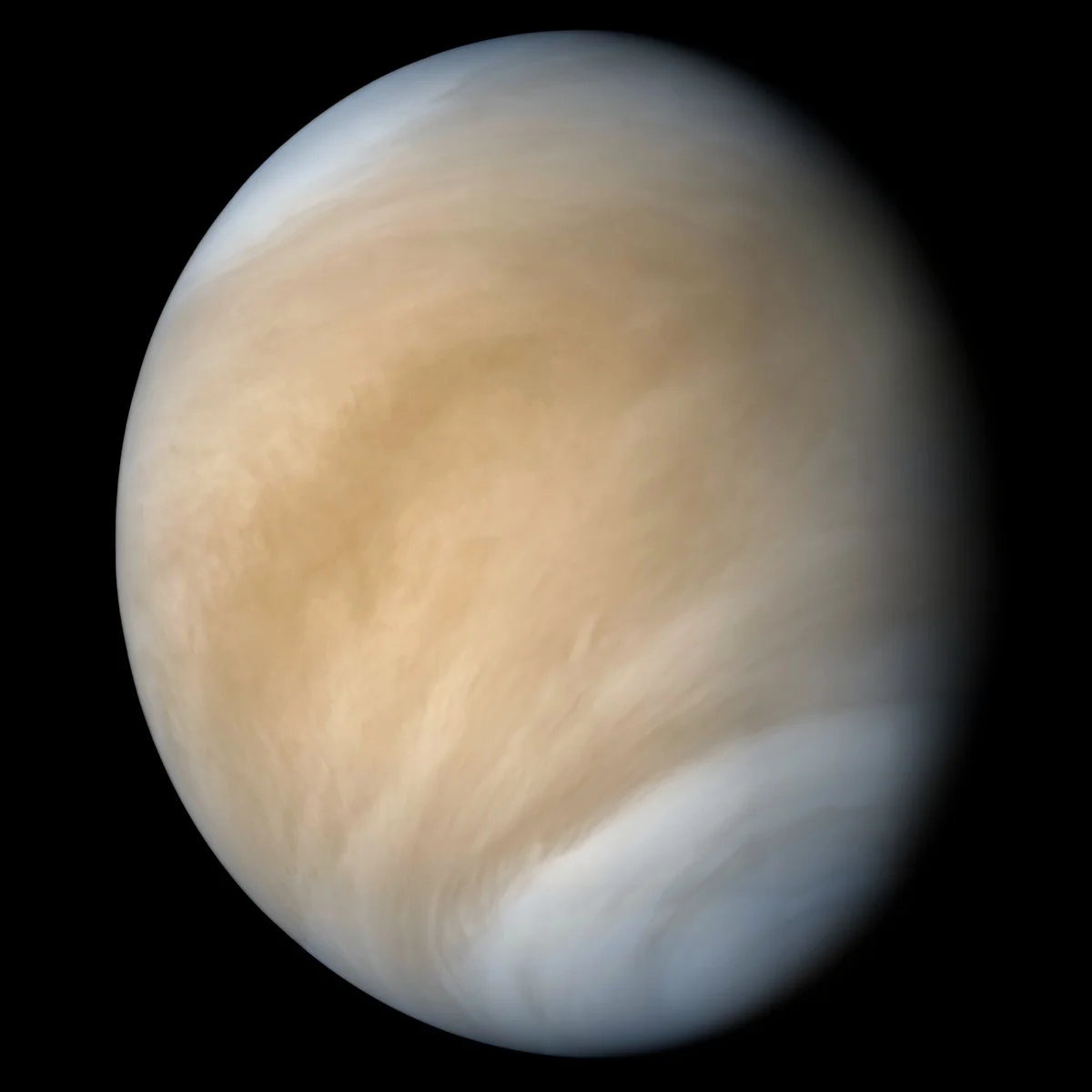
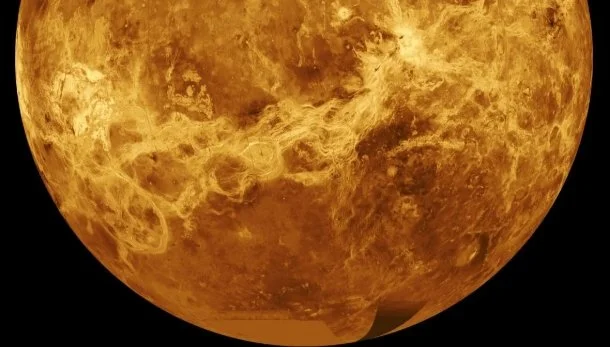
This article explores Venus, the second planet from the Sun, examining its physical characteristics and rich mythological significance.
A new study suggests that Venus, today a scorching and inhospitable world, may have once hosted oceans covering about 90% of its surface before being engulfed by a runaway greenhouse effect.
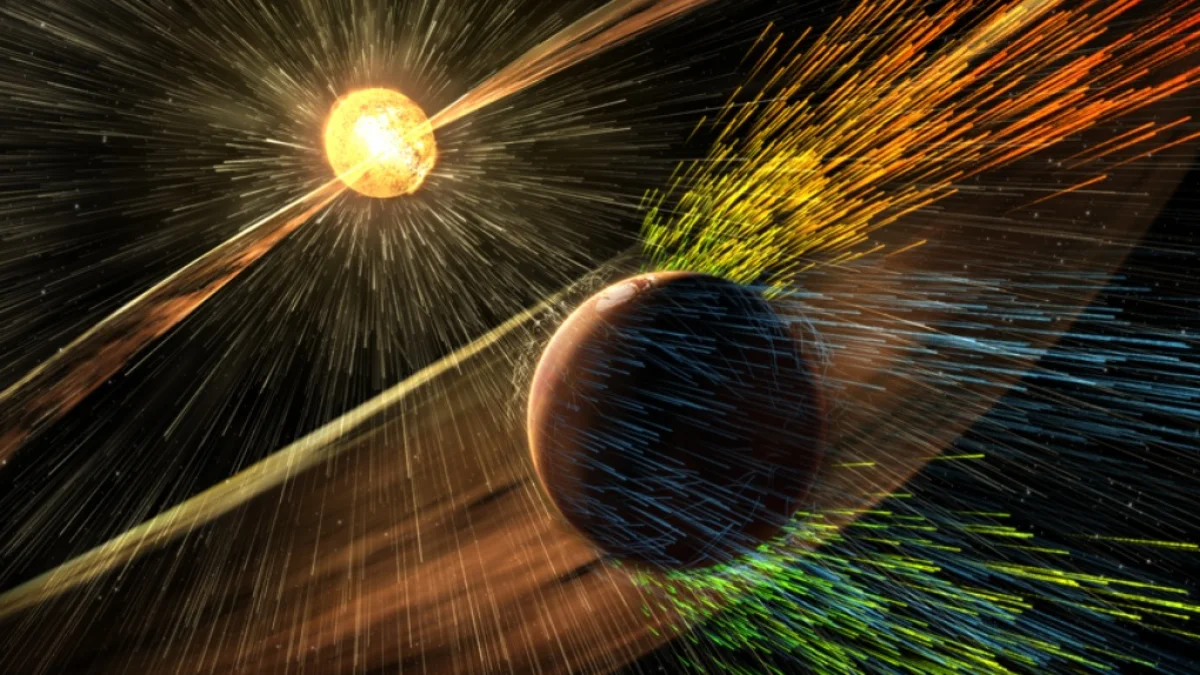
NASA's MAVEN mission reveals the mechanism behind Martian auroras, similar to Earth's Dungey cycle but on a smaller scale, due to the planet's crustal magnetic fields.
Venus is the second planet from the Sun and the third largest in the Solar System, named after the Roman goddess of love. It features a long day, a retrograde rotation, and extreme atmospheric conditions.
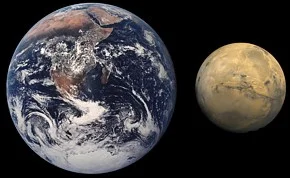
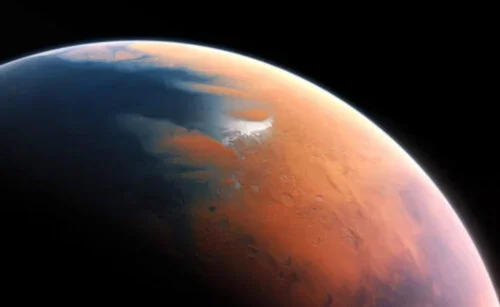
Mars, the fourth planet in our Solar System, known as the Red Planet, shares many characteristics with Earth. Explore its physical, orbital, and atmospheric properties.
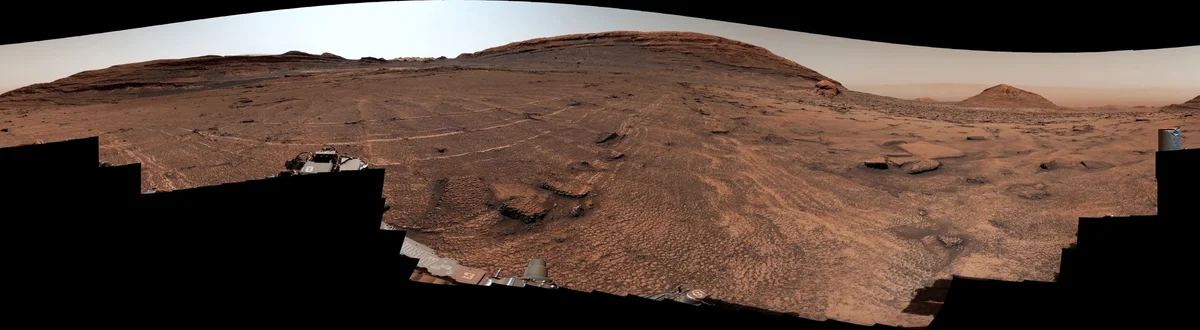
Curiosity rover discovers bee hive-like structures in Valle Grande on Mars, revealing potential insights into the planet's geological history.
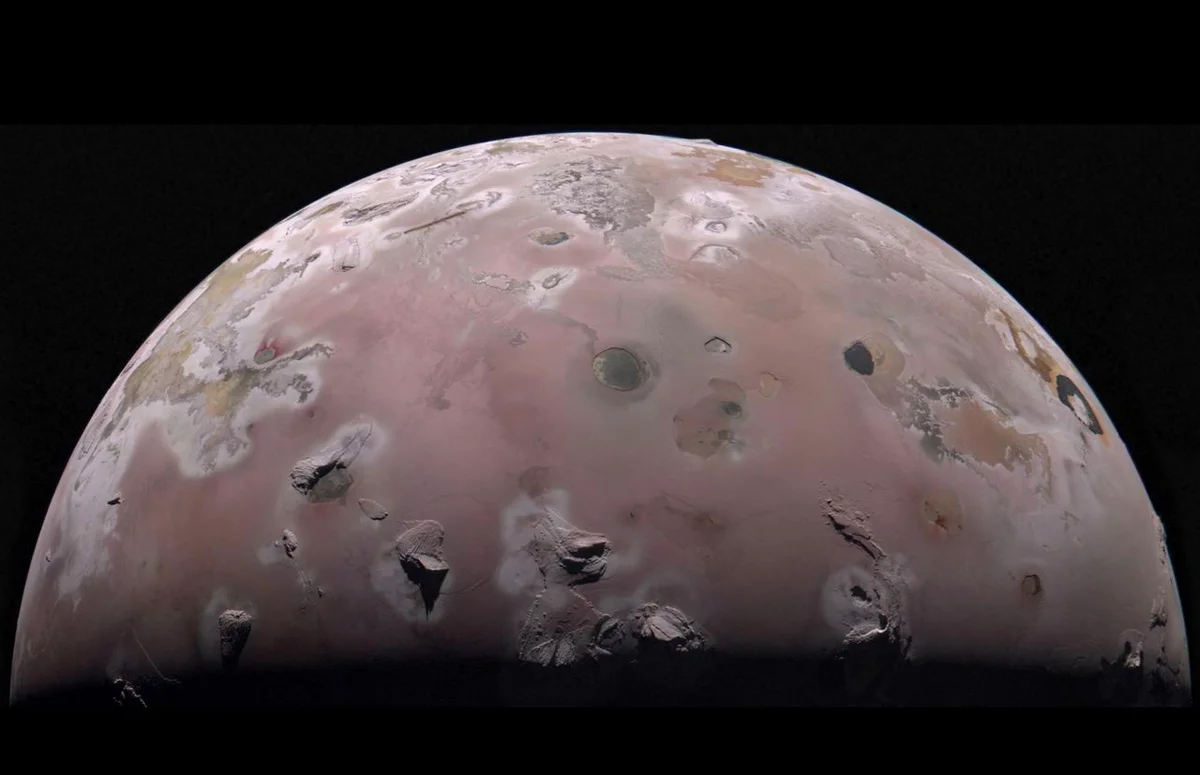
NASA's Juno mission has provided the first subsurface temperature measurements of Io, revealing significant heating and new insights into volcanic activity on the most volcanically active body in the solar system.
NASA has announced a discovery that could change our understanding of Mars, revealing potential signs of past life through new analyses from its rovers and orbiters.
Exploring Mars' geological history through a creative lens, imagining it as a dramatic television series filled with volcanic activity, ancient rivers, and cosmic impacts.