Exploring Venus: The Second Planet from the Sun
This article explores Venus, the second planet from the Sun, examining its physical characteristics and rich mythological significance.
In this article, we will delve into the fascinating characteristics of Venus, the second planet from the Sun, and explore its rich mythological background.
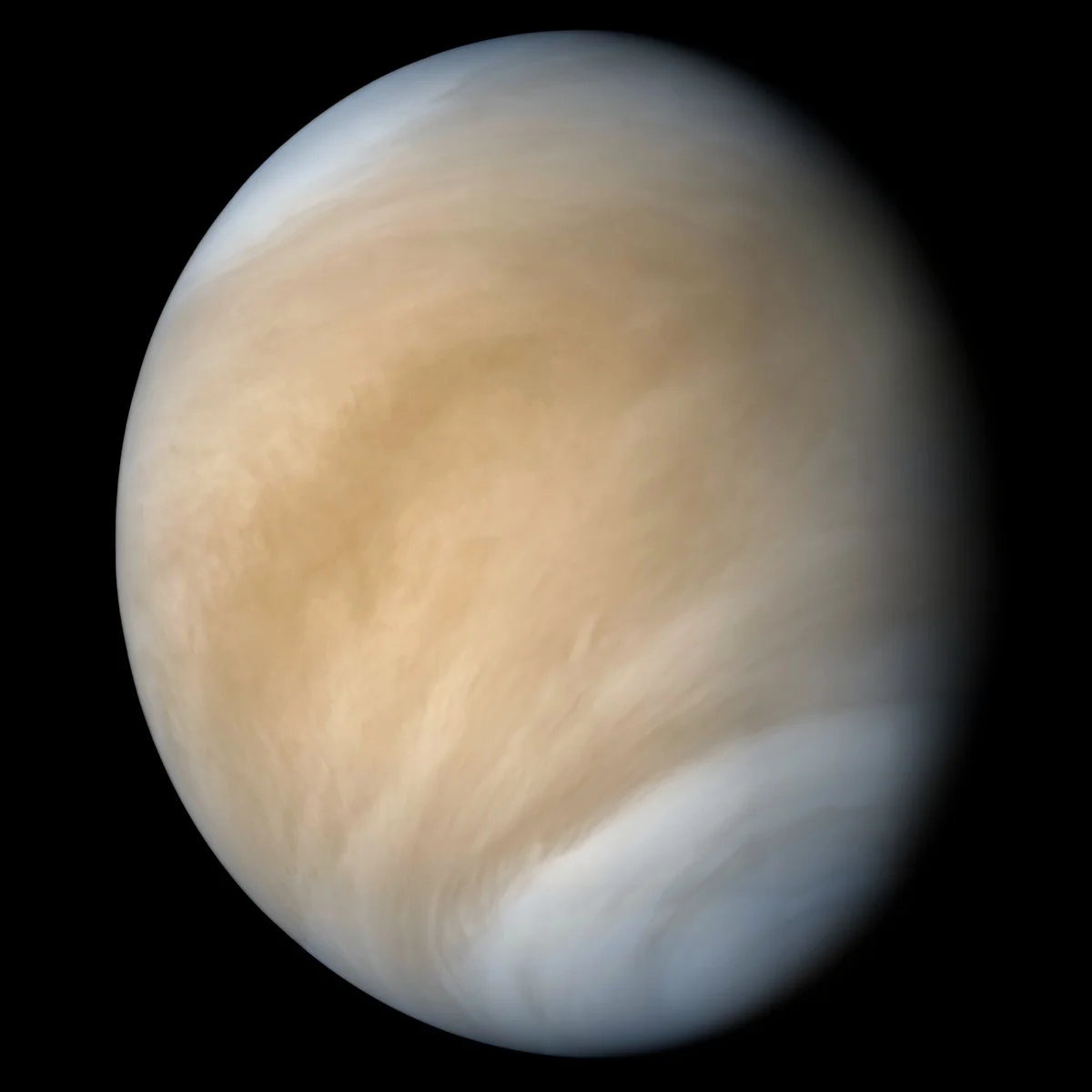
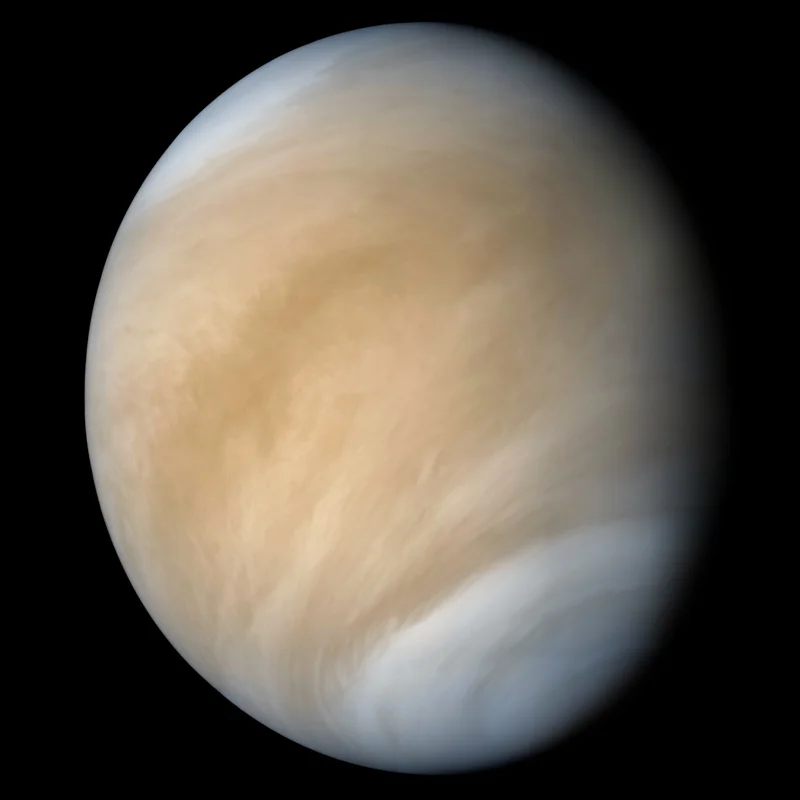
Venus ranks as the second planet in the Solar System in proximity to the Sun and is the third largest among the terrestrial planets. Named after the Roman goddess of love, Venus is often referred to as Earth's sister planet due to their similarities in size, mass, and composition. However, they differ significantly in thermal and atmospheric conditions. The atmospheric pressure on Venus is 94 times greater than that of Earth, making it the highest among rocky planets.
Interestingly, despite not being the closest planet to the Sun, Venus boasts the hottest atmosphere, primarily due to its dense cloud cover that traps solar heat. The surface temperature can reach approximately 464 °C, particularly in the lower regions near the equator, which is hotter than Mercury, even though Venus is more than double the distance from the Sun and receives only 25% of its solar radiation.
Additionally, Venus has the longest day of any planet in the Solar System, taking 243 Earth days to complete a rotation. Its rotation is also retrograde, meaning that the Sun rises in the west and sets in the east.
Mythological Significance
In Roman mythology, Venus was a significant deity associated with love, beauty, and fertility. She played a vital role in numerous religious festivals and myths. By the 3rd century BC, as Roman society became increasingly influenced by Greek culture, Venus was equated with the Greek goddess Aphrodite. This connection positioned Venus as the wife of Vulcan. Notably, the poet Virgil honored Augustus and the Julian family by portraying Venus as the protector of Rome, claiming that she was the ancestor of the Roman people through her legendary son Aeneas and grandson Iulus.