#solar system
Introduction to a new astronomy project starting at IES Alfonso XI for first-year Bachillerato B students.
A new event focused on introducing students to astronomy, organized by IES Alfonso XI for first-year Bachillerato B students.
IES Alfonso XI will host the Einstein Society for lectures on the history of astronomy and our Solar System.
Beginning our journey into astronomy at IES Alfonso XI with student projects on constellations.
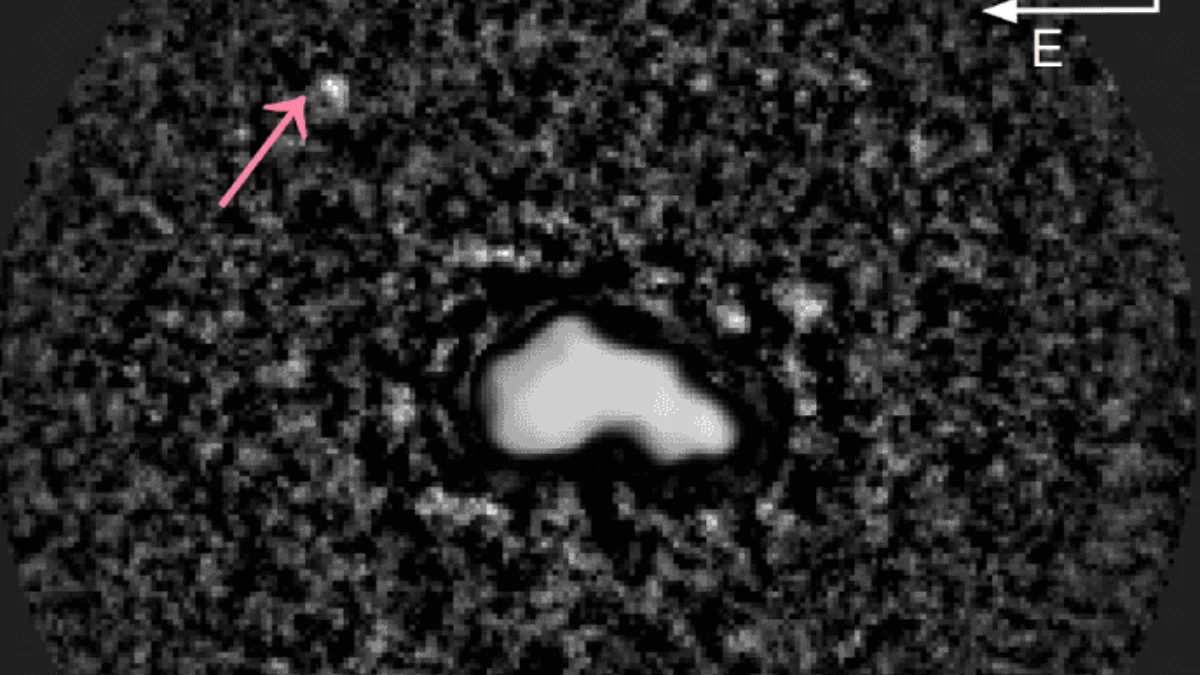
New high-resolution images of asteroid (44) Nysa reveal a potential three-lobed structure, a first in astronomical observations. A small moon discovered may help clarify its mystery.
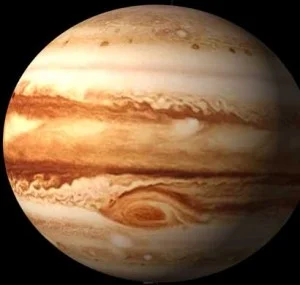
Jupiter is the largest planet in the Solar System, containing more mass than all other planets combined and featuring a complex atmosphere with storms, rings, and 16 moons.
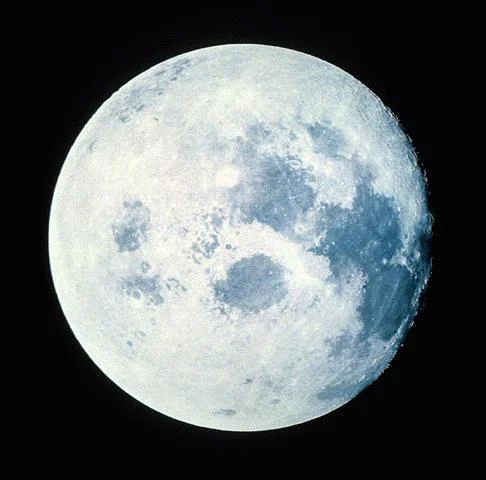
Explore the Moon, Earth's only natural satellite, its formation theories, surface features, and its impact on tides and timekeeping. Learn about its fascinating characteristics and phases.
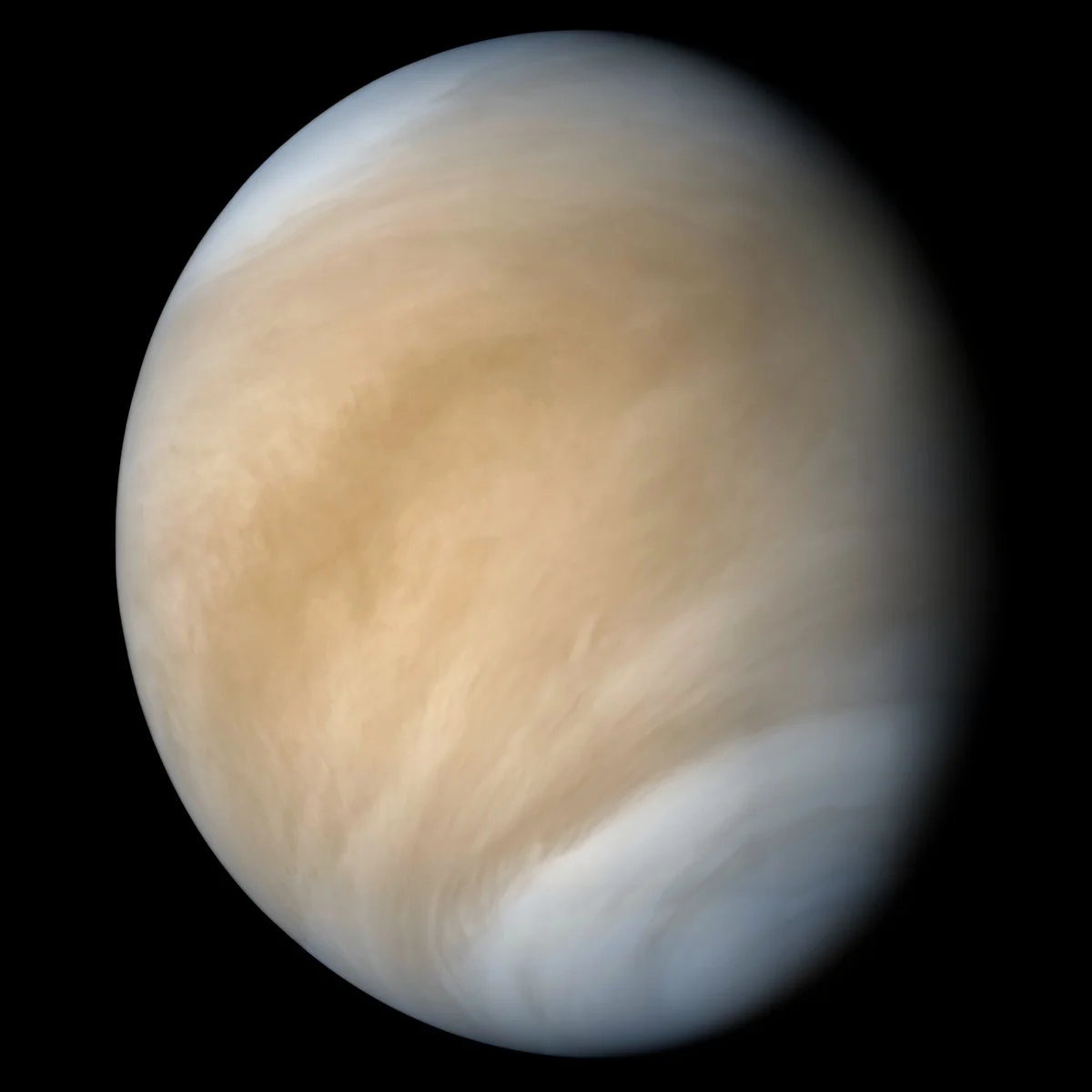
This article explores Venus, the second planet from the Sun, examining its physical characteristics and rich mythological significance.
Venus is the second planet from the Sun and the third largest in the Solar System, named after the Roman goddess of love. It features a long day, a retrograde rotation, and extreme atmospheric conditions.
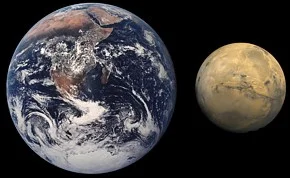
Mars, the fourth planet in our Solar System, known as the Red Planet, shares many characteristics with Earth. Explore its physical, orbital, and atmospheric properties.
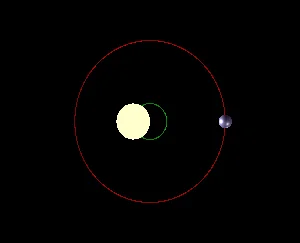
NASA explains that the barycenter between the Sun and Jupiter is located outside the Sun's surface, indicating that both bodies orbit an invisible point beyond our star.
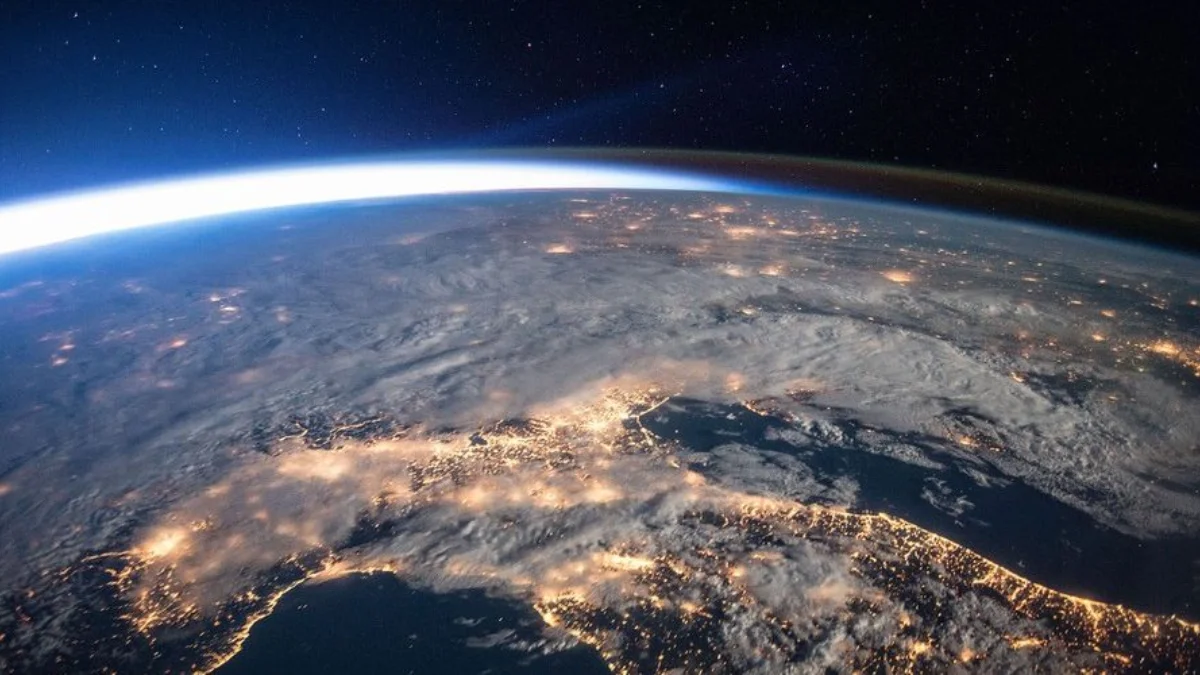
Discover the beauty of Earth from space with a stunning 4K video captured by the International Space Station, revealing our planet's fragility and splendor.