Exploring the Nuclei of Comets CG30, CG31, and CG38
Explore the fascinating nuclei of comets CG30, CG31, and CG38, and their implications for understanding the solar system's history.
Insights into Comet Nuclei
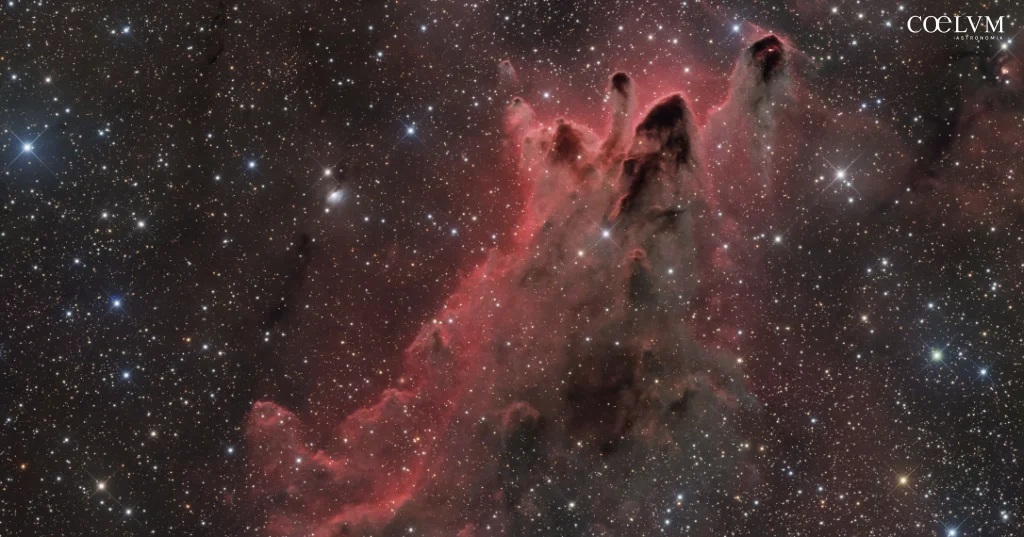
Recent studies have focused on the intriguing nuclei of three comets, designated CG30, CG31, and CG38. These celestial bodies provide valuable insights into the early solar system and the processes that shaped it. Understanding their composition and behavior can shed light on the conditions present during the formation of our planetary system.
Comet CG30
Comet CG30 has drawn attention due to its unique characteristics. Observations suggest that its nucleus is primarily composed of ice and dust, which are essential components for studying the origins of comets. Researchers are particularly interested in the volatile compounds that may be released as the comet approaches the Sun, potentially offering clues about the primordial materials that contributed to planetary formation.
Comet CG31
Similarly, CG31 presents an exciting opportunity for exploration. Its nucleus appears to have a varied surface texture, indicating a complex history of activity. The variations in surface composition could help scientists understand how different processes, such as outgassing and impacts, have shaped the comet over time. Future observations will aim to capture these dynamic changes as CG31 continues its journey through the solar system.
Comet CG38
Comet CG38 is also under scrutiny, with researchers eager to analyze its nucleus for signs of organic molecules and other compounds that may hint at the building blocks of life. The study of CG38 could provide essential data regarding the distribution of such materials in the early solar system and their potential role in the emergence of life on Earth.
Conclusion
As scientists continue to investigate these comets, the data gathered will enhance our understanding of the solar system's history and the processes that govern cometary behavior. The exploration of CG30, CG31, and CG38 not only enriches our knowledge of these specific comets but also contributes to the broader field of planetary science.