SpaceX's Falcon 9 Booster B1067 Achieves Record 36th Flight
On July 9, 2026, SpaceX's Falcon 9 booster B1067 achieved a historic 36th flight, setting a new record for the company. This mission deployed 29 Starlink satellites, showcasing SpaceX's rapid pace in satellite launches.
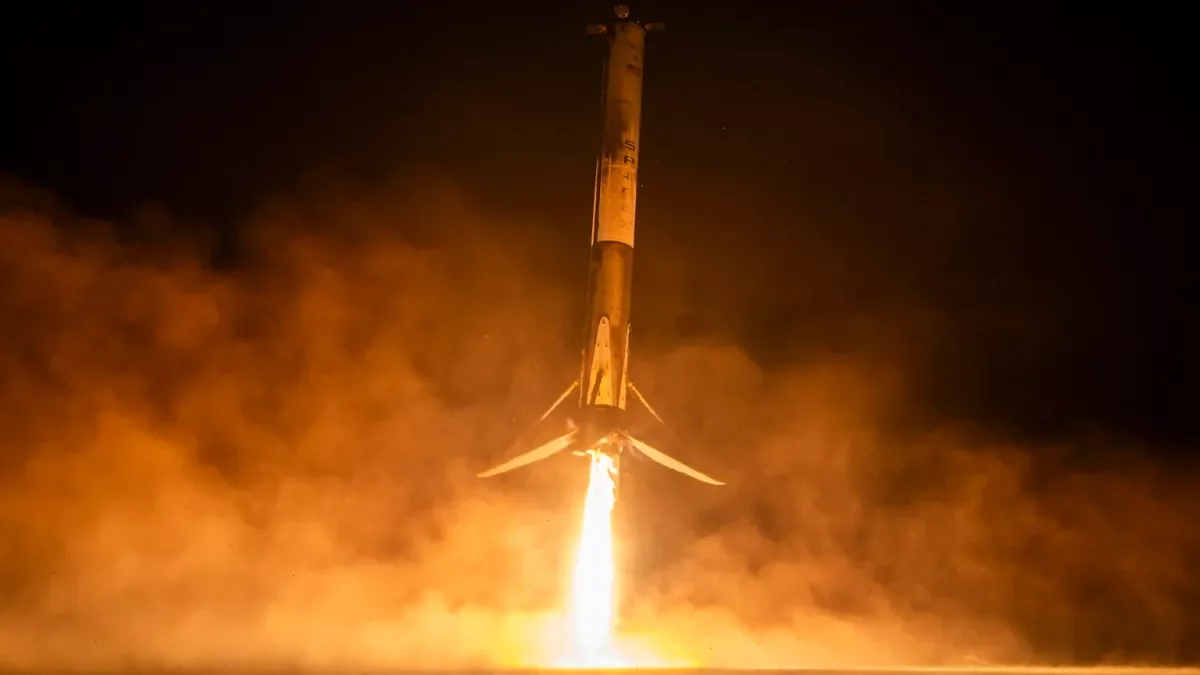
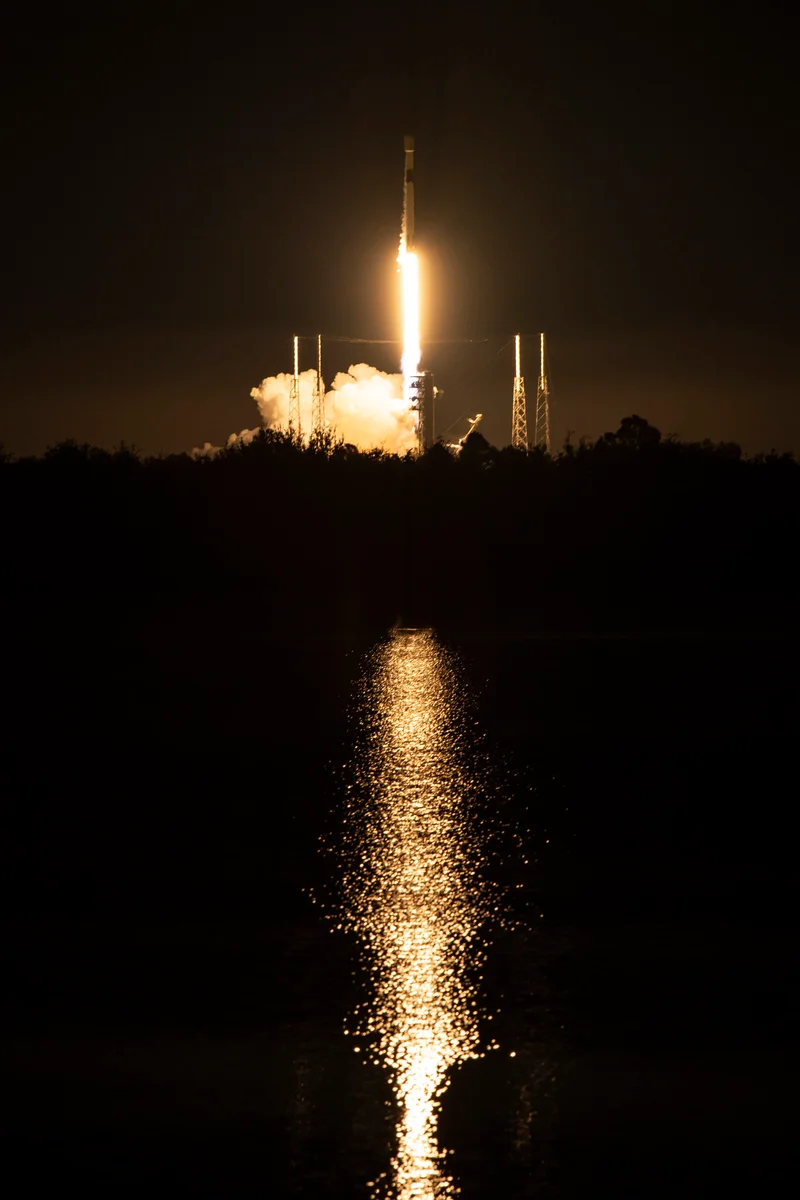
On July 9, 2026, SpaceX's B1067 booster reached a remarkable milestone by completing its 36th orbital flight, setting a new record for the California-based aerospace company. The Starlink 10-42 mission launched from Cape Canaveral at 5:25 AM EDT, successfully deploying 29 V2 Mini Optimized satellites. This achievement surpasses the previous record of 35 flights held by the same booster, which was set on June 8.
The B1067 booster previously achieved its 35th orbital mission on June 8, 2026, establishing a new benchmark for SpaceX rockets. This first stage of the Falcon 9 continues to break barriers in reusable flight technology. Following liftoff, the upper stage deployed the satellites into low Earth orbit 63.5 minutes after launch, while the B1067 successfully landed on the drone ship A Shortfall of Gravitas in the Atlantic Ocean approximately 8.5 minutes post-launch. This 36th flight marks a significant triumph for SpaceX's total reusability strategy.
As of now, the overall record for space reuse is held by NASA's Discovery shuttle, which completed 39 missions during its operational lifetime. However, the B1067 is now just three missions shy of that figure. SpaceX has certified its Falcon 9 boosters for up to 40 flights, as several have already achieved 20 missions, indicating potential for even more.
How Does Falcon 9 Booster Recovery Work?
After propelling the second stage and its payload, the Falcon 9's first stage reignites its Merlin engines to slow its descent through the atmosphere. It deploys guiding fins and executes a precise vertical landing, either on an autonomous barge at sea or on a ground platform near the launch site. This technical feat allows for the recovery of approximately 60% of the rocket's manufacturing cost.
The July 9 flight marked the 80th Falcon 9 mission of 2026, an unprecedented launch frequency for SpaceX. At this pace, the company is on track to conduct over 150 Falcon 9 missions by December. Around 80% of these flights in 2026 have been dedicated to Starlink, SpaceX's satellite internet service.
An Unprecedented Orbital Launch Schedule for Falcon 9
As of July 7, SpaceX had completed 80 launches of the Falcon family in 2026 (79 Falcon 9 and 1 Falcon Heavy). SpaceX President Gwynne Shotwell mentioned in Time magazine that they anticipate achieving "maybe 140, 145-ish" Falcon 9 launches this year, although current numbers suggest they may exceed that total. By July 7, 2026, Falcon 9 rockets had been launched 673 times, with 670 successful missions.
Booster: B1067 (36th flight) Mission: Starlink 10-42 Launch Date: July 9, 2026, 5:25 AM EDT Launch Site: Space Launch Complex 40, Cape Canaveral Payload: 29 Starlink V2 Mini Optimized satellites Landing: Drone ship A Shortfall of Gravitas, Atlantic Time Before Deployment: 63.5 minutes
Competitors Remain Far Behind
While United Launch Alliance's Vulcan Centaur is designed for partial reuse and Blue Origin's New Glenn successfully landed during its inaugural flight, no competitor has matched the operational pace or number of flights per booster achieved by SpaceX with the Falcon 9. The European Ariane 6, in contrast, remains entirely expendable.
A booster achieving 36 successful flights validates the concept of reusability and provides foundational data for SpaceX as it ramps up development of the Starship, where rapid and complete reusability is central to the mission. SpaceX has not publicly set a maximum flight goal for its boosters, leaving the question open: how far can the B1067 go?
Starlink Powers the SpaceX Machine
The Starlink 10-42 mission added 29 broadband internet satellites to the company's low Earth orbit constellation. SpaceX currently operates over 10,700 Starlink satellites in orbit, with each launch bringing the company closer to achieving dense global coverage. The V2 Mini Optimized generation offers improved throughput compared to earlier variants, and each batch moves SpaceX closer to complete global coverage. With missions launched at this pace, the Starlink constellation is expanding faster than any commercial satellite network in history.
The Technical Limit Remains Unknown
No official source from SpaceX has publicly set a cap for the number of flights a booster can achieve. While Block 5 boosters are certified for 40 missions, practical experience shows that initial safety margins were more robust than anticipated. Each additional flight provides new data on structural fatigue, engine wear, and thermal shield degradation.
The Record-Setting B1067 Continues to Make History
As a Guinness World Record holder, the B1067 is the current leader of SpaceX's fleet. The 36th flight on July 9 extends an impressive series that began with its early missions. This landing also marks the 160th for the drone ship A Shortfall of Gravitas and the 635th booster landing overall for SpaceX. The B1067 has now flown more than any other Falcon 9 first stage in the fleet, solidifying its status as the workhorse of the reusable space age.