#astronomy
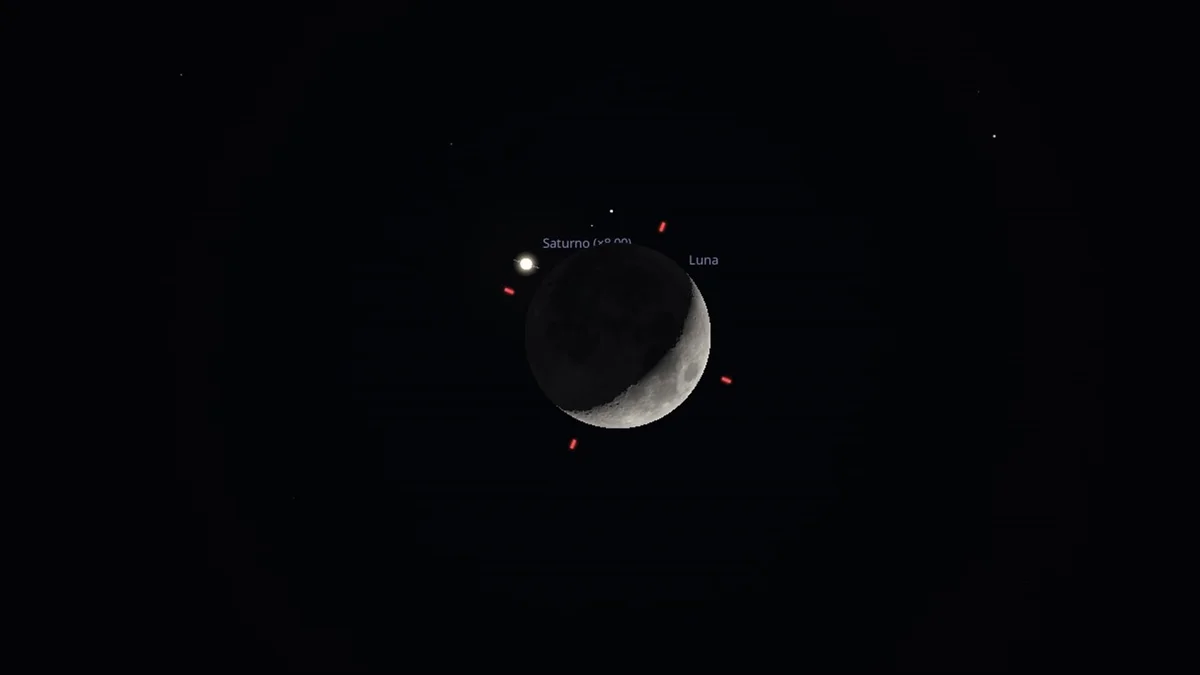
On January 4, 2025, Saturn will be occulted by the Moon, a noteworthy astronomical event visible across most of Italy, with specific timings for major cities.
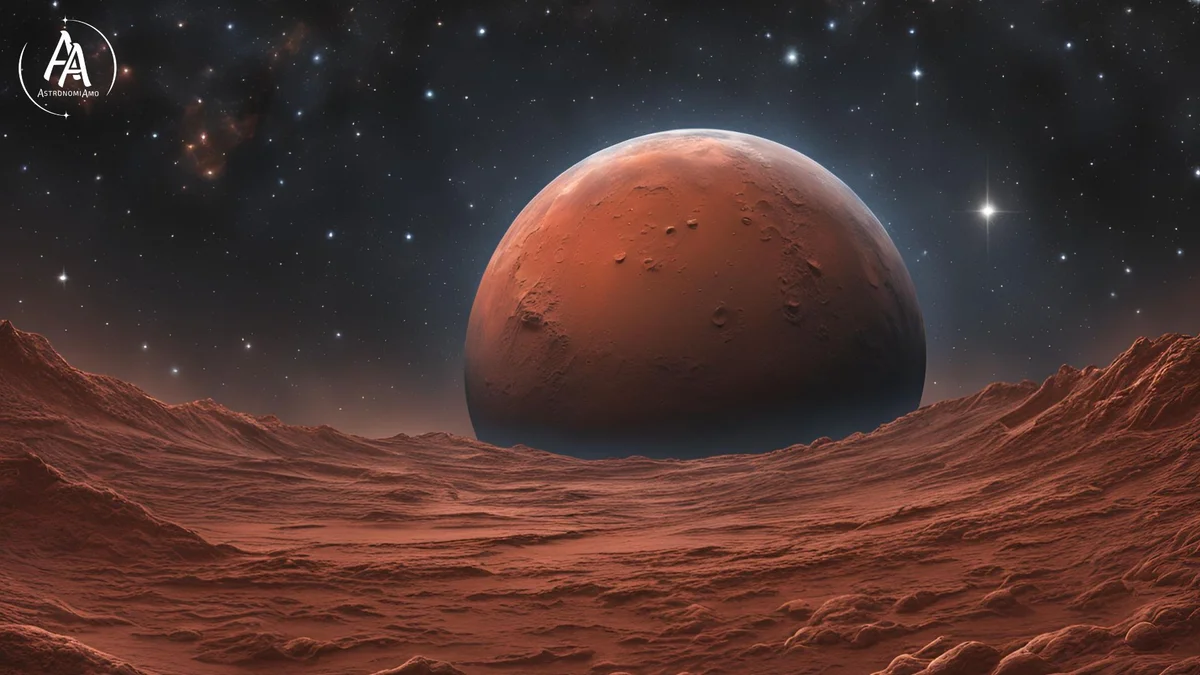
On January 16, 2025, Mars will reach heliacal opposition, providing a significant opportunity for stargazers to observe the Red Planet as it shines brightly in the night sky.
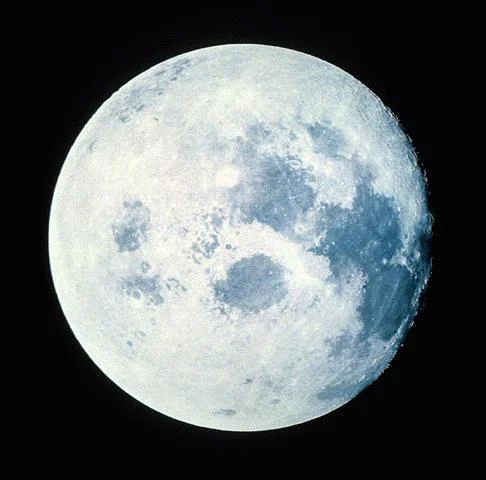
The Moon is Earth's only satellite and a key body in our Solar System, observable in detail. This article explores its characteristics, formation theories, and influence on tides.
Explore the Moon, Earth's only natural satellite, its formation theories, surface features, and its impact on tides and timekeeping. Learn about its fascinating characteristics and phases.
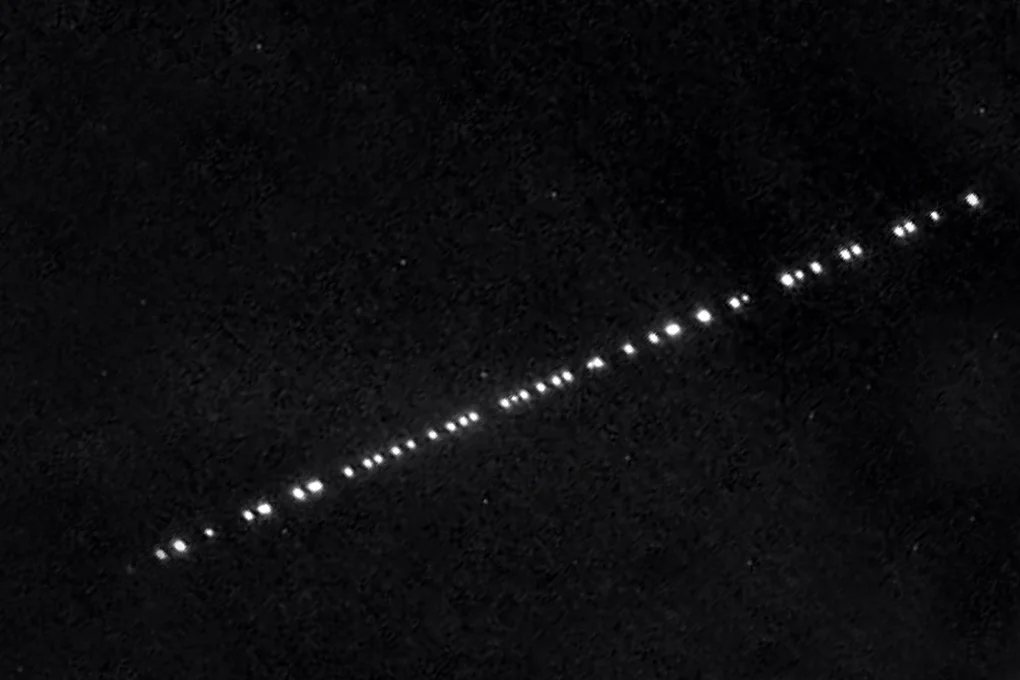
Learn how to spot SpaceX's Starlink satellites in the night sky and discover their predicted passes with helpful maps.
The detection of helium reveals an atmosphere around LHS 1140 b, a rocky exoplanet in the habitable zone, providing new insights into its potential for retaining gaseous envelopes.
The VLT detects a periodic signal around brown dwarf CD-35 2722 B, suggesting a planetary-mass companion that could represent the first exomoon candidate.
The discovery of Beta Pictoris d, a hidden planet, was made using the VLT and archival images, revealing new insights into the Beta Pictoris system.
On January 19, 2025, Venus and Saturn will meet in a spectacular conjunction. Discover what planetary conjunctions are, how to observe this event, and tips for astronomical photography.
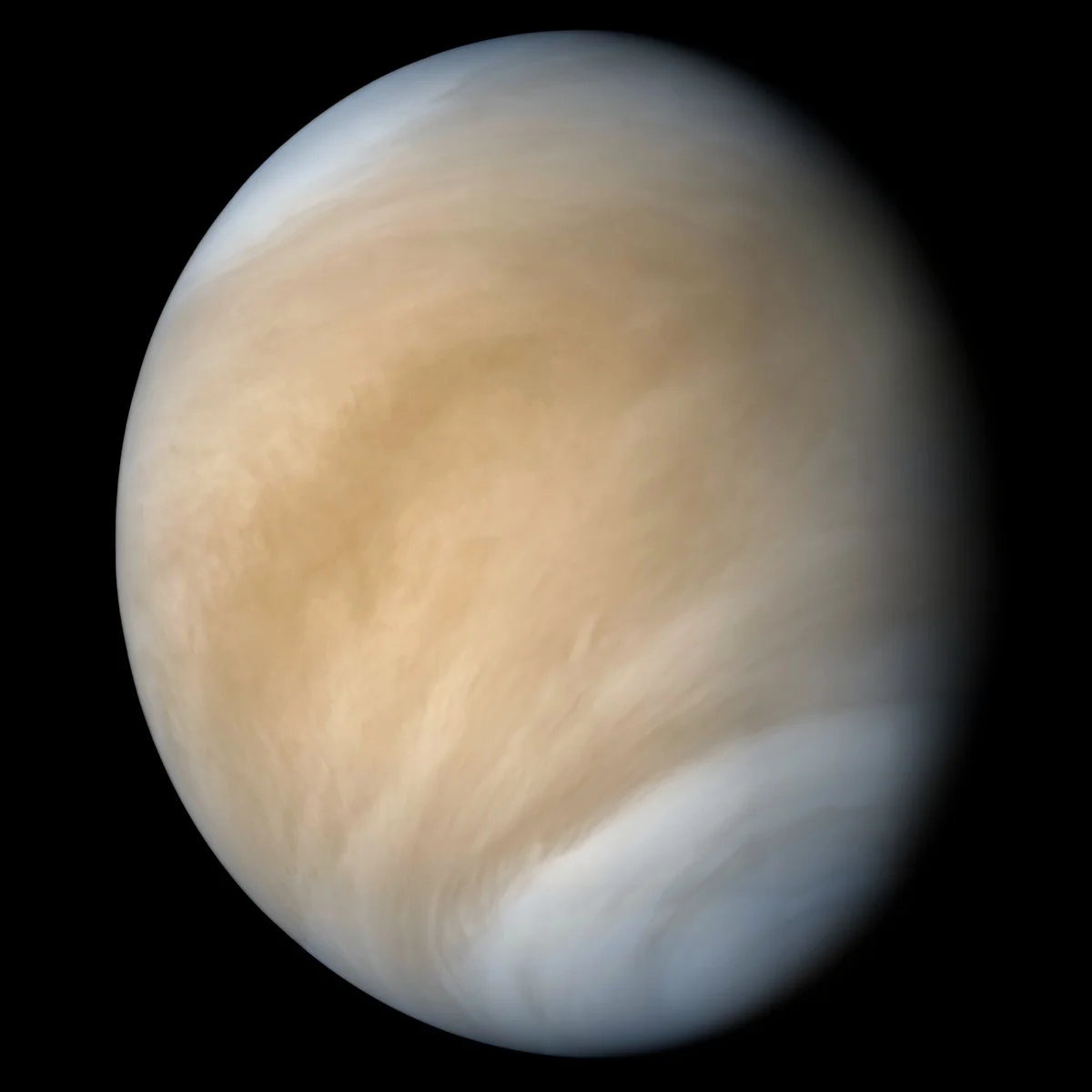
This article explores Venus, the second planet from the Sun, examining its physical characteristics and rich mythological significance.
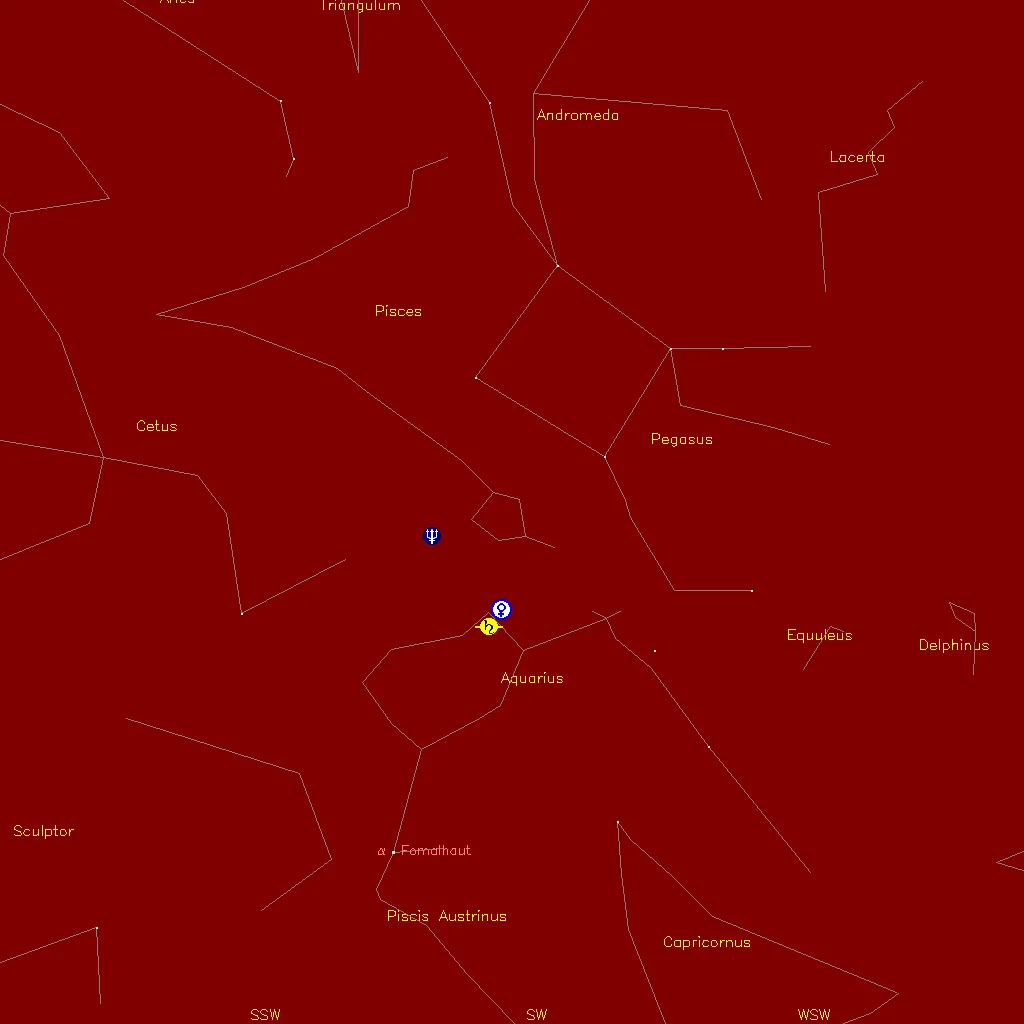
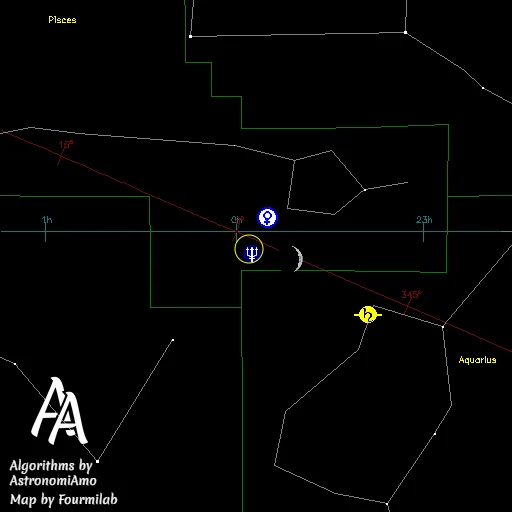
On February 1, 2025, a spectacular multiple conjunction of celestial bodies will be visible shortly after sunset, featuring the Moon, Venus, Saturn, and Neptune.
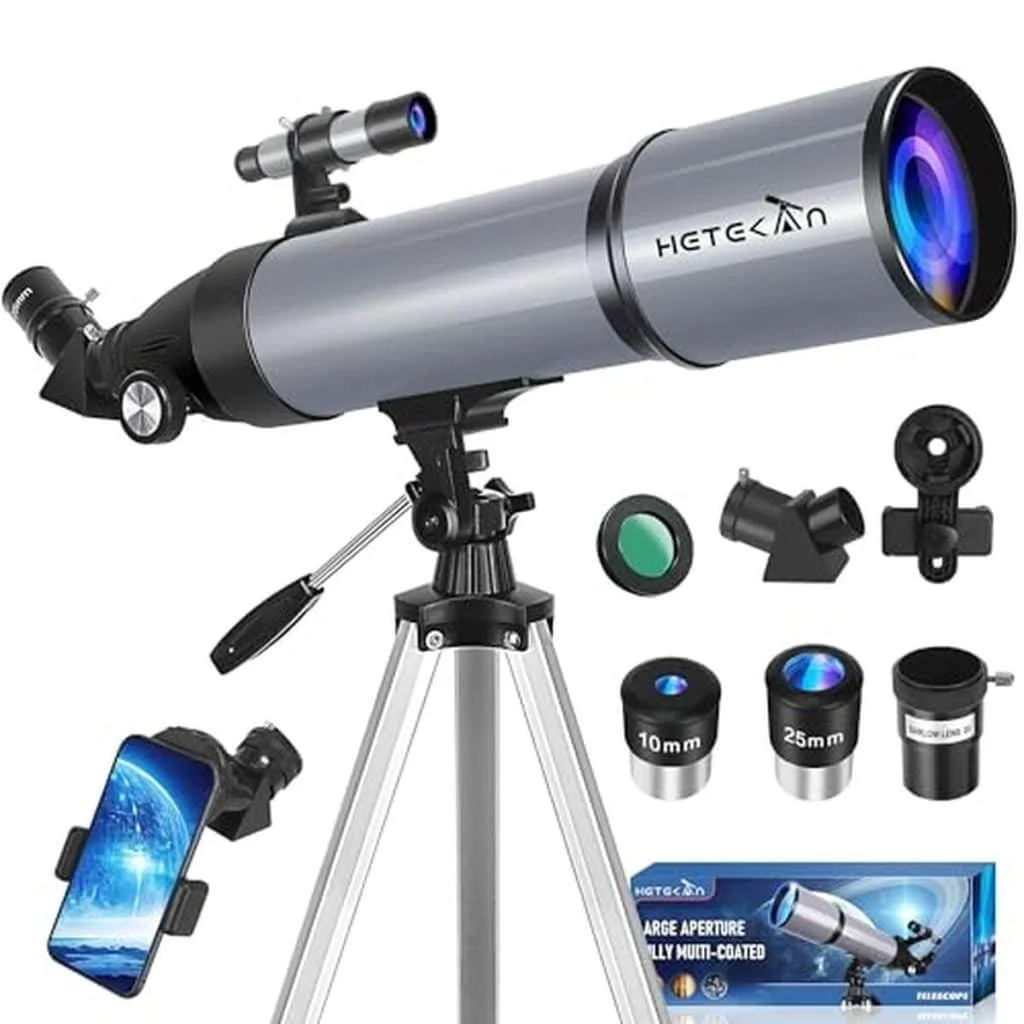
Explore the features and performance of the Hetekan 80/600mm telescope, a portable option for astronomy enthusiasts. Ideal for beginners and families.