#astronomy
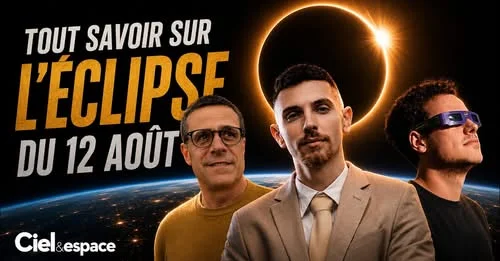
As the solar eclipse on August 12, 2026, draws near, Astronophilos hosts a live web event with Ciel & Espace, preparing for the event and sharing extraordinary eclipse stories.
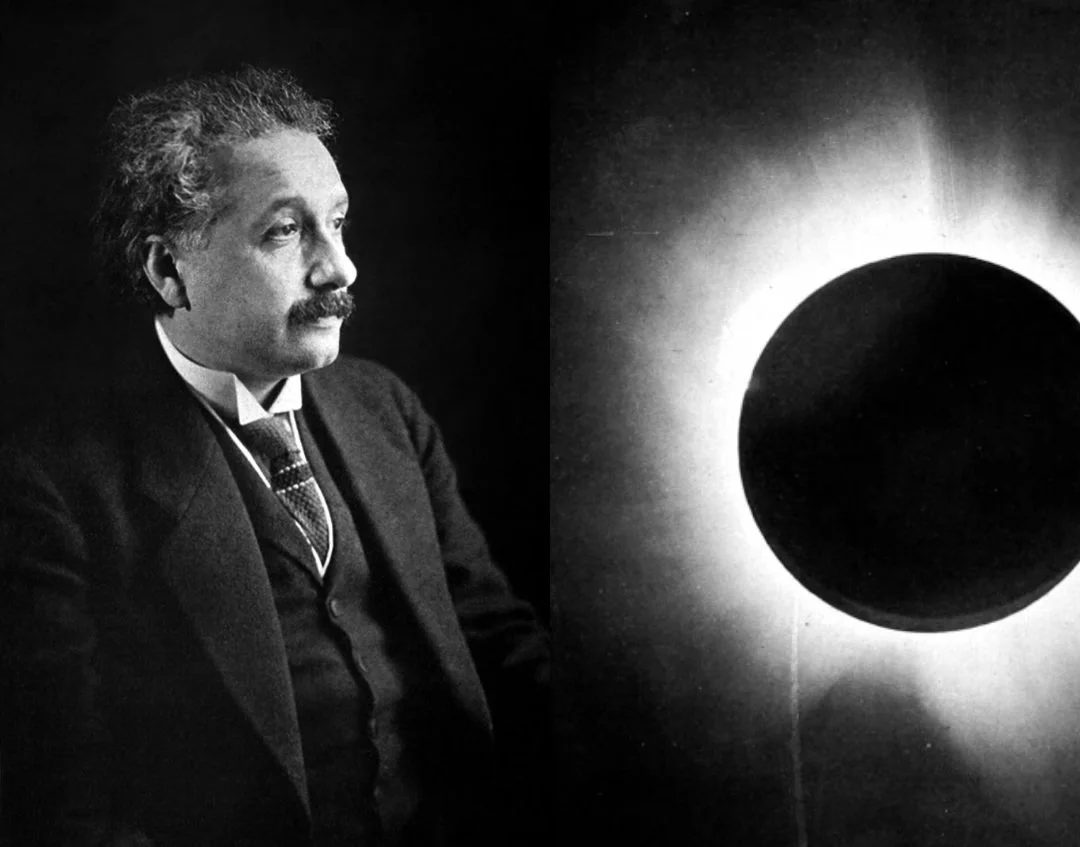
In 1919, two expeditions in a remote African island and Brazil confirmed Einstein's relativity by observing a spectacular event: a total solar eclipse.
Exploring the ancient saga of war, flight, and displacement through mythological narratives and their relevance in today's world.
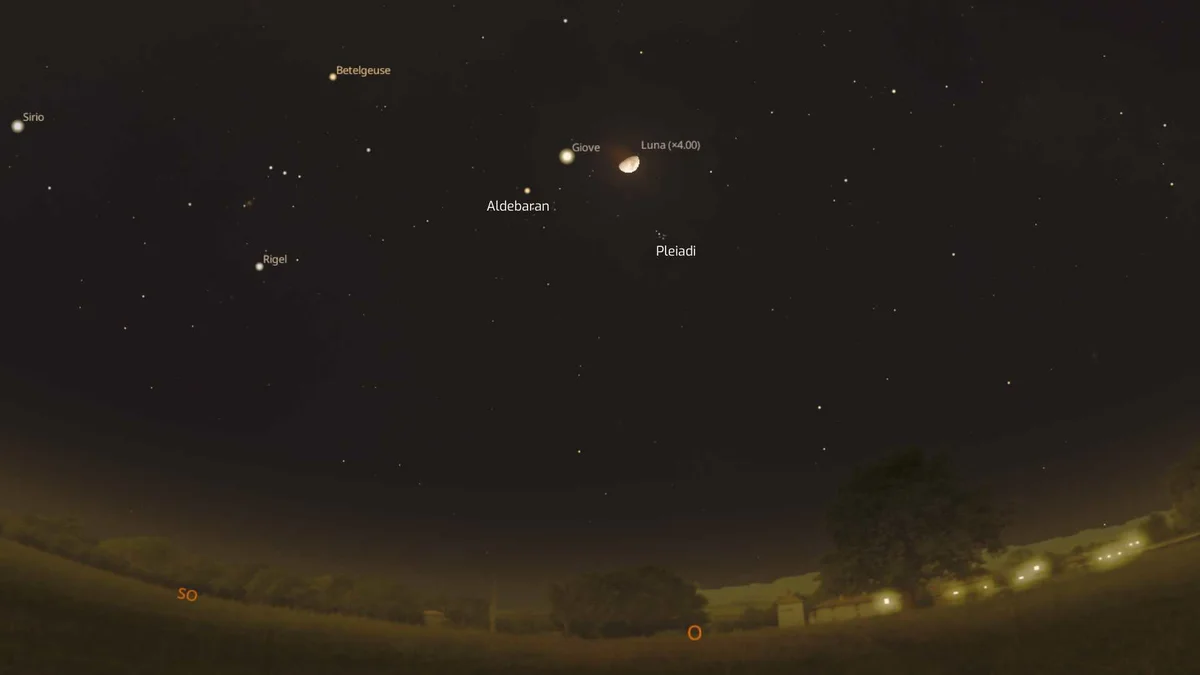
On the night of February 6-7, 2025, skywatchers can witness a spectacular conjunction of the Moon, Jupiter, Pleiades, and Aldebaran, an easily observable event with the naked eye.
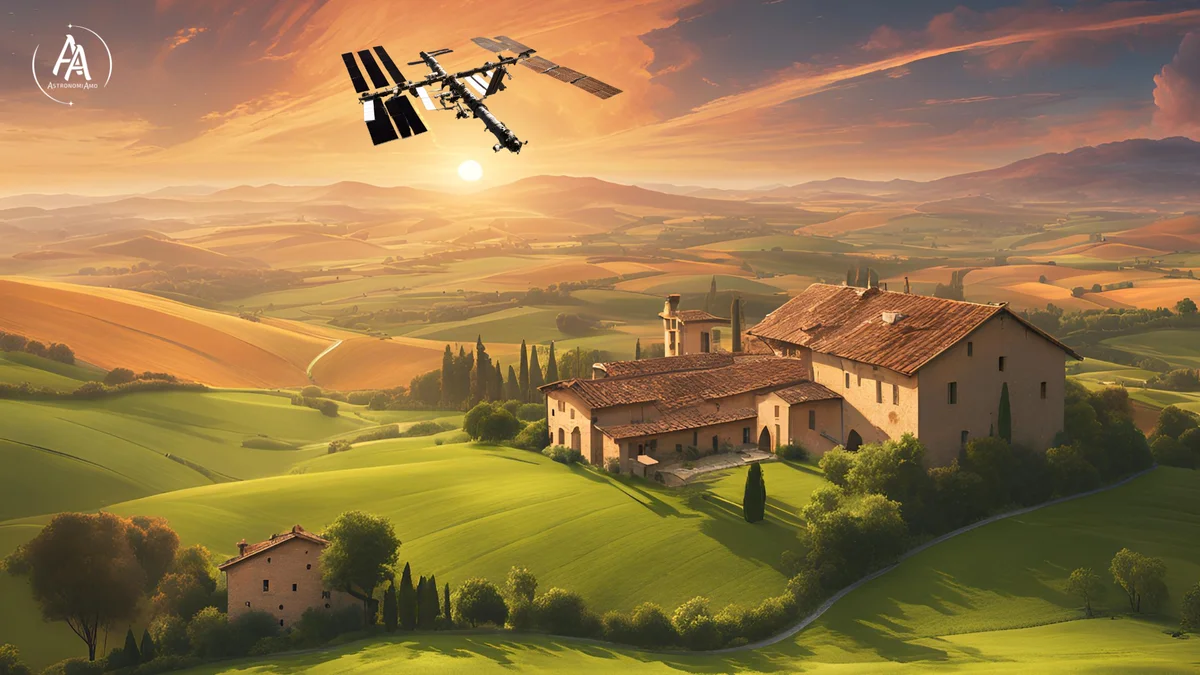
The visible passes of the International Space Station (ISS) offer spectacular views that can be seen with the naked eye. Learn about the upcoming pass on January 31, 2025.
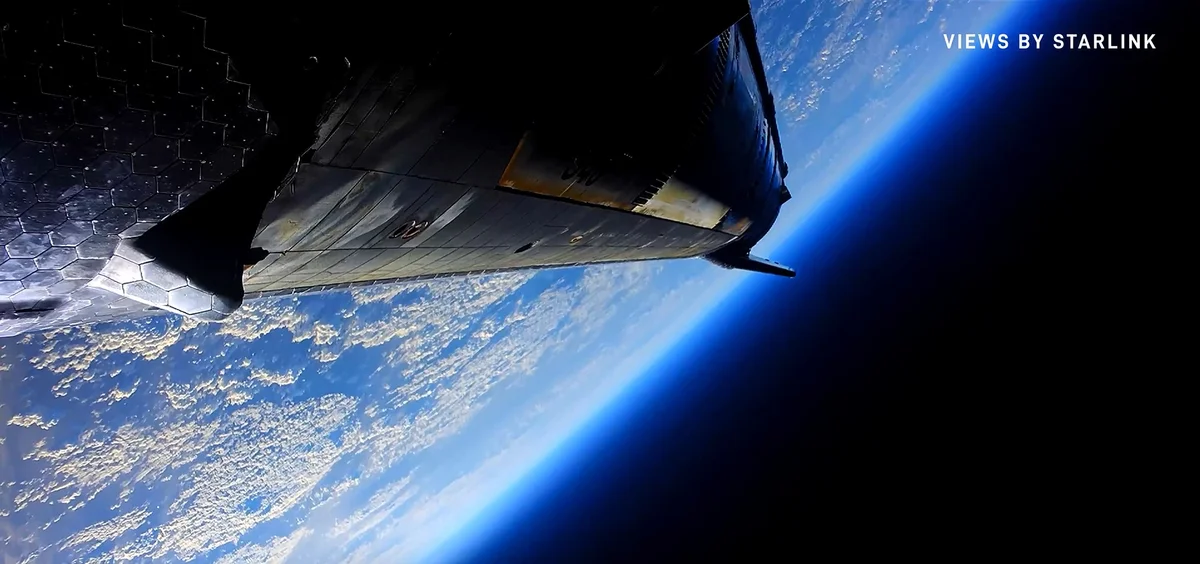
During its 13th test flight, the Starship successfully deployed 20 operational Starlink version 3 satellites into space, although the first stage of the rocket failed to return to Earth.
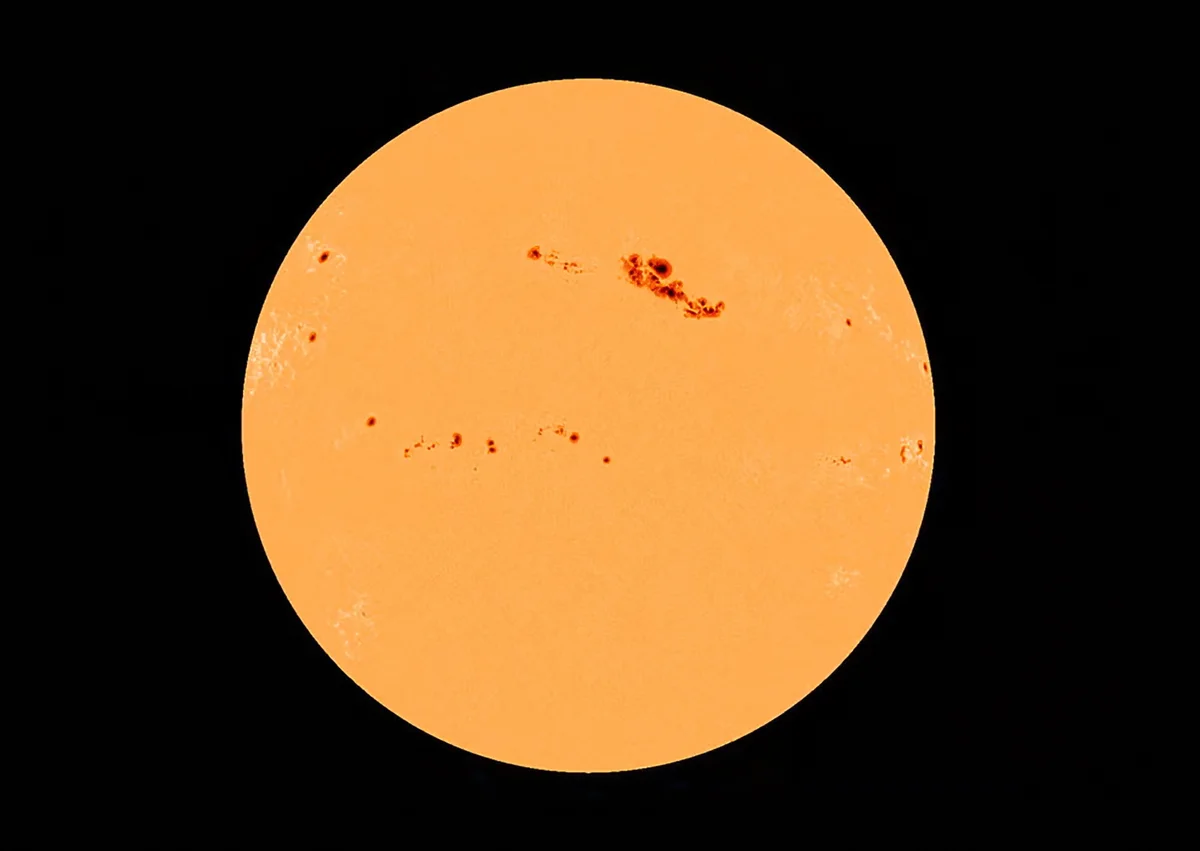
Discover how to observe sunspots using eclipse glasses, a method that allows for safe viewing of solar activity beyond just eclipses.
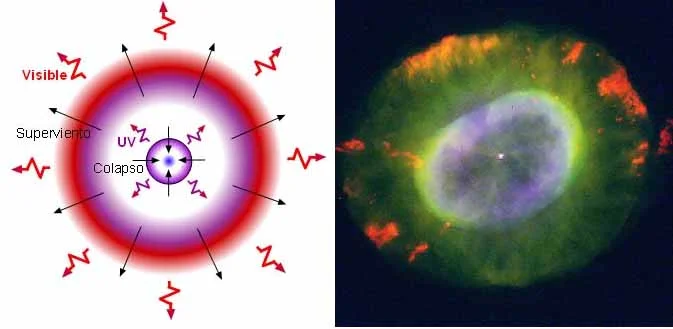
A white dwarf is a stellar remnant formed when a star with less than 9-10 solar masses exhausts its nuclear fuel, marking a crucial stage in stellar evolution.
A team of astrophysicists has measured a supermassive black hole in a Little Red Dot, revealing insights into its formation just 700 million years after the Big Bang.
Discover the constellation Cepheus, symbolizing the Ethiopian king, and learn about its notable stars, including Alderamin and Alfrik.
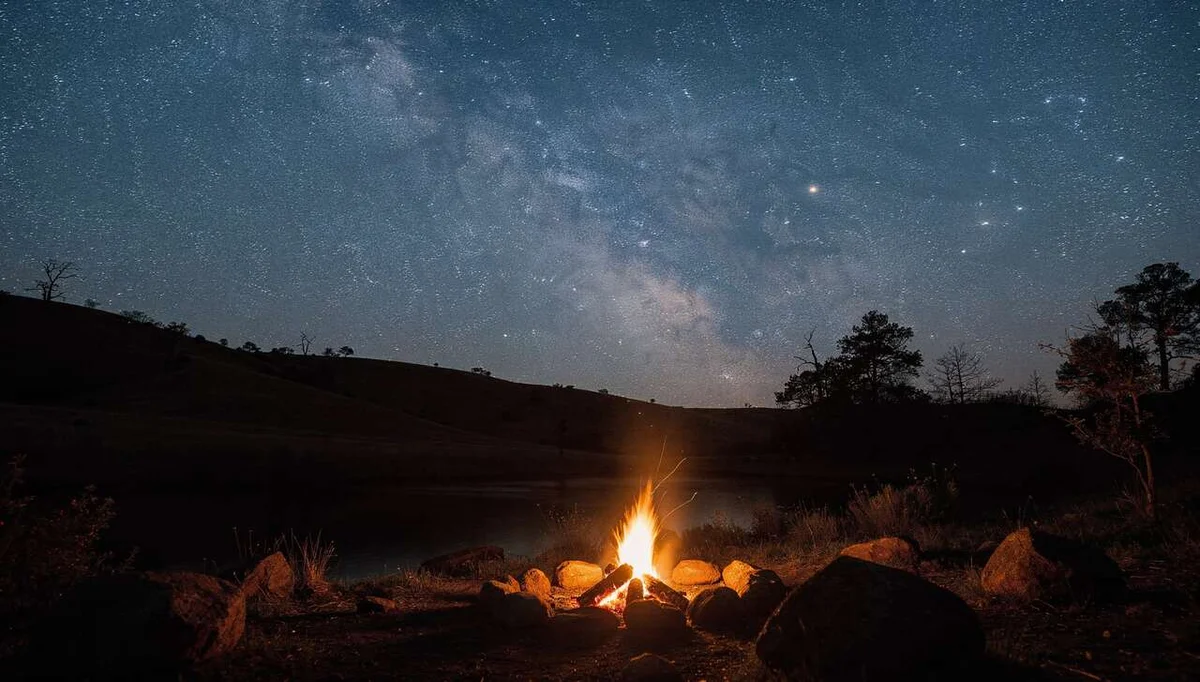
Prepare for the Nights of Stars, an annual event celebrating celestial observation from August 7 to 9, featuring activities, meteor showers, and educational opportunities.
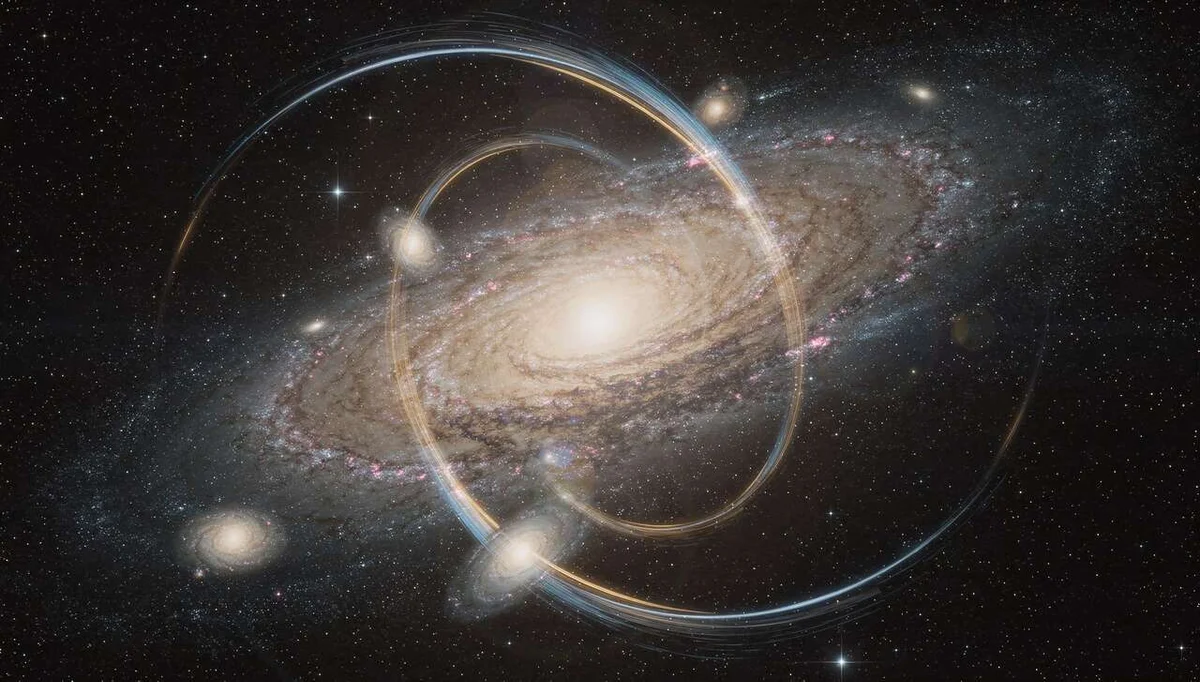
Discover how gravitational lensing reveals the mysteries of massive stars and contributes to our understanding of the universe through advanced astronomical techniques.