Exploring the future of space exploration, including Mars missions, the Artemis program, and advancements in technology such as the James Webb Space Telescope.
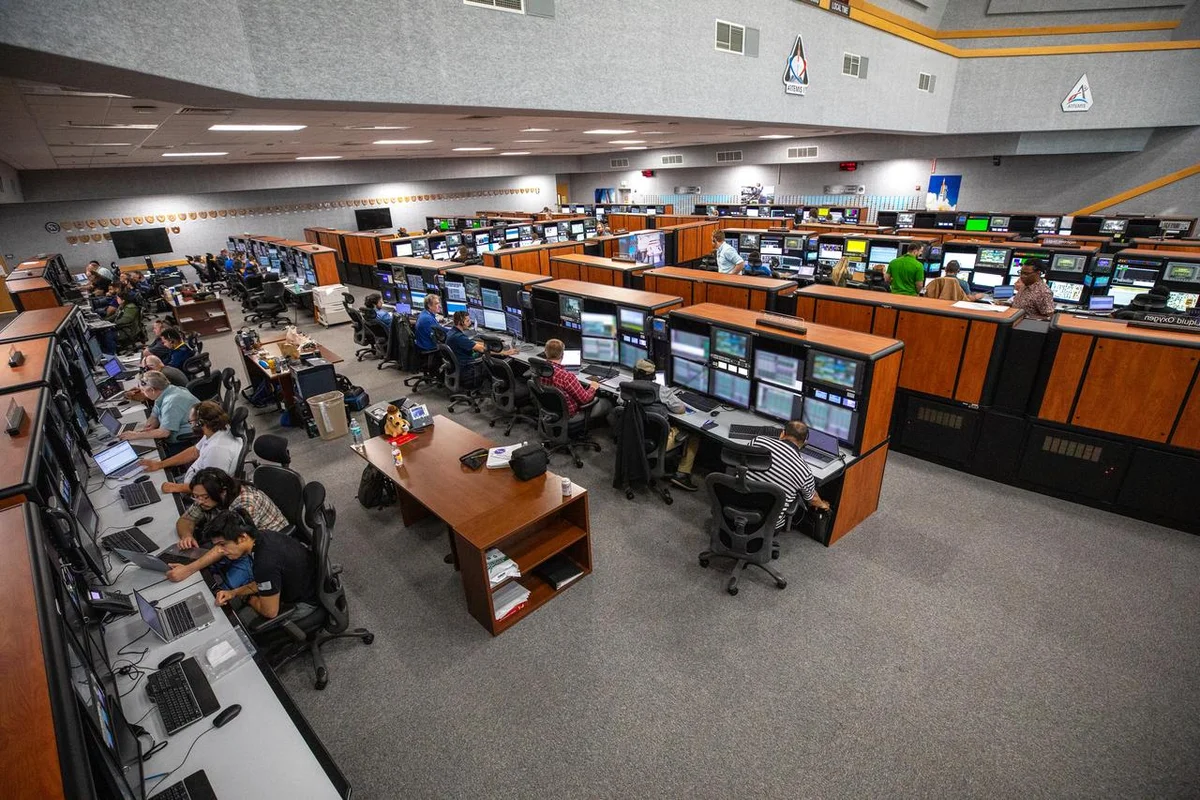
The Artemis II mission marks a significant milestone in humanity's return to the Moon, allowing individuals to upload their names for a symbolic journey into space.
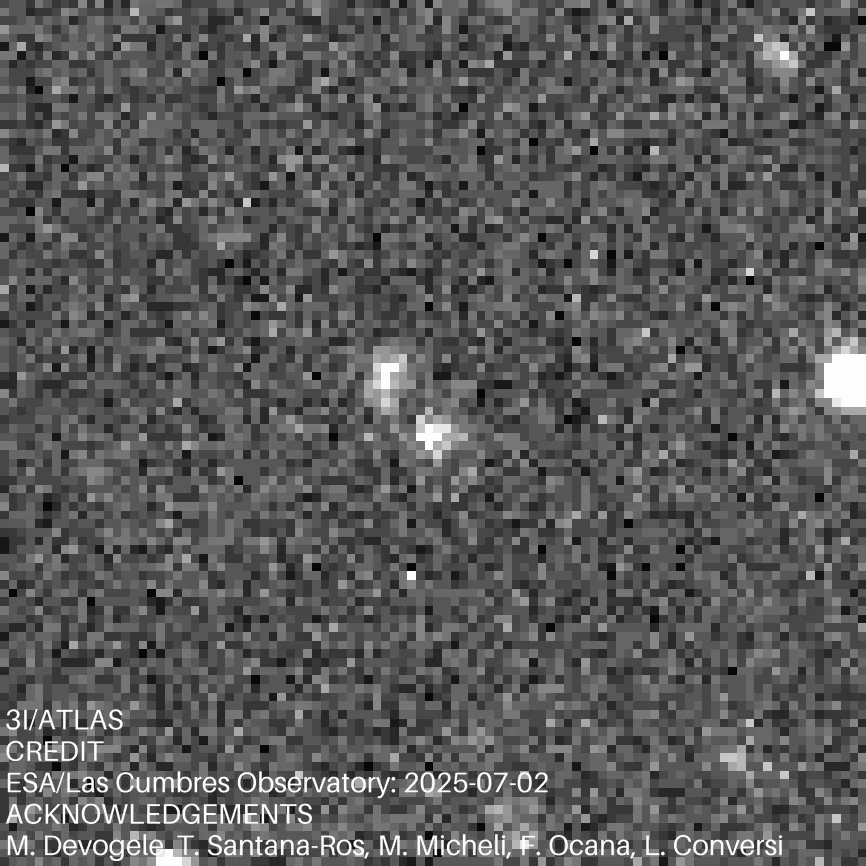
The interstellar comet 3I/ATLAS, discovered on July 1, 2025, is the third interstellar object observed in the Solar System. This article compiles key images and insights from various telescopes.
An engaging account of a night spent stargazing, detailing observations of various celestial objects and the use of different equipment.
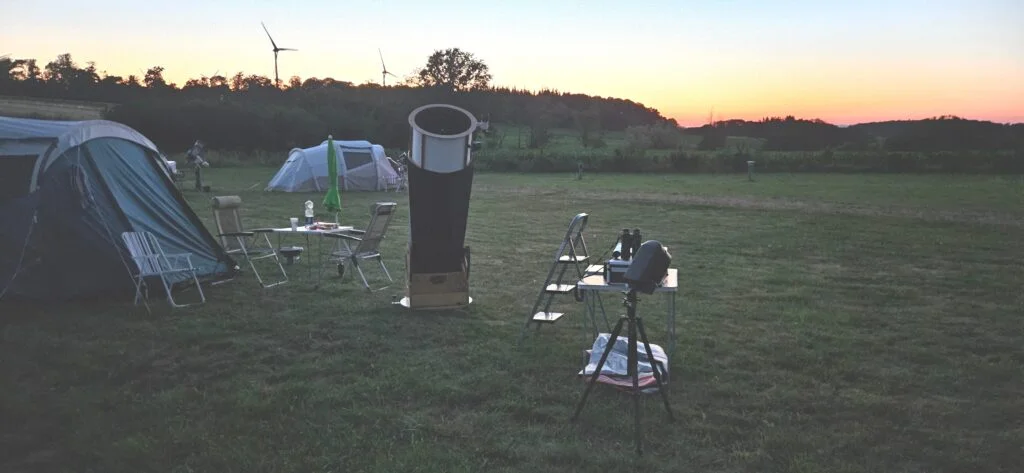
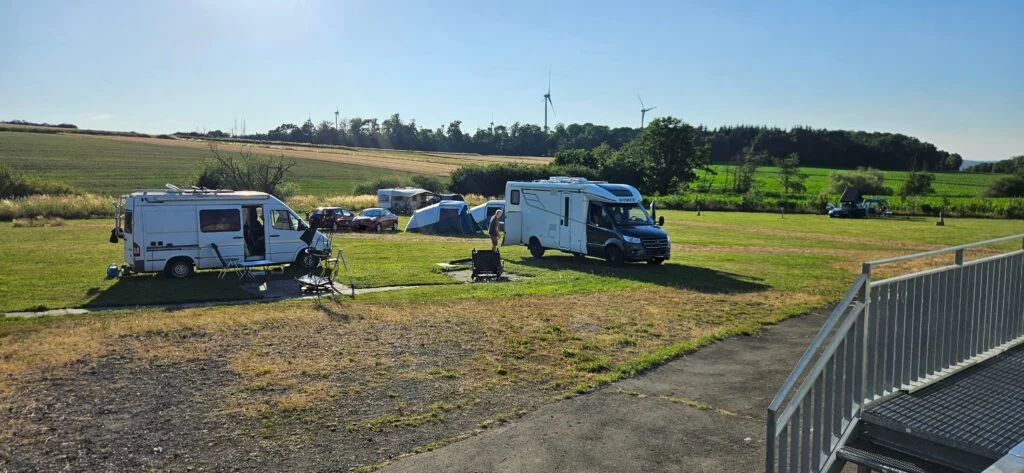
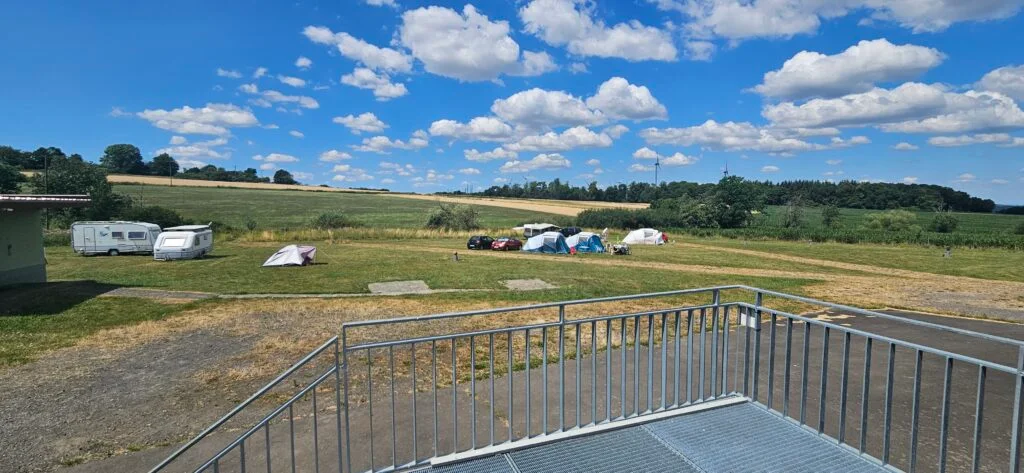
A father-son night of stargazing and exploration during an astrocamping trip, featuring various celestial observations.
Discover how to recognize and classify different types of galaxies, including their characteristics, structures, and the tools available for observation.
Learn how to enhance your planetary observations with filters. Discover the types of filters suitable for different planets, installation tips, and techniques for optimal viewing.
Enjoying a clear night sky during the final evening of astrocamping, stargazers observed various celestial objects, including M13 and the Firewheel Galaxy, reflecting on a relaxing experience.
A night filled with cloud cover turned into a rewarding experience for an astrocamping enthusiast, leading to the discovery of a supernova in NGC 3310.
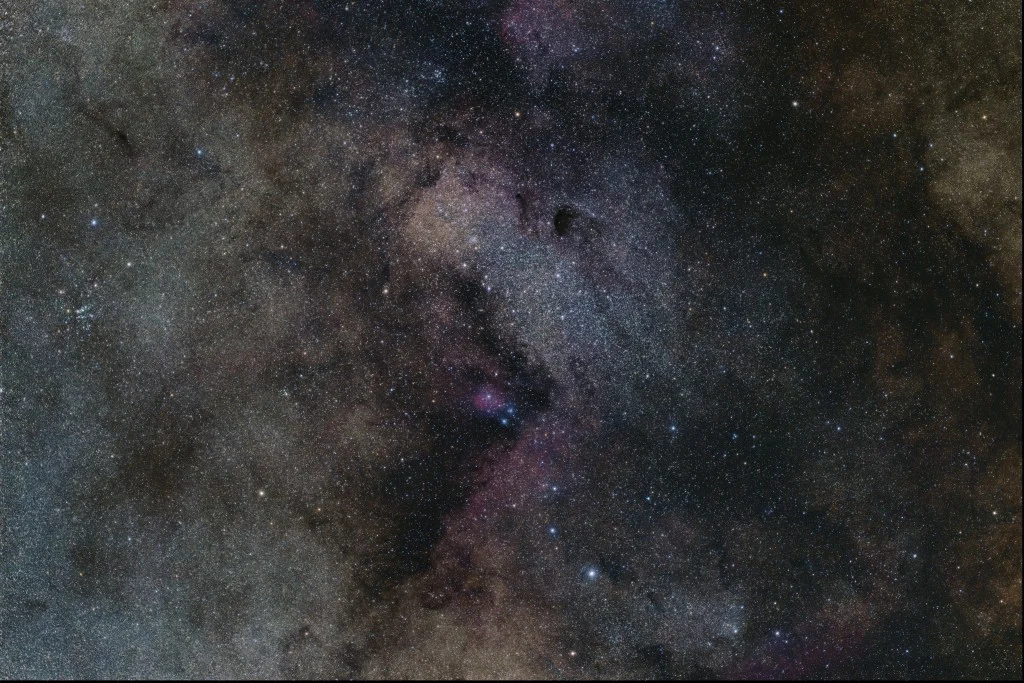
Messier 24 is a visible part of the distant Norma spiral arm of our Milky Way in the constellation Sagittarius, offering a unique view of our galaxy's structure.
The Crew-11 mission has successfully returned to Earth after a shortened duration due to a medical issue. The crew included astronauts from NASA, JAXA, and Roscosmos.
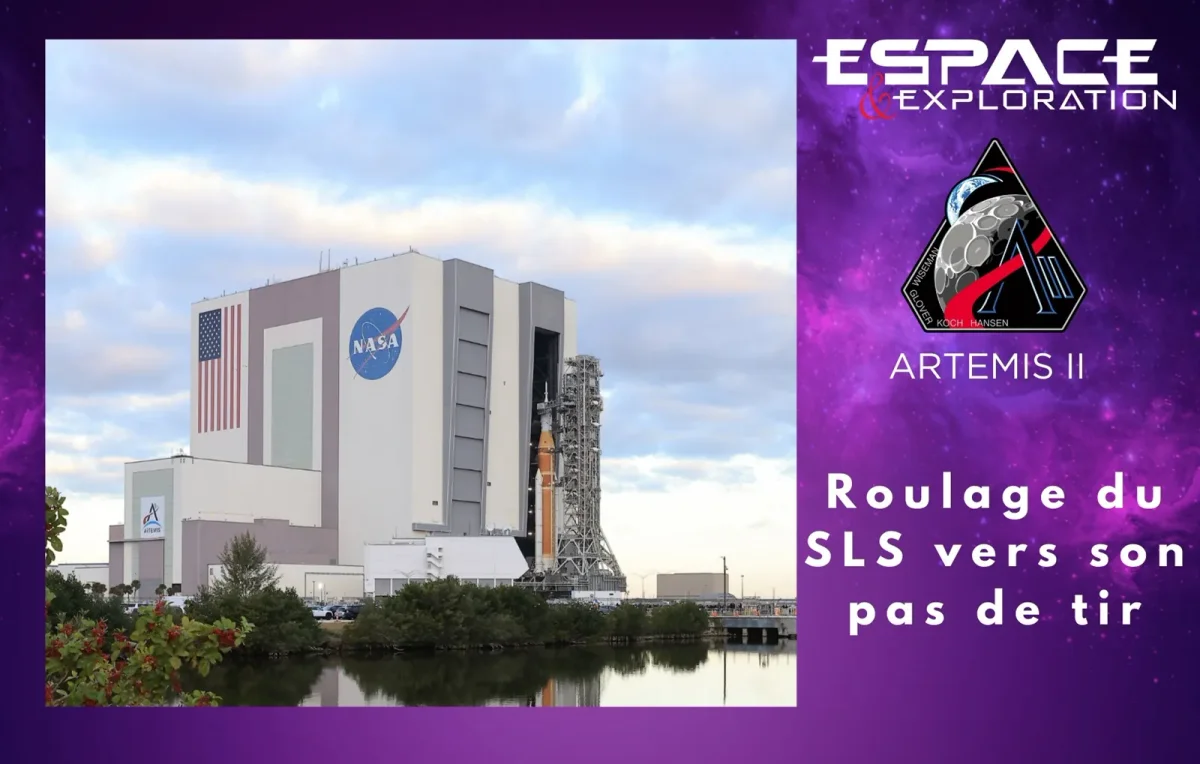
On January 17, 2026, NASA's SLS for Artemis II rolled to its launch pad in Florida, with a launch slated for early February. The journey marks a key step in lunar exploration.