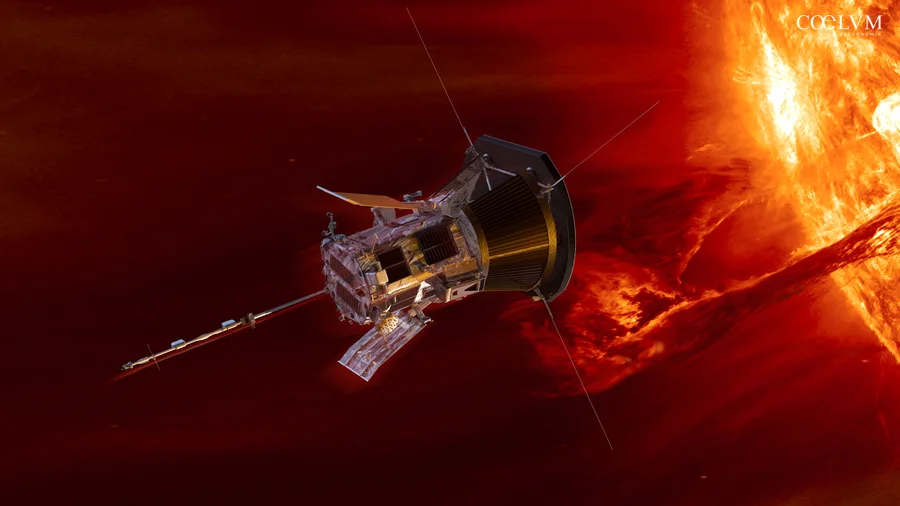
The twenty-eighth close pass of the Parker Solar Probe has concluded, providing valuable data on the Sun's atmosphere and solar phenomena.
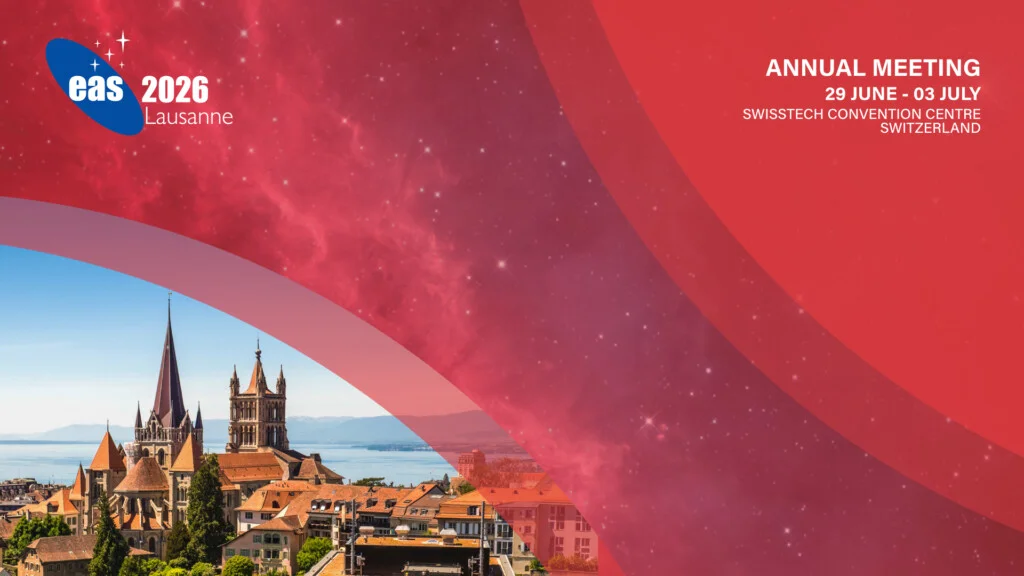
In less than two weeks, Lausanne will host the European Astronomical Society Annual Meeting (EAS 2026), the largest event dedicated to astronomical research in Europe.
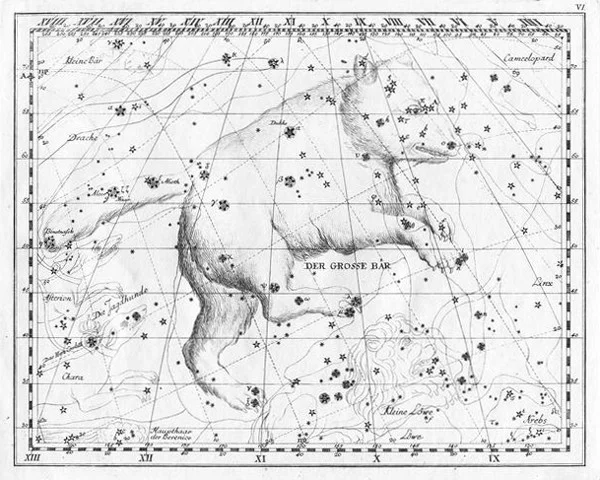
At the beginning of May, we can find the full moon in the constellation Libra. The waning moon continues its journey through various constellations, culminating in a Blue Moon at the end of the month.
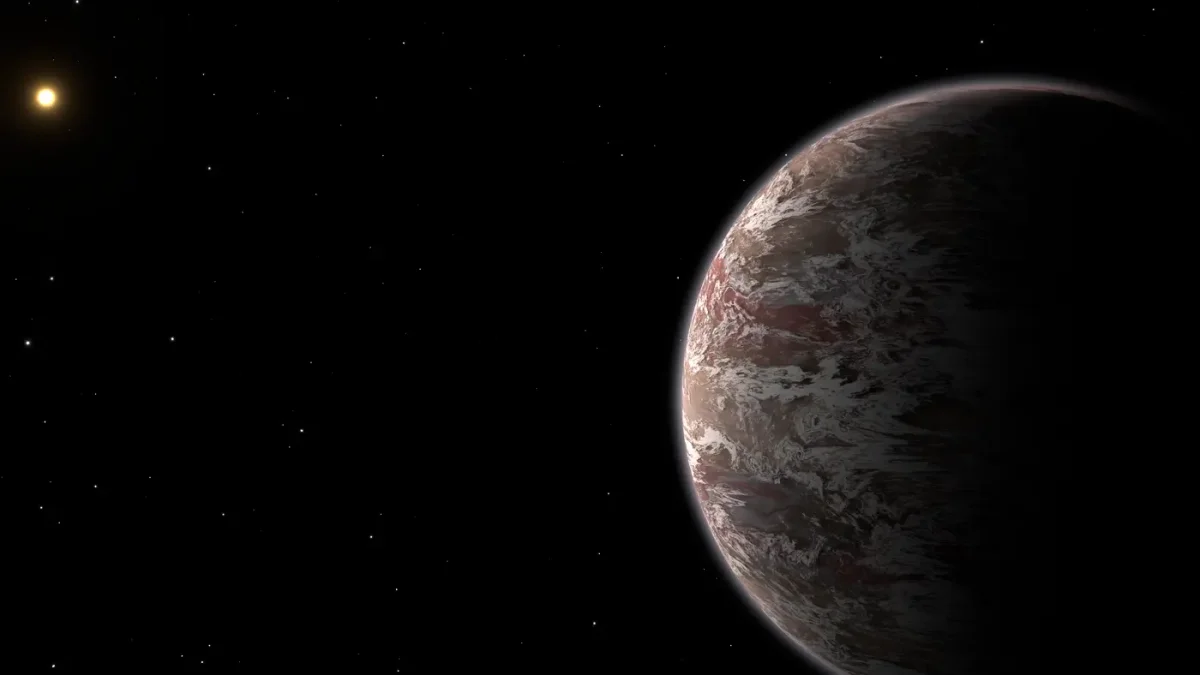
A team of astronomers led by Elisabeth Matthews at the Max Planck Institute for Astronomy (MPIA) has discovered water ice clouds on a distant exoplanet, Epsilon Indi Ab, showcasing the potential for future exoplanet research.
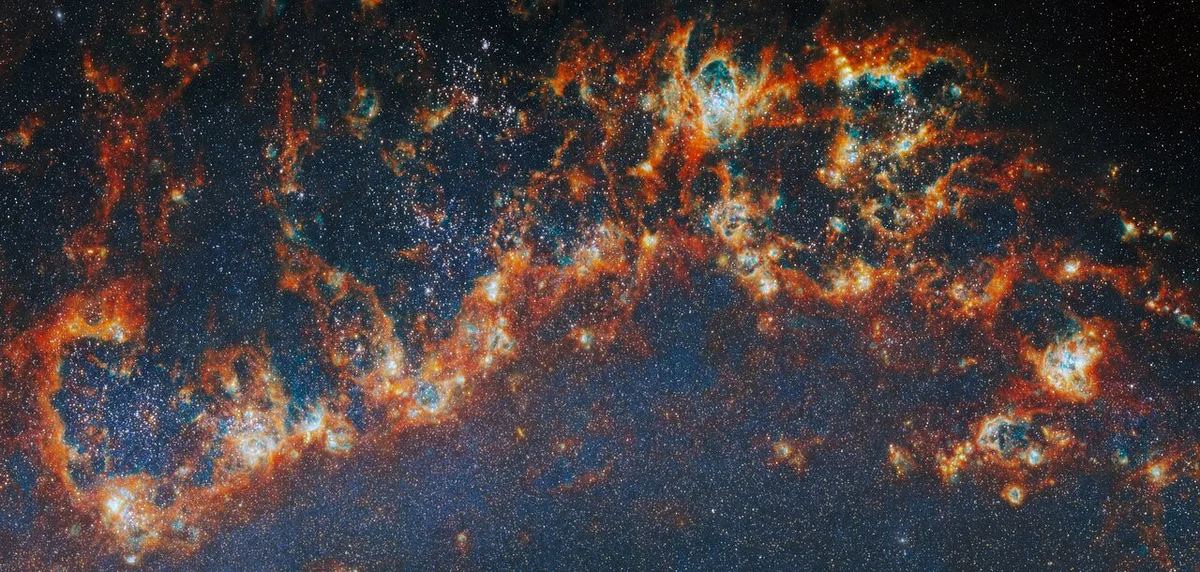
Astronomers have utilized the James Webb Space Telescope and Hubble Space Telescope to examine thousands of young star clusters in nearby galaxies, revealing insights into star formation and the birth of planets.
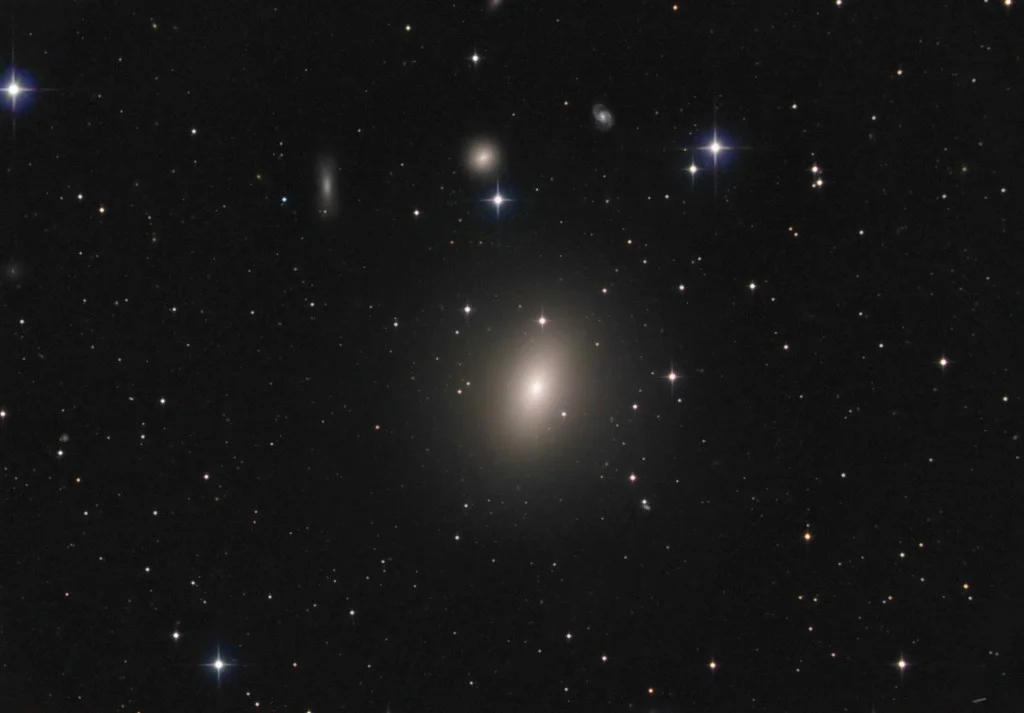
Messier 59 (NGC 4621) is an elliptical galaxy in the constellation Virgo. The object was discovered on April 11, 1779, by the German astronomer Johann Gottfried Köhler in Dresden along with Messier 60 and NGC 4638 while observing the comet Bode.
Using the MIRI instrument aboard the James Webb Space Telescope, a research team investigated the surface composition of the rocky planet LHS 3844 b, revealing insights into its geological properties.
The spiral galaxy Messier 100 (NGC 4321), located in the constellation Coma Berenices, was discovered on March 15, 1781, by French astronomer Pierre Méchain. It is a member of the Virgo Cluster and is known for its prominent spiral structure and starburst activity.
Twenty years after the return of its capsule to Earth in January 2006, NASA's Stardust mission still represents one of those moments when space exploration became something much more concrete.
Access or register to continue reading. The content you are trying to view is reserved for registered users.
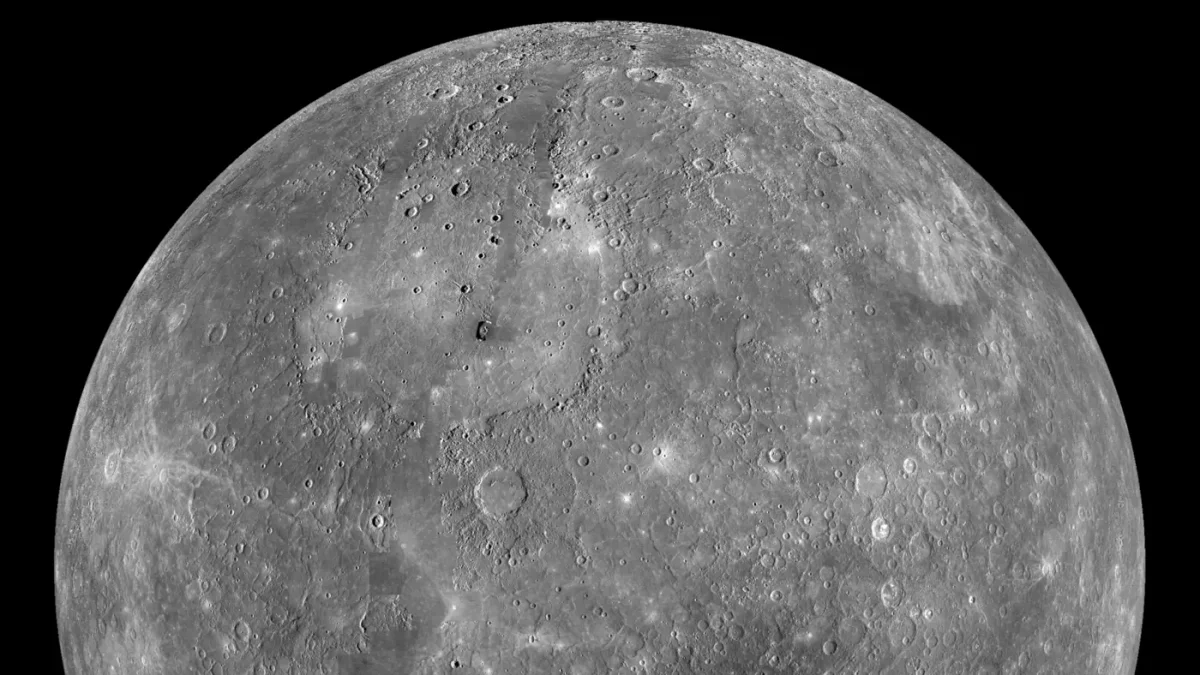
The moon's path and planetary movements in June 2026, including visibility details for Mercury, Venus, Mars, Jupiter, Saturn, Uranus, Neptune, and notable comets and asteroids.