The Moon Struck by Asteroids
The Moon recently experienced impacts from two small asteroids, potentially linked to the active Taurid meteor shower. This event highlights the dynamic nature of our lunar satellite.
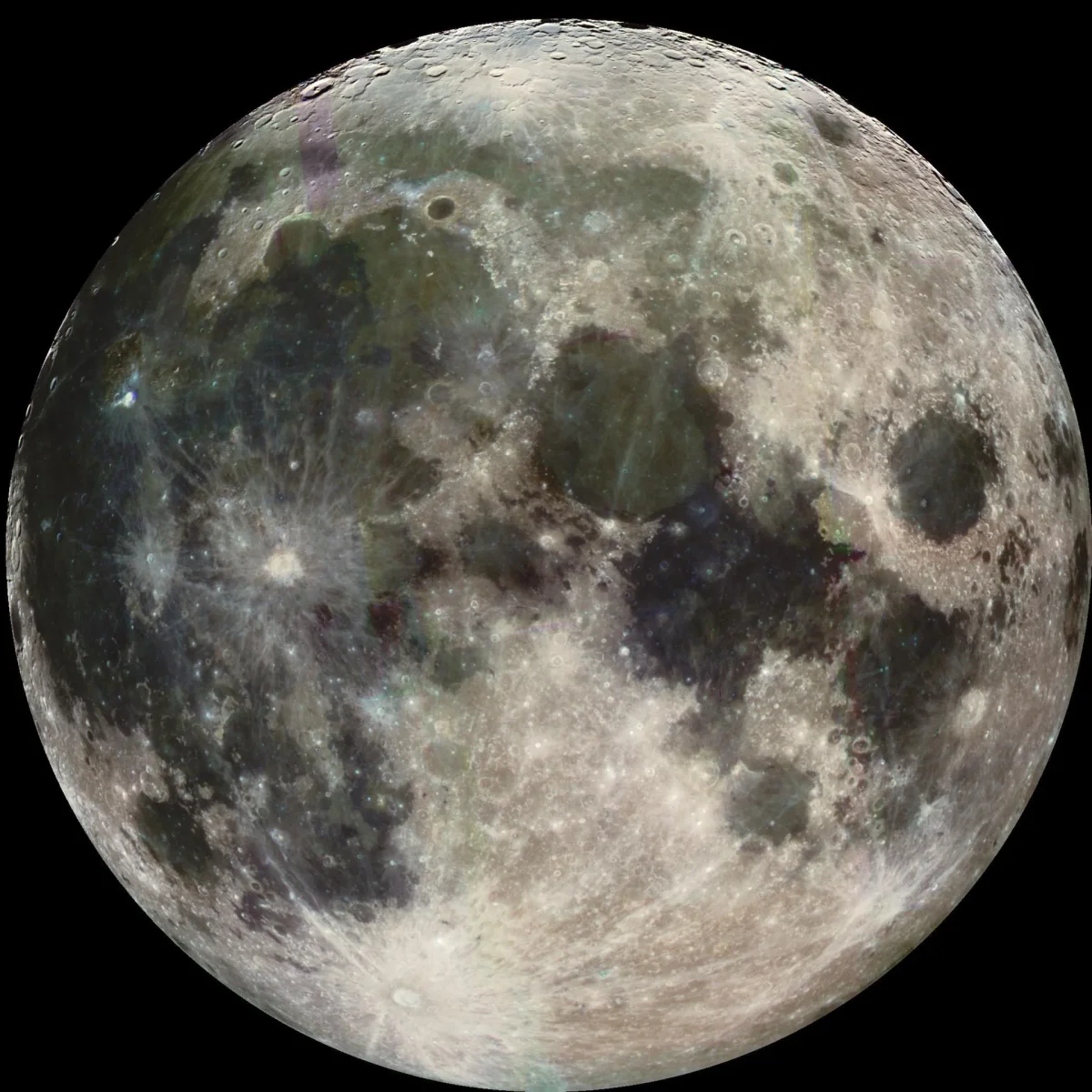
The Moon Struck by Two Small Asteroids: A Possible Connection to the Taurid Meteor Shower
Recently, an extraordinary event has drawn the attention of the astronomical community: two sudden flashes of light were observed on the Moon's surface, indicating impacts from small asteroids. These events, occurring just hours apart, may be linked to the active Taurid meteor shower currently visible in the Earth’s sky.
Two Sudden Flashes on the Lunar Surface
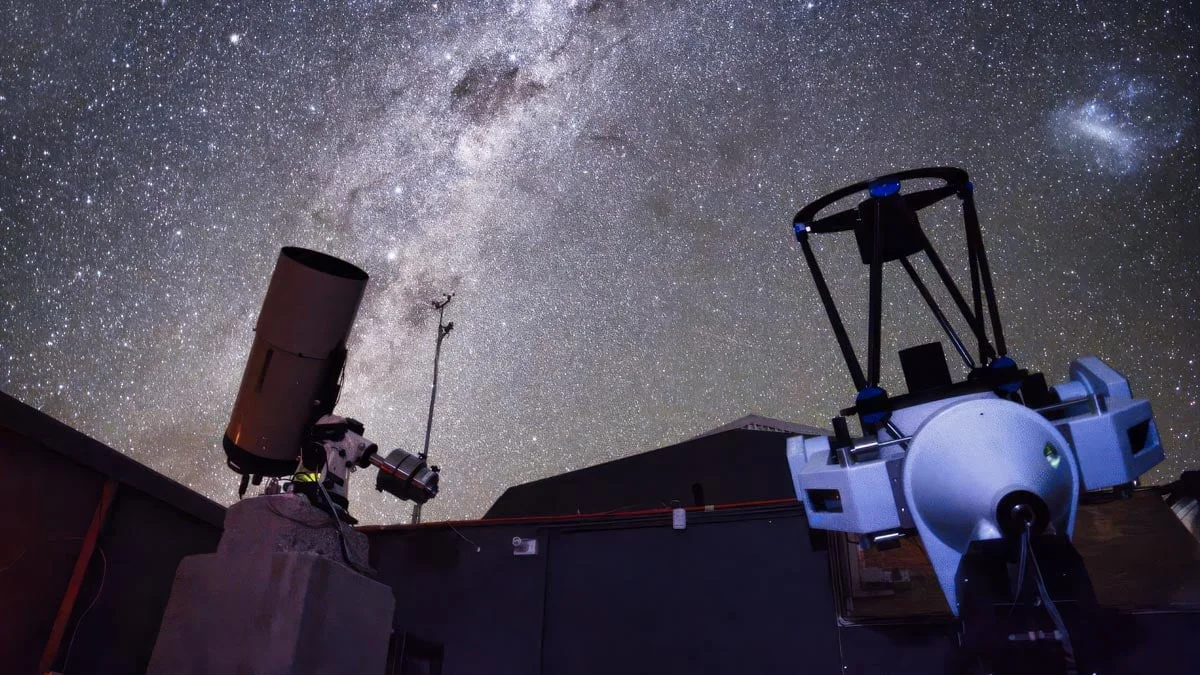
During an observational session, a Japanese astronomer successfully recorded two brief but intense flashes of light emanating from the Moon's far side. These events were captured using a high-sensitivity camera attached to a telescope, capable of detecting even the most fleeting phenomena.
The two flashes occurred in different locations on the lunar surface: the first in the eastern region of the Gassendi crater, and the second to the west of the large lunar mare Oceanus Procellarum. Although each impact lasted only a fraction of a second, the energy released was sufficient to produce visible glows even from Earth.
What Happens When an Asteroid Hits the Moon
Unlike Earth, the Moon lacks a protective atmosphere that could slow down or disintegrate incoming bodies from space. Every meteoroid, even those just a few centimeters in size, travels at incredibly high speeds — typically between 25 and 30 kilometers per second — striking the surface with devastating force.
In the case of the observed impacts, it is estimated that the objects had a mass of only a few hundred grams, yet the energy released was equivalent to several tens of kilograms of explosive. Each resulting crater could measure approximately 2–3 meters in diameter, a small mark on a lunar scale, but one that can be detected by future orbiters and mapping missions.
The Possible Connection to the Taurid Meteor Shower
The timing of these events has led astronomers to speculate a link to the Taurids, a meteor shower active from late October to early November. This shower is known for producing slow yet bright meteors, originating from the debris of comet Encke and a complex group of particles that accompany Earth in its annual orbit.
During the peak activity of the Taurids, both Earth and the Moon traverse the same region of space rich in rocky and icy fragments. It is therefore plausible that the meteoroids responsible for the lunar impacts originated from this “cosmic stream.”
A Natural Laboratory for Impact Studies
Observing impacts on the Moon is of significant scientific importance. Each flash provides valuable information about the frequency and energy with which small bodies strike atmosphereless planetary surfaces. This data is crucial not only for astronomical research but also for the safety of future lunar bases that space agencies plan to establish in the coming years.
Studying the rate and distribution of impacts also enhances our understanding of the population of space debris surrounding the Earth-Moon system. In essence, watching the Moon means monitoring what could, on rare occasions, also affect Earth itself.
Astrophotography and Citizen Science
The observation of lunar impact flashes is a field where amateur astronomers can make a tangible contribution. By using high-sensitivity cameras, appropriate filters, and medium-sized telescopes, it is possible to record brief video sequences during the waxing or waning phases of the Moon, when the unlit part of the disk is visible due to earthshine.
Each recording can be analyzed to identify micro-flashes that are not attributable to atmospheric disturbances or optical reflections. If confirmed, this data is collected in international databases dedicated to studying lunar impacts. It’s a fascinating way to turn a passion for the sky into a real collaboration with science.
A Message from Our Satellite
Events like these remind us that the Moon, despite appearing silent and motionless, is in fact a dynamic world, constantly bombarded by tiny fragments from space. Each impact serves as a living testament to the history of the Solar System and the ongoing exchange of material between its celestial bodies.
Next time we look up at the sky during the Taurid meteor shower, we can imagine that, at the same moment, some of those meteors are striking the surface of our satellite. The Moon once again reminds us that the cosmos is alive, unpredictable, and wonderfully interconnected.