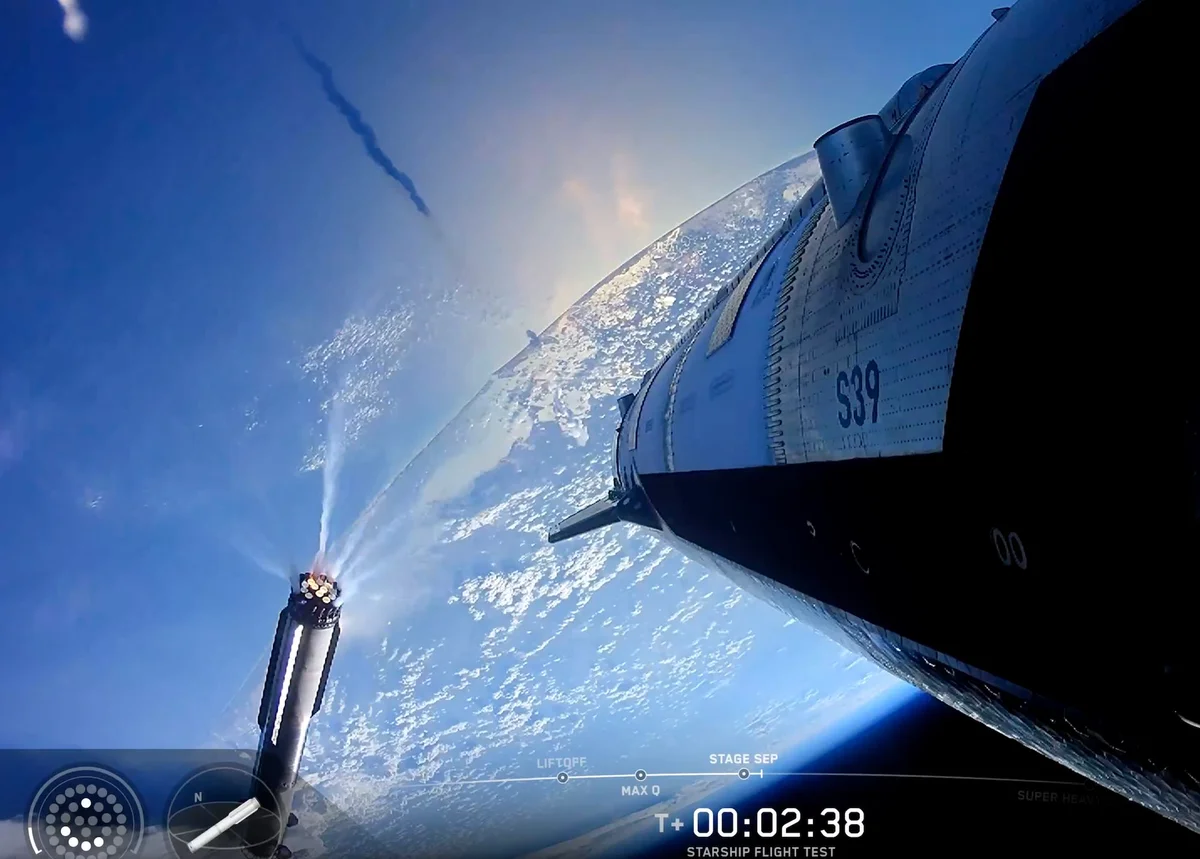
Starship V3 Flight 12 successful on May 22, 2026: first flight of the new generation, 65-minute suborbital test, satellite deployment, and booster recovery. Complete overview.
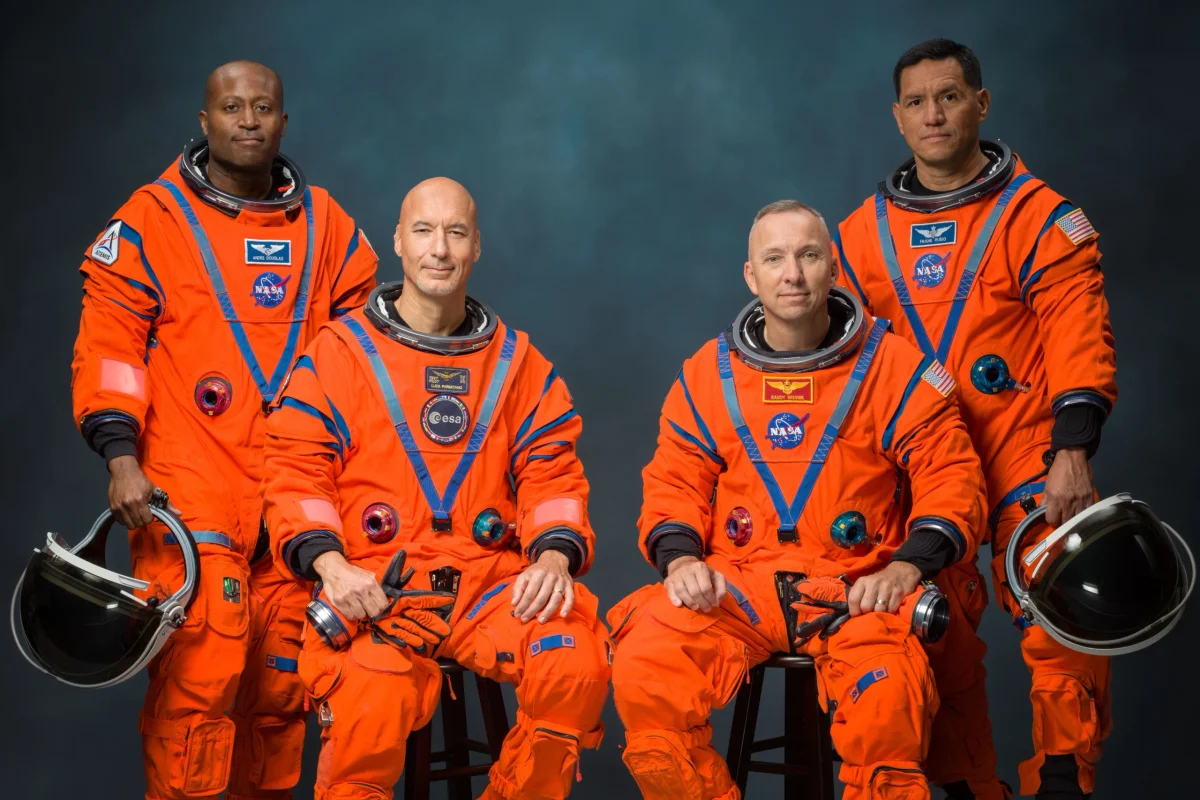
NASA announced the crew of Artemis III on June 8, 2026. A low Earth orbit test mission in 2027 to validate docking with lunar landers before a future lunar landing.
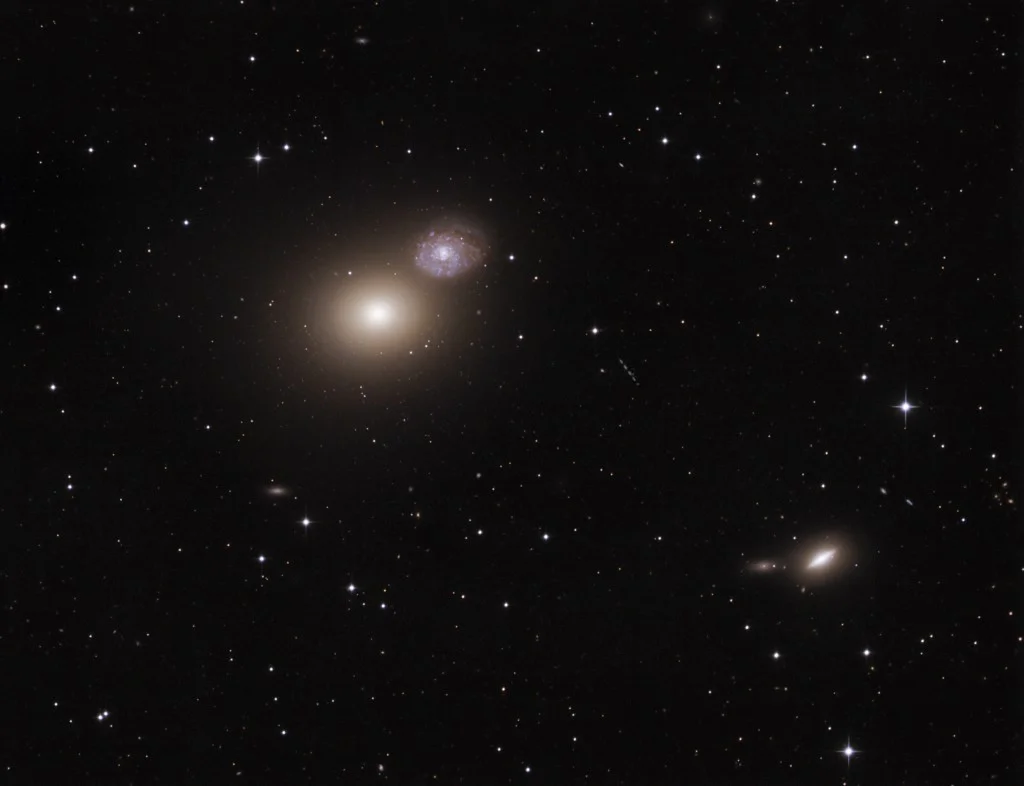
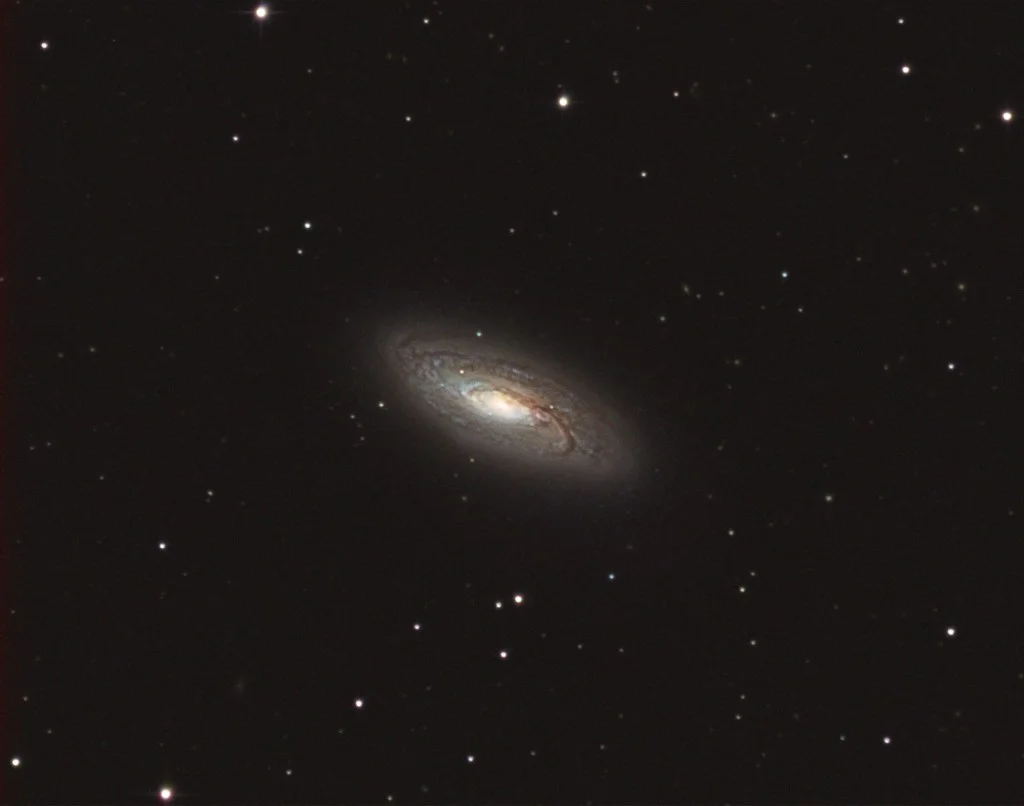
Messier 60 (NGC 4649) is an elliptical galaxy in the constellation Virgo. It was discovered on April 11, 1779, by the German astronomer Johann Gottfried Köhler...
The moon's path and planetary movements in April 2026, including visibility details for comets and meteor showers.
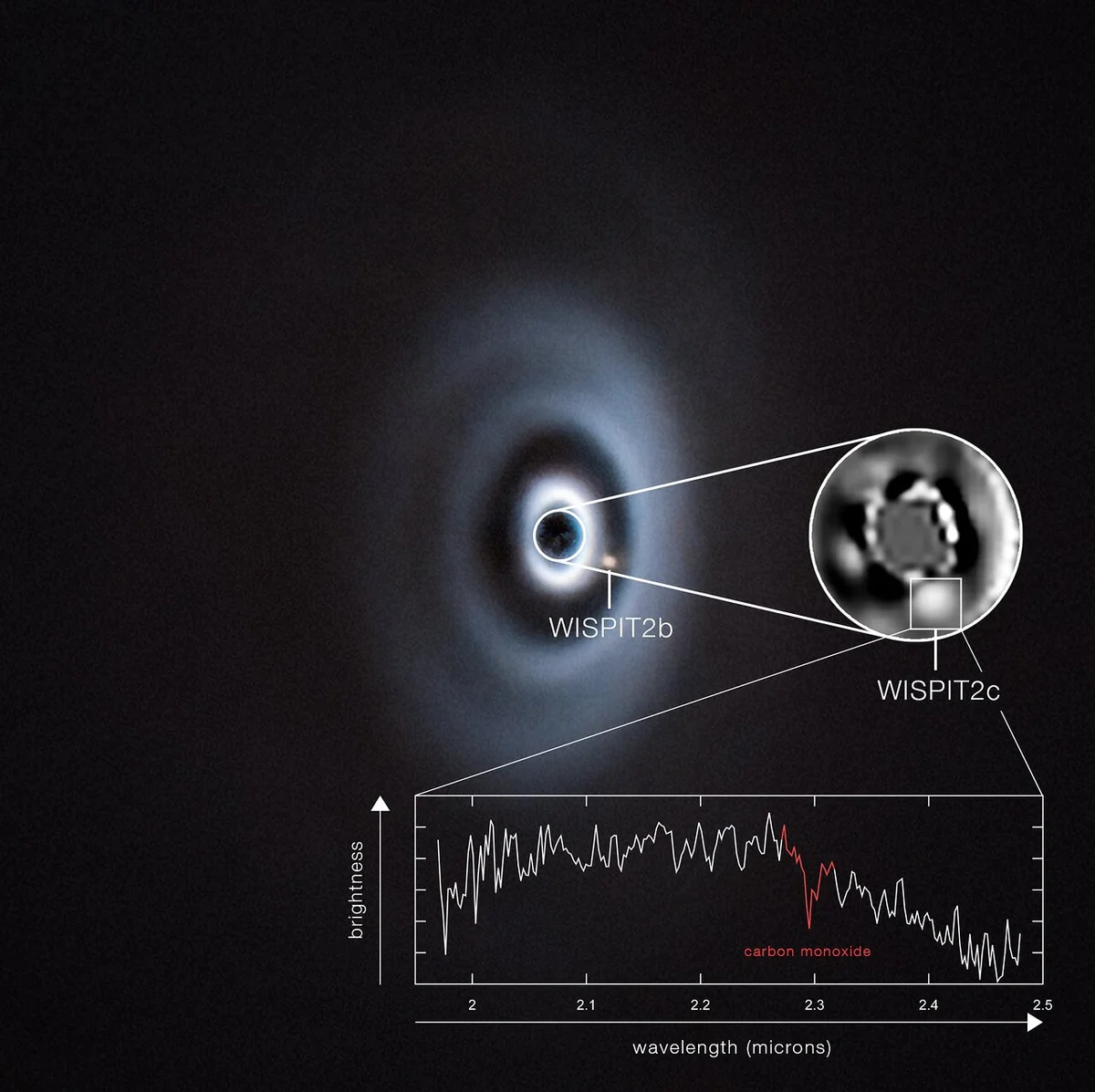
Astronomers have observed how two planets are forming in the disk around a young star named WISPIT 2 in the constellation Aquila. The team confirmed the existence of another planet, suggesting that the WISPIT-2 system could resemble a young solar system.
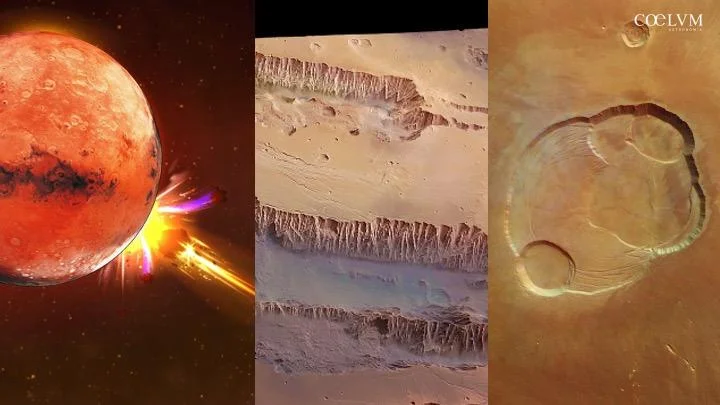
If we considered the Solar System as an elegant residential neighborhood, Mars would surely be part of our vicinity. But do we really know all the geological wonders that our cosmic neighbor holds on its surface?
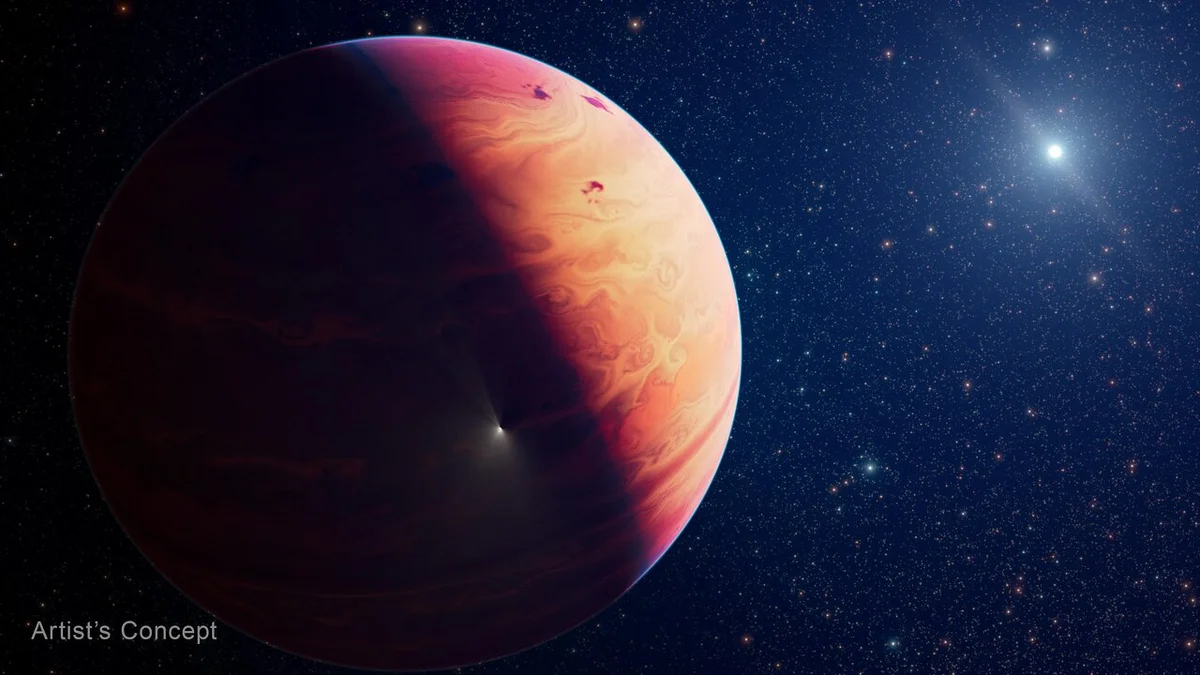
Where is the boundary between stars and the most massive planets? Scientists suspect that this depends on their formation method. Did they form through a bottom-up process or a top-down process?
The two galaxies NGC 5005 and NGC 5033, located in the northern constellation Canes Venatici, were discovered on May 1, 1785, by the German-British astronomer Friedrich Wilhelm Herschel.
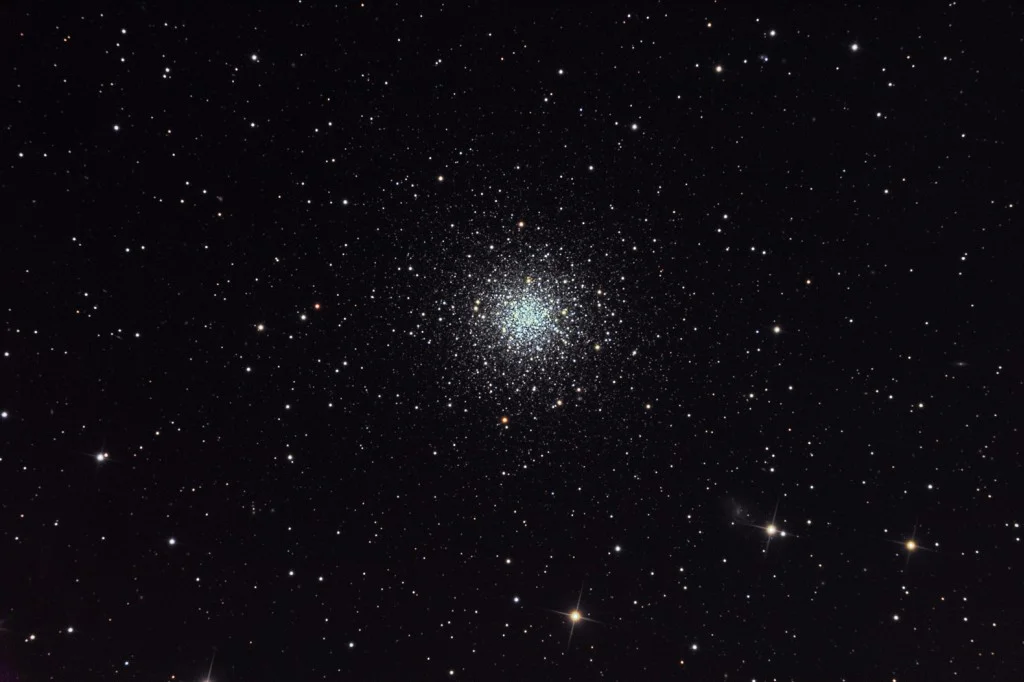
The globular cluster Messier 68 (NGC 4590), located in the southern constellation Hydra, was discovered on April 9, 1780, by the famous French astronomer Charles Messier.
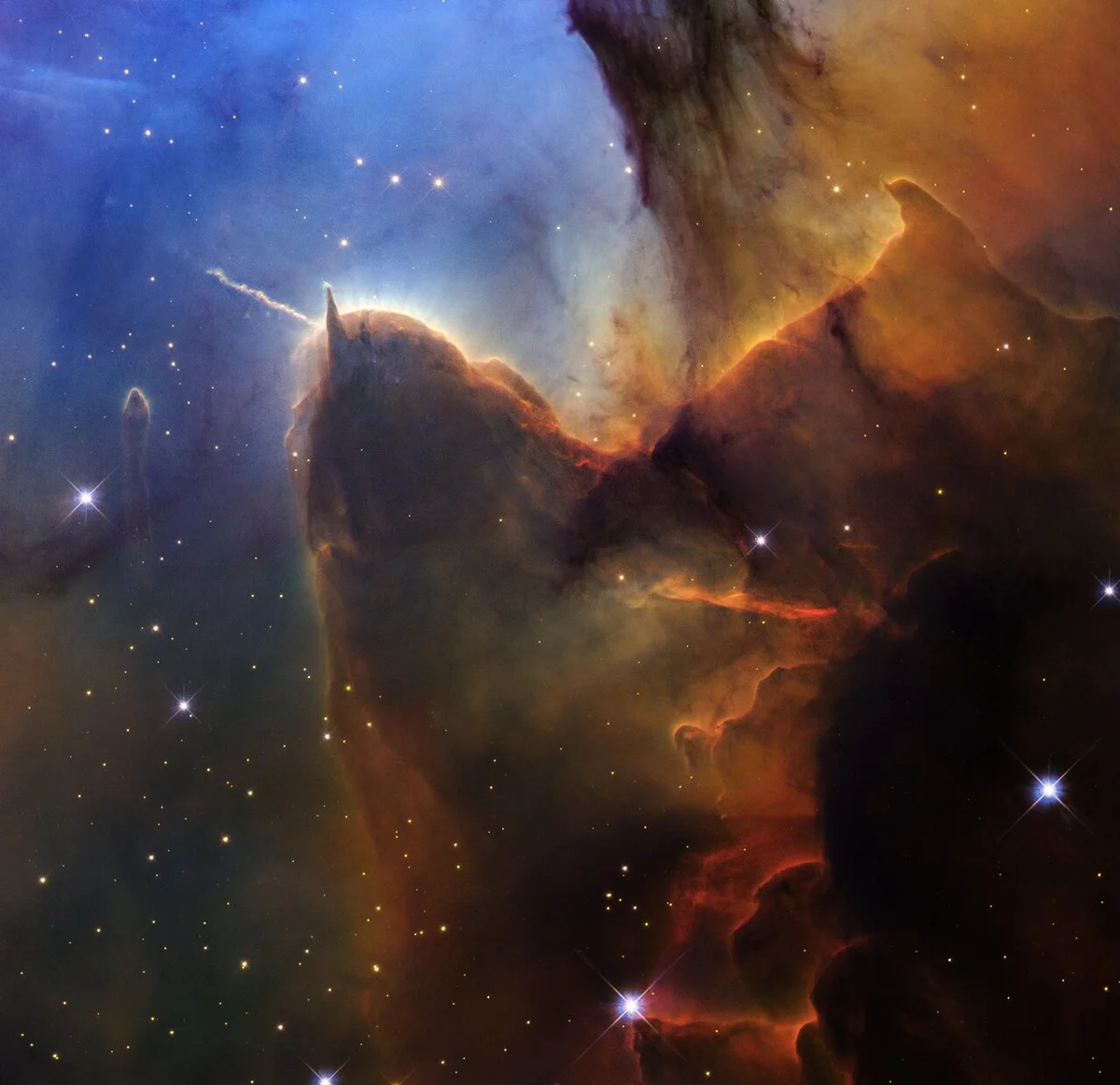
The Hubble Space Telescope of NASA/ESA has once again focused on a scene it first captured in 1997, in honor of its 36th anniversary: a small section of a star formation region in the constellation Sagittarius, about 5,000 light-years away, known as the Trifid Nebula.
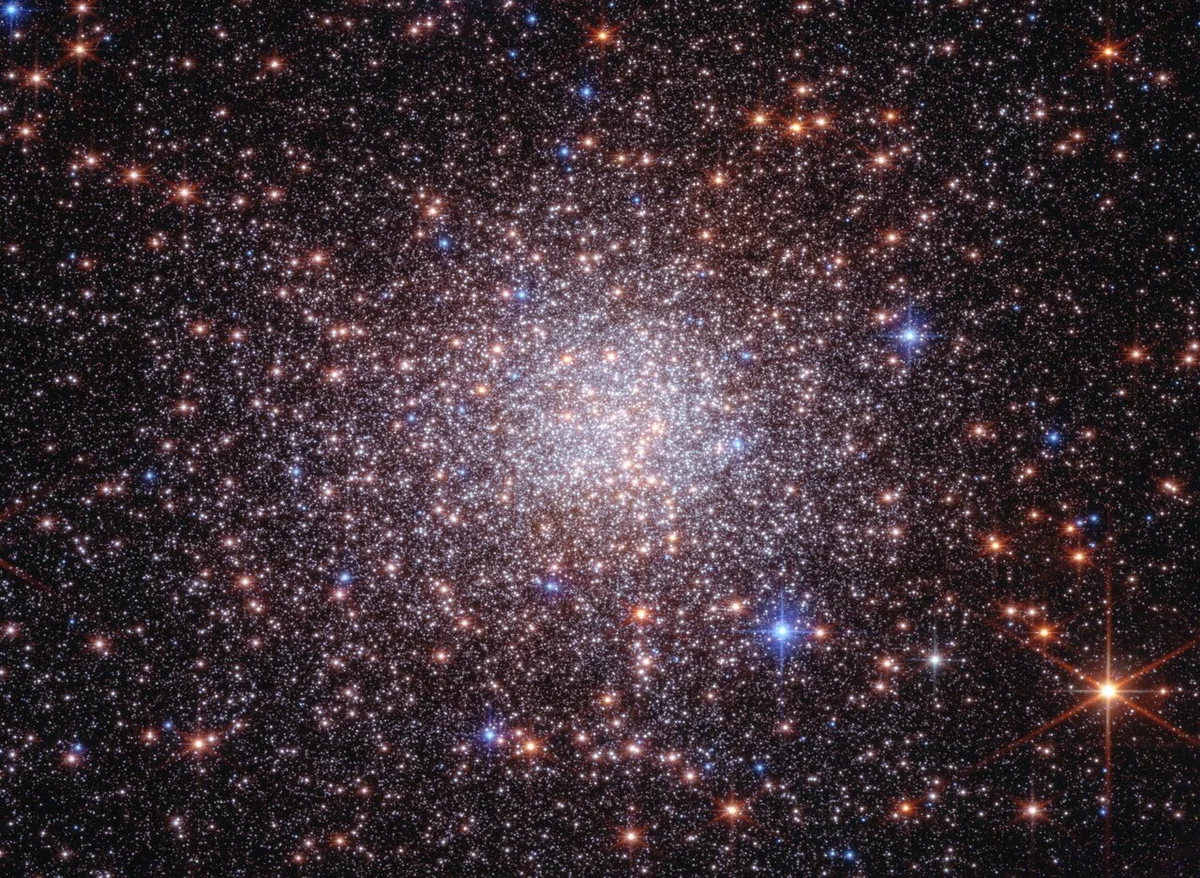
Researchers have confirmed a new class of objects within our Milky Way: remnants referred to as "fossil fragments of the galaxy core". Terzan 5 is the prototype of these remnants from the early formation phase of our galaxy.
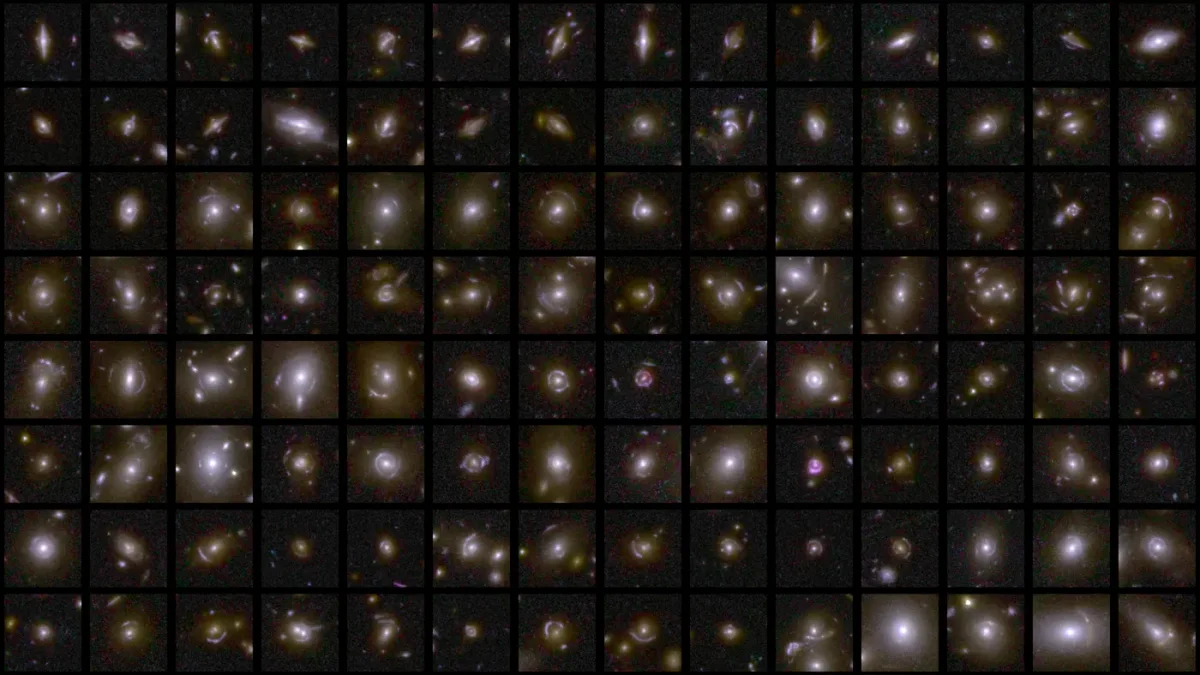
With the launch of 'Space Warps,' a new citizen science project, the public can actively participate in the search for rare gravitational lenses using data from the Euclid space telescope.