How to Distinguish Different Galaxies
Discover how to recognize and classify different types of galaxies, including their characteristics, structures, and the tools available for observation.
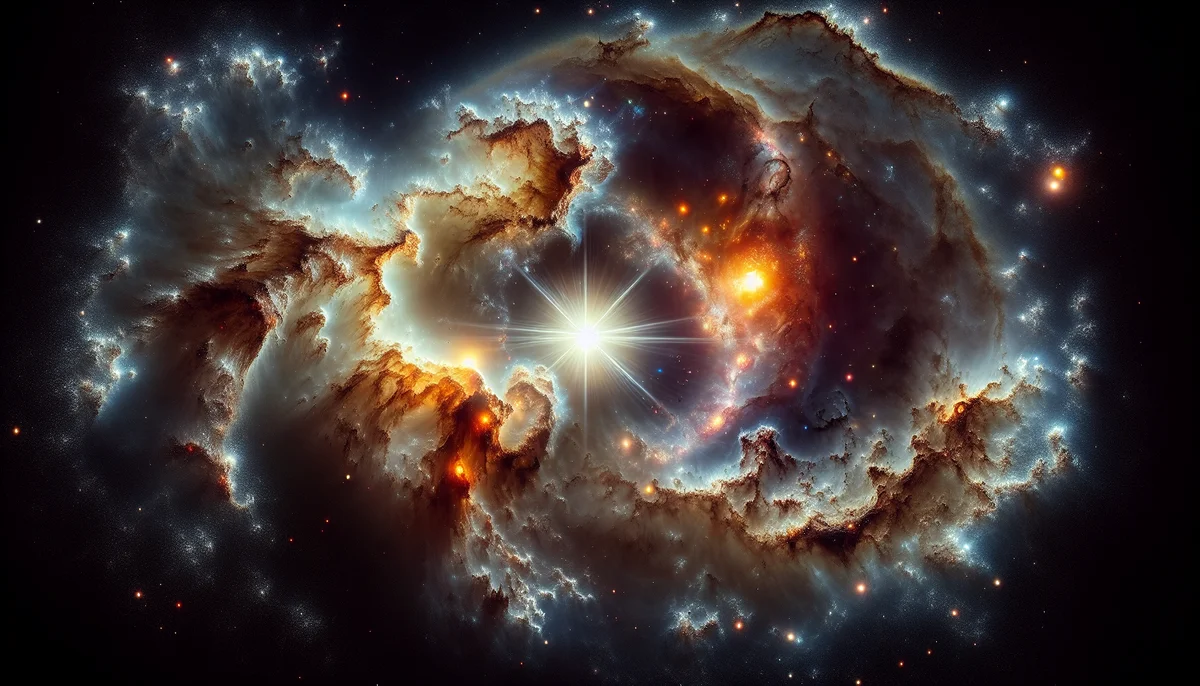
Galaxies are vast collections of stars, gas, and dust that populate the universe. Identifying these celestial structures and understanding their various forms and characteristics can be a fascinating endeavor. Have you ever wondered why some galaxies display stunning spiral arms while others appear more chaotic? Let’s delve into the exploration of these distant worlds that captivate both amateur and professional astronomers.
What is a Galaxy?
To identify or classify a galaxy, it's crucial to first grasp its definition and the different shapes it can take. We will explore the fundamentals and then examine their roles in our understanding of the cosmos.
Definition of a Galaxy
A galaxy is a massive assembly of billions of stars, along with nebulae, planets, dust, and other celestial bodies, all bound together by gravity. This immense gathering can also include interstellar gas and significant amounts of dark matter, which, while invisible, can be detected through its gravitational effects. For instance, our own Milky Way is a spiral galaxy that hosts our solar system. Galaxies can extend over tens to hundreds of thousands of light-years.
Their role is fundamental for structuring the universe on a grand scale. They serve as star cities in the vast cosmic void, each with its unique characteristics and histories.
Types of Galaxies
There are primarily three main types of galaxies: spiral, elliptical, and irregular. Each type possesses distinct appearances and dynamics. For example, the Andromeda Galaxy is a nearby spiral galaxy that is frequently observed, while the giant elliptical galaxy M87 is well-known for its central supermassive black hole.
This diversity is essential for understanding the various evolutionary stages of galaxies and the processes that shape them.
Importance of Galaxies in Astronomy
Galaxies function as natural laboratories for astronomers. By studying their shapes, compositions, and behaviors, researchers gain a deeper understanding of the universe’s evolution, star formation, and even the mysterious nature of dark matter. For instance, observing bursts of activity at the centers of certain galaxies can reveal the presence of active black holes.
For enthusiasts, understanding galaxies adds a new dimension to stargazing, enriching each starry night with curiosity.
What Are the Main Types of Galaxies?
Grasping the visual and structural differences among the primary types of galaxies paves the way for more precise identification. Let’s examine the specific characteristics of spiral, elliptical, and irregular galaxies.
Spiral Galaxies
Spiral galaxies, such as the Milky Way and the Andromeda Galaxy, consist of a flat disk with spiral arms rotating around a central core. These arms are rich in young stars and star-forming regions, often visible due to their colorful nebulae. Their rapid rotation around the center grants them a fascinating dynamic.
Spirals are often the most photogenic for amateur astronomers because of their easily identifiable shapes under a clear, unpolluted sky. With a telescope, one can discern certain details of the arms or the core.
Elliptical Galaxies
Less structured than spirals, elliptical galaxies have an oval or spherical shape, showing few or no signs of a disk or arms. They predominantly host older stars and contain little gas, making them less active in star formation. M87, located in the Virgo cluster, is a famous example.
These galaxies often appear as homogeneous bright spots, making them more challenging to detail in amateur observations, yet they are fascinating to study for their dynamic properties and the frequent presence of massive central black holes.
Irregular Galaxies
Irregular galaxies, such as the Small Magellanic Cloud visible from the Southern Hemisphere, lack a spiral or elliptical shape. Their chaotic appearance is often due to gravitational interactions or mergers with other galaxies.
These galaxies frequently contain vast clouds of gas and active star-forming regions. Their visual diversity makes them captivating subjects for observation, although they are generally dimmer in brightness.
How to Identify a Galaxy with the Naked Eye or Telescope
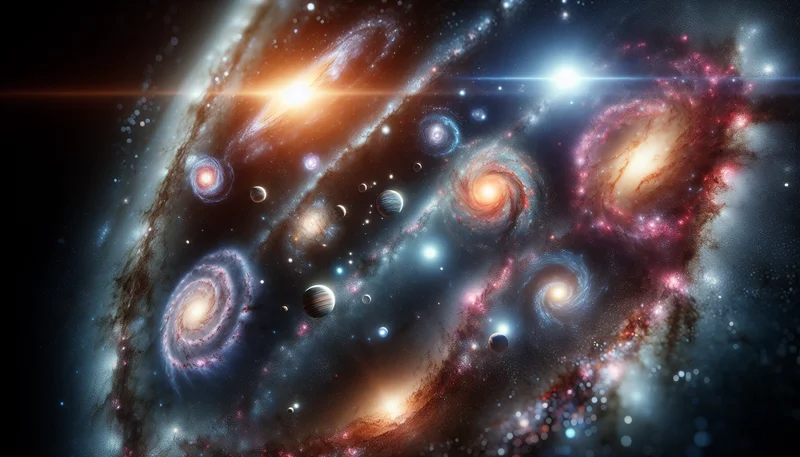
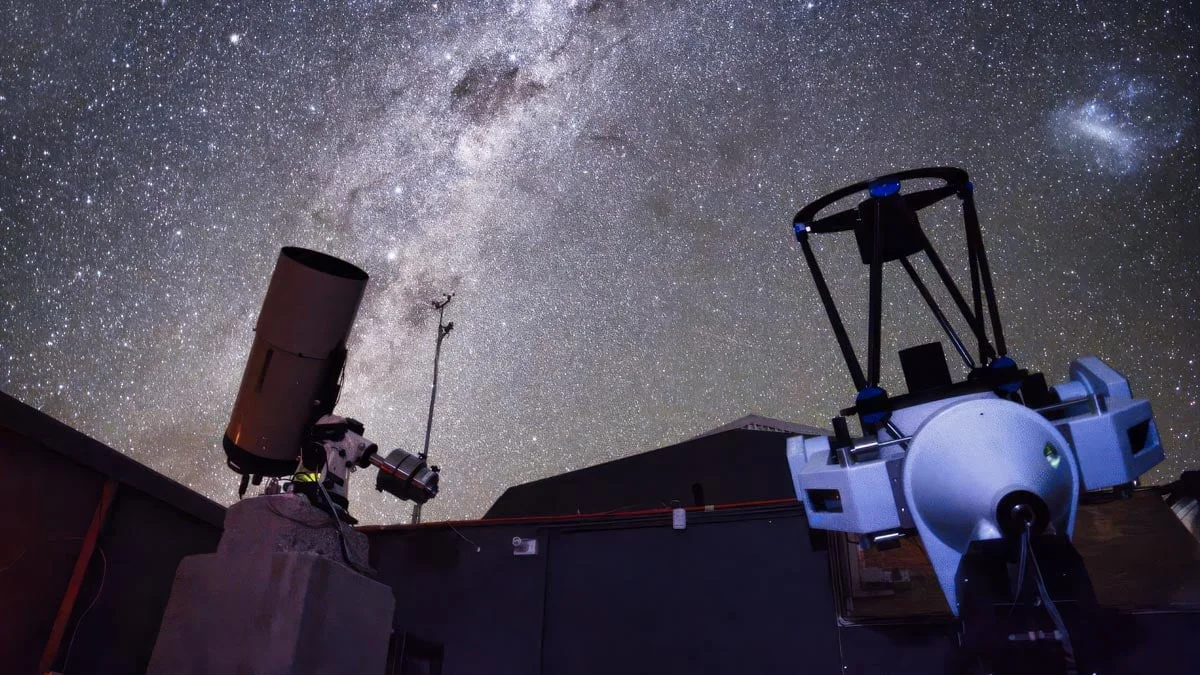
Observing a galaxy with your own eyes or through a telescope presents an exciting challenge for amateur astronomers. Discover what you can expect to see under these conditions and how to optimize your observations.
Visible Characteristics to the Naked Eye
With the naked eye, it is possible to spot some particularly bright and nearby galaxies, such as the Andromeda Galaxy, which appears as a slight fuzzy patch in a dark sky. The Magellanic Clouds are also highly visible from the Southern Hemisphere.
The key is to choose a location far from light pollution and to allow your eyes to adjust to the darkness. Orientation in the sky is also crucial, depending on the seasons and latitude.
Observing with an Amateur Telescope
Using an amateur telescope allows for the identification of more galaxies and certain details such as bright cores or denser regions. For instance, the Triangulum Galaxy (M33) can be observed with a 150 mm diameter instrument.
Telescopes particularly enable the exploration of numerous galaxies in nearby clusters, such as the Virgo cluster, which contains several dozen galaxies.
Tips for Better Detail Distinction
A clear, moonless night, a dark sky, and good eye acclimatization are essential. Utilizing low-power eyepieces allows for a wider field of view, which is beneficial for locating the galaxy. Once located, gradually switching to higher magnifications can help reveal the core or certain nuances.
Lastly, noting atmospheric conditions, avoiding turbulence, and sometimes using filters can enhance contrast and color perception.
What Astronomical Criteria Help Classify Galaxies?
The classification of galaxies relies on several observable and measurable criteria, which we will now detail to better understand their intrinsic diversity.
Shape and Structure
Shape is the primary criterion for classification. Spiral galaxies possess a well-defined disk and arms, elliptical galaxies have a more regular, oval shape, while irregular galaxies exhibit a disordered morphology. The presence or absence of a central bulge is also an important element in certain systems.
These structures reveal the evolutionary history and interactions that a galaxy may have undergone over time.
Stellar Composition
Galaxies rich in young stars and gas, like spirals, often display regions of intense star formation. In contrast, elliptical galaxies mainly consist of older stars, influencing their reddish color.
Chemical composition and the amount of interstellar matter are also valuable indicators of these galaxies' life cycles.
Type of Activity at the Center
Some galaxies possess an active core, sometimes housing a supermassive black hole that emits large amounts of energy. These active galaxies can exhibit jets of matter, outbursts of X-ray or radio emissions.
This activity not only influences the brightness of the core but also the overall evolution of the galaxy, a phenomenon extensively studied using instruments like the Hubble Space Telescope.
How to Use Tools and Applications to Recognize Galaxies?
In the digital age, numerous technological tools facilitate the identification and observation of galaxies, whether in the field or at home. Here are some effective methods.
Astronomy Mobile Applications
Applications such as SkyView or Stellarium, available on smartphones, allow users to point at the sky and instantly identify visible galaxies above their location. These tools also provide information on visibility over time and offer a comprehensive catalog of celestial objects.
For beginners, this is a highly interactive and engaging way to learn how to spot the Andromeda Galaxy or the galaxies in the Virgo cluster.
Celestial Mapping Software
Mapping software like Stellarium or Sky Map offers a richer and more detailed interface, ideal for planning observation sessions. They allow users to display constellations, stars, and galaxies with their precise coordinates.
These programs often include advanced modules to simulate the sky based on date, time, and location, a valuable asset for amateur astronomers looking to anticipate the best nights for observation.
Accessible Catalogs and Databases
For enthusiasts seeking to deepen their knowledge, astronomical catalogs such as the NASA/IPAC Extragalactic Database (NED) or the SIMBAD Astronomical Database contain thousands of precise details about deep-sky galaxies, their characteristics, and historical discoveries.
These online resources are often utilized by professional astronomers and are accessible to the public, providing a wealth of data to enrich every observation.