#celestial bodies
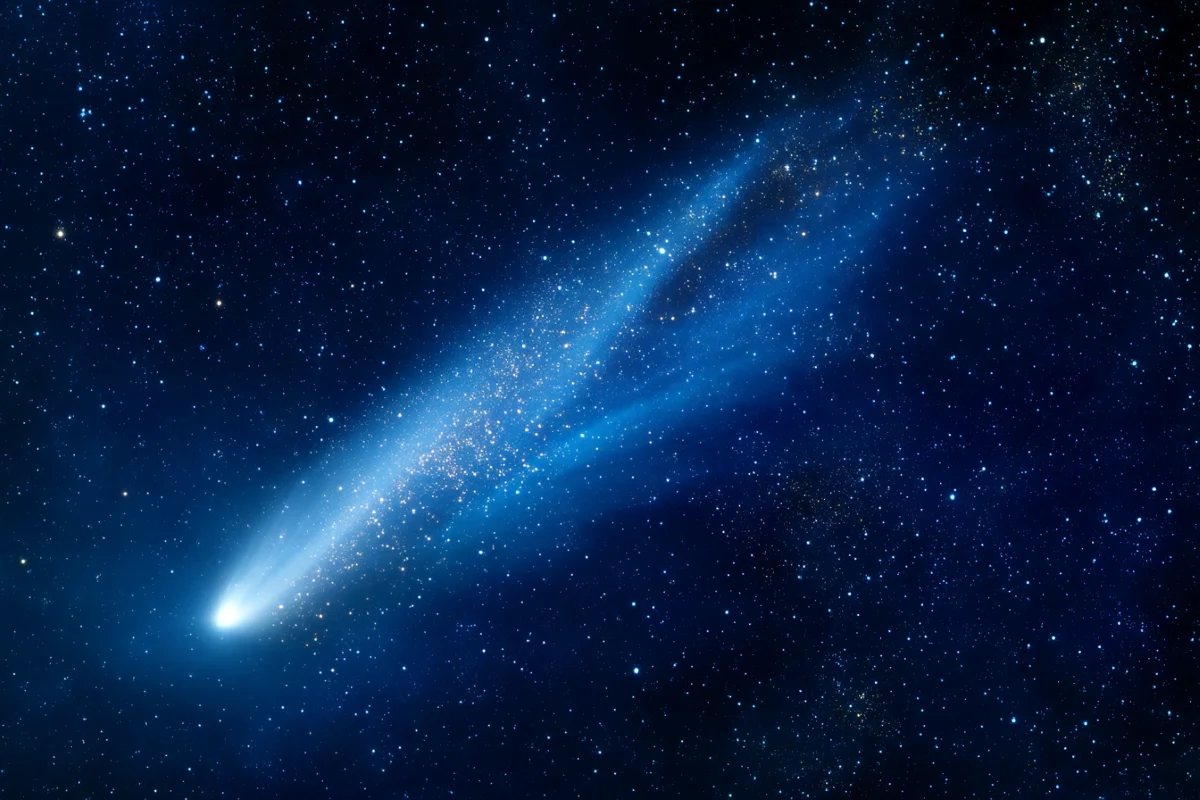
The interstellar comet 3I/ATLAS, discovered in 2025, is a unique cosmic visitor traveling at 210,000 km/h. Scientists are excited about its potential to reveal secrets about our solar system's origins.
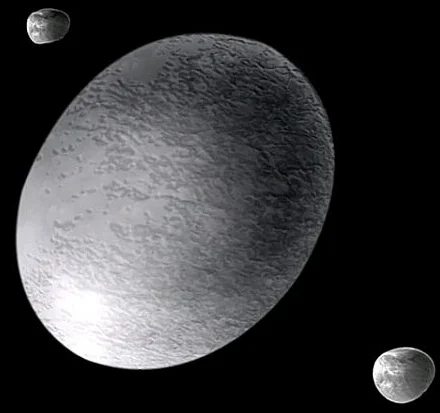
Exploring the fascinating story of Haumea, the dwarf planet discovered amid a scientific dispute, its unique characteristics, and the mysteries it holds.
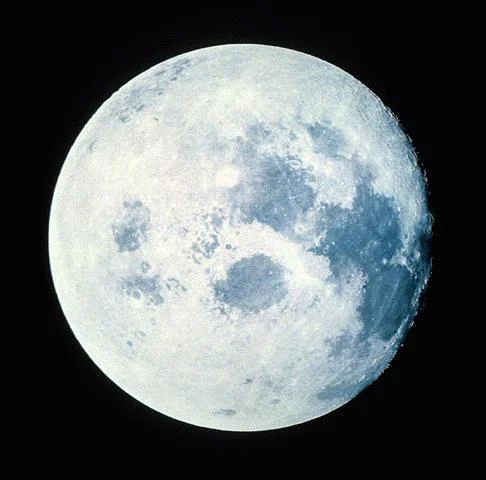
The Moon is Earth's only satellite and a key body in our Solar System, observable in detail. This article explores its characteristics, formation theories, and influence on tides.
Explore the Moon, Earth's only natural satellite, its formation theories, surface features, and its impact on tides and timekeeping. Learn about its fascinating characteristics and phases.
Riccardo Pozzobon was a prominent geologist known for his significant contributions to planetary geology, inspiring future generations in the quest to explore hidden worlds.
Astronomy studies the Universe and its celestial bodies, including stars, planets, and galaxies, exploring their relationships and evolution. It has ancient roots, evolving from mythological explanations to modern scientific inquiry.
Explore the fascinating blend of science and mysticism in ancient Egyptian astronomy, from their celestial deities to the solar calendar that influenced the Western world.
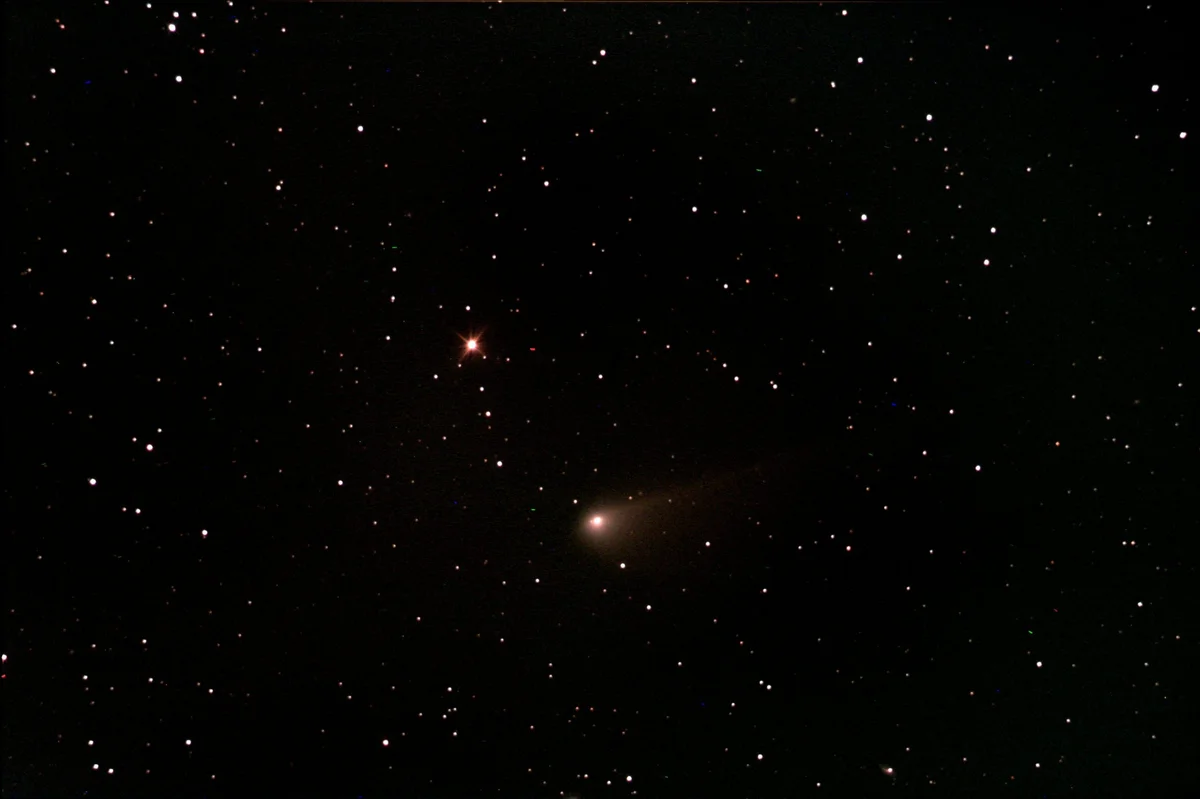
New observations of Comet 67P/Churyumov-Gerasimenko provide detailed insights into its structure and behavior, captured through advanced imaging techniques.
Astronomy studies the Universe as a whole, exploring celestial bodies, their relationships, and evolution. This ancient science has evolved through classical astronomy and astrophysics, leading to profound insights into the cosmos.
Discover how to recognize and classify different types of galaxies, including their characteristics, structures, and the tools available for observation.