#galaxies
The James Webb Space Telescope has analyzed two stars suspected of hosting Dyson spheres: here's what astronomers actually discovered.
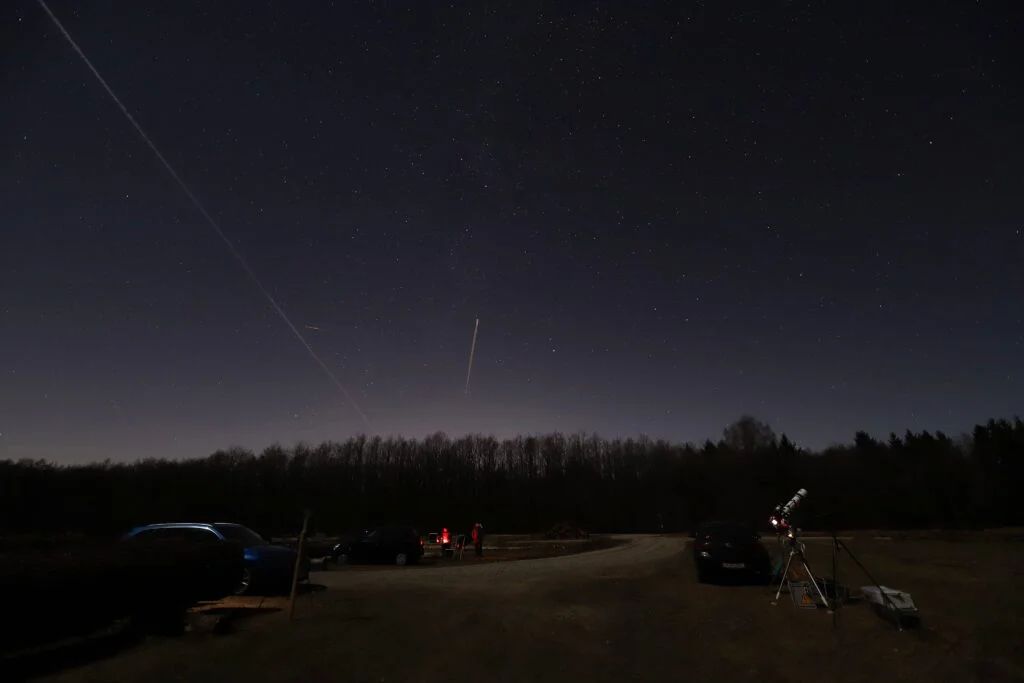
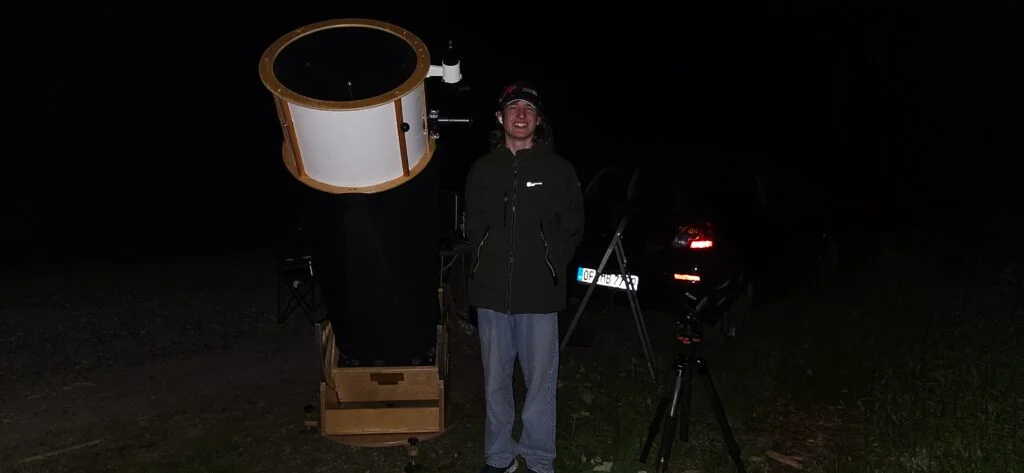
A clear night in Weibersbrunn offered a rare opportunity for stargazing despite the challenges faced this year. Observations included galaxies, star clusters, and the moon.
An evening of stargazing in Weibersbrunn with family and friends, observing various celestial objects despite challenges posed by moonlight.
The galaxy pair Messier 81 and Messier 82, known as Bode's Galaxy and the Cigar Galaxy, is among the most spectacular deep-sky objects visible in the northern night sky.
Discover how to recognize and classify different types of galaxies, including their characteristics, structures, and the tools available for observation.
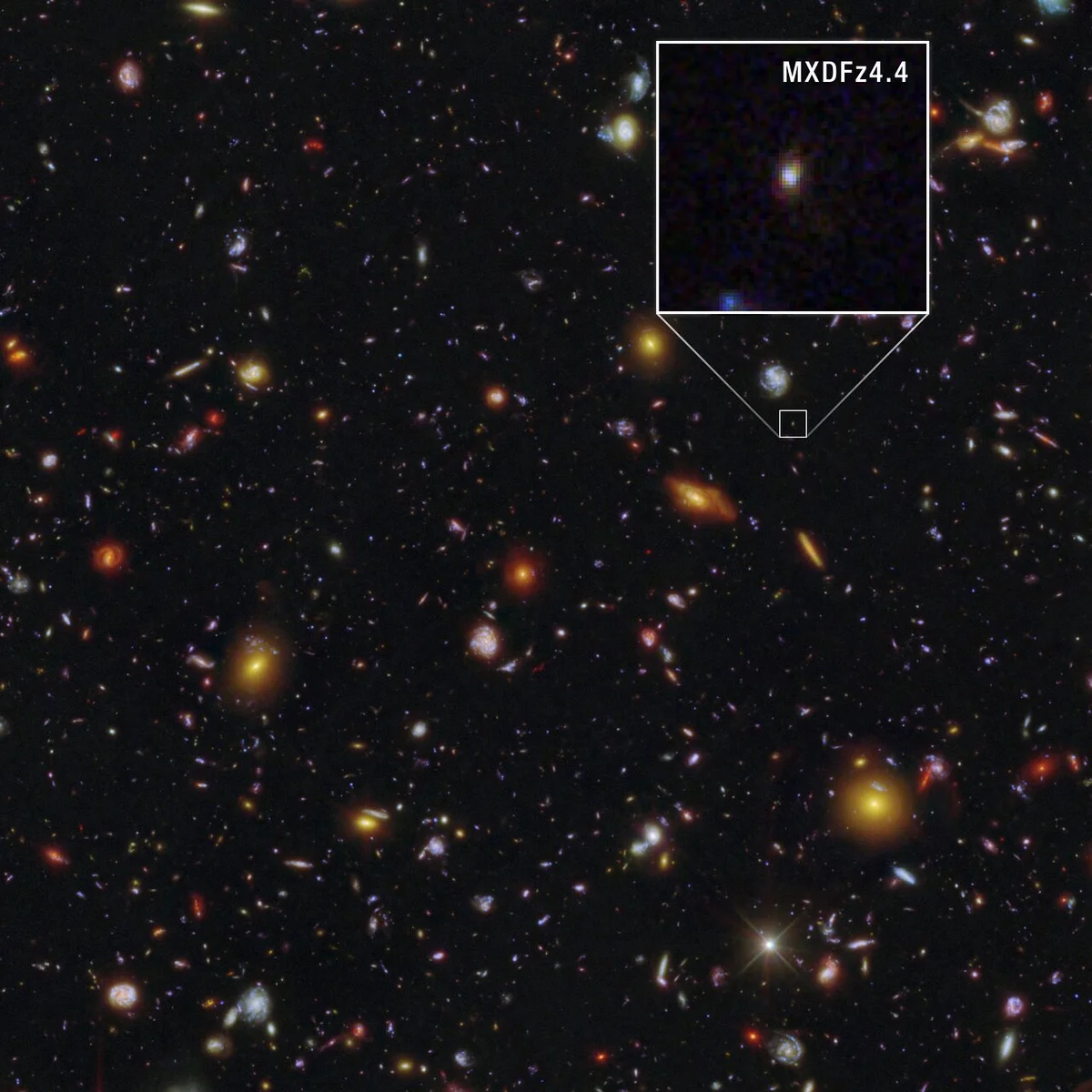
Astronomers have discovered ultraviolet light from a galaxy that existed 1.4 billion years after the Big Bang, shedding light on the reionization era of the universe.
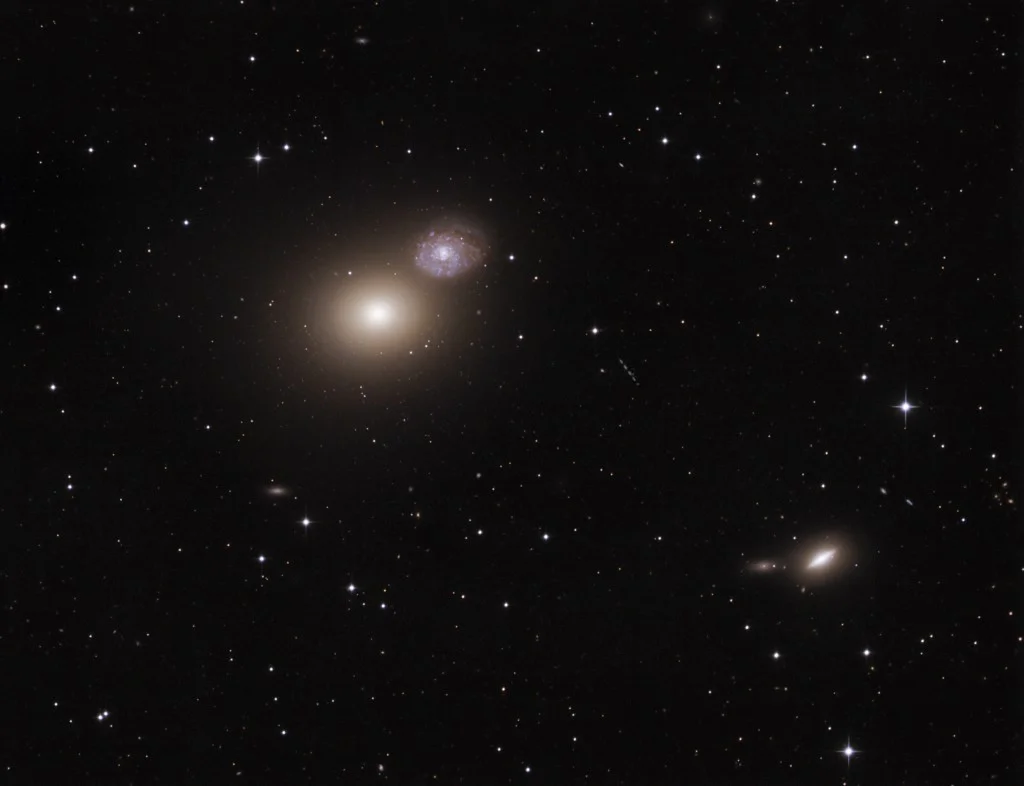
Messier 60 (NGC 4649) is an elliptical galaxy in the constellation Virgo. It was discovered on April 11, 1779, by the German astronomer Johann Gottfried Köhler...
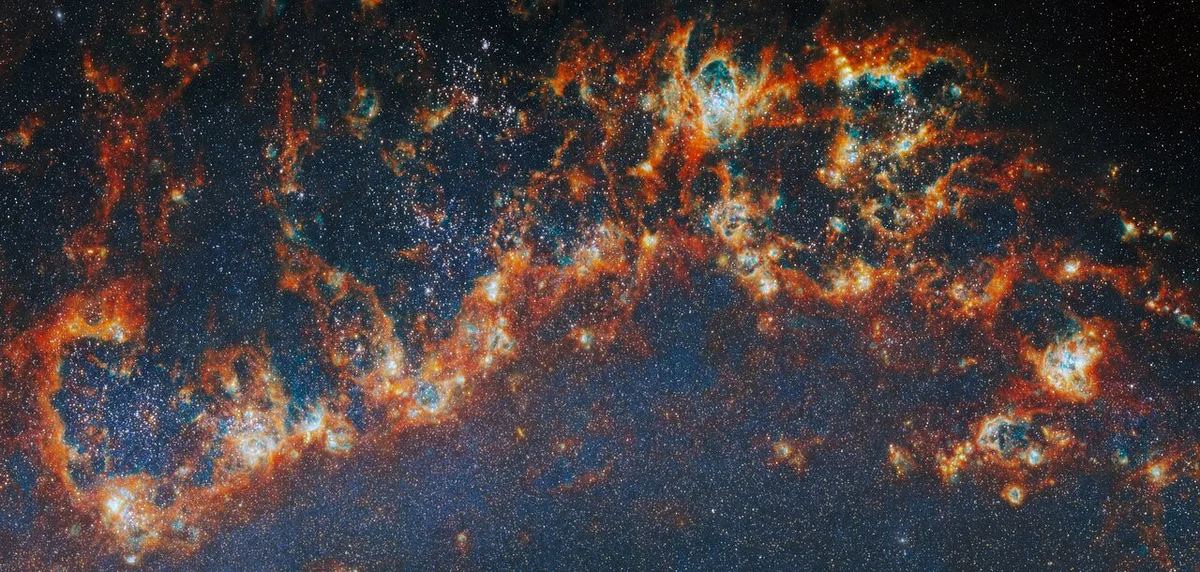
Astronomers have utilized the James Webb Space Telescope and Hubble Space Telescope to examine thousands of young star clusters in nearby galaxies, revealing insights into star formation and the birth of planets.
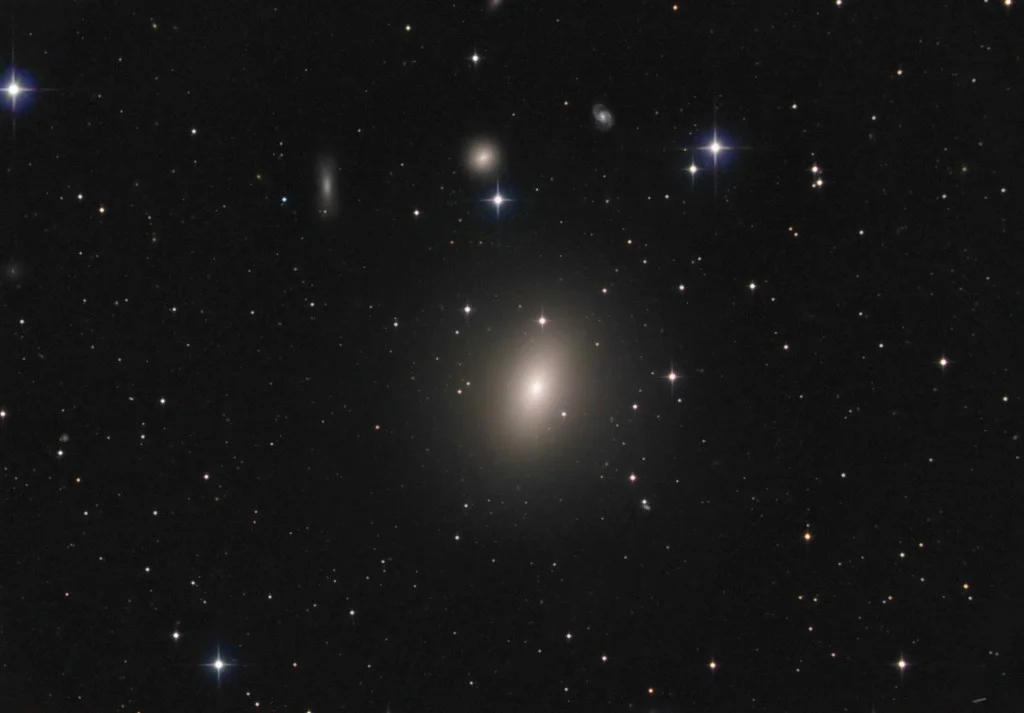
Messier 59 (NGC 4621) is an elliptical galaxy in the constellation Virgo. The object was discovered on April 11, 1779, by the German astronomer Johann Gottfried Köhler in Dresden along with Messier 60 and NGC 4638 while observing the comet Bode.