#stargazing
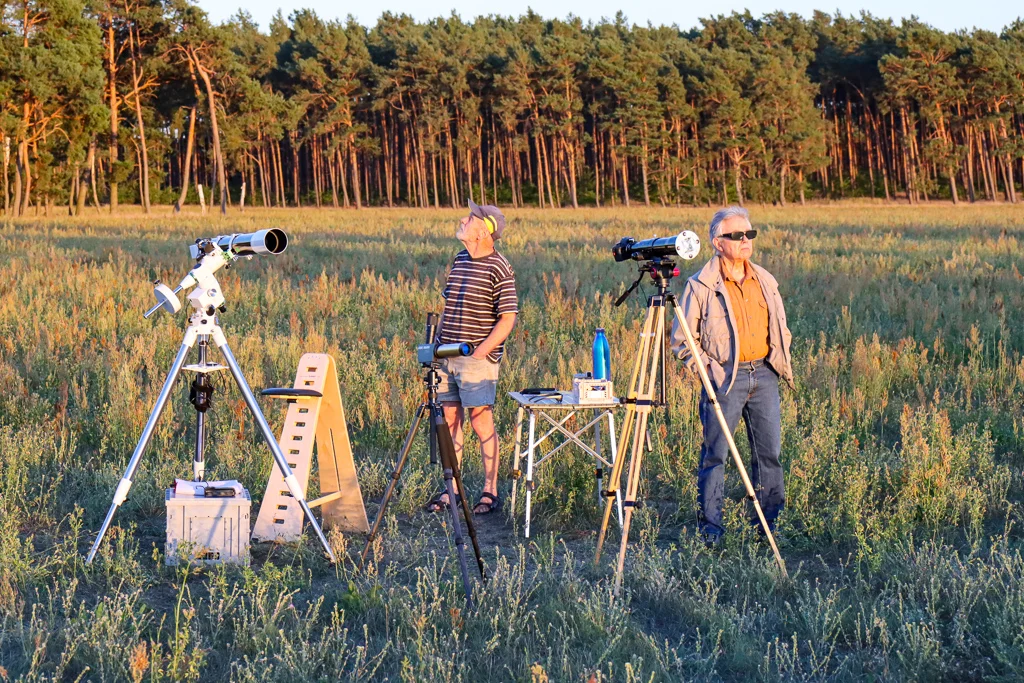
Germany witnessed a deep partial solar eclipse on August 12, with observers sharing their experiences and preparations for the event.
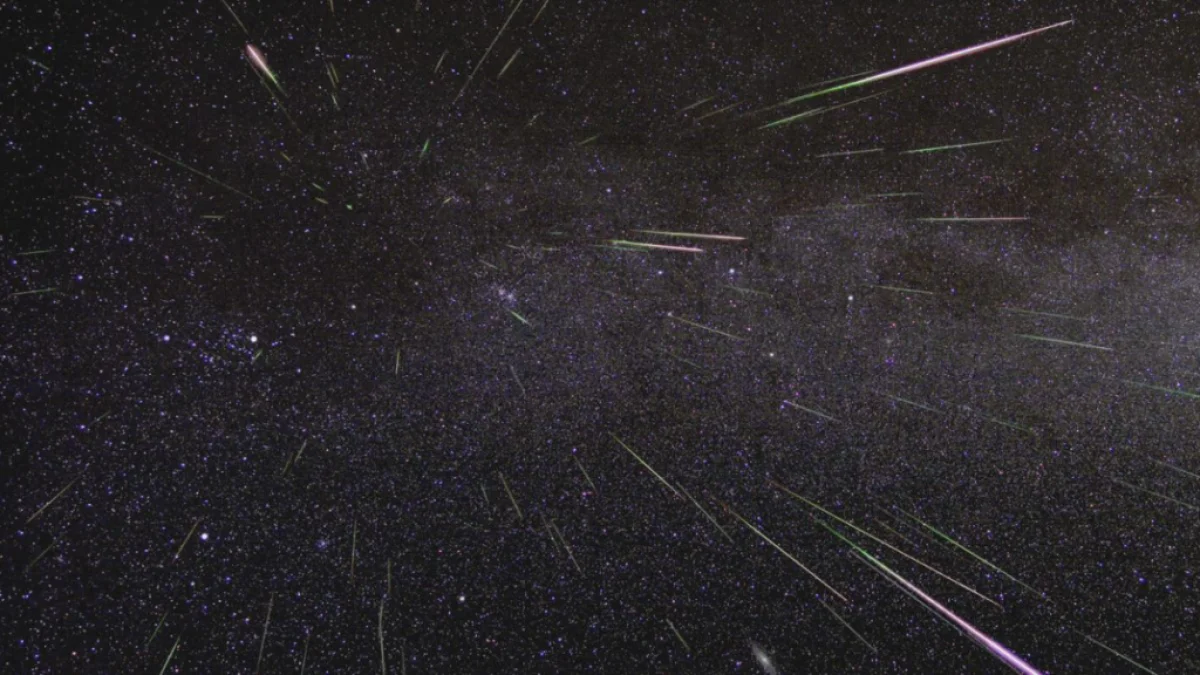
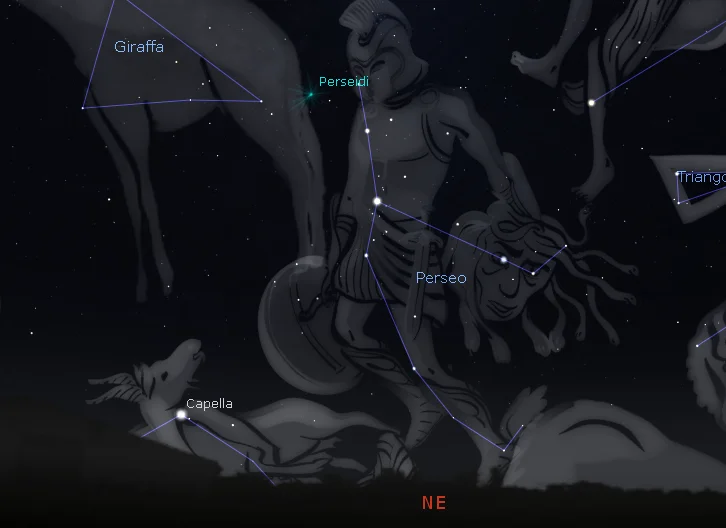
The Perseids are one of the most beautiful meteor showers, visible from late July to late August. Discover their origins and how to enjoy this celestial spectacle.
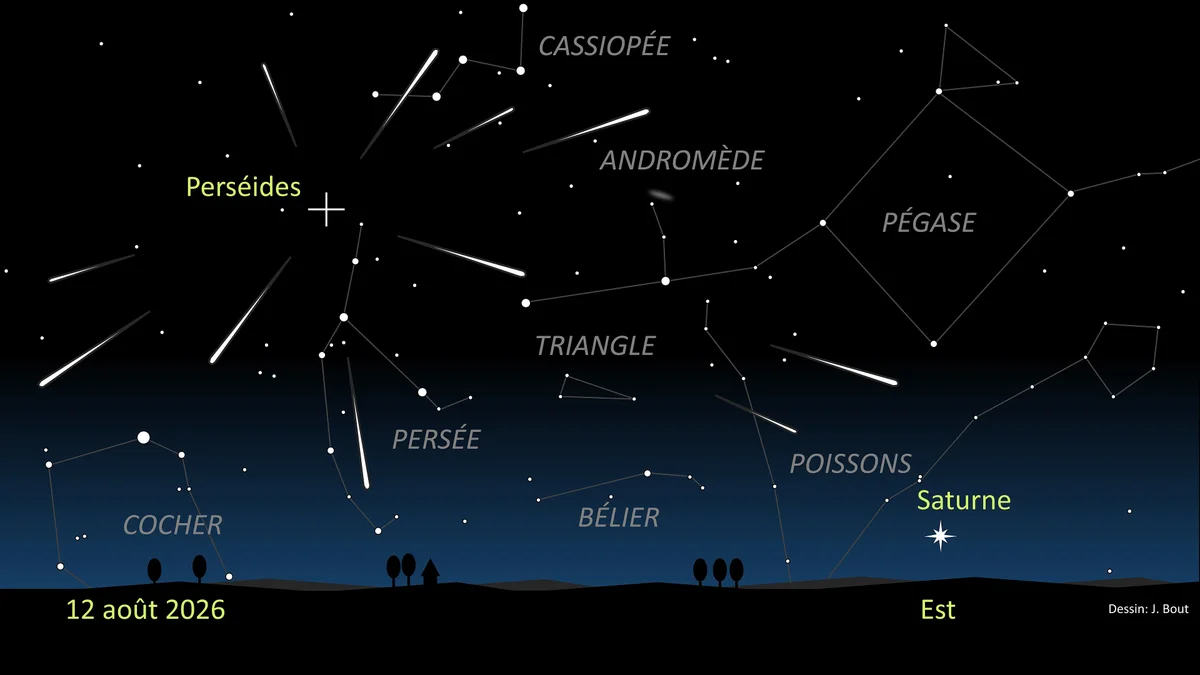
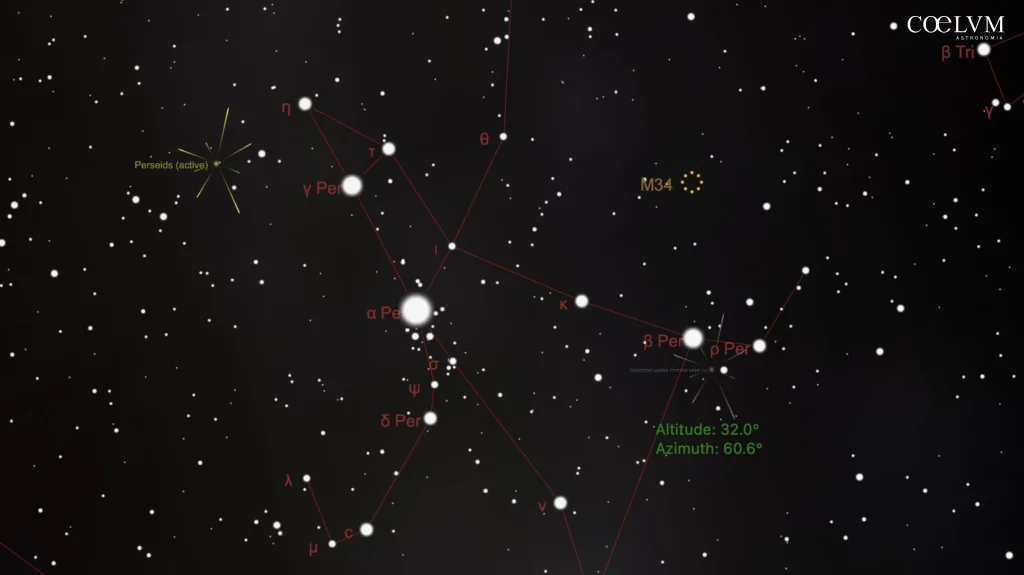
Following the total solar eclipse, the Perseids meteor shower will peak on August 12-13, 2026, under ideal viewing conditions, promising an exceptional celestial display.
Learn how and when to observe the Perseids meteor shower in mid-August, a spectacular celestial event offering up to 100 meteors per hour.
The Perseids, known as the 'tears of San Lorenzo,' make August nights magical. Discover everything you need to know about observing this meteor shower.
Light pollution is increasingly obscuring our view of the night sky, affecting both wildlife and human health. Discover its causes and how to combat it.
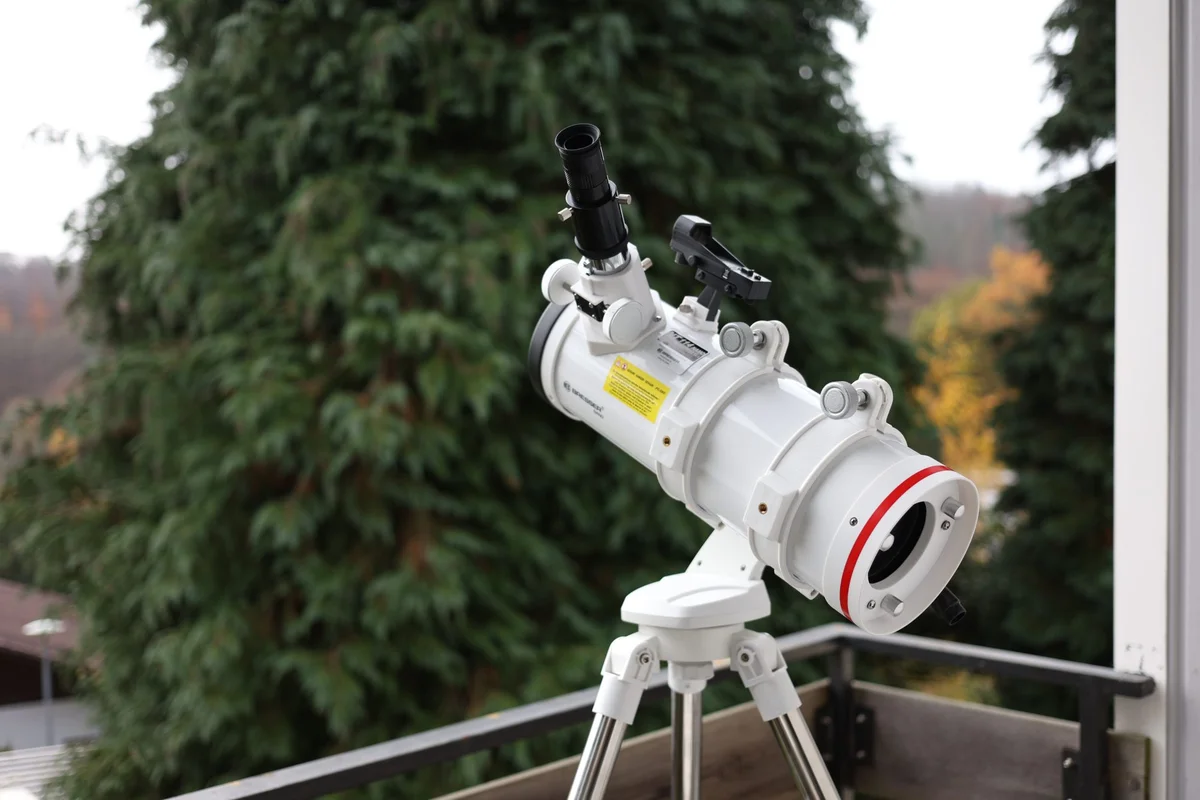
A detailed review of the Bresser NANO NT-114/500 telescope, exploring its features, build quality, and performance for beginner astronomers.
Join us for a night sky observation event led by the Einstein Society of Alcalá la Real, where we will explore various constellations.
Explore the celestial events of August 2026, including notable conjunctions and ideal conditions for stargazing.
On January 16, 2025, Mars will reach heliacal opposition, providing a significant opportunity for stargazers to observe the Red Planet as it shines brightly in the night sky.
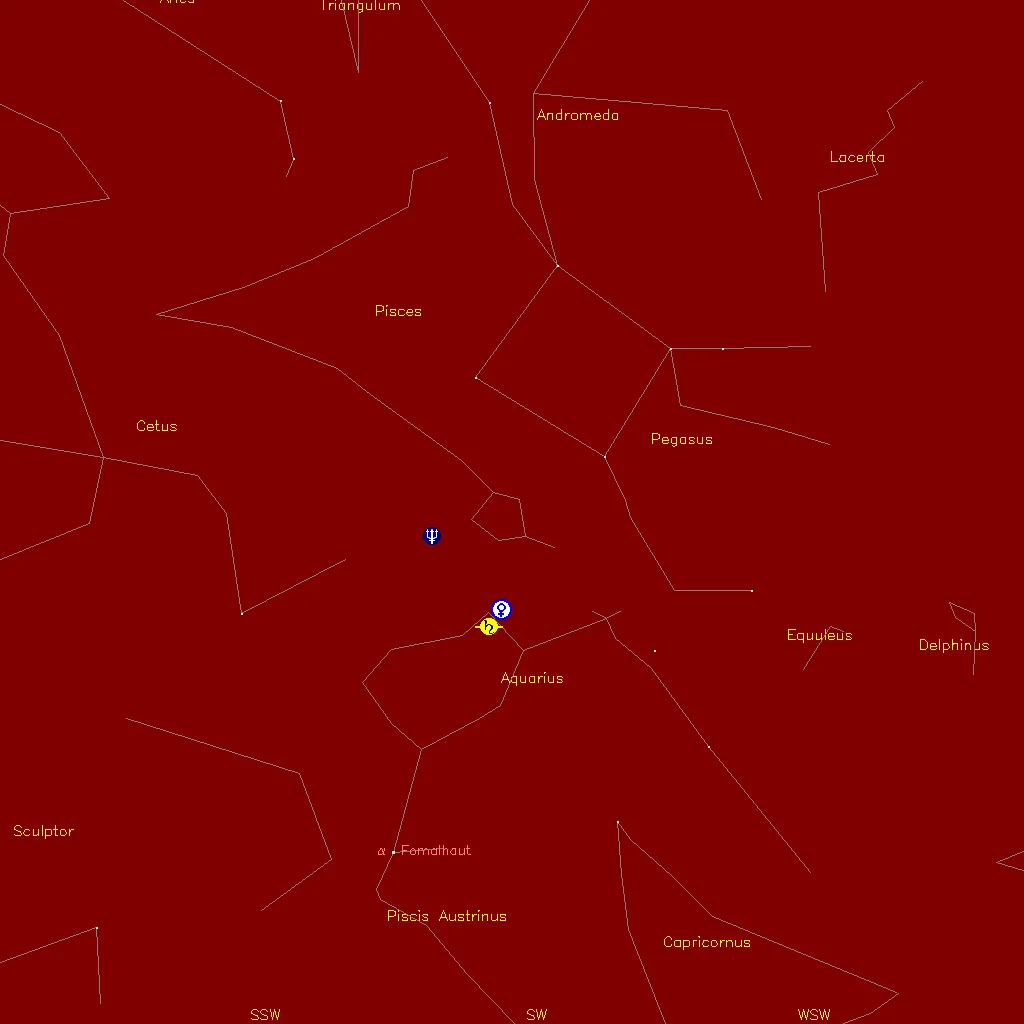
On January 19, 2025, Venus and Saturn will meet in a spectacular conjunction. Discover what planetary conjunctions are, how to observe this event, and tips for astronomical photography.
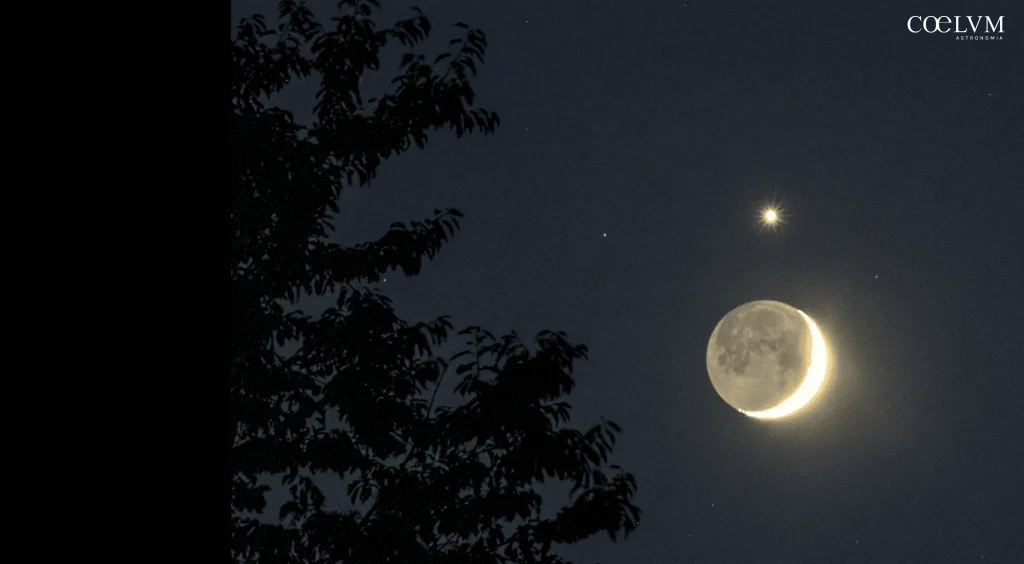
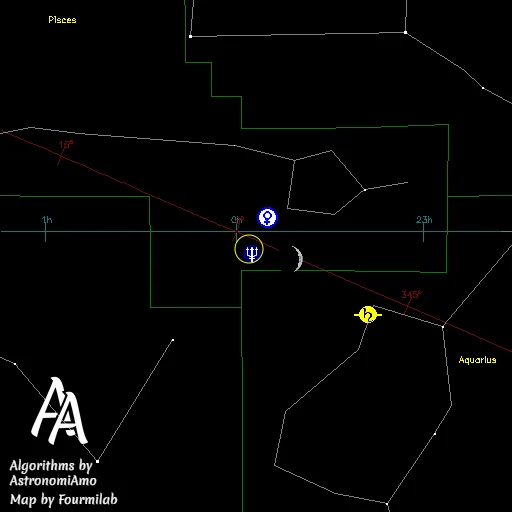
On February 1, 2025, a spectacular multiple conjunction of celestial bodies will be visible shortly after sunset, featuring the Moon, Venus, Saturn, and Neptune.