The Perseids: A Spectacular Meteor Shower to Witness
The Perseids are one of the most beautiful meteor showers, visible from late July to late August. Discover their origins and how to enjoy this celestial spectacle.
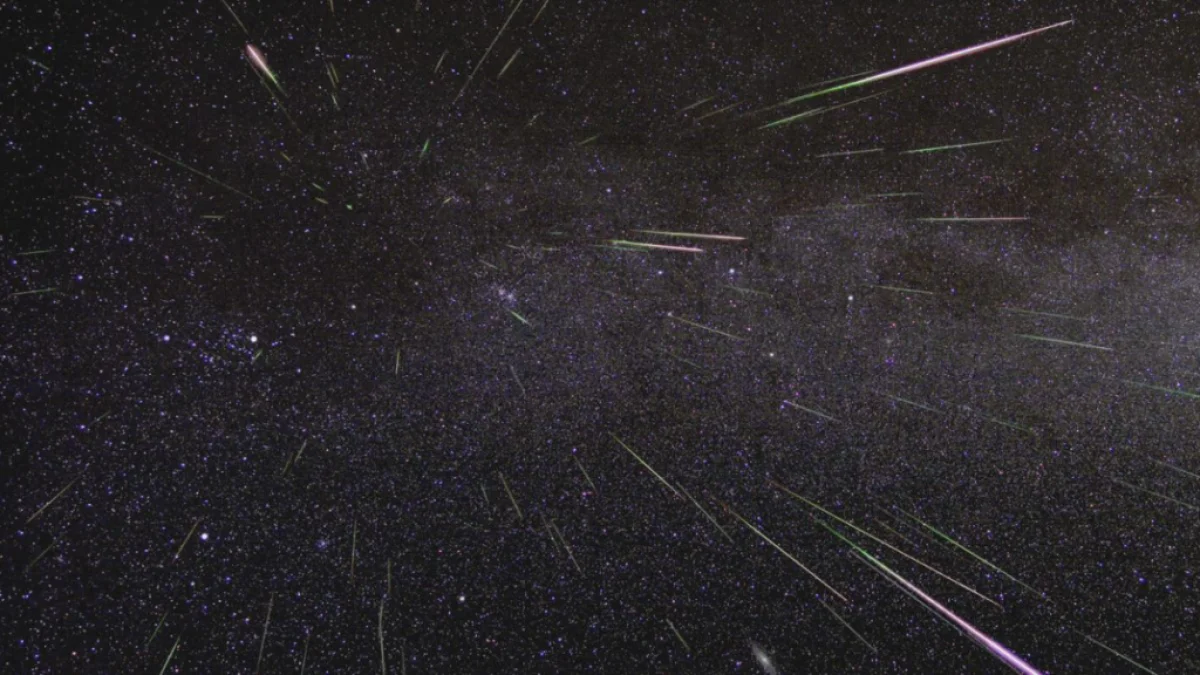
The Perseids: A Spectacular Meteor Shower to Witness
The Perseids are celebrated as one of the most beautiful meteor showers of the year. Often referred to as "shooting stars," these meteors travel at remarkable speeds of 59 km/s, leaving behind vibrant trails of light as they streak through the Earth's atmosphere. The Perseids are among the most prolific meteor showers, with 50 to 100 meteors visible each hour, and they can be observed from late July through late August during the warm summer nights. While they are not the only meteor shower—others like the Geminids, Leonids, and Orionids are also well-known—the “tears of Saint Lawrence” certainly hold a special allure.
Origins of the Perseids
These meteors originate from particles released by comets or fragments of asteroids. As comets orbit the Sun, they shed a trail of dust. Each year, Earth passes through these debris trails, and when these particles enter the atmosphere, they disintegrate, creating fiery and colorful streaks in the sky due to friction (the color varies based on their chemical composition). The Perseids are specifically linked to the comet 109P/Swift-Tuttle, which has a nucleus measuring 26 kilometers in diameter. This comet takes 133 years to complete one orbit around the Sun. It was Giovanni Schiaparelli who identified in 1865 that this comet was the source of the Perseids, while the comet itself was discovered in 1862 by Lewis Swift and Horace Tuttle. The Swift-Tuttle last visited the inner solar system in 1992. For those interested in stargazing, the book Primo incontro con il cielo stellato by Daniele Gasparri is highly recommended. Below is a video created by Stefano Maraggi:
Credit image by NASA / JPL