August Comets: 10P/Tempel at Perihelion
Astronomers are focusing on comet 10P/Tempel as it approaches its perihelion this August, offering unique viewing opportunities for enthusiasts and professionals alike.
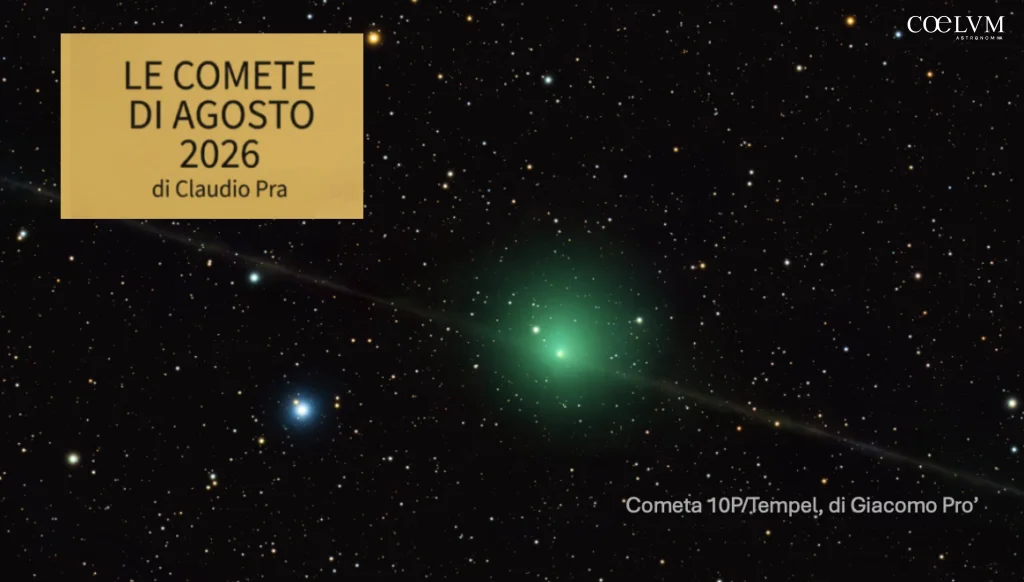
August Comets: 10P/Tempel at Perihelion
This month, astronomers are particularly focused on comet 10P/Tempel as it approaches its perihelion, the point in its orbit where it is closest to the Sun. This event provides a unique opportunity for both amateur and professional astronomers to observe the comet in greater detail.
Comet 10P/Tempel has a notable orbital period of approximately 5.5 years, making it a recurring presence in our night sky. Its perihelion is expected to occur this August, drawing significant interest from the astronomical community.
Observers can expect to see a brightening of the comet as it draws nearer to the Sun, which will cause the gases and dust surrounding it to become more active. This phenomenon is a hallmark of comets as they approach perihelion.
The comet was first discovered in 1867 by the German astronomer Wilhelm Tempel. Since then, it has been observed multiple times, allowing scientists to gather valuable data on its composition and behavior. The insights gained from these observations contribute to our understanding of the early solar system and the materials that formed the planets.
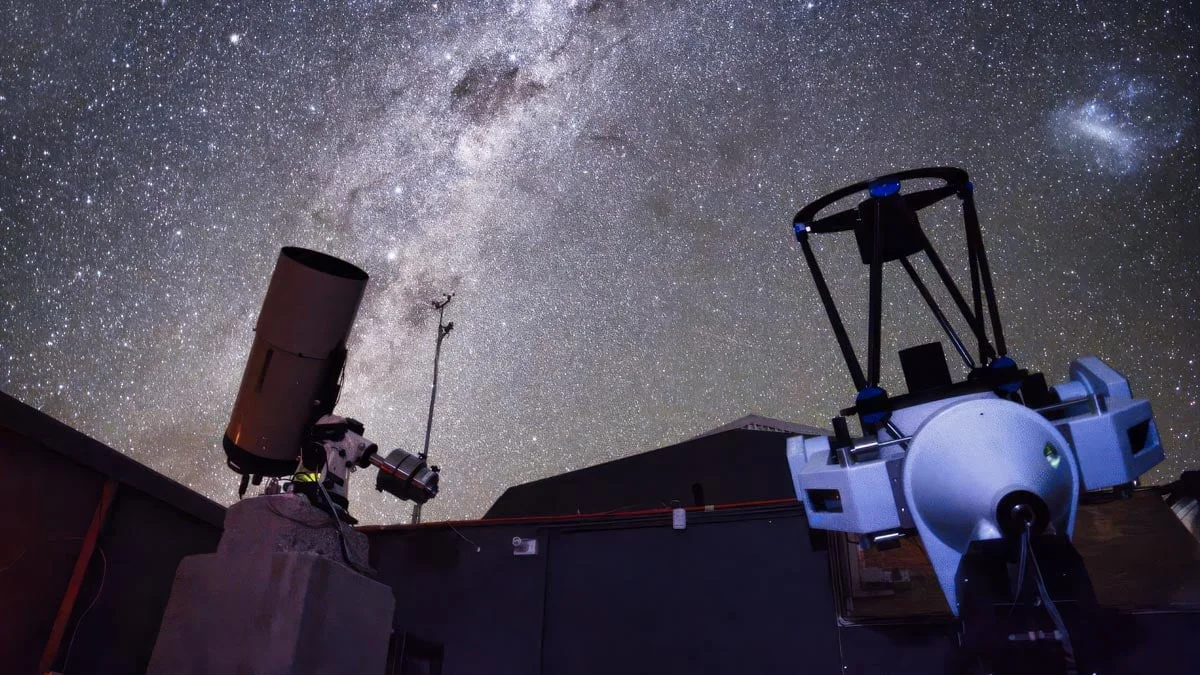
In preparation for its appearance, astronomers are encouraging enthusiasts to equip themselves with telescopes or even high-quality binoculars to catch a glimpse of this celestial wanderer. The best viewing opportunities will occur during the later hours of the night, when the sky is darkest.
As the comet approaches perihelion, it will be crucial for observers to monitor its trajectory and brightness. This data not only enhances our knowledge of 10P/Tempel but also aids in tracking other comets that may follow similar paths in the future.
Stay tuned for updates as we get closer to the peak visibility of 10P/Tempel, and prepare to witness a spectacular display from this fascinating object of our solar system.