Astrocamping: A Night of Challenges and Discoveries
A night filled with cloud cover turned into a rewarding experience for an astrocamping enthusiast, leading to the discovery of a supernova in NGC 3310.
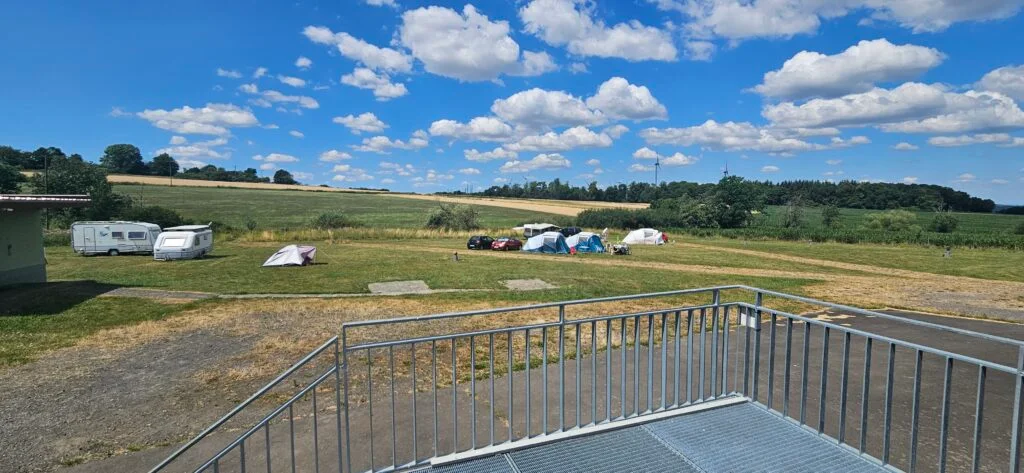
A Test of Patience with Cloud Cover
Following a series of brilliant nights, the sky today revealed its more temperamental side. Initially, it was almost completely overcast, with only a few stars peeking through at select moments. Ben, weary of the cloud lottery, retreated to the tent—understandably so, as one had to remain vigilant for any openings in the clouds. The views through the telescope were, unfortunately, far less impressive than what we had experienced in the preceding days.
The Quest for the Supernova
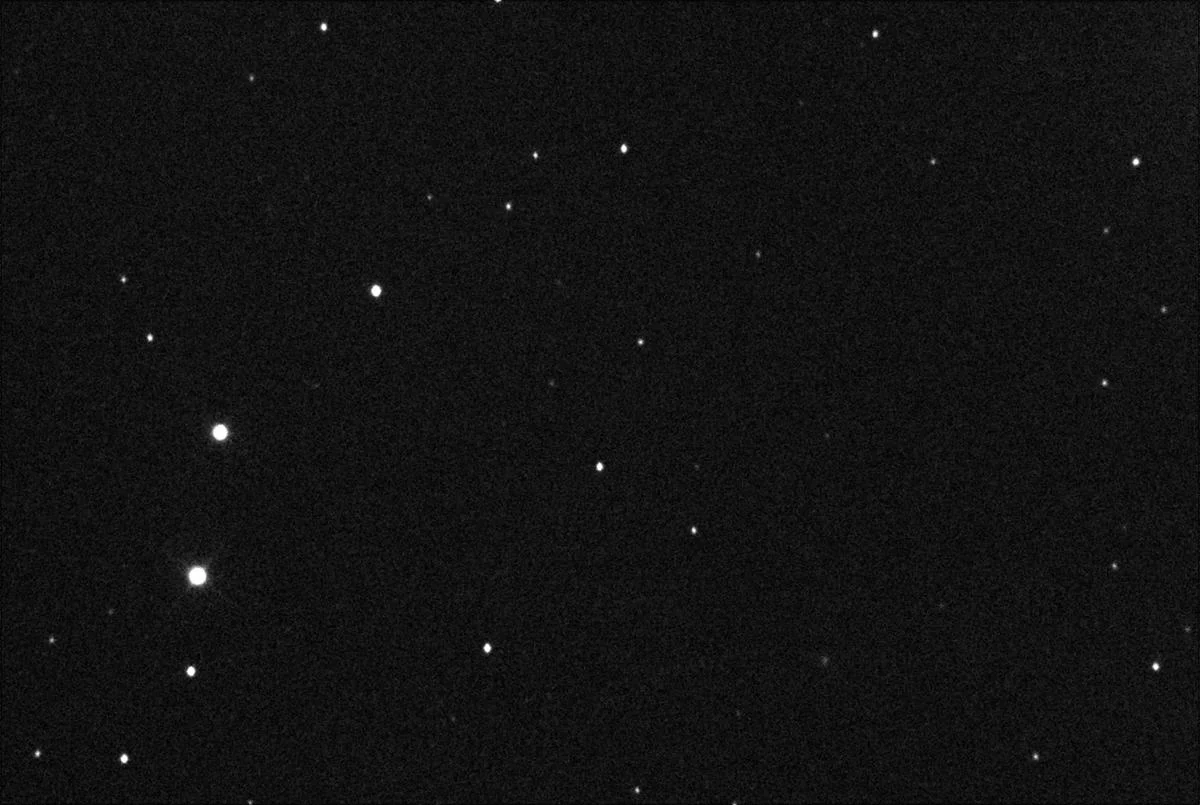
I learned from one of our neighbors about a newly discovered supernova in the galaxy NGC 3310. This was an exciting lead! I was determined to locate it visually and capture it photographically with the Seestar. However, my initial attempt yielded a photo where the galaxy was barely distinguishable from the stars due to the veil of clouds—it is already quite small, making this a significant challenge under the current conditions.
To make the most of my waiting time while hoping for a clearer sky, I captured the Trifid Nebula (M20) with the Seestar. Simultaneously, I took the opportunity to warm up my visual observations using binoculars to view Cr399 and the Trifid Nebula. I also observed M13 and M92 through the telescope.
The Sky Clears Up
As often happens in our hobby, patience paid off: the sky improved as the night progressed. With some star hopping and assistance from my neighbors, I was finally able to visually locate the supernova in NGC 3310—a thrilling moment, especially given the adverse conditions. The second photographic attempt with the Seestar was also successful; the galaxy was clearly identifiable in the image. This discovery even coaxed Ben out of the tent, as we had last observed a supernova together in the Vogelsberg two years ago.
Once Ben settled back in, I took advantage of the last clear phase to observe the planetary nebula NGC 6781 in the constellation Aquila. It is quite small and round, becoming distinctly visible only at medium magnification. To conclude this somewhat sluggish yet ultimately rewarding night, I couldn’t miss the Wild Duck Cluster (M11) in the constellation Scutum, which looked best at 127x magnification.
Here’s an image of the Wild Duck Cluster (M11) in the constellation Scutum:
If you’d like to see more images of deep-sky objects, feel free to check out my newly created photo gallery.
Comments are welcome below. Constructive criticism is just as appreciated as positive feedback. Perhaps you have observed an object mentioned in this report and would like to share your observations here.
Image Sources
- SN_NGC3310_108x20sec_2026-07-13: Matze Schmidt
- M_11_57x20sec_2026-07-13_final: Matze Schmidt
- Astrocamping_4: Matze Schmidt