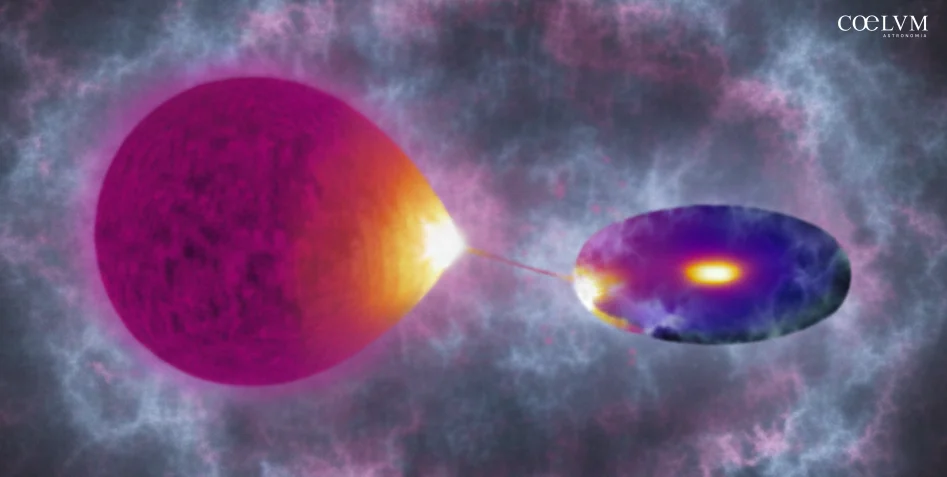
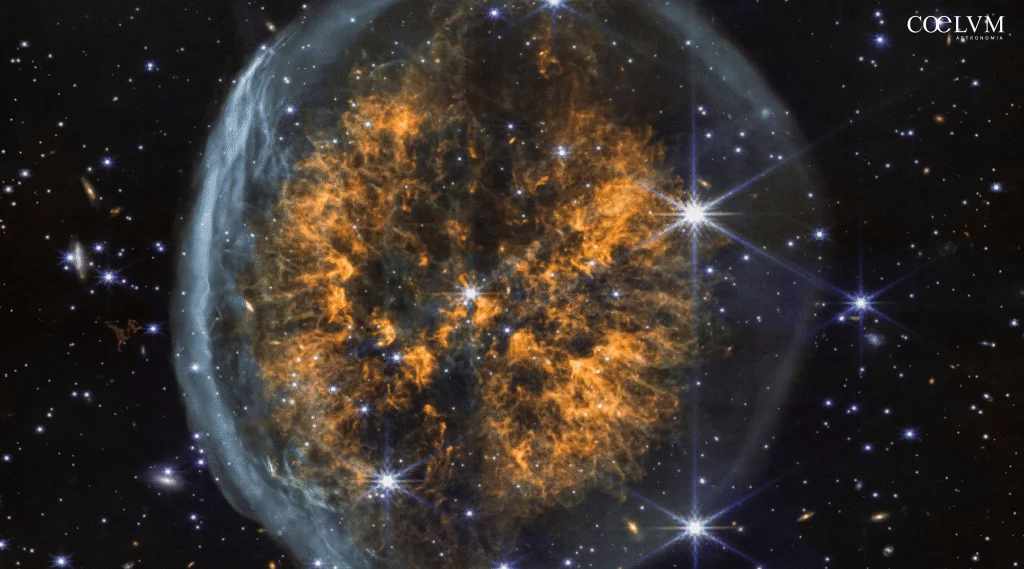
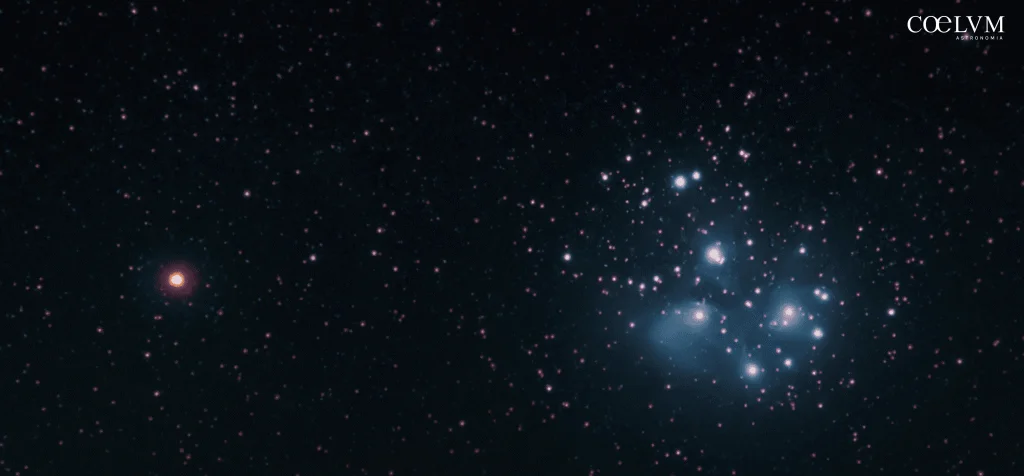
The Blaze Star has not yet exploded. The reason is that the wait is more complex than expected.
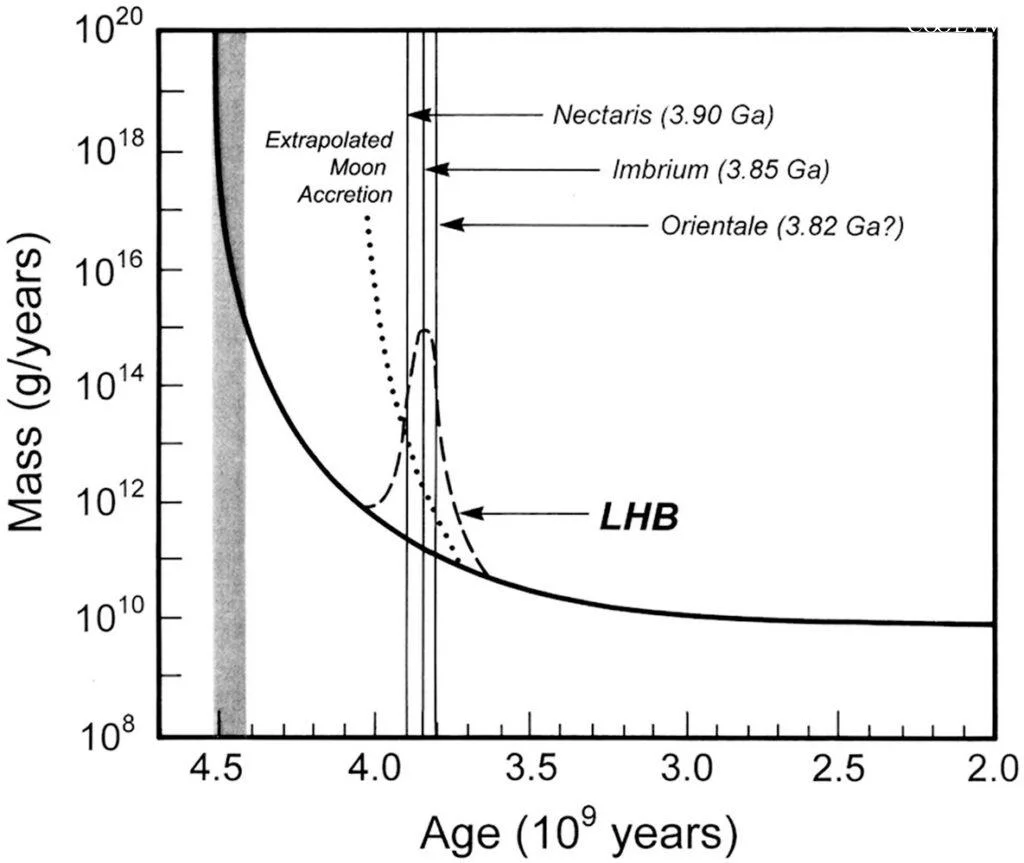
Impact craters are the most common geological process among celestial bodies in our Solar System. They are used in planetary geology as a dating method to establish the relative age of structures.
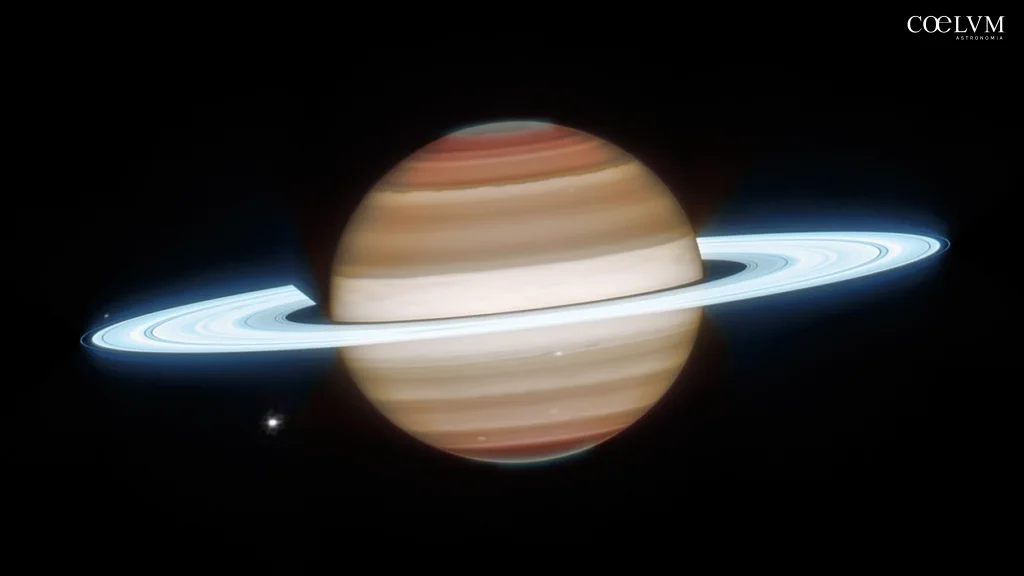
Webb Observes Saturn in Infrared, revealing details about its rings, vortices, and atmospheric haze.
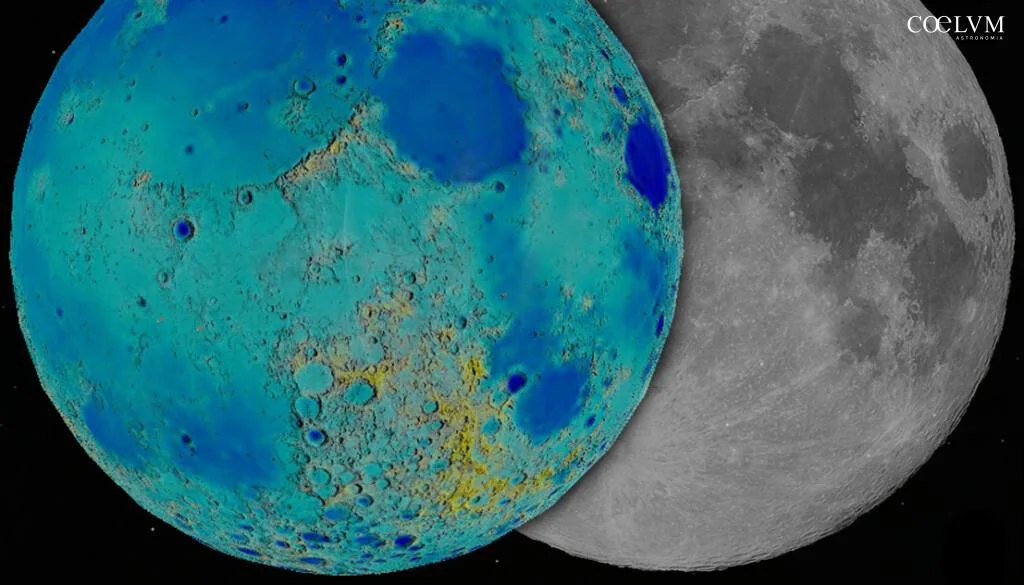
Observing the Moon through a telescope reveals the vast number of impact craters on its rocky surface. This guide explores various types of lunar craters, their formation, and how to identify their age.
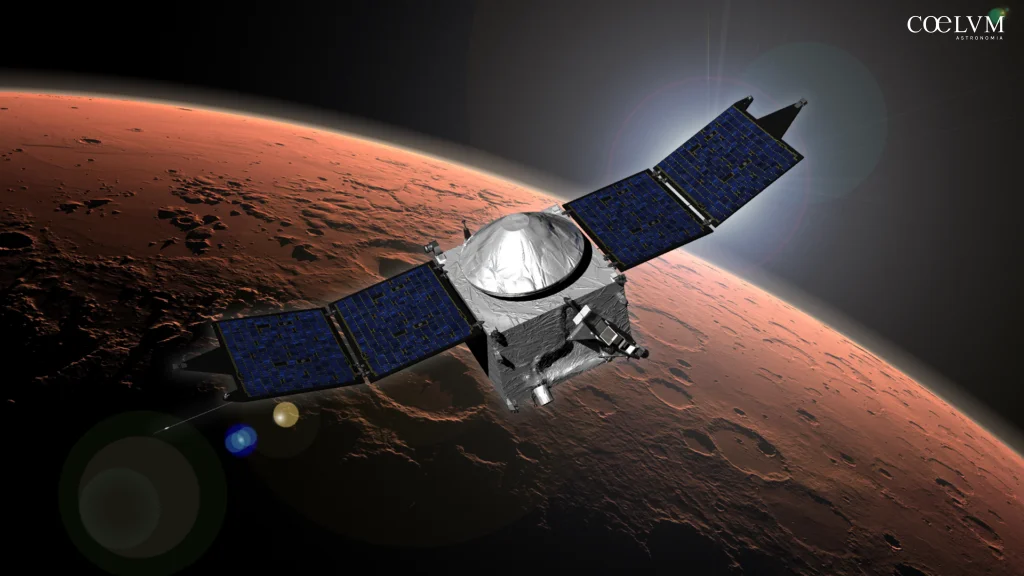
After eleven years, contact with NASA's MAVEN spacecraft, orbiting Mars, has officially been terminated. MAVEN was designed to study the Martian atmosphere and its evolution.
Access or register to continue reading. The content you are trying to view is reserved for registered users. To access, please log in with your account or register on the site.
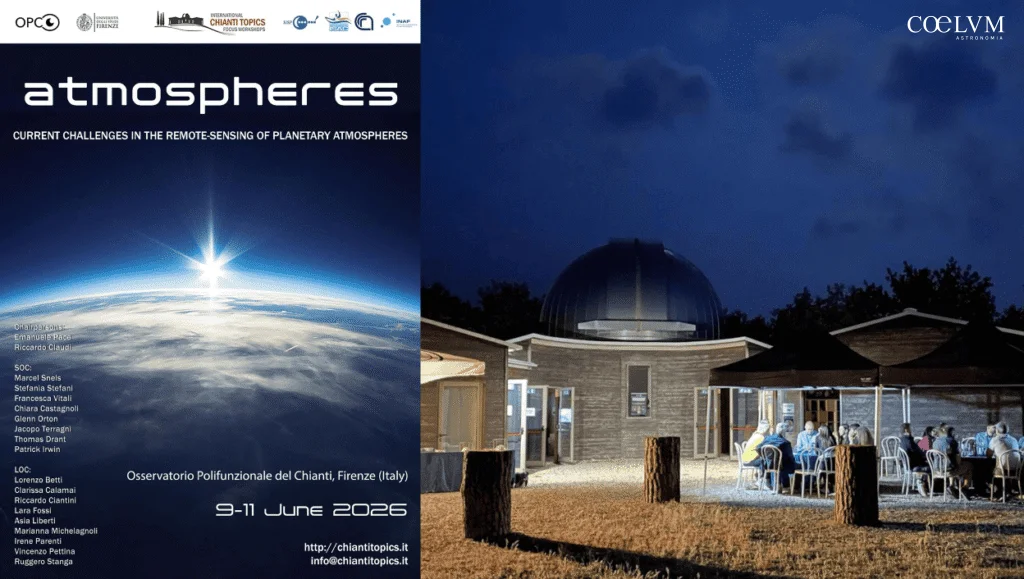
On June 9-10-11, the Chianti Multifunctional Observatory will host the 9th Chianti Topics International Focus Workshop on Atmospheres, focusing on challenges in remote detection of planetary atmospheres.
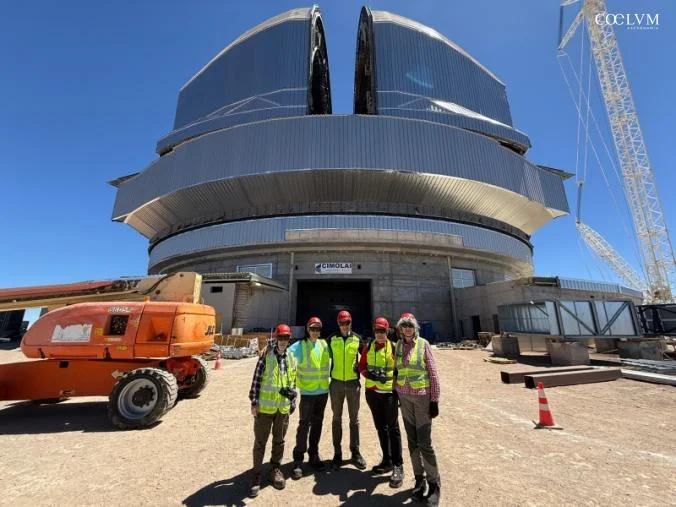
Explore the largest observatories in Chile, focusing on the Extremely and Very Large Telescope (ELT-VLT).
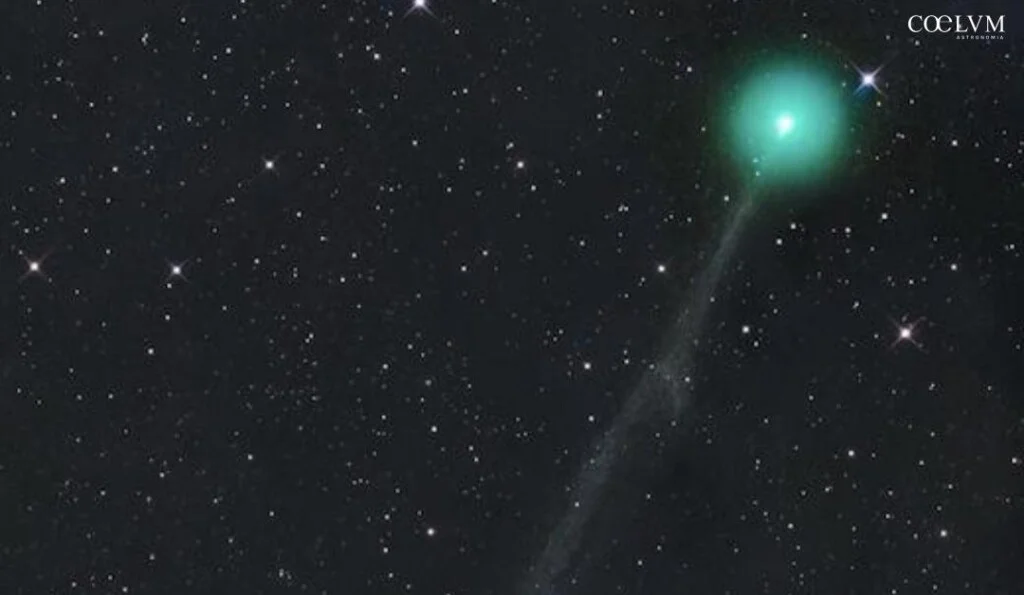
In early June, the short-period comet 220P/McNaught experienced a significant outburst, increasing its brightness from magnitude 18 to 9, making it observable with binoculars.
Access or register to continue reading. The content you are trying to view is reserved for registered users. To access, please log in with your account Coelum Astronomia or register on the site.
A tender love story unfolds as Jupiter and Venus share a kiss in the night sky, captivating scholars and romantics alike.
In astronomy, conjunctions are extremely common events. This article distinguishes between conjunctions that are worth observing and those that are not, providing a detailed schedule for June.