Exploring Messier 28: A Glimpse into a Globular Cluster
Discover the fascinating characteristics of Messier 28, a globular cluster in Sagittarius that offers insights into stellar evolution and the dynamics of our galaxy.
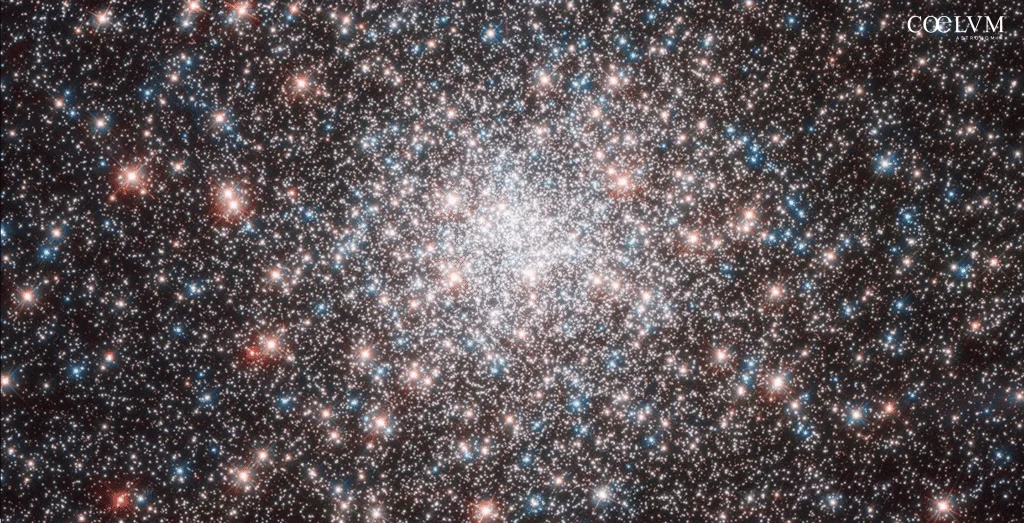
Messier 28: A Stellar Marvel
Messier 28, also known as M28, is a captivating globular cluster located in the constellation Sagittarius. This astronomical formation is not just a cluster of stars; it is a complex structure that offers insights into the formation and evolution of our galaxy.
Discovered by the French astronomer Charles Messier in 1764, M28 is situated approximately 18,500 light-years away from Earth. It contains several hundred thousand stars, tightly packed together, which creates a stunning visual spectacle when viewed through telescopes. The cluster's dense core is particularly intriguing, as it is believed to host a variety of stellar phenomena, including potential black holes and neutron stars.
Characteristics of M28
M28 is classified as a globular cluster, a type of star cluster that is spherical in shape and contains a large number of stars. These clusters are typically older than open clusters, and M28 is no exception, with an estimated age of around 13 billion years. This ancient cluster provides a unique opportunity for astronomers to study the early stages of star formation and the dynamics of stellar evolution.
The cluster's stars are mostly older, low-mass stars, with a significant number of them being red giants. The presence of these stars suggests that M28 has undergone significant evolutionary processes, making it an important object of study for understanding the life cycles of stars.
Observational Highlights
Astronomers often target M28 for observational studies due to its brightness and distinctive features. The cluster can be observed with small telescopes, making it accessible to amateur astronomers as well. Its location in the rich star fields of Sagittarius provides a stunning backdrop for observations.
M28 is also notable for its high concentration of variable stars, including a number of RR Lyrae stars, which are used as standard candles to measure cosmic distances. The study of these stars helps refine our understanding of the scale of the universe.
Conclusion
In summary, Messier 28 stands out as a remarkable globular cluster that not only captivates observers with its beauty but also serves as a vital laboratory for astronomical research. As we continue to explore such clusters, we gain deeper insights into the formation and evolution of galaxies, enhancing our understanding of the cosmos.