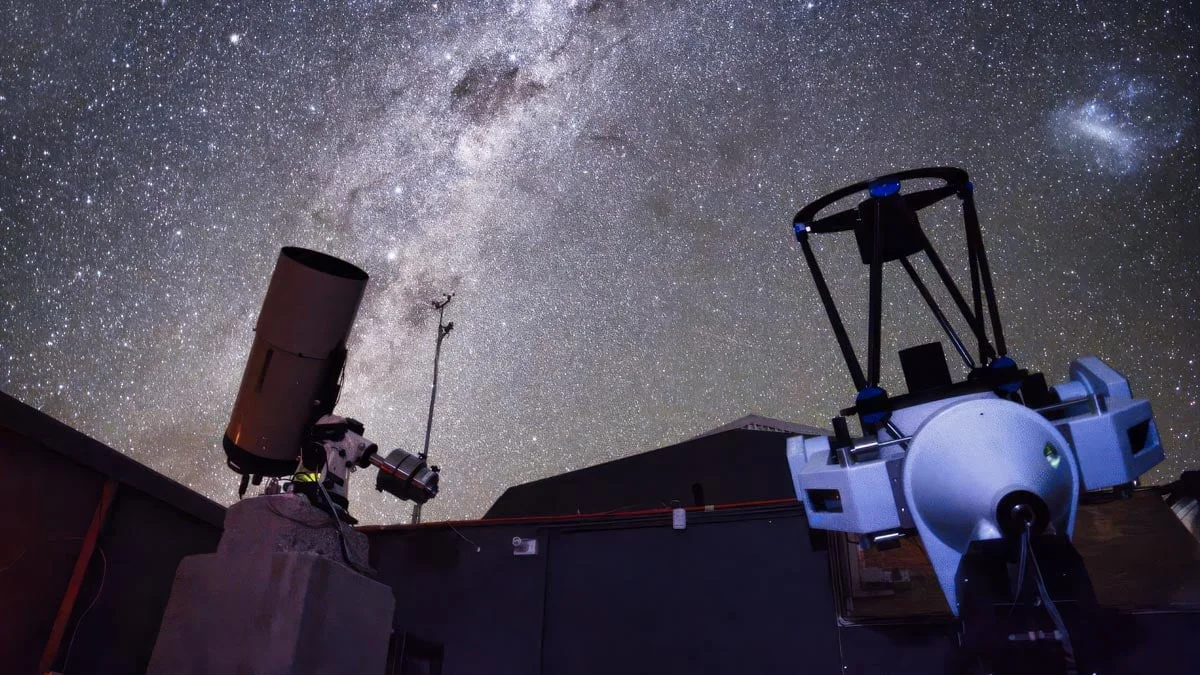
Exploring the Cosmos: The Future of Space Exploration
Exploring the future of space exploration, including Mars missions, the Artemis program, and advancements in technology such as the James Webb Space Telescope.

As humanity continues to push the boundaries of space exploration, the cosmos remains an alluring frontier. The advancements in technology and our understanding of the universe have opened up new opportunities for discovery and exploration.
Recent missions have showcased the potential for deeper exploration of Mars and beyond. NASA's Perseverance rover, which landed on the Red Planet in February 2021, has been instrumental in searching for signs of ancient life and collecting samples for future return to Earth. This mission marks a significant step in our quest to understand Mars and its history.
In addition to Mars exploration, the Artemis program aims to return humans to the Moon by the mid-2020s, with the goal of establishing a sustainable presence there. This initiative will not only advance our lunar exploration but also serve as a testing ground for technologies that will be essential for future missions to Mars.
The private sector is also making strides in space travel. Companies like SpaceX are revolutionizing access to space with reusable rocket technology, significantly reducing the cost of launching payloads into orbit. Their Starship spacecraft is being developed for missions to the Moon and Mars, paving the way for a new era of interplanetary travel.
Furthermore, the James Webb Space Telescope, launched in December 2021, is set to transform our understanding of the universe. With its advanced capabilities, it will allow astronomers to observe distant galaxies, stars, and planets with unprecedented clarity, providing insights into the formation of the universe and the potential for life beyond Earth.
The collaboration between government agencies and private enterprises is essential for the future of space exploration. By pooling resources and expertise, we can achieve more ambitious goals and expand our reach into the cosmos. As we look ahead, the possibilities seem limitless, and the excitement of discovery is palpable.
As we embark on this journey, it is crucial to consider the ethical implications of our explorations. The potential for contamination of other celestial bodies and the preservation of space environments are topics that require careful consideration. Balancing exploration with responsibility will ensure that we can continue to explore the cosmos for generations to come.
In conclusion, the future of space exploration is bright, with numerous missions and projects on the horizon. The continuous advancements in technology and our growing understanding of the universe will undoubtedly lead to groundbreaking discoveries. As we venture further into the unknown, the spirit of exploration will remain at the heart of humanity's quest to understand our place in the universe.