#space exploration
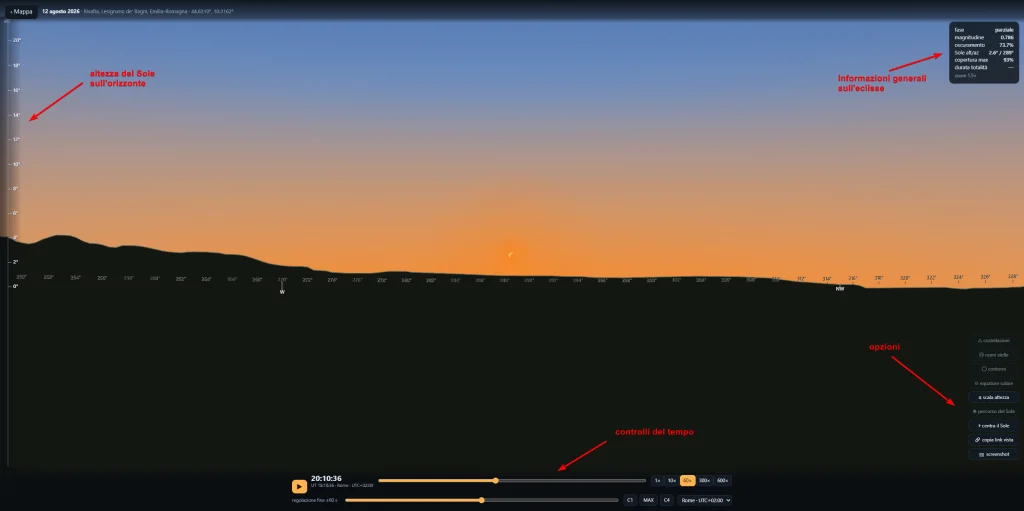
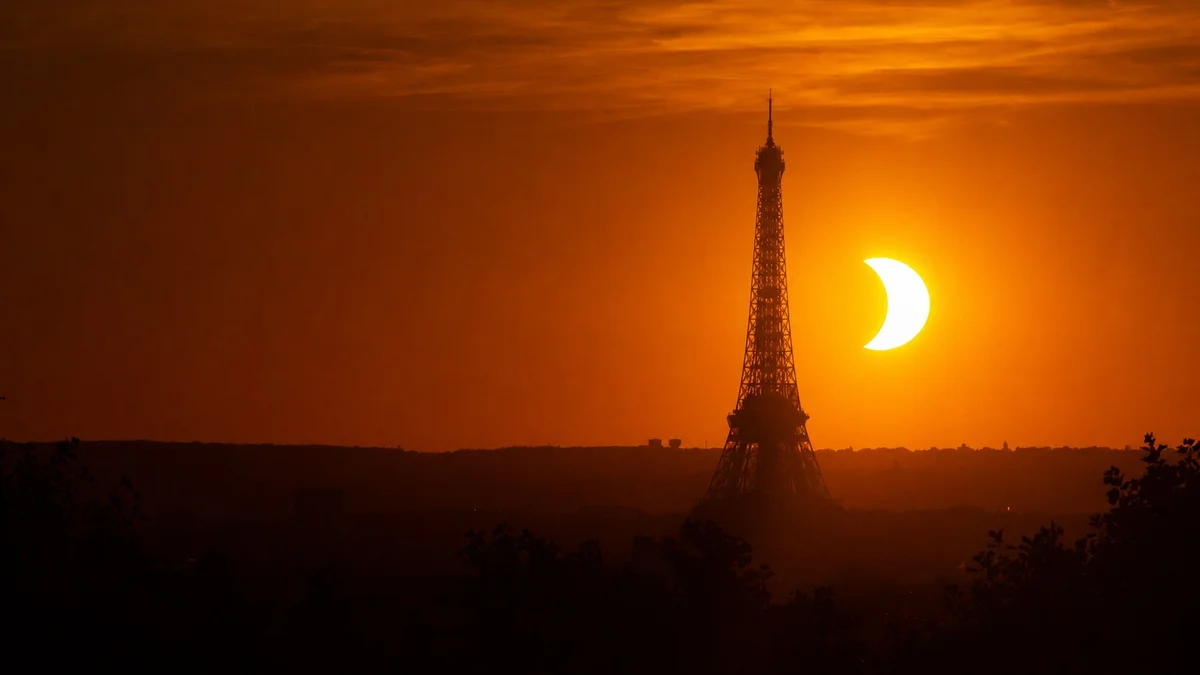
On August 12, 2026, Italy will experience a partial solar eclipse. Discover a free simulator to help you observe it perfectly.
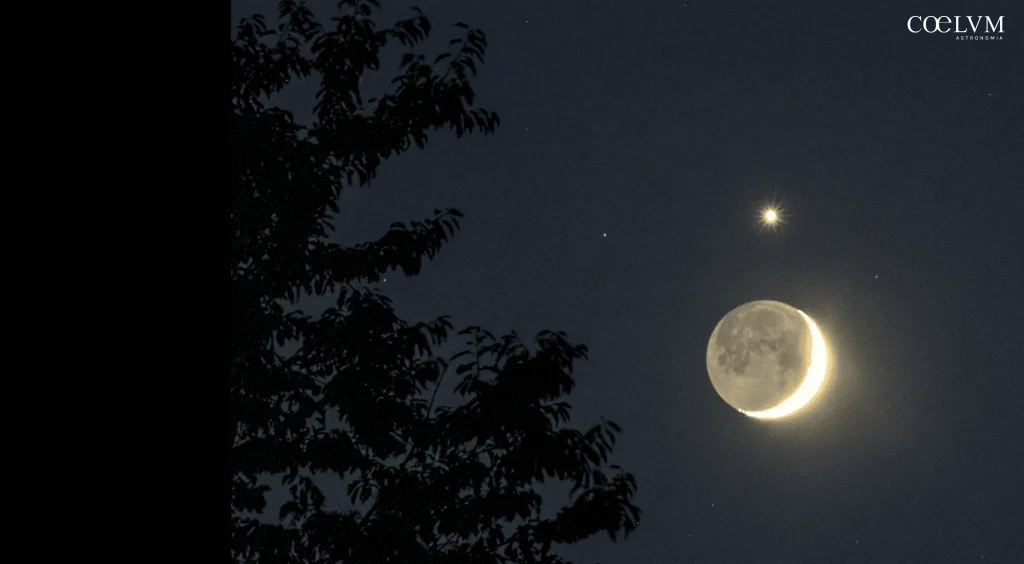
Explore the celestial events of August 2026, including notable conjunctions and ideal conditions for stargazing.
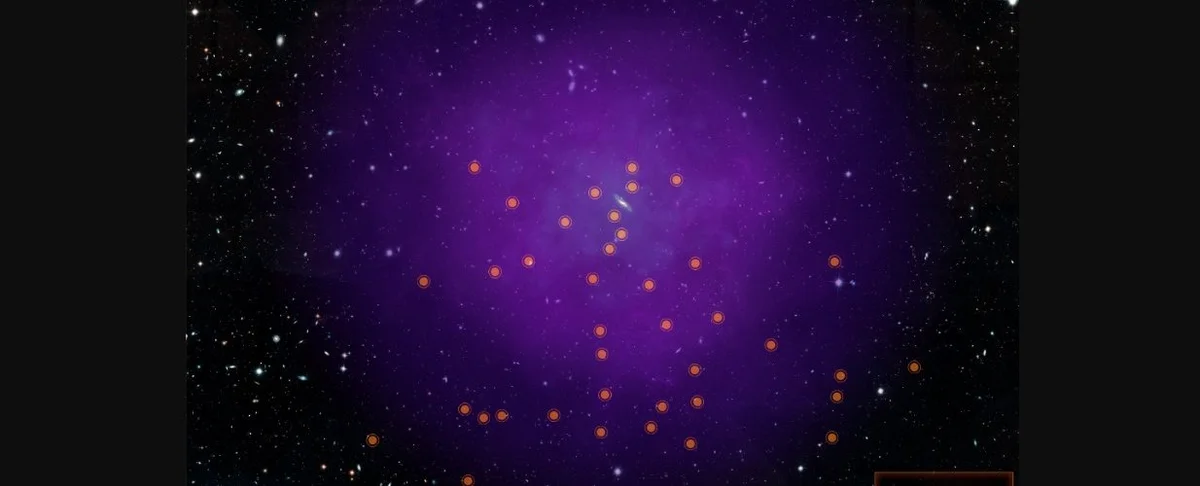
Recent findings reveal details about the halo surrounding the Andromeda Galaxy, enhancing our understanding of both Andromeda and our own Milky Way.
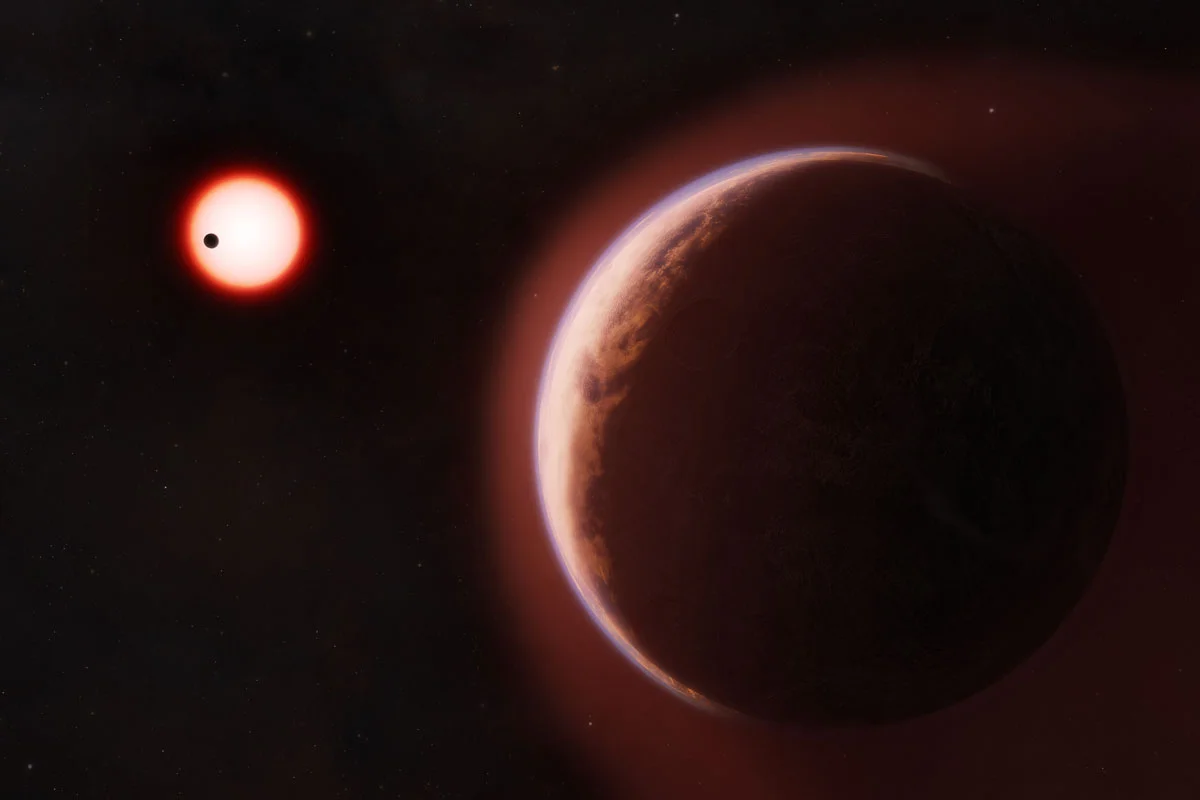
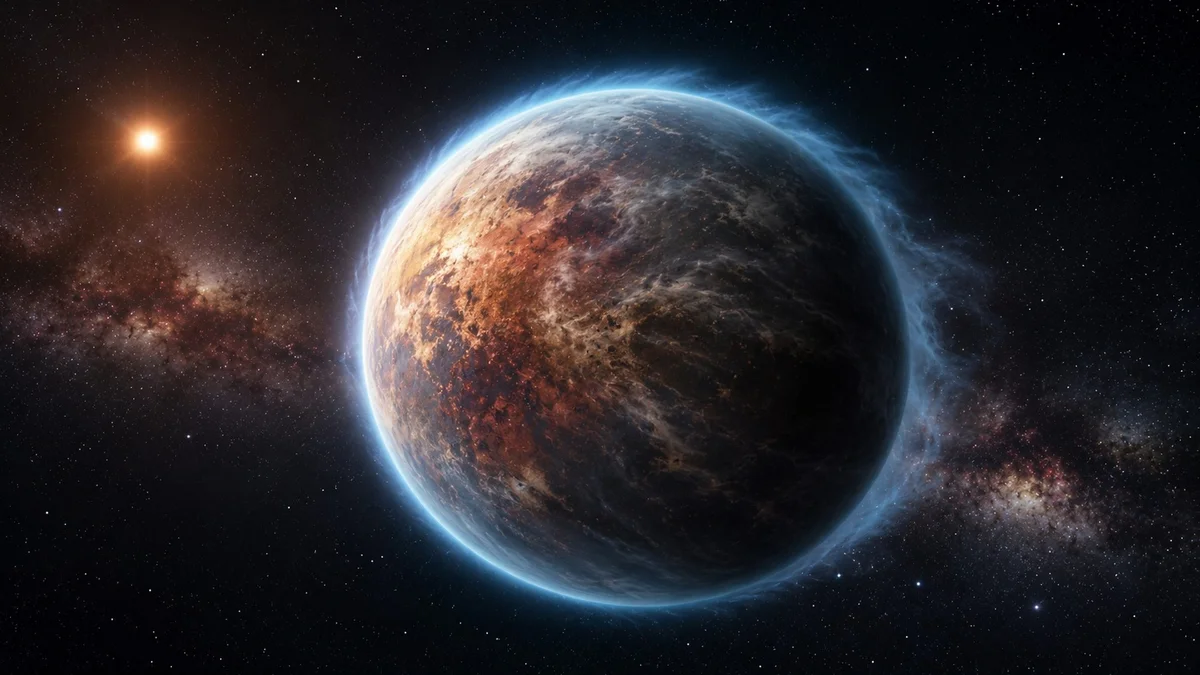
Recent claims of detecting an atmosphere on a rocky exoplanet have sparked skepticism among scientists, urging caution and further investigation.
Find the best spots to view the solar eclipse on August 12, 2026, in France's largest cities, including Paris, Marseille, Lyon, Toulouse, and Nice.
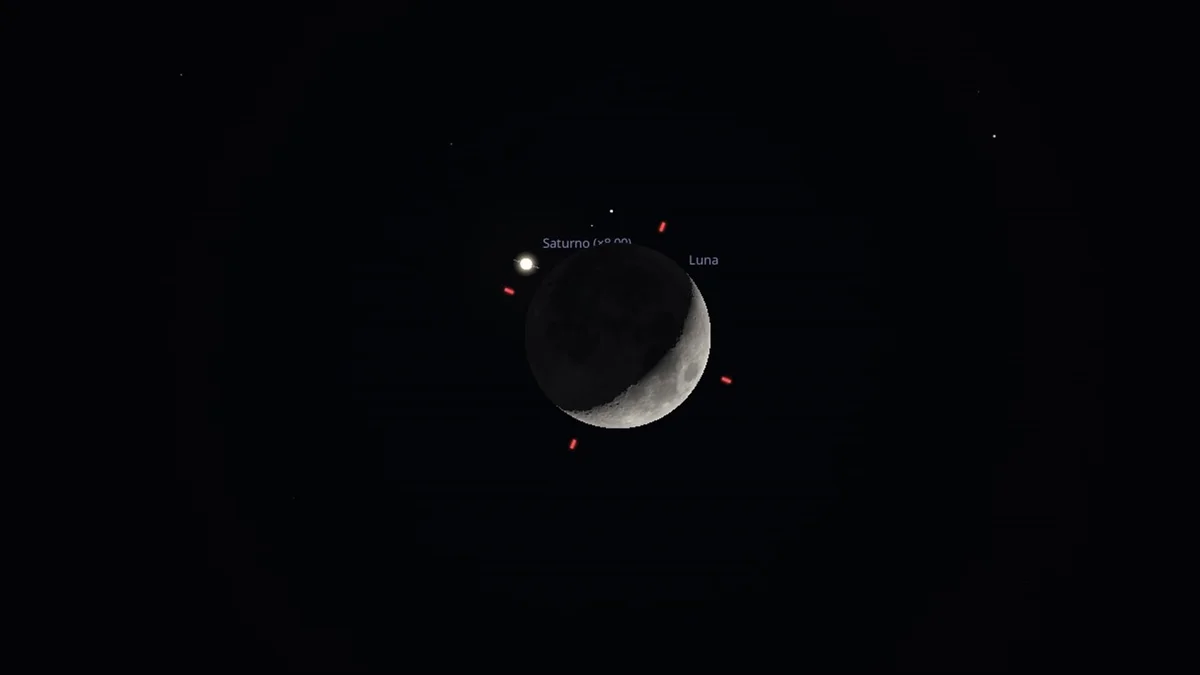
On January 4, 2025, Saturn will be occulted by the Moon, a noteworthy astronomical event visible across most of Italy, with specific timings for major cities.
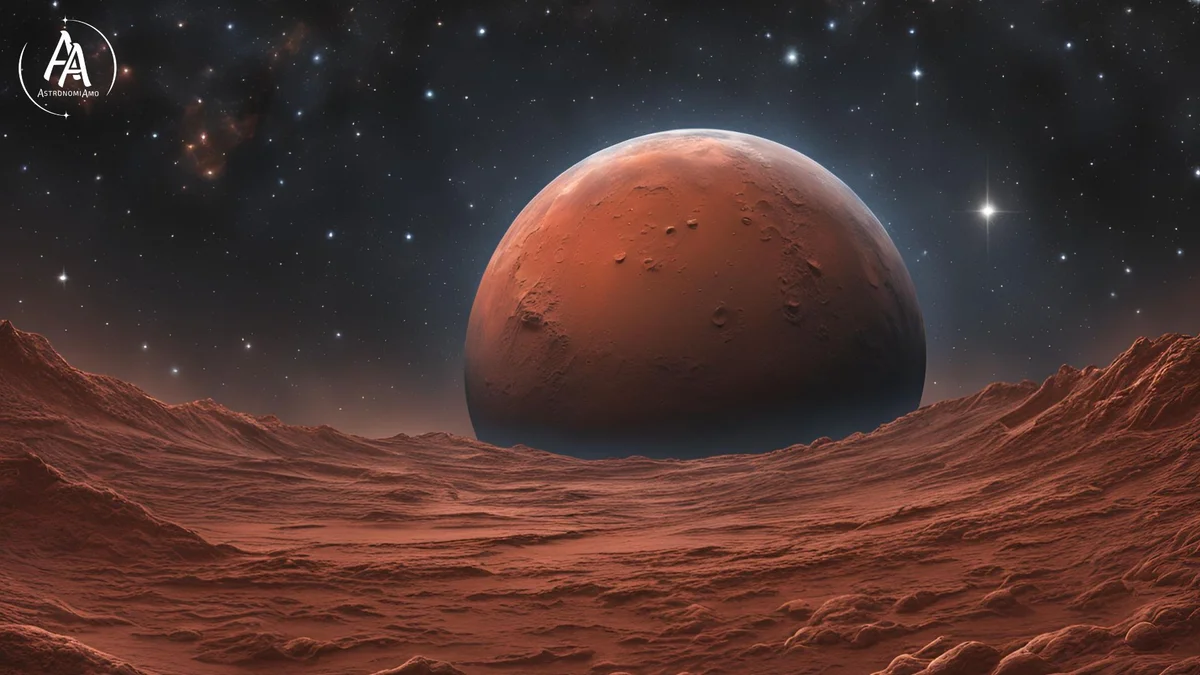
On January 16, 2025, Mars will reach heliacal opposition, providing a significant opportunity for stargazers to observe the Red Planet as it shines brightly in the night sky.
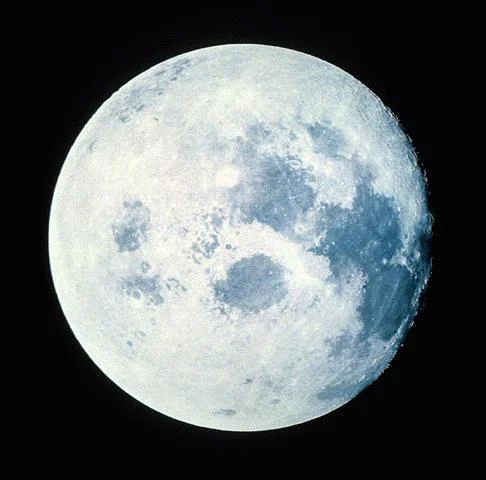
The Moon is Earth's only satellite and a key body in our Solar System, observable in detail. This article explores its characteristics, formation theories, and influence on tides.
Explore the Moon, Earth's only natural satellite, its formation theories, surface features, and its impact on tides and timekeeping. Learn about its fascinating characteristics and phases.
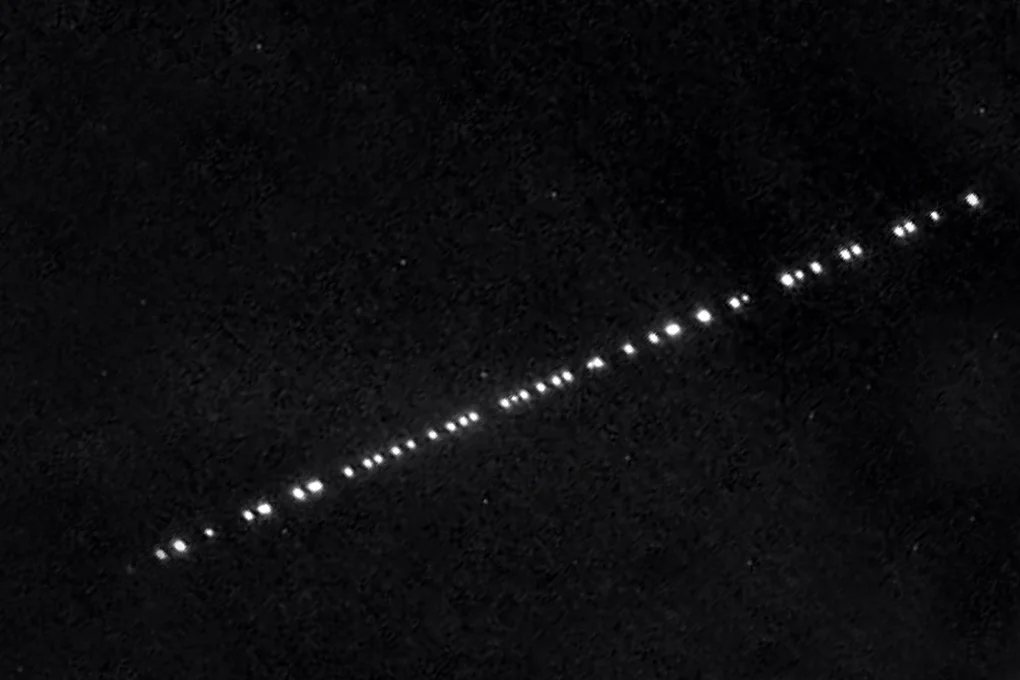
Learn how to spot SpaceX's Starlink satellites in the night sky and discover their predicted passes with helpful maps.
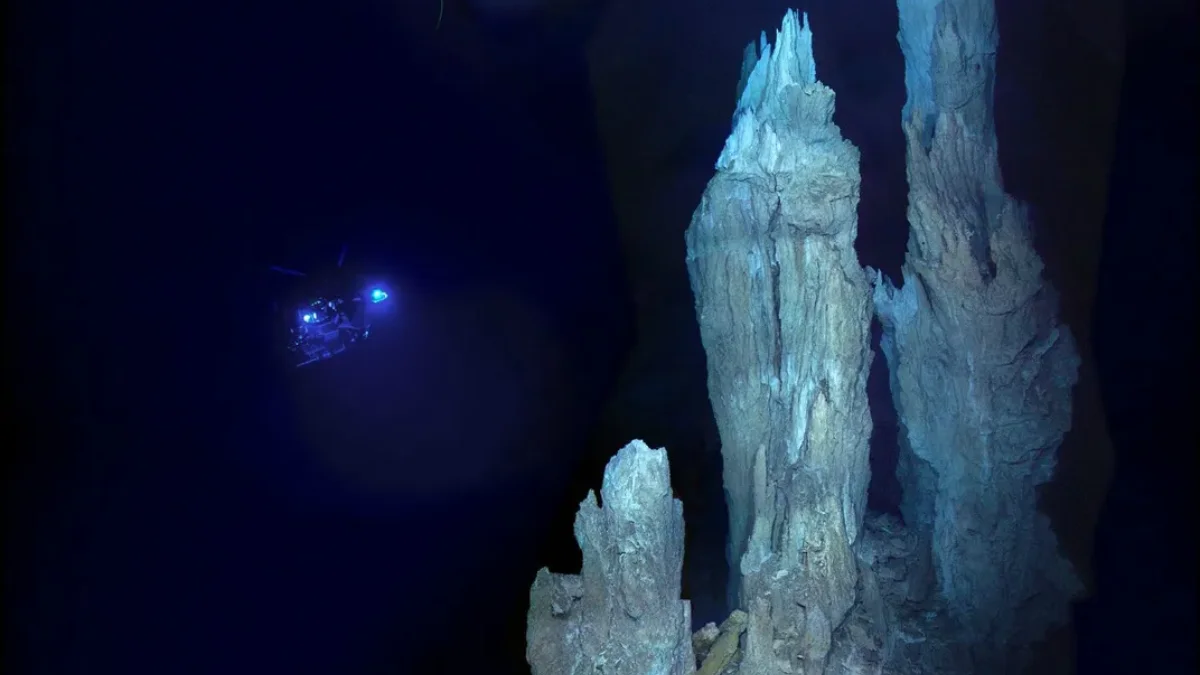
Discovered in 2000, the 'Lost City' is the oldest hydrothermal environment found over 700 meters below the Mid-Atlantic Ridge, featuring unique rock towers and thriving microbial communities.
The detection of helium reveals an atmosphere around LHS 1140 b, a rocky exoplanet in the habitable zone, providing new insights into its potential for retaining gaseous envelopes.