Caution Urged Over Claims of Atmosphere Detection on Exoplanet
Recent claims of detecting an atmosphere on a rocky exoplanet have sparked skepticism among scientists, urging caution and further investigation.
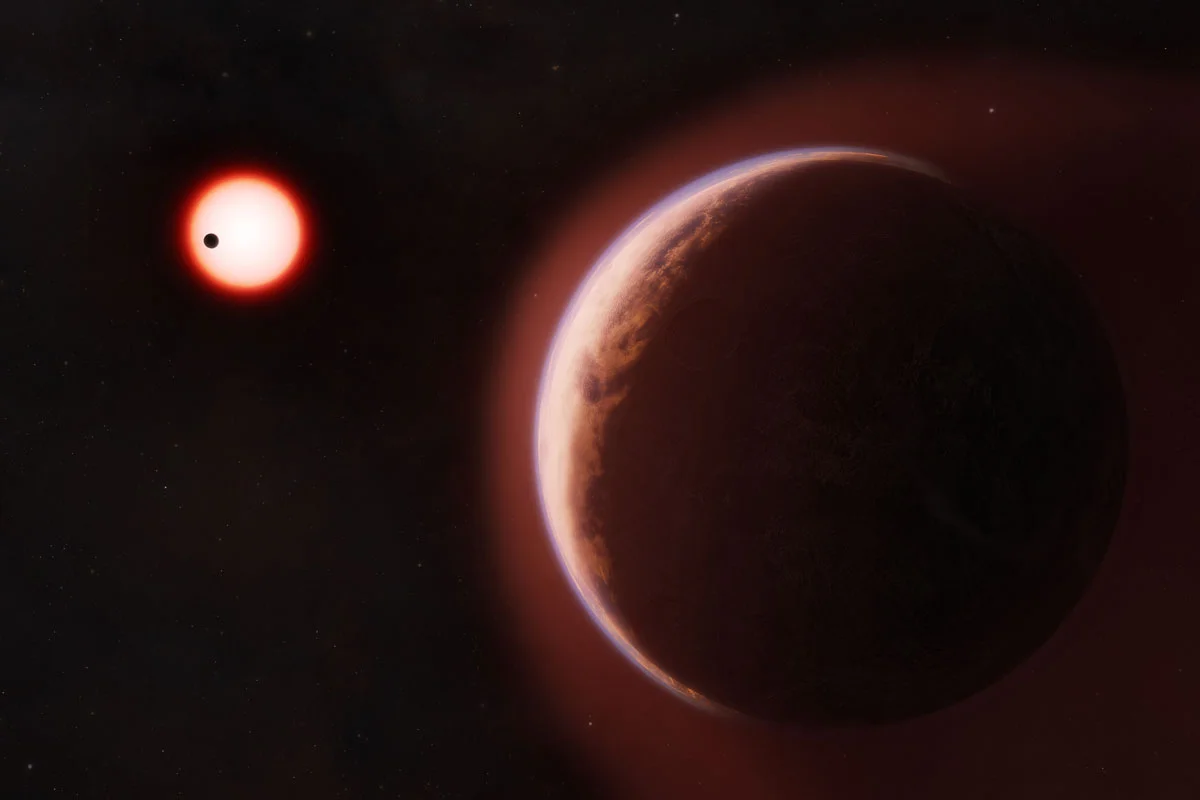
Recent reports heralding the first detection of an atmosphere on a rocky exoplanet orbiting a star outside our solar system have drawn skepticism from the scientific community. While the announcement made by Harvard's astrophysics center on July 16, 2026, aimed to highlight a significant milestone in astronomy, many experts caution that the evidence presented may not be sufficient to warrant such a declaration.
The announcement suggested that this rocky planet is located in its star's habitable zone, a region where conditions could potentially support life. However, some researchers are hesitant, stating that it is "too early to declare" the existence of an atmosphere. They argue that the data obtained is "not significant enough" to make definitive claims and emphasize the need for further observations to confirm any findings.
A Chimera Planet...
This cautionary stance reflects a broader concern within the scientific community regarding premature announcements and the wave of media coverage they often generate. As excitement builds around potential discoveries, the need for rigorous validation becomes ever more critical.
The implications of such findings are profound. If confirmed, the detection of an atmosphere on a rocky exoplanet could reshape our understanding of planetary formation and the potential for life beyond Earth. Yet, without solid evidence, such claims remain speculative at best.
As the search for habitable worlds continues, experts urge patience and thorough investigation to ensure that any future announcements are backed by robust scientific proof.