#dark matter
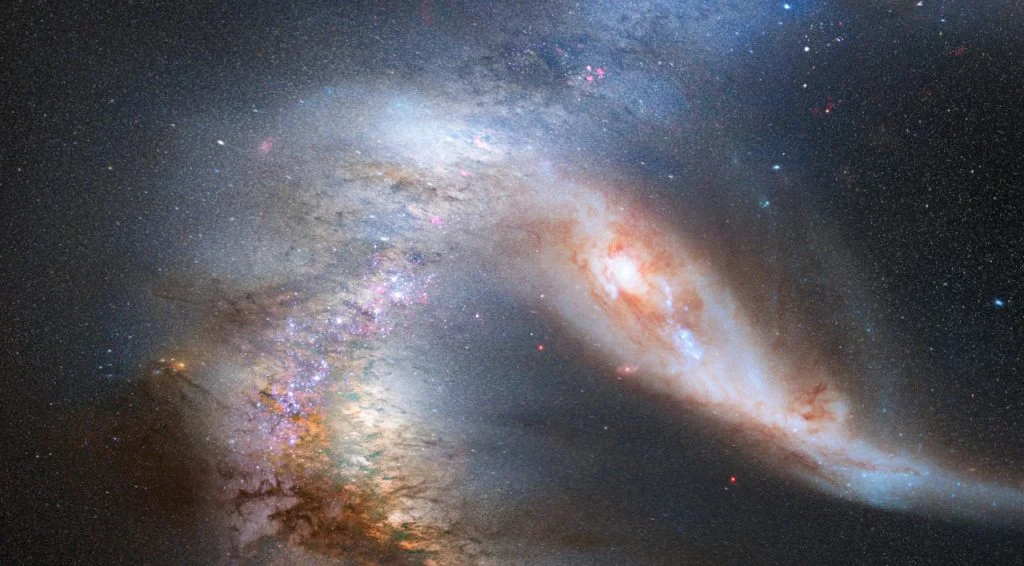
In about 4 billion years, the Milky Way will collide with Andromeda. Learn about the implications for our solar system and what astronomers predict will happen during this cosmic event.
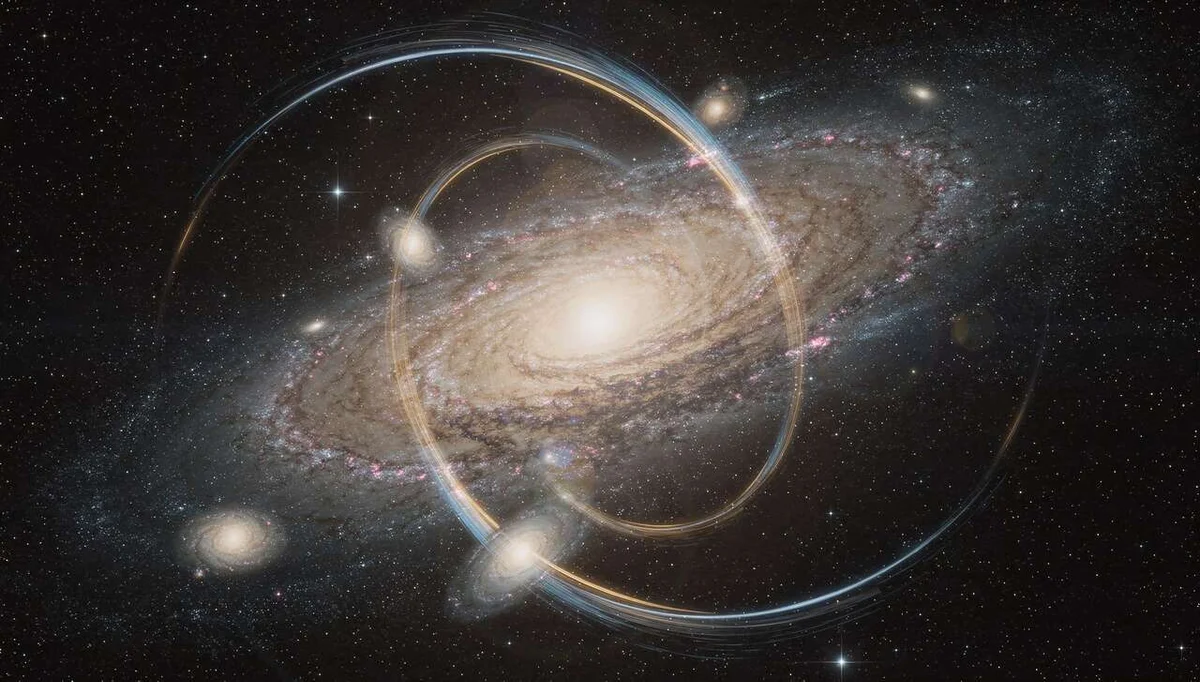
Discover how gravitational lensing reveals the mysteries of massive stars and contributes to our understanding of the universe through advanced astronomical techniques.
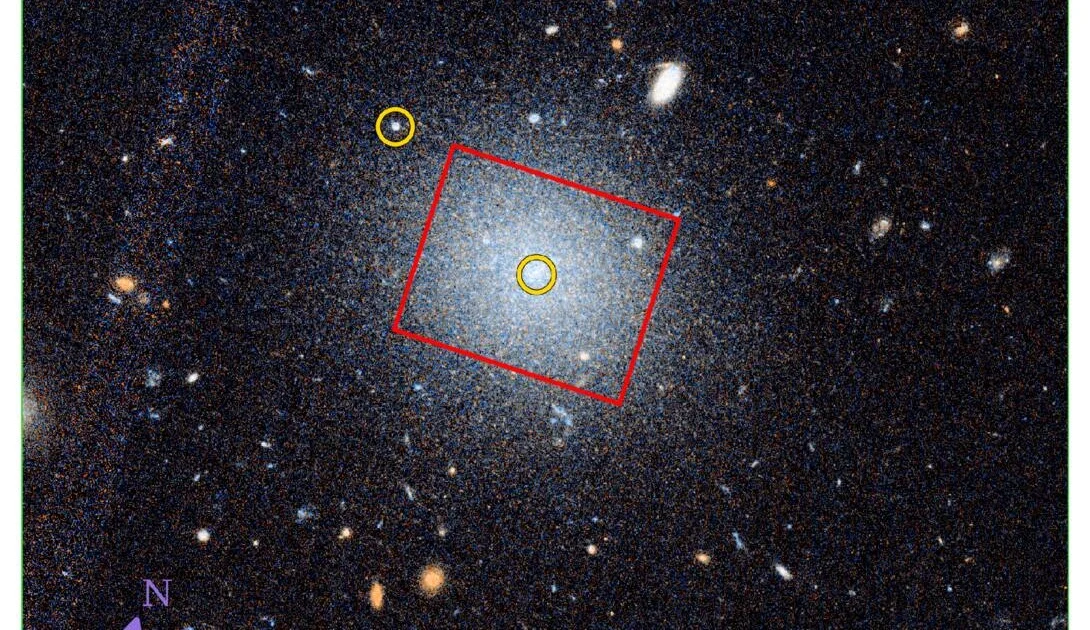
A recent study reveals NGC 1052-DF9, the third dwarf galaxy without dark matter, challenging conventional galaxy formation models and suggesting a common origin with DF2 and DF4.
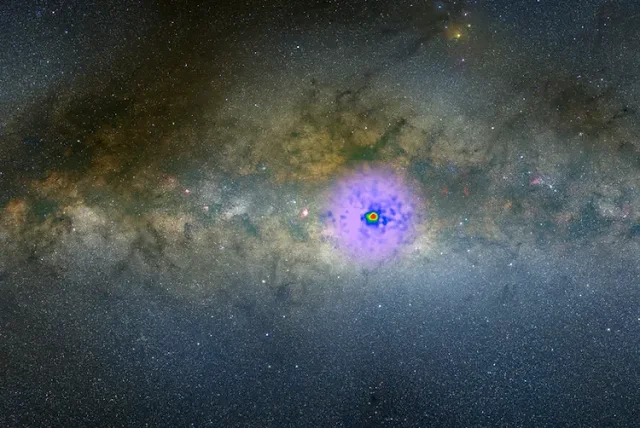
A new study suggests that the gamma excess from the Galactic Center may be more convincingly linked to dark matter than to millisecond pulsars, employing advanced neural network analysis.
Since the 1970s, astrophysics and quantum mechanics have sought to understand the Universe's structure, leading to the theory of dark matter to explain the missing mass.
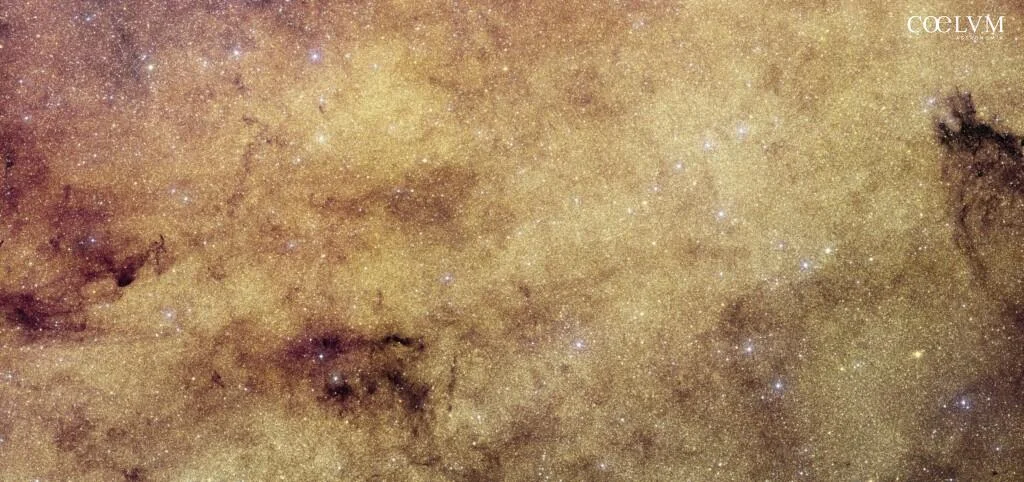
On June 24, the European Space Agency (ESA) released the largest and most detailed image of the center of the Milky Way in visible light, created with VIS (Visible Camera), one of the two instruments aboard the Euclid space telescope.
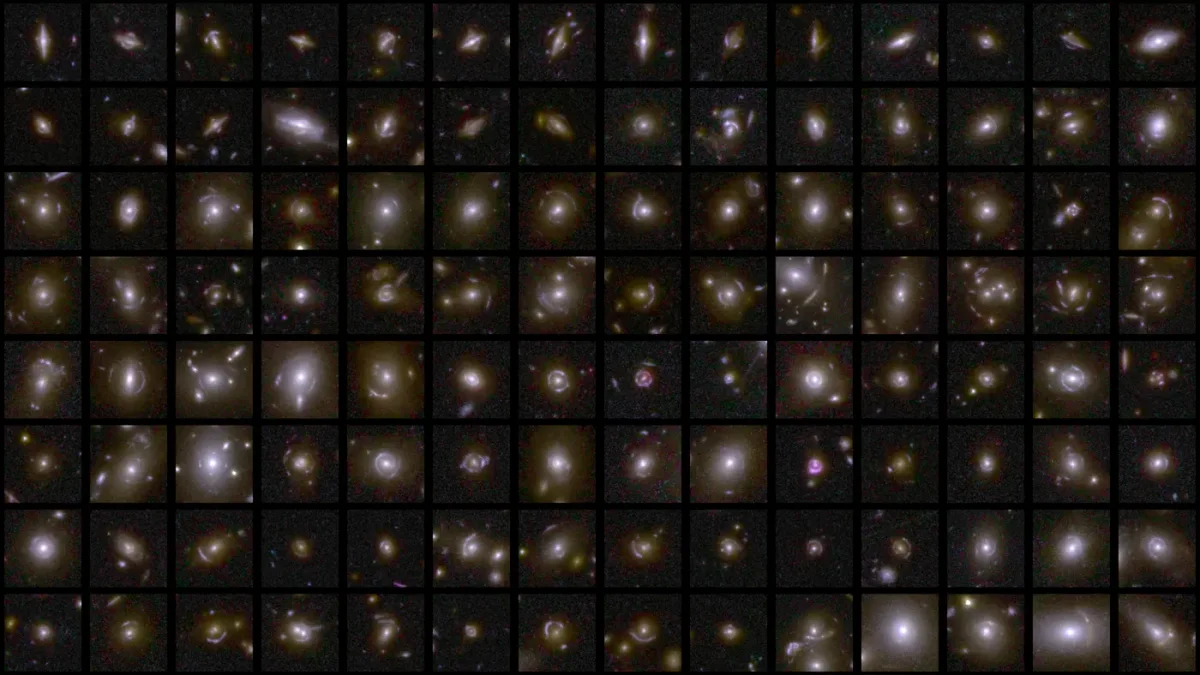
With the launch of 'Space Warps,' a new citizen science project, the public can actively participate in the search for rare gravitational lenses using data from the Euclid space telescope.