#astronomy
Explore the fascinating journey of space exploration, uncovering new insights about the universe and the advancements driving future missions.
An overview of recent advancements in space exploration, including Mars missions, exoplanet studies, and international collaboration in astronomy.
Explore the June 2026 bulletin on radio meteors, highlighting observations, research methods, and collaborative efforts in the field of astronomy.
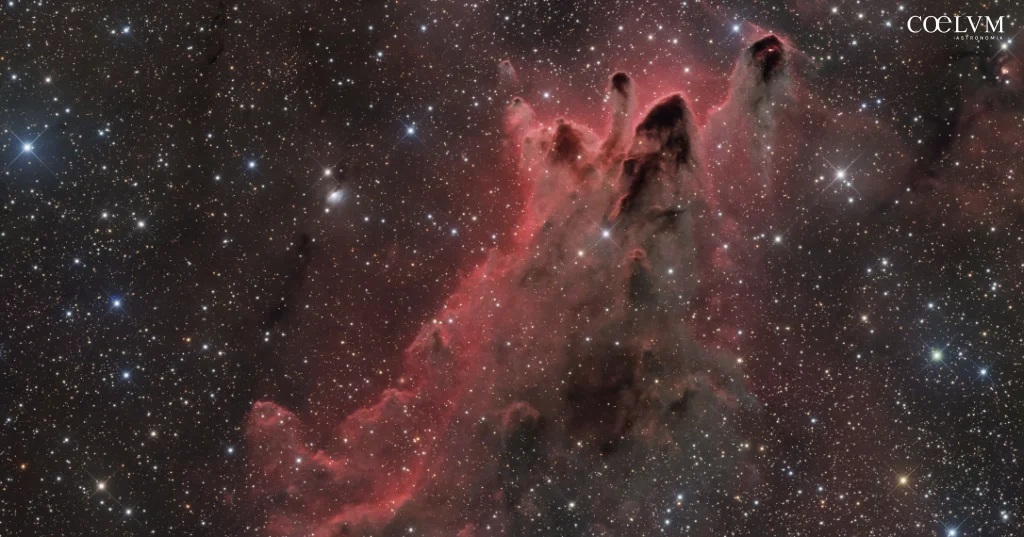
Explore the fascinating nuclei of comets CG30, CG31, and CG38, and their implications for understanding the solar system's history.
On August 12, 2026, France will witness one of the most spectacular partial solar eclipses of the century, with the Moon covering up to 99.5% of the Sun's disk in the Southwest, creating an eerie twilight.
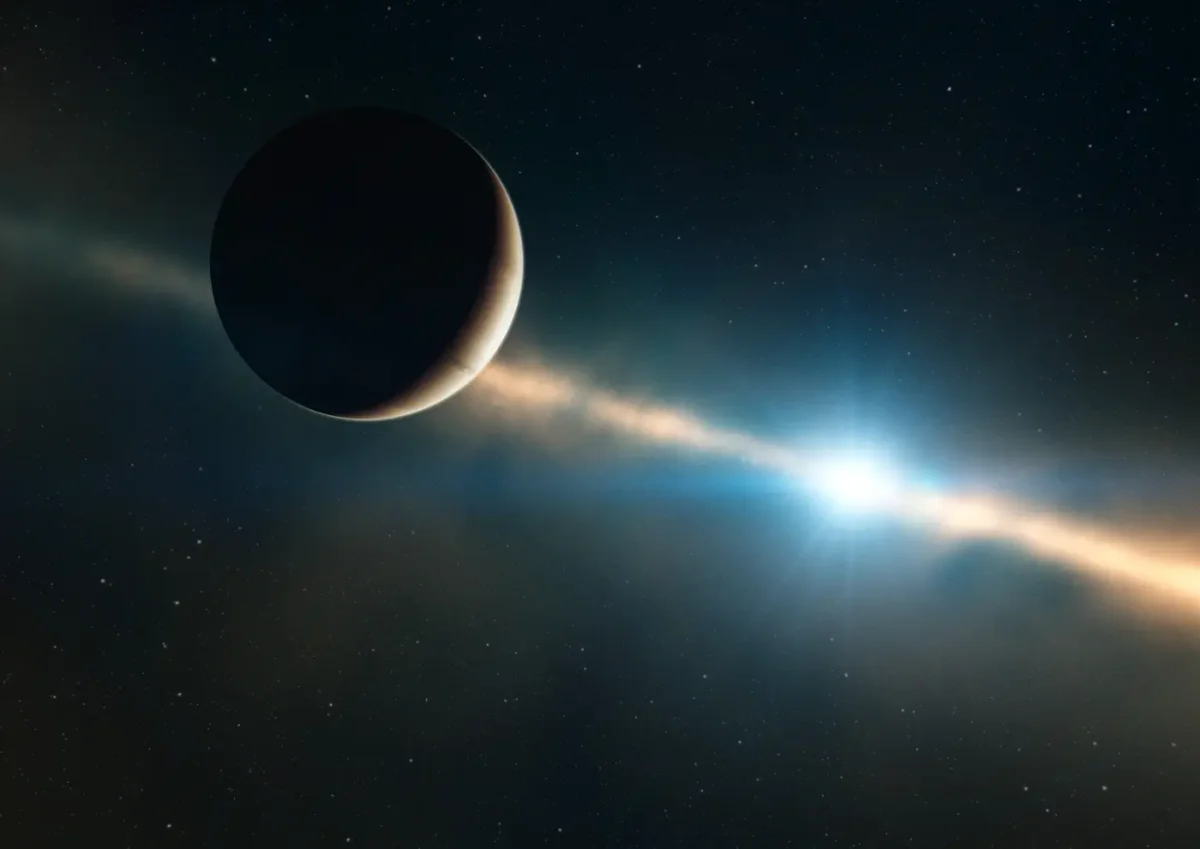
The young planetary system of the 23 million year old star Beta Pictoris has become a prime example of circumstellar dust disks, hosting at least three giant gas planets. Recent studies using the GRAVITY+ instrument have shed light on the planet's origins and atmospheric variability.
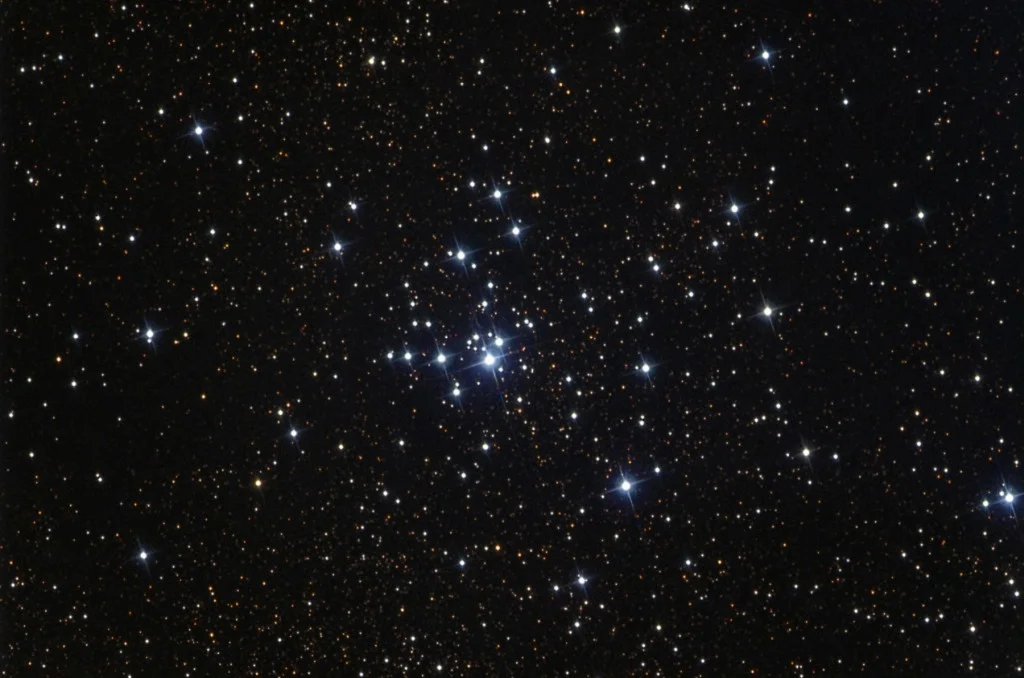
Explore the open star cluster Messier 21 (NGC 6531) in the constellation Sagittarius, discovered by Charles Messier in 1764, and learn about its characteristics, observation tips, and significance in astronomy.
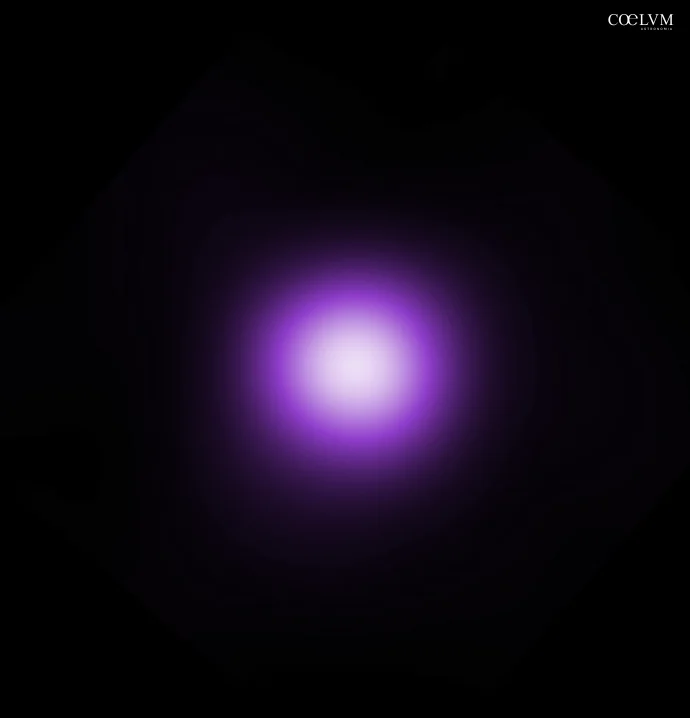
Recent studies suggest that _Little Red Dots_ may be primordial active galactic nuclei fueled by supermassive black holes, with the _X-Ray Dot_ serving as a potential bridge between these two phenomena.
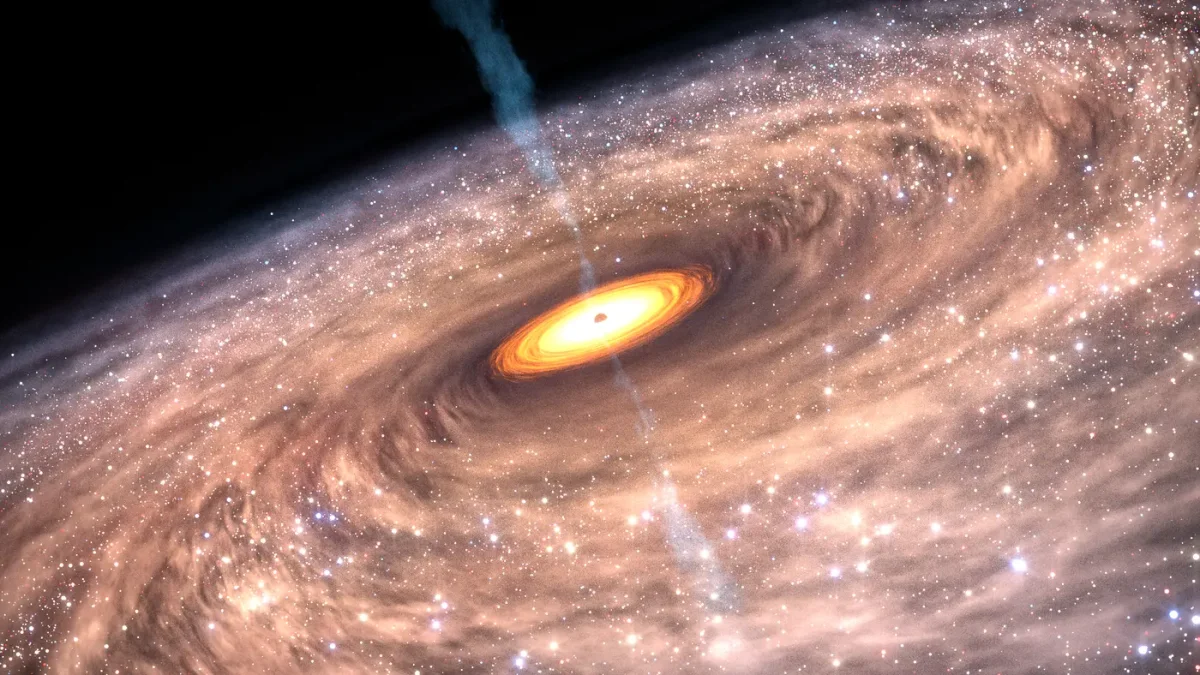
The ESA's Euclid space telescope has opened a new chapter in the exploration of early quasars and their host galaxies, revealing significant findings about supermassive black holes.
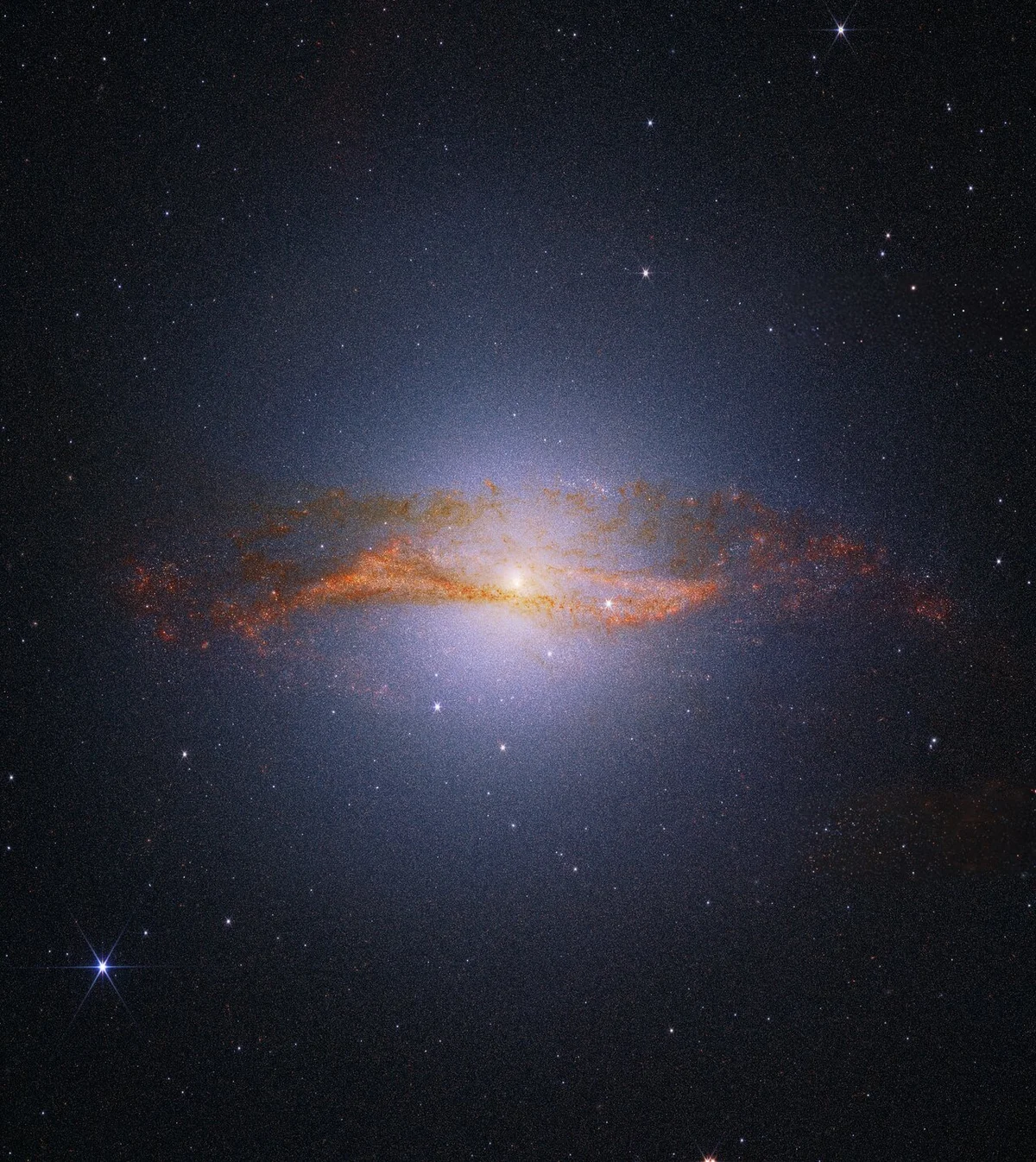
New images from the James Webb Space Telescope reveal the active galaxy Centaurus A in unprecedented detail, showcasing its complex structures and dynamic star formation.
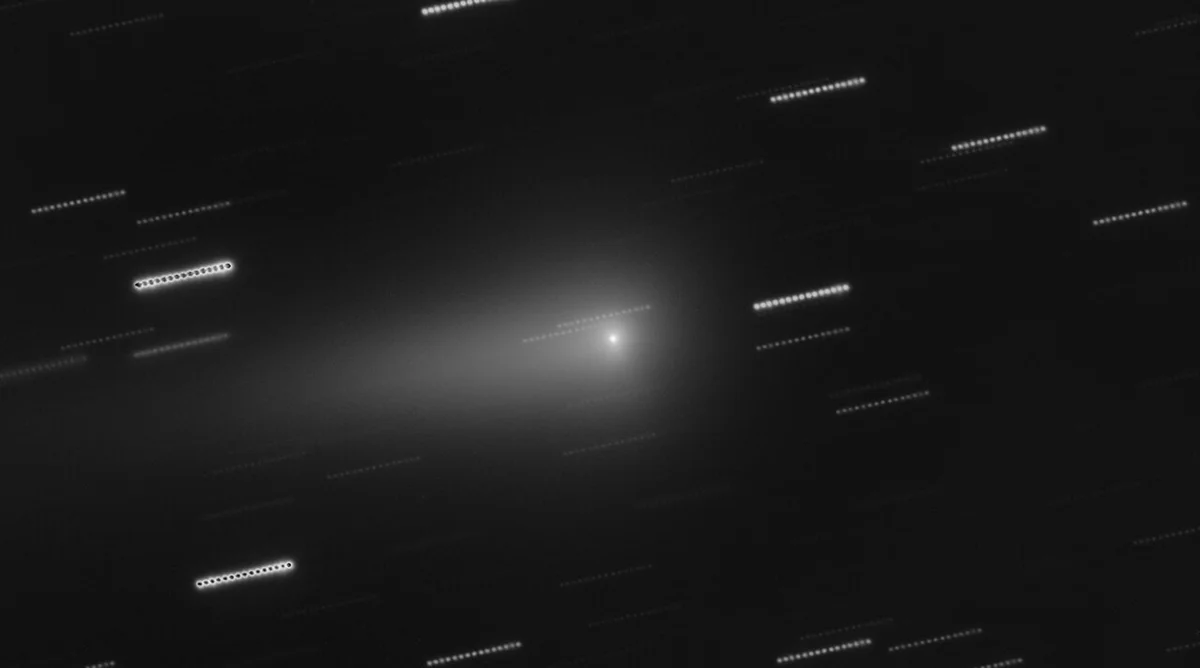
Astronomers have used the Very Large Telescope to analyze 3I/ATLAS, the brightest interstellar object, suggesting it originates from an ancient solar system.
Discover the celestial conjunctions occurring in July, their visibility, and the best times for observation. This guide helps distinguish between visually appealing events and those worth your time.