#space exploration
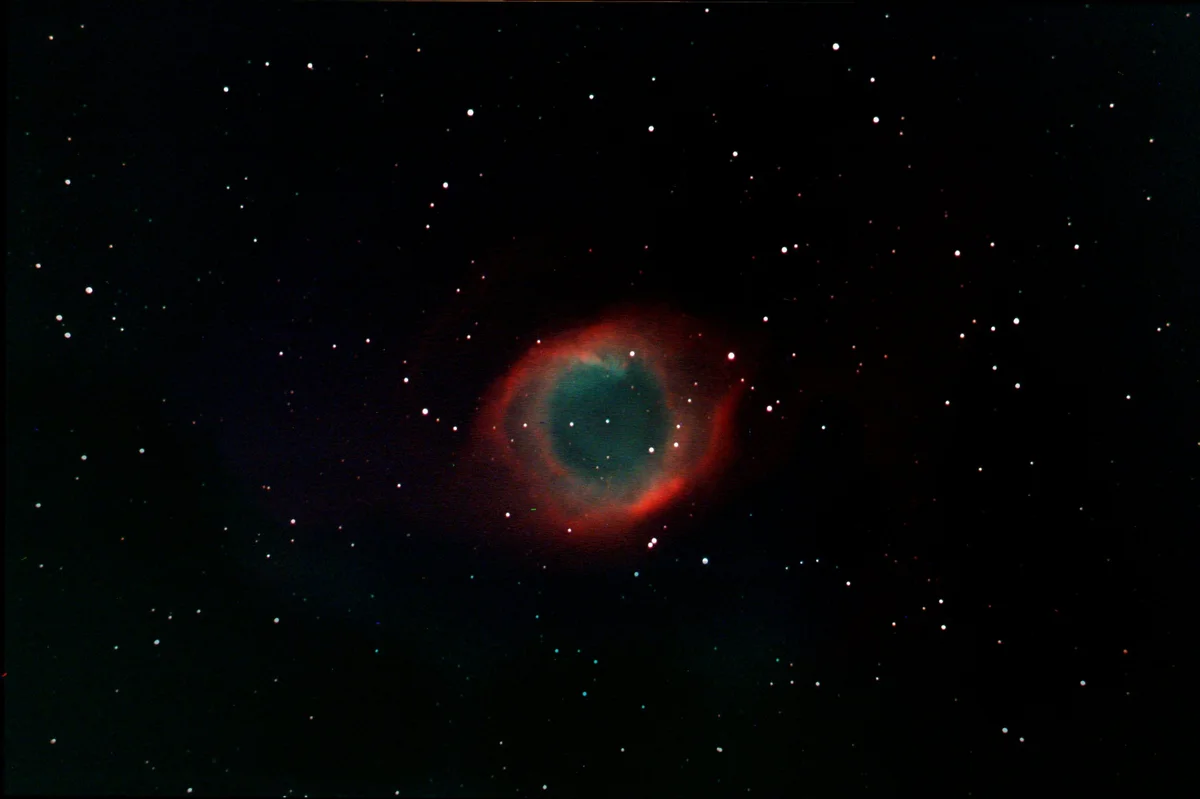
The Helix Nebula, located in the constellation Aquarius, is a planetary nebula with a rich history and unique formation process. This article explores its physical characteristics and the astronomical event that led to its creation.
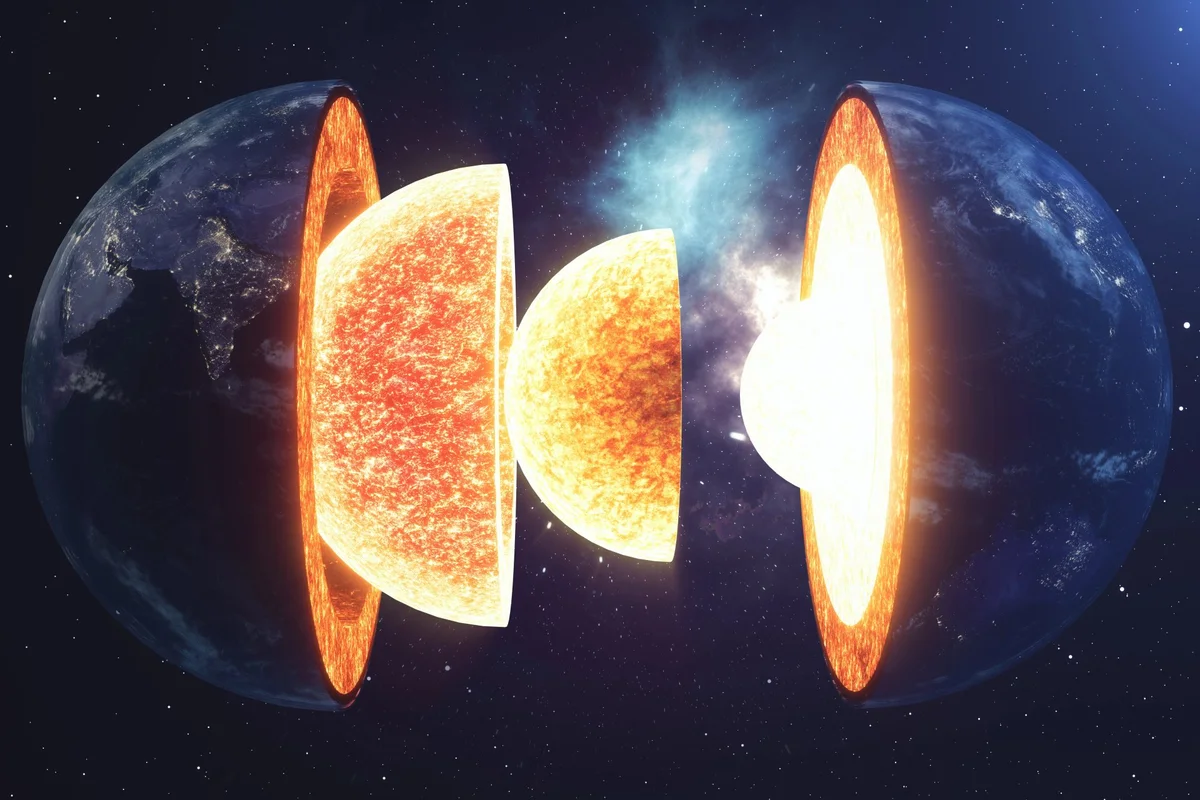
A recent study reveals that Earth's water has been trapped in its iron core since formation, suggesting a new origin for our planet's oceans.
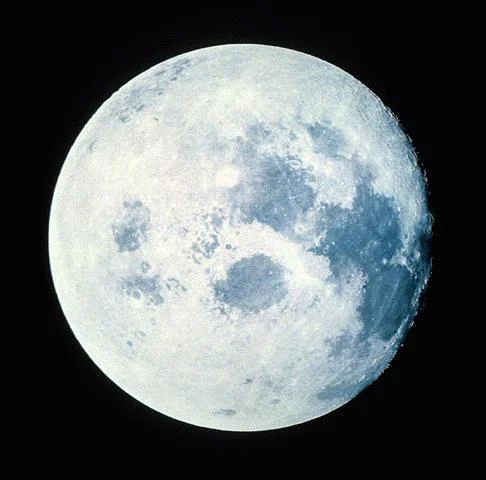
On July 29, 2026, the July Full Moon, also known as the Buck Moon, will be visible in the night sky. Learn about its significance and how to observe it.
On March 19, 2011, the Moon became a Supermoon, appearing 30% brighter and 14% larger due to its proximity to Earth during a full moon.
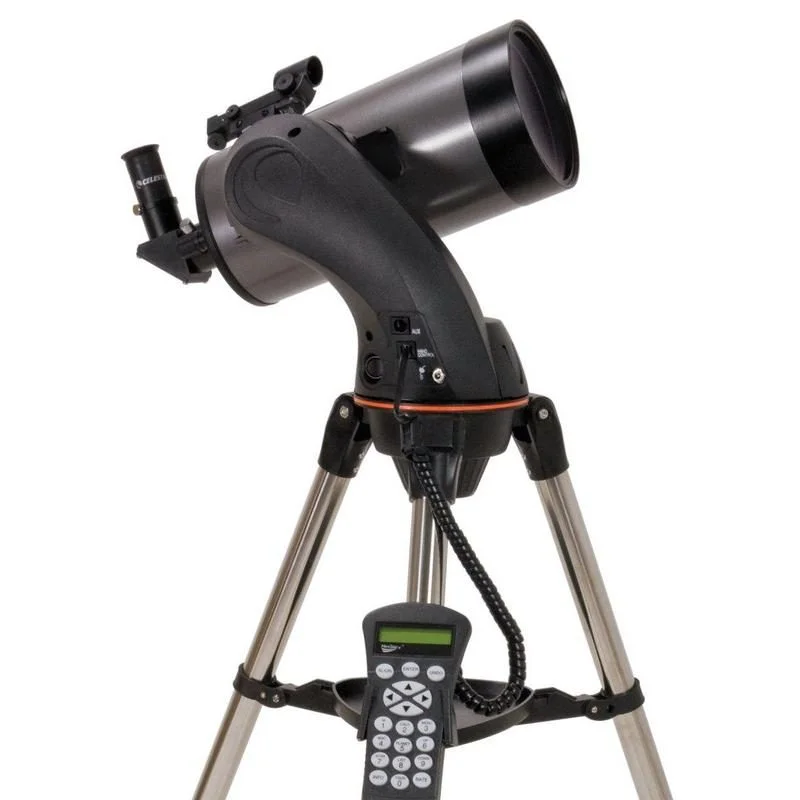
Discover the features and specifications of the Celestron Maksutov MC 127/1500 NexStar 127SLT telescope, ideal for planetary observation.
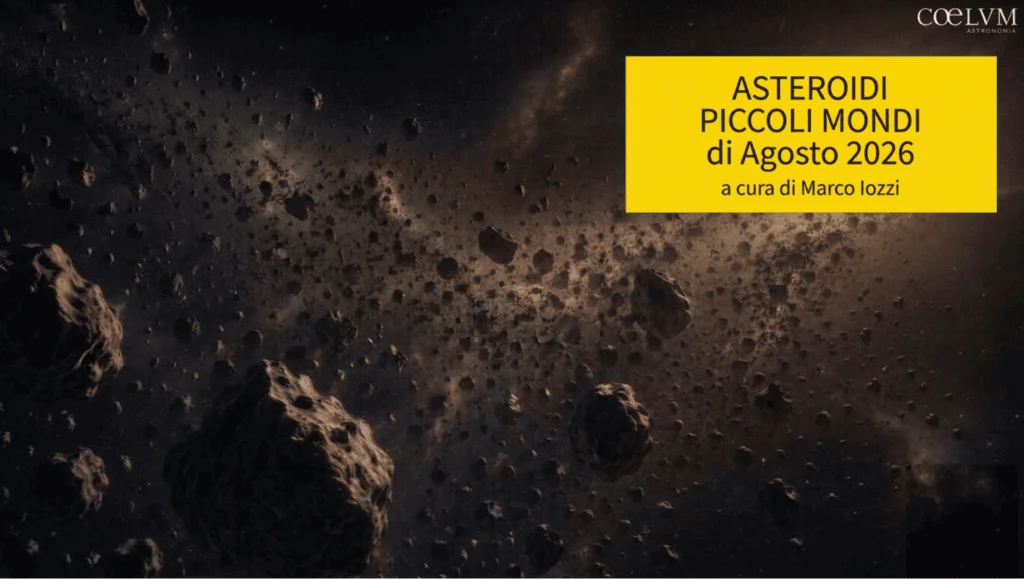
Explore the upcoming asteroid events in August 2026, including close approaches and opportunities for observation.
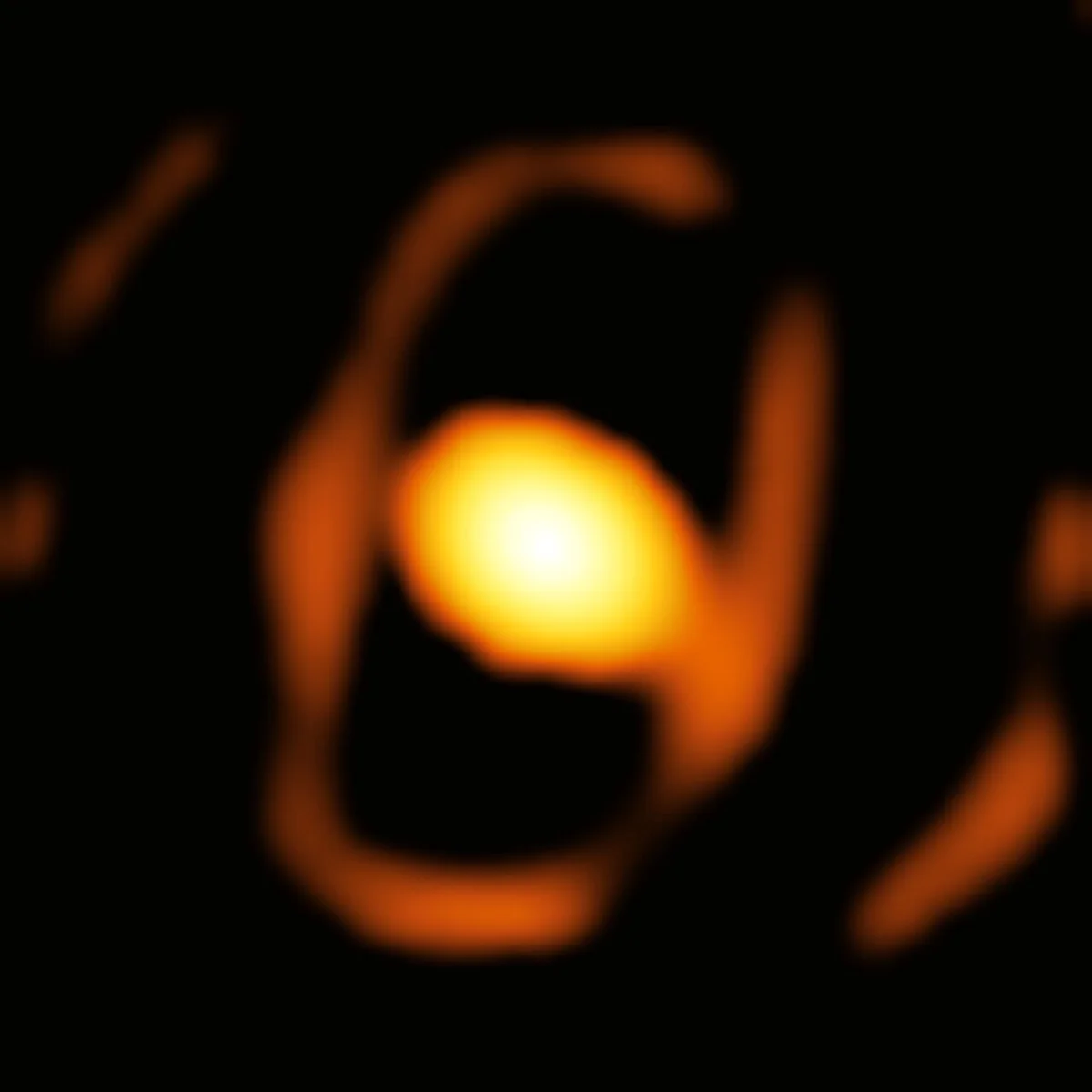
The observation of WOH G64 marks a significant advancement in astronomy, showcasing technological achievements in capturing extragalactic stars with unprecedented detail.
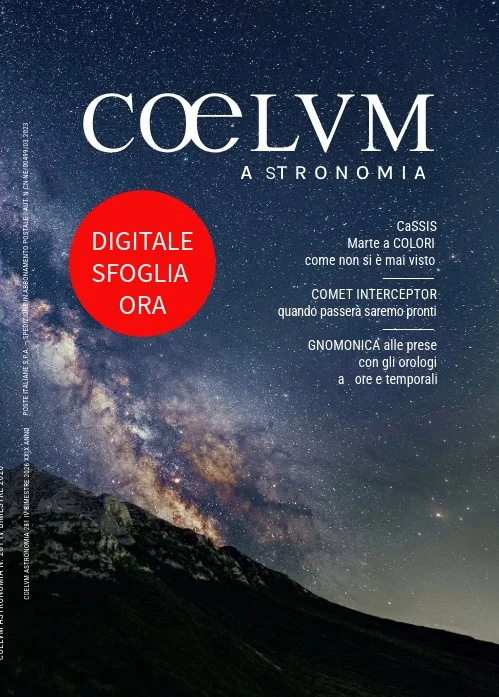
Explore the latest insights from Coelum Astronomia 281 IV/2026, focusing on space exploration and astronomy. Discover subscription options for full access.
Discover the story of Félicette, the first cat sent into space aboard the Véronique AGI 47 rocket on October 18, 1963, from Algeria.
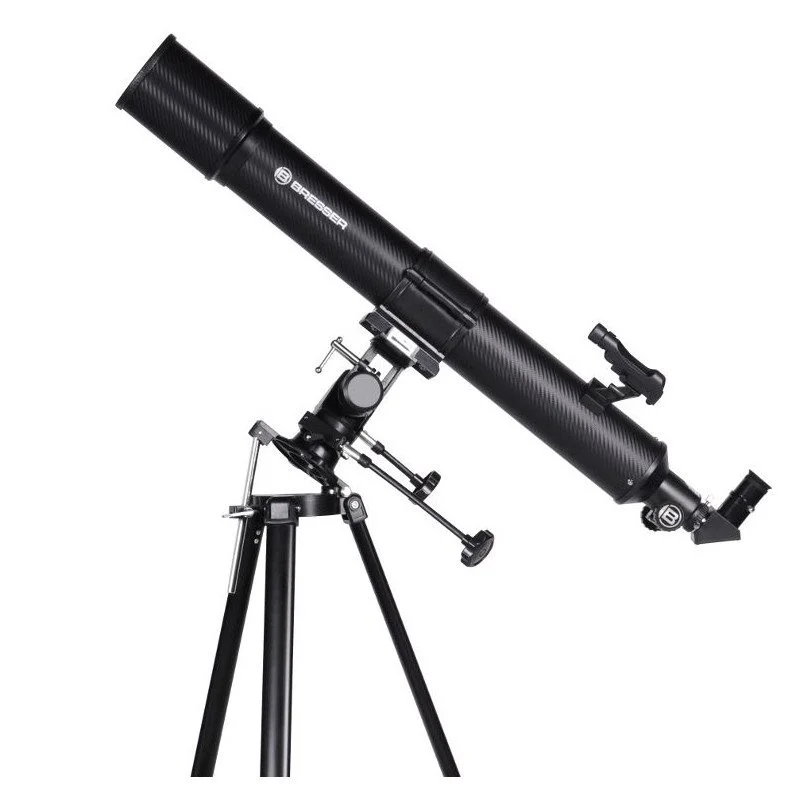
The Bresser AC 90/900 AZ-EQ Taurus telescope is a versatile instrument ideal for both beginners and experienced astronomers, offering robust features and portability for stargazing.
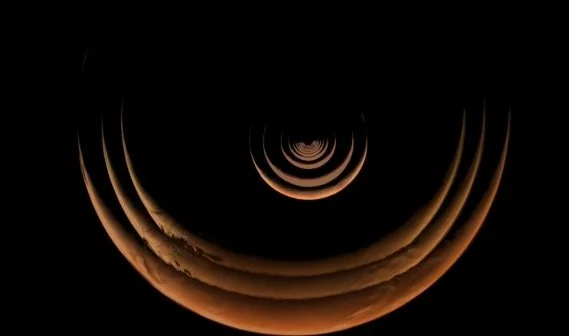
NASA's Psyche spacecraft has successfully flown by Mars, capturing a stunning time-lapse of the planet while en route to a metallic asteroid, enhancing its mission objectives.
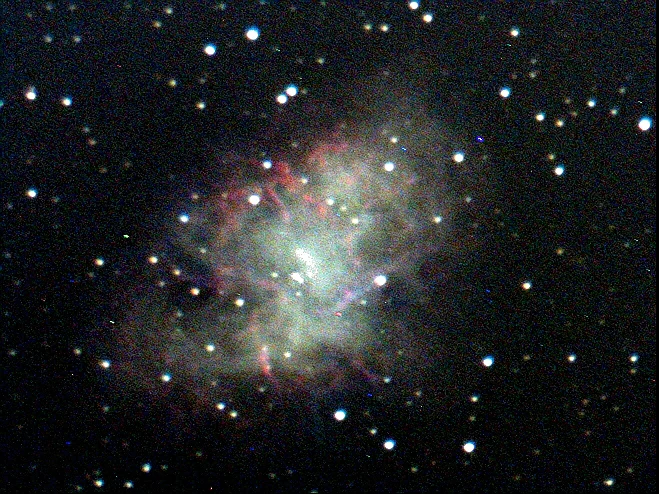
Explore the captivating history of the Crab Nebula, from ancient observations of the Guest Star to its significance in modern astronomy.