#astrophotography
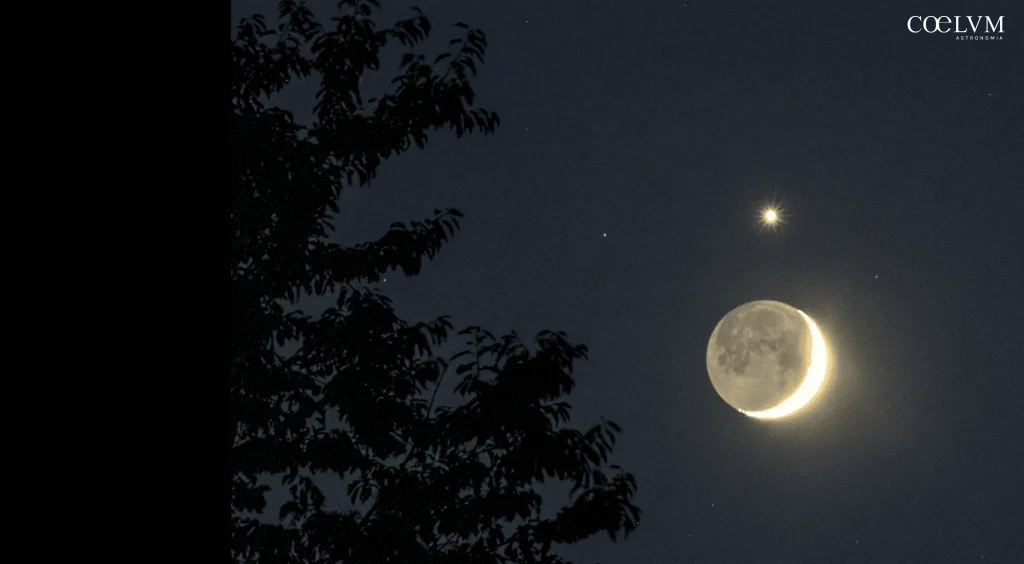
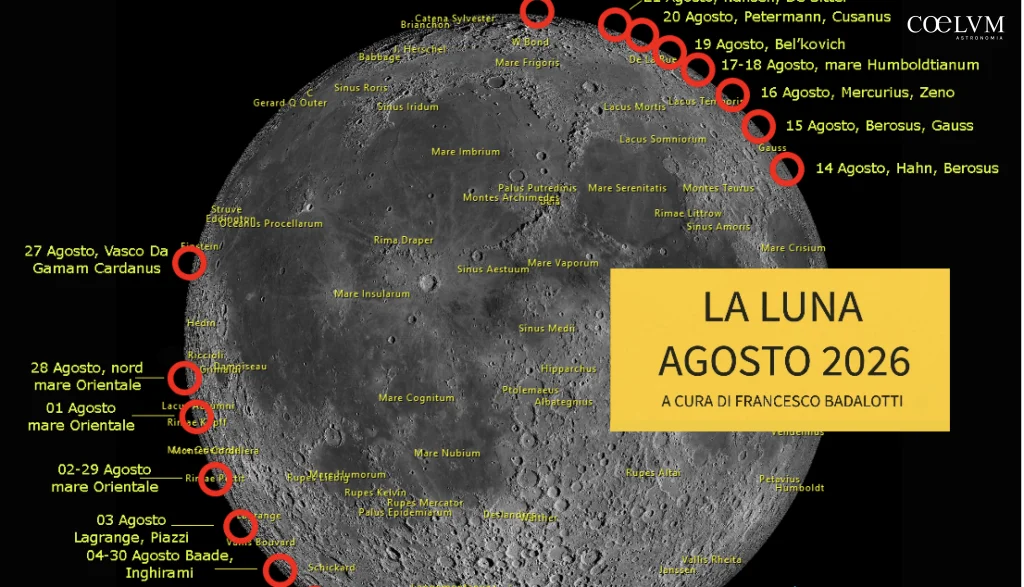
Explore the celestial events of August 2026, including notable conjunctions and ideal conditions for stargazing.
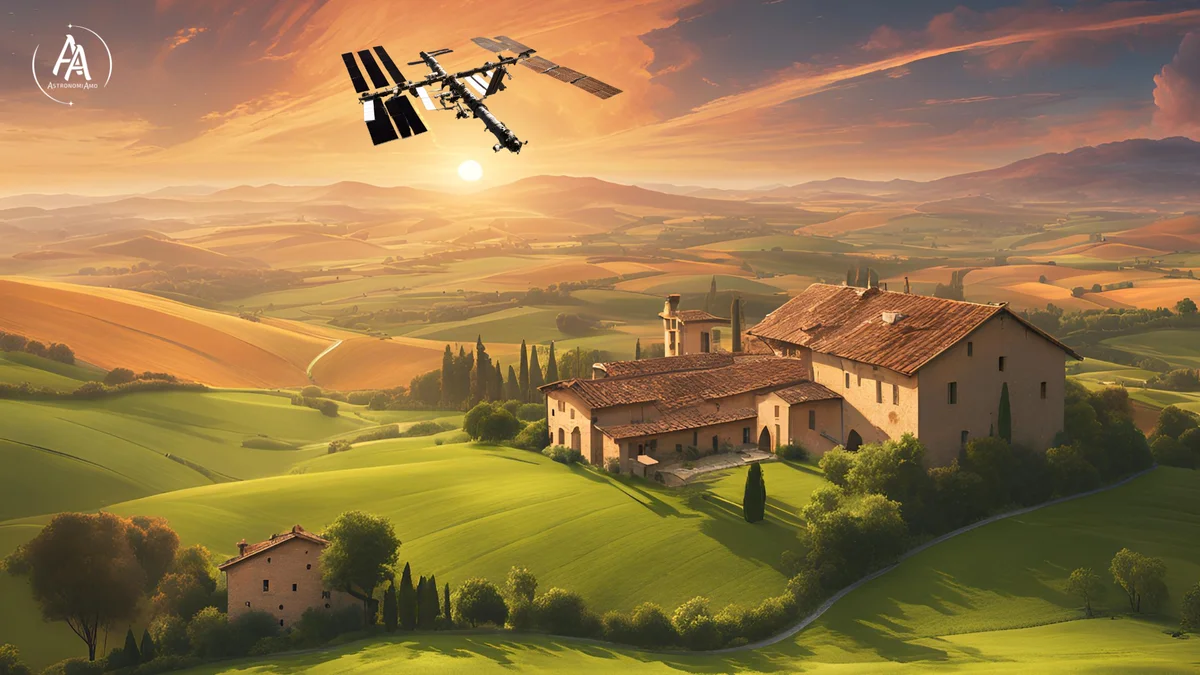
The visible passes of the International Space Station (ISS) offer spectacular views that can be seen with the naked eye. Learn about the upcoming pass on January 31, 2025.
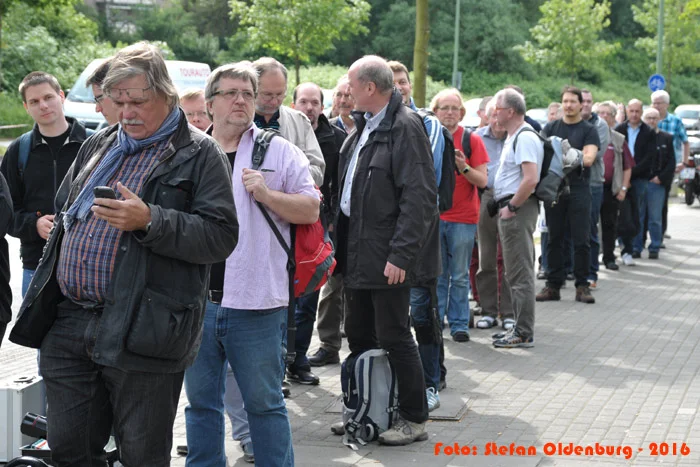
The 32nd Astronomical Exchange took place at Gymnasium Stoppenberg, showcasing a wide array of astronomical equipment and fostering community among enthusiasts.
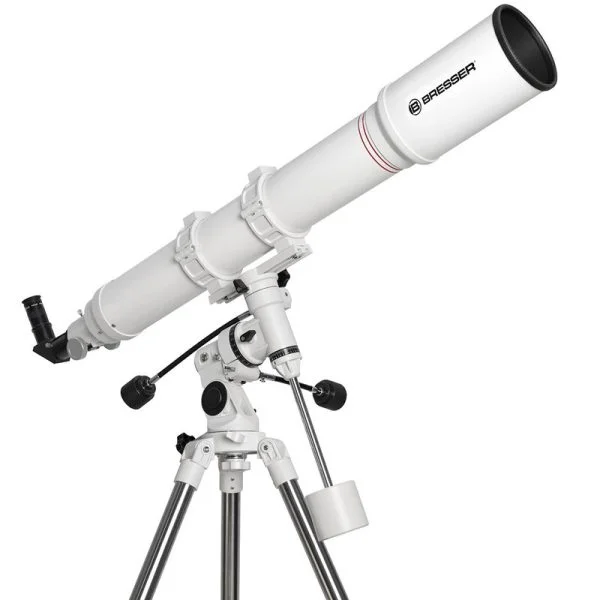
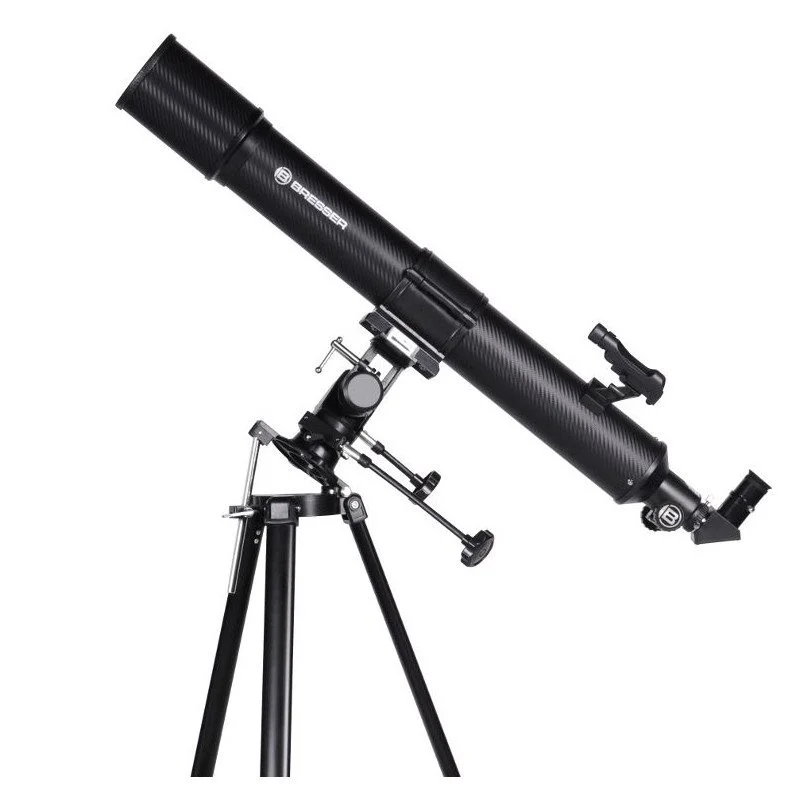
A detailed review of the Bresser AC 102/1000 telescope, highlighting its features, performance, and user experience for astronomy enthusiasts.
Il 19 gennaio 2025 Venere e Saturno si incontreranno in una spettacolare congiunzione. Scopri cosa sono le congiunzioni planetarie, come osservare questo evento e consigli per la fotografia astronomica.
The Bresser AC 90/900 AZ-EQ Taurus telescope is a versatile instrument ideal for both beginners and experienced astronomers, offering robust features and portability for stargazing.
Explore the lunar phases of August 2026, including the New Moon, First Quarter, Full Moon, and Last Quarter, along with opportunities for celestial observation.
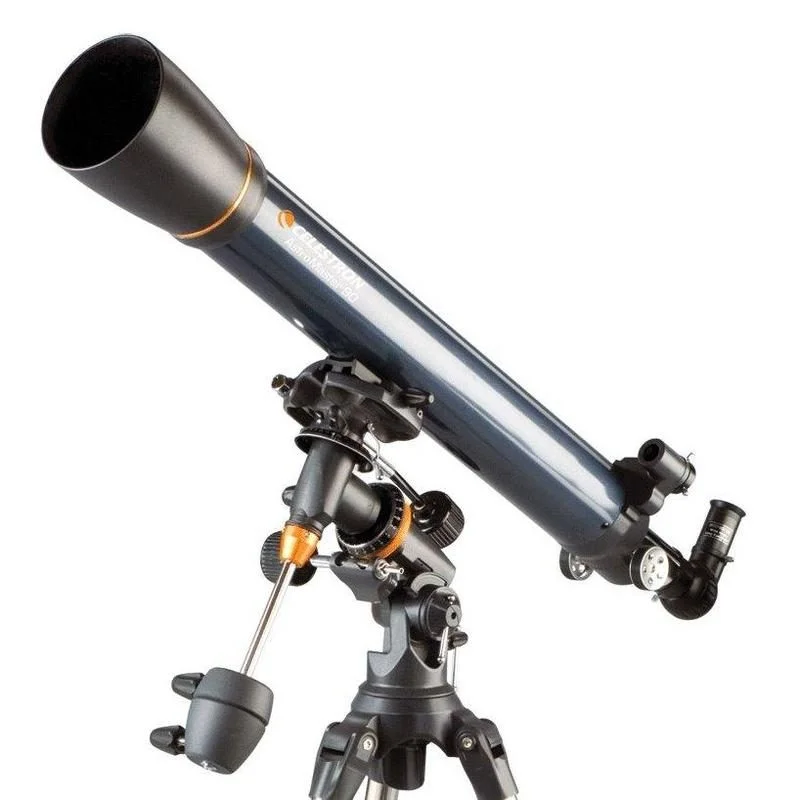
Discover the features and benefits of the Celestron AC 90/1000 Astromaster 90 CG-3 telescope, perfect for both beginners and experienced astronomers.
An appeal for support from astronomy enthusiasts to help maintain and grow the Photon Millenium website, dedicated to providing free astrophotography resources.
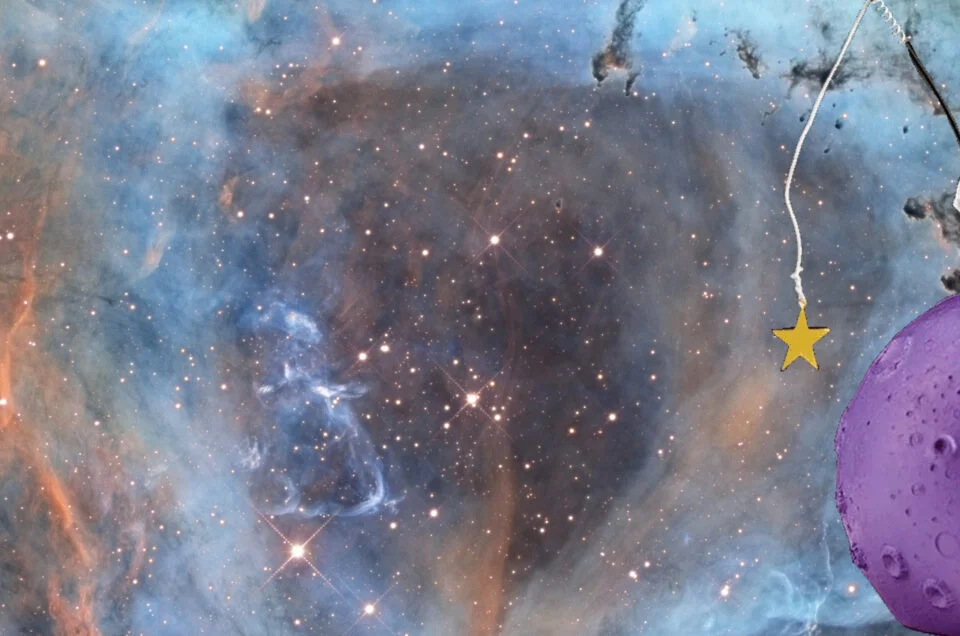
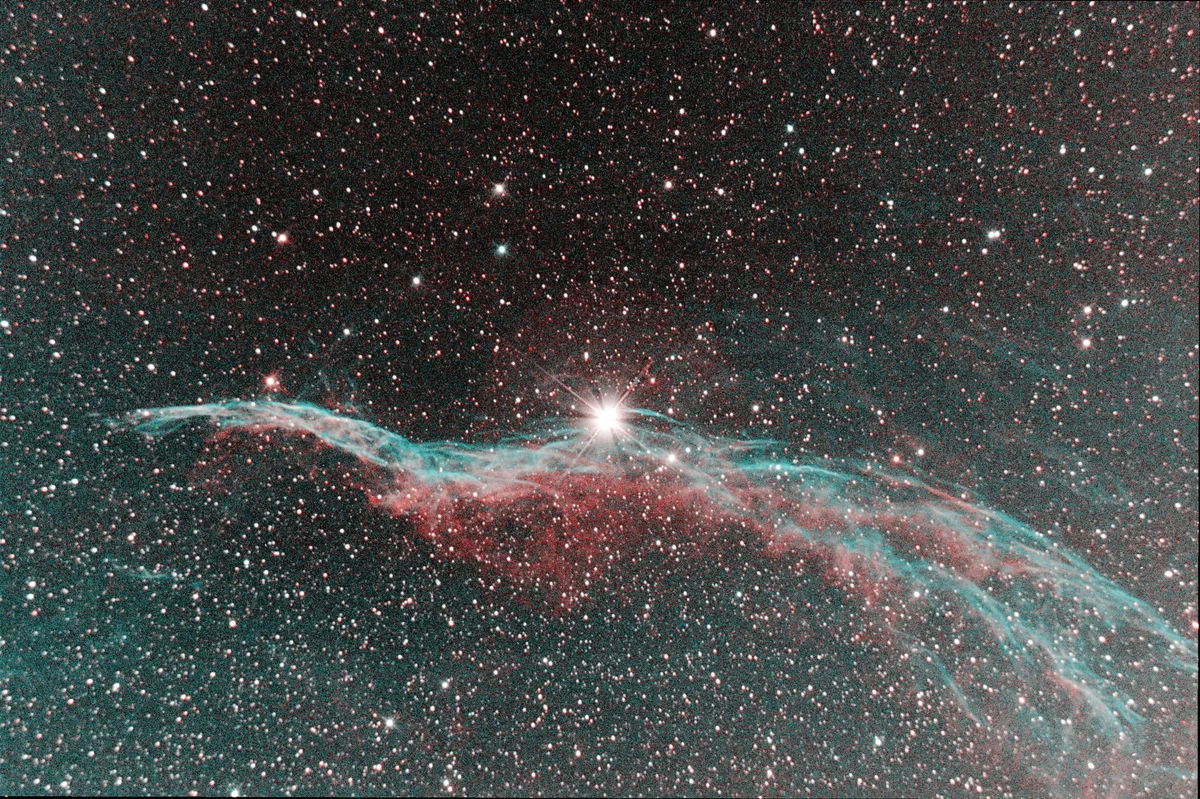
Explore the stunning Veil Nebula in Cygnus, a cosmic tapestry of gas and light, captured through advanced astronomical techniques. Discover its beauty and mysteries.
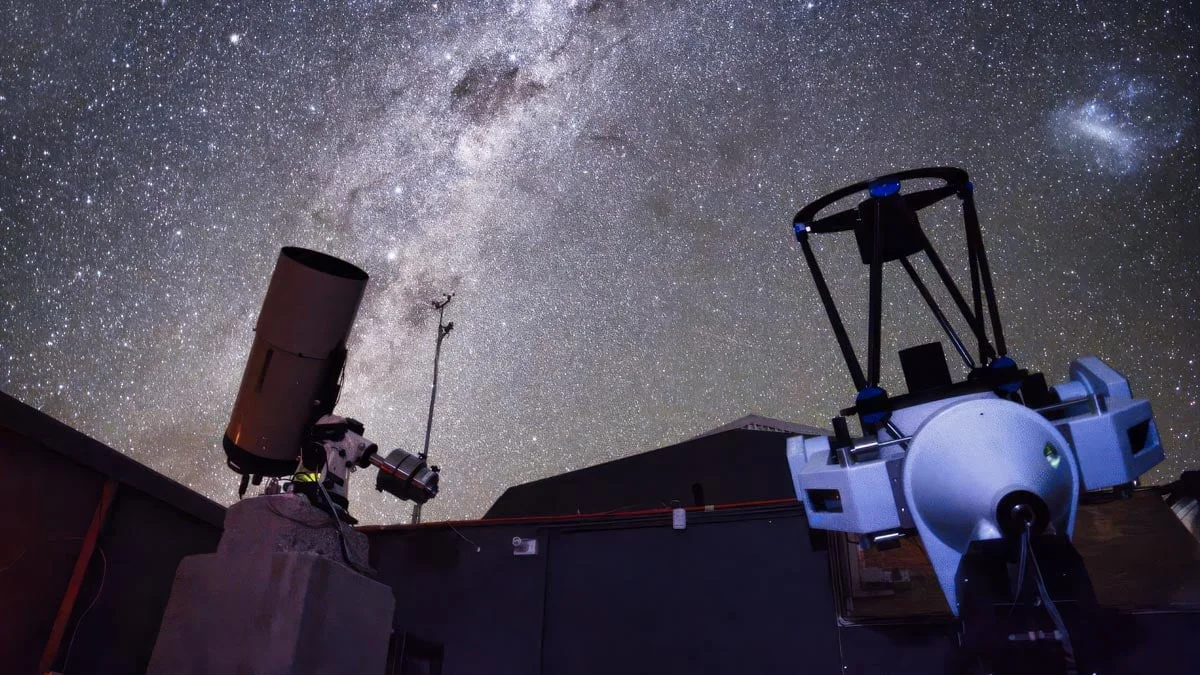
Discover Telescope Live, an online platform for astrophotography that allows users to process professional datasets from robotic telescopes. Learn about its features, plans, and how it can enhance your astrophotography experience.
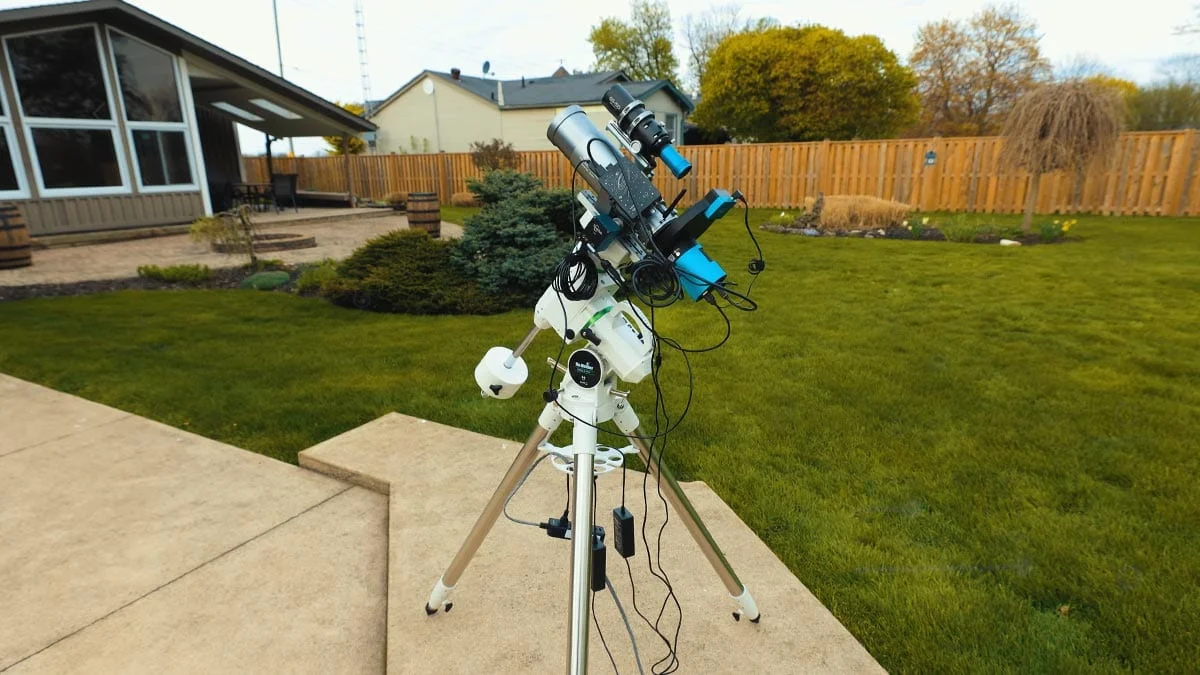
The ToupTek StellaVita is a versatile control box for astrophotography, allowing users to manage their setups wirelessly from mobile devices. It supports various brands, offering flexibility and ease of use.