Maximizing Your Solar Eclipse Experience with Telescopes
Experience the magic of a total solar eclipse through a telescope with safety tips and viewing techniques to enhance your observation.
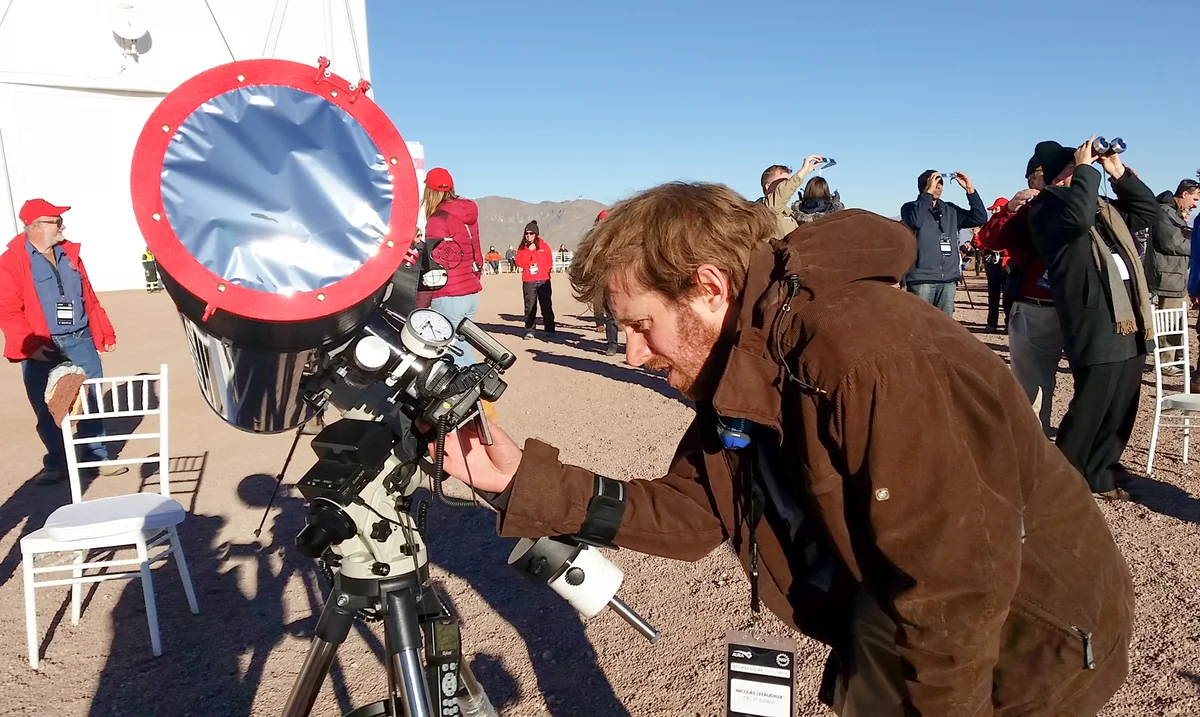
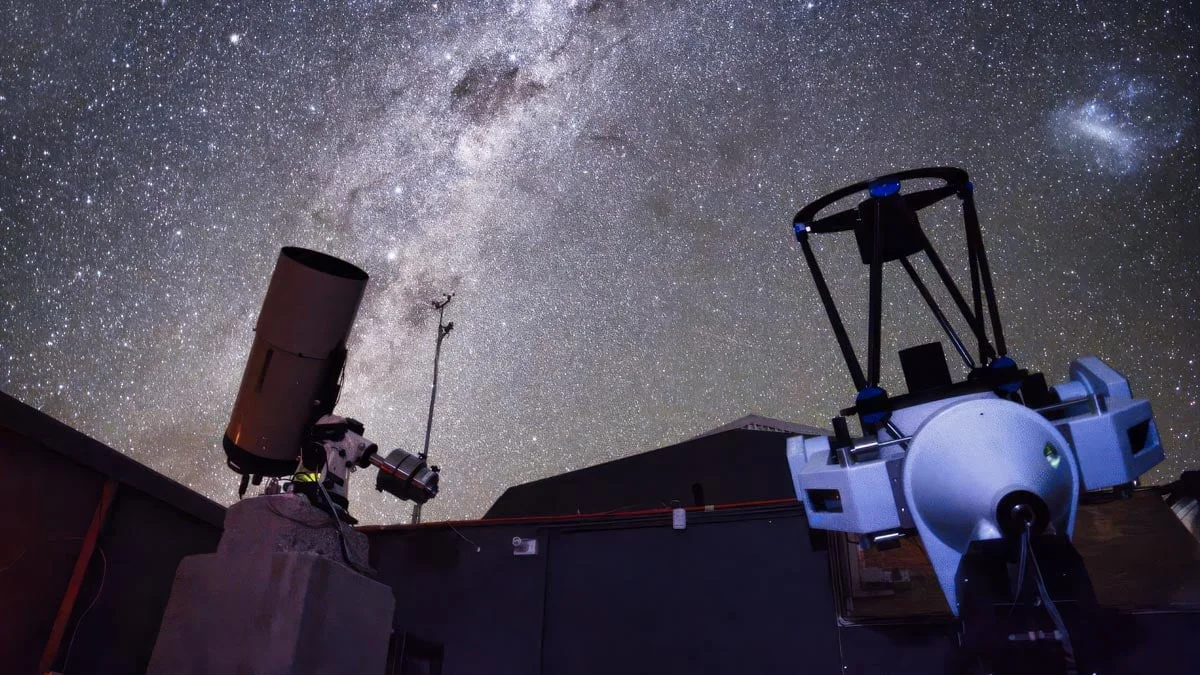
A total solar eclipse is a breathtaking event that should ideally be experienced with the naked eye to appreciate its full grandeur. However, if you have the opportunity, dedicating a few moments to observe the eclipse through a telescope can provide an unforgettable perspective.
During the brief duration of totality, which lasts about two minutes, it is advisable to spend around thirty seconds gazing through the eyepiece.
Safety First: Managing Protective Filters
Observing a solar eclipse through a telescope requires careful preparation. It's crucial to ensure that your instrument is equipped with a full aperture solar filter during the partial phases, as failing to do so can result in immediate and irreversible eye damage. Additionally, once the Sun is completely obscured, you must quickly remove the filters. One effective strategy is to take off the filter one or two minutes before totality begins and cover your instrument to prevent any observation during that time. This way, when the Sun is entirely hidden, you can simply remove the cover and enjoy the spectacle without delay.
Capturing the Full View of the Sun and Moon
High magnification is not necessary for a stunning view. Keeping your magnification to around 60X ensures that the Sun, obscured by the Moon, remains fully visible in your eyepiece. Often, a magnification of 20 to 30X is sufficient and makes tracking the celestial bodies easier, especially if your telescope lacks a motor.
Witnessing the solar corona in its entirety through a telescope is a magnificent sight that will enhance your memory of the event. Observing through astronomical equipment also allows for a closer look at solar prominences, which can be seen as pink features even with the naked eye. Depending on their arrangement, these prominences can be quite spectacular, and being able to observe them in detail leaves a lasting impression.
Lastly, take a moment to look for the Earthshine illuminating the dark side of the Moon. Spotting the lunar maria can be challenging, so don’t spend too much time trying if it proves difficult—remember to savor the main spectacle, especially if it’s your first experience.
Binoculars: A Practical Alternative
Not everyone has access to a telescope, but binoculars are much more common. If you own a pair, use them during totality. Since it can be tricky to attach and detach solar filters on binoculars, it's best to skip observing during the partial phases. As soon as totality begins, point your binoculars without a filter towards the eclipse and enjoy the view.
Regardless of your equipment, set an alarm for five seconds before totality ends to remind yourself to stop observing without filters before any part of the Sun reappears!