Celebrating ten years of the Clear Skies blog, exploring amateur astronomy, cosmic distances, extraterrestrial life, and more.
A response to criticisms of the Horizons mission, highlighting the significance of the ISS and the scientific value of space exploration funded by taxpayer money.
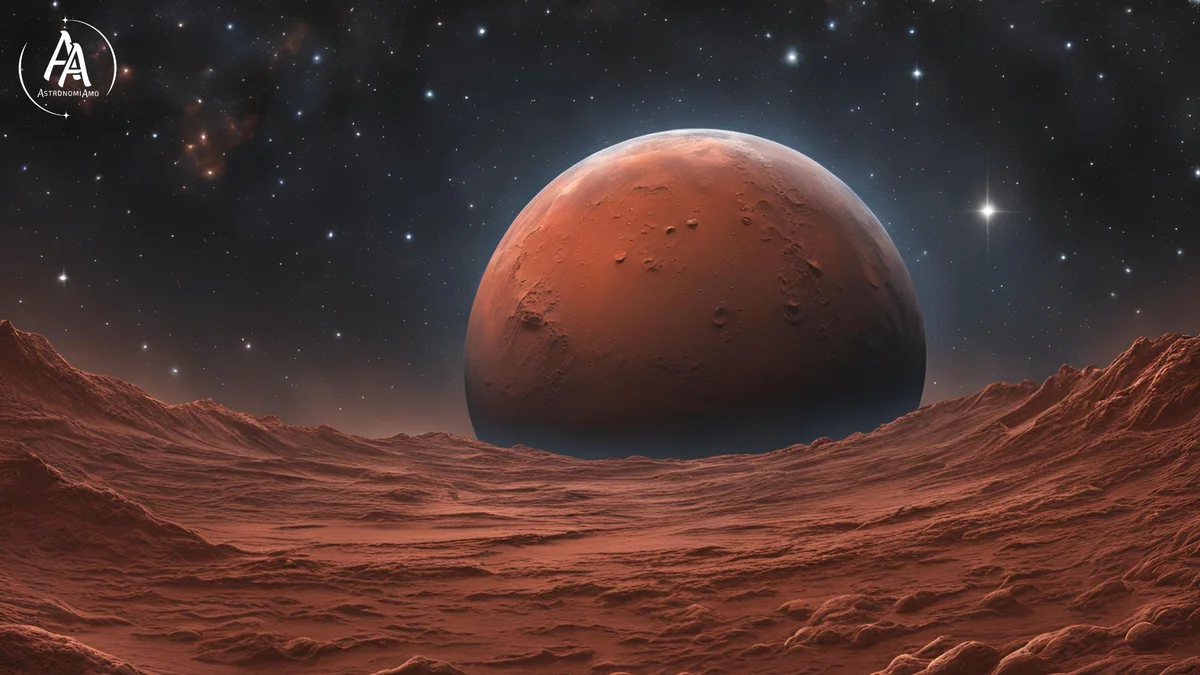
Il pianeta Marte torna a mostrarsi in opposizione a distanza di due anni: una occasione per dare uno sguardo al vicino di casa Il cielo notturno di gennaio 25 offre una occasione che, co...
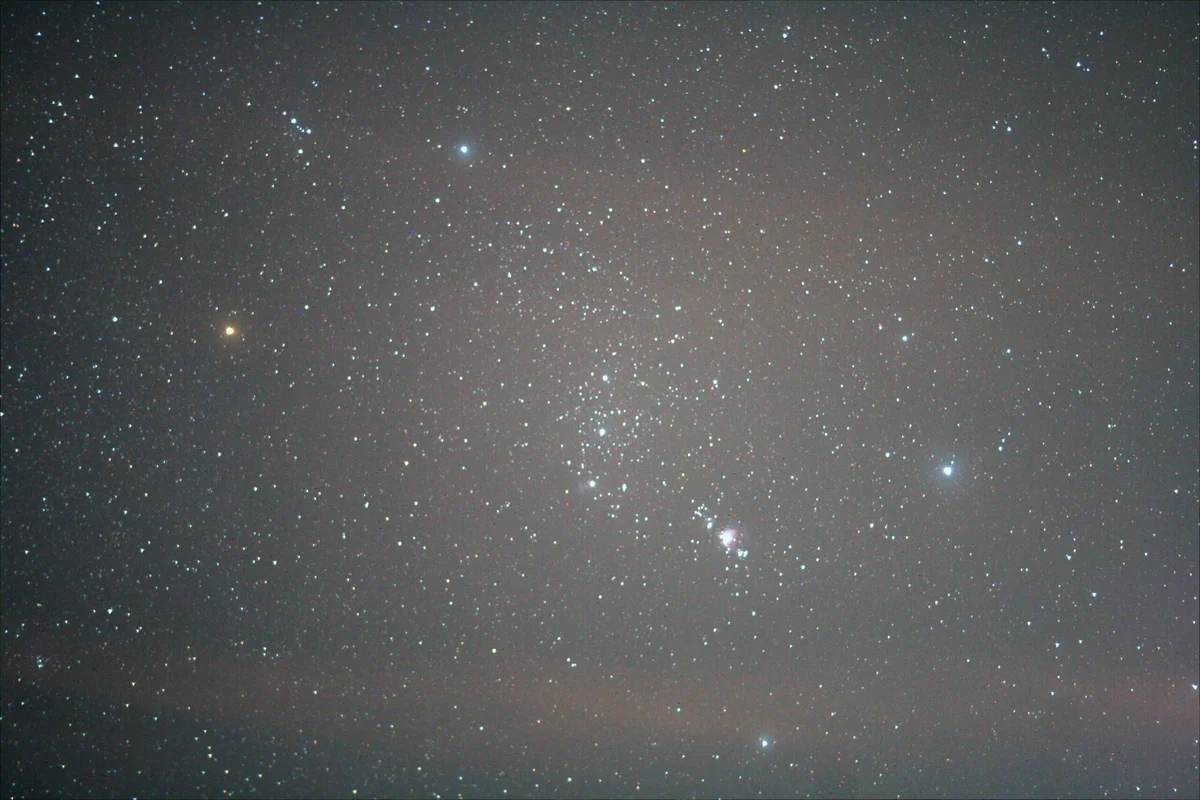
An overview of essential concepts for amateur astronomy, including telescope selection, resolving power, atmospheric effects, and light-gathering capacity.
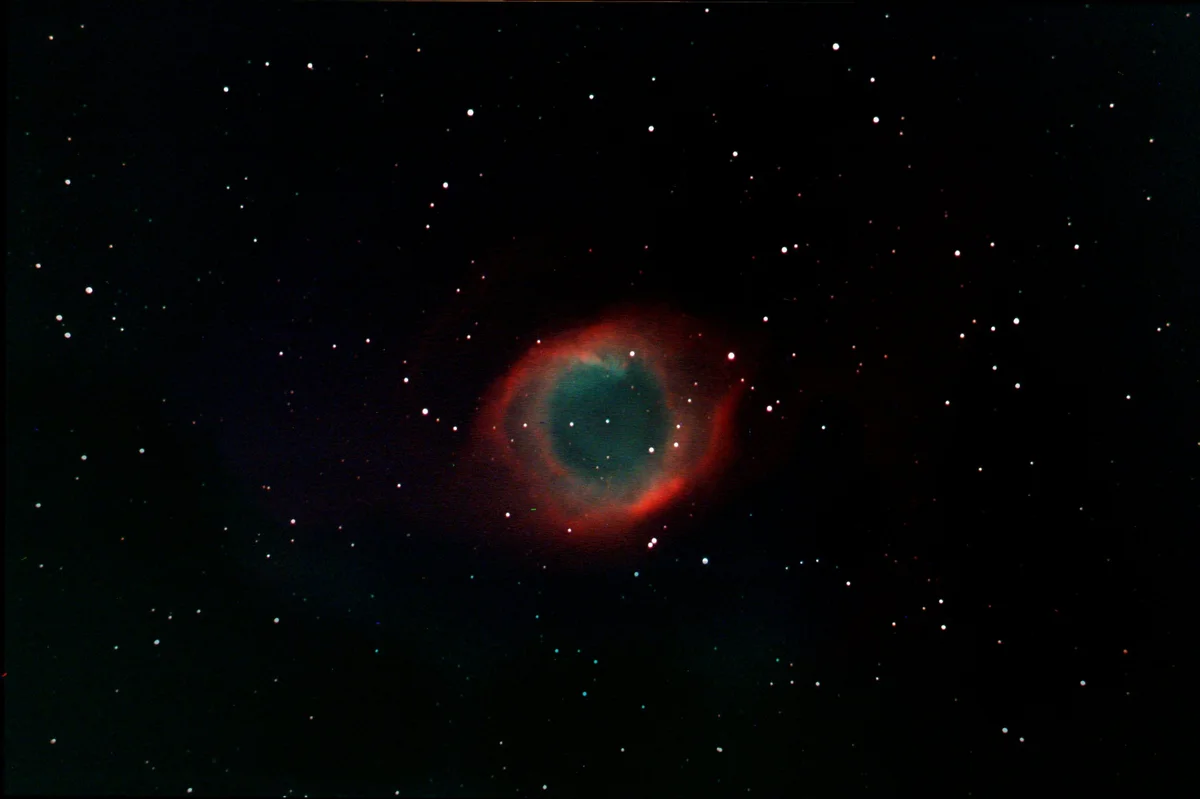
The Helix Nebula, located in the constellation Aquarius, is a planetary nebula with a rich history and unique formation process. This article explores its physical characteristics and the astronomical event that led to its creation.
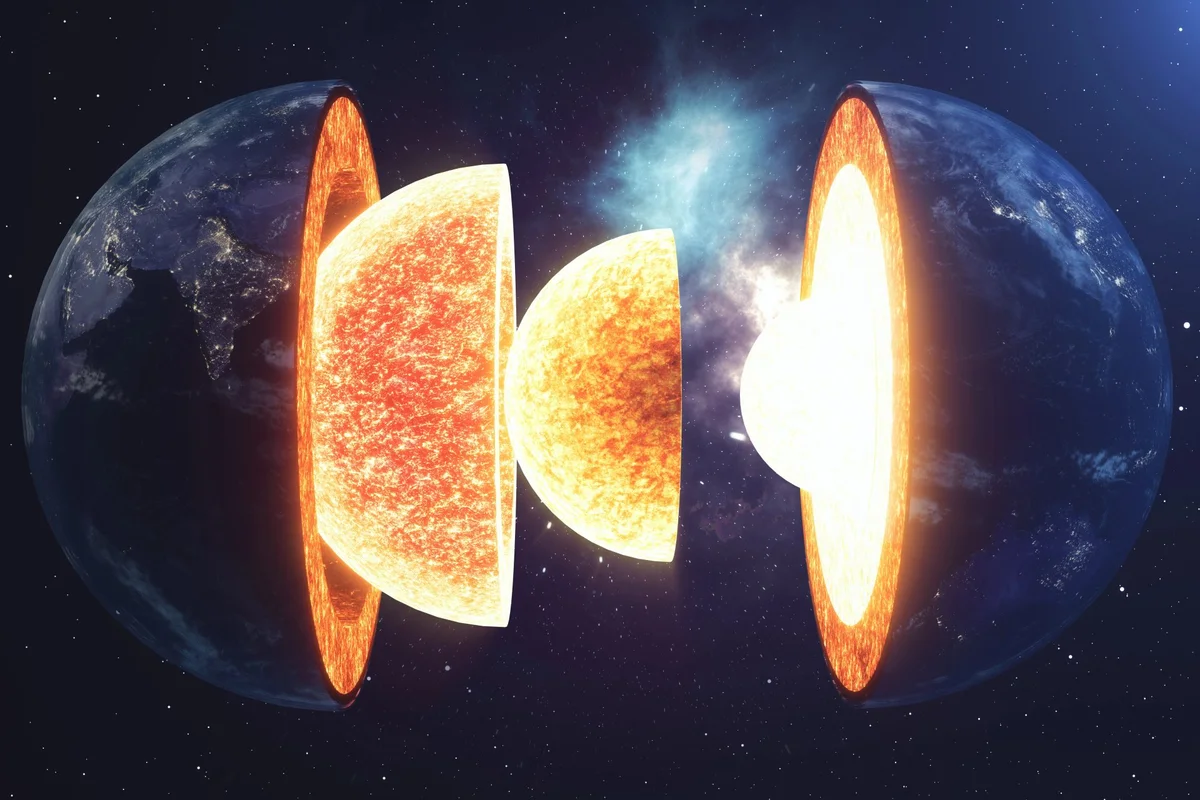
A recent study reveals that Earth's water has been trapped in its iron core since formation, suggesting a new origin for our planet's oceans.
Johannes Kepler, a key figure in the scientific revolution, transformed astronomy with his laws of planetary motion, marking a shift from astrology to empirical observation.
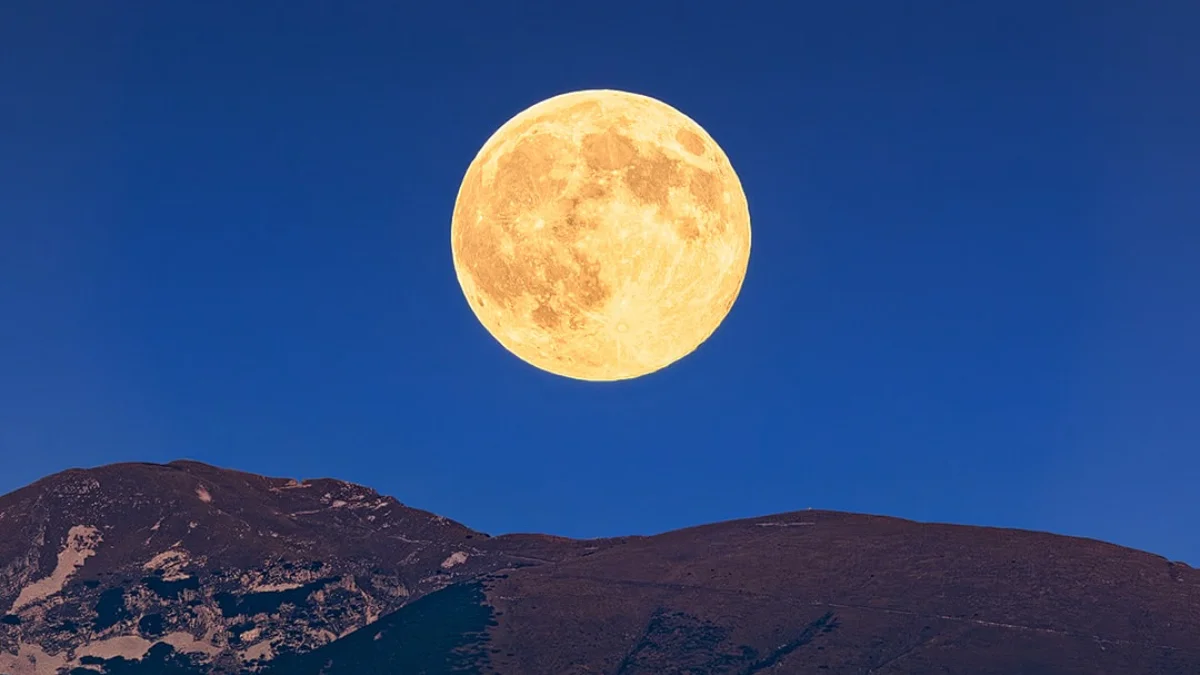
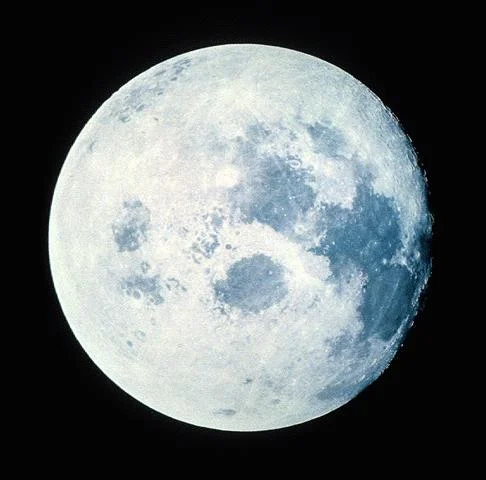
On July 29, 2026, the July Full Moon, also known as the Buck Moon, will be visible in the night sky. Learn about its significance and how to observe it.
On March 19, 2011, the Moon became a Supermoon, appearing 30% brighter and 14% larger due to its proximity to Earth during a full moon.
Explore the essentials of astronomy with this beginner's guide, covering telescopes, binoculars, and upcoming celestial events.
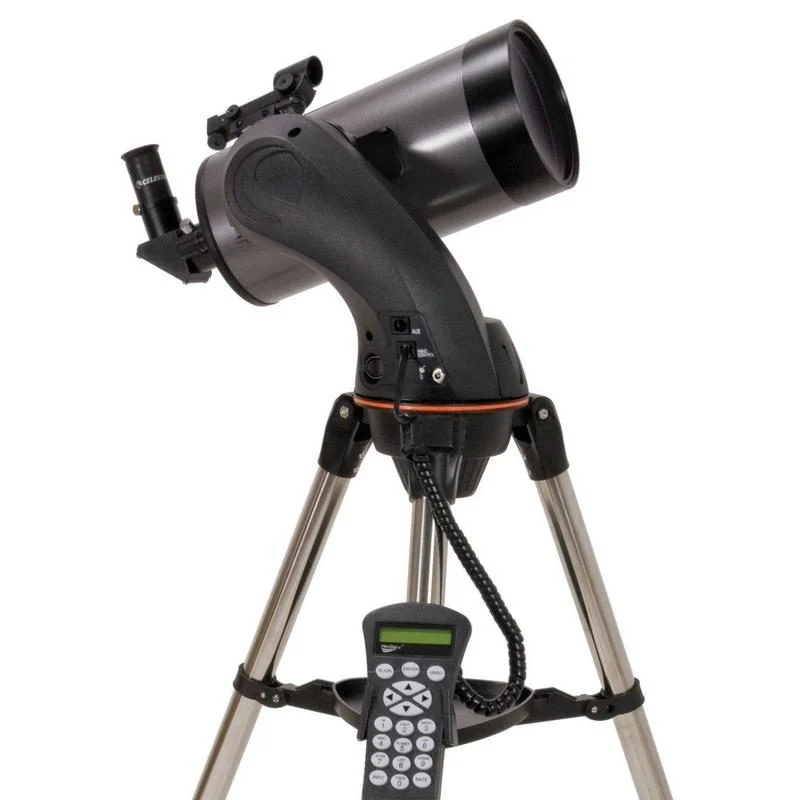
Discover the features and specifications of the Celestron Maksutov MC 127/1500 NexStar 127SLT telescope, ideal for planetary observation.
Explore the upcoming asteroid events in August 2026, including close approaches and opportunities for observation.