The Assyrian Eclipse of 763 BC: A Celestial Event Documented in Time
Explore the historical significance of the Assyrian eclipse of 763 BC, documented in cuneiform. Discover how this celestial event helps place the Assyrians on the timeline of history.
The Assyrian Eclipse of June 763 BC
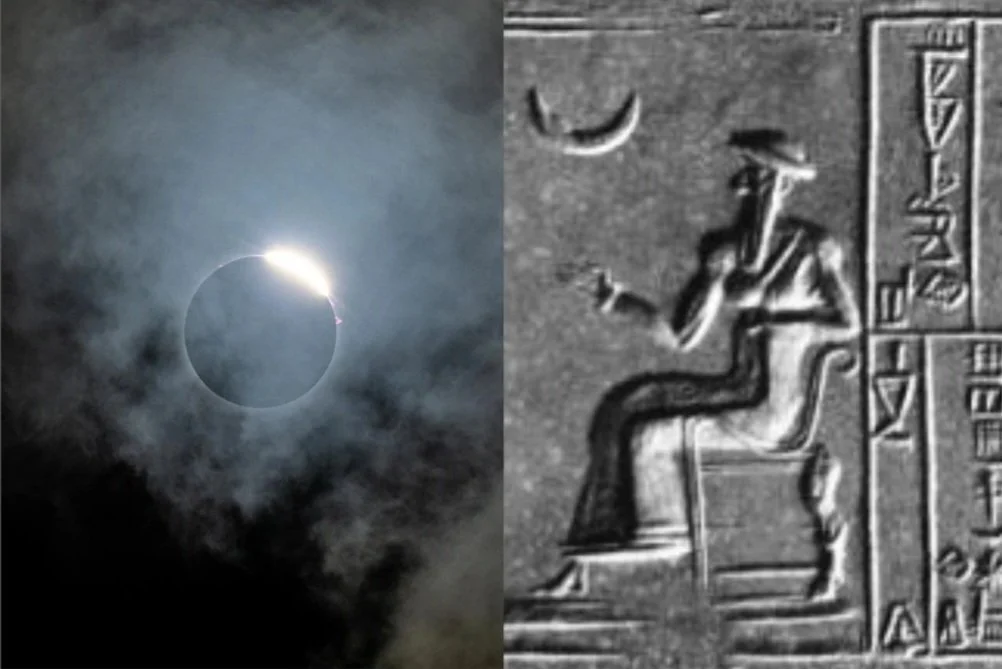
Imagine a summer day nearly 3,000 years ago—specifically, June 15, 763 BC—in the ancient city of Assur, located in Mesopotamia. Officials were busy inscribing cuneiform on clay tablets while harvesting barley and wheat under the scorching sun. Among these records, one account described an extraordinary event: the sun had completely darkened. This was not mere metaphor; according to modern reconstructions, a solar eclipse indeed occurred on that day.
Ancient Records of the Eclipse
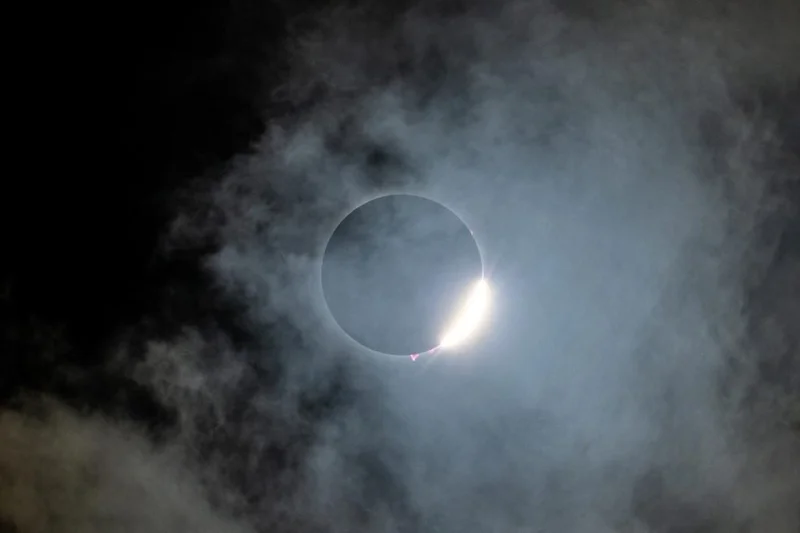
This phenomenon, which continues to captivate audiences today, involved the moon passing in front of the sun, causing it to seemingly disappear in broad daylight. To understand this event, we must view it through the lens of ancient peoples. The inhabitants of the Near East had already made significant advancements in science and particularly in writing. A diligent official recorded this celestial event on a clay tablet using cuneiform script. The eclipse was visible from Nineveh, the capital of Assyria, which is present-day Mosul in Iraq. Known for its historical, archaeological, and artistic significance, Nineveh's records have preserved this astronomical event for posterity. Some scholars even suggest that references to the Assyrian eclipse may exist in sacred texts like the Bible.
Significance of the Assyrian Eclipse
The importance of the Assyrian eclipse lies in its precise calculability. This event enables historians to accurately position the Assyrians within the timeline of history, along with numerous events from ancient times. The chronology of the ancient Near East is often fraught with gaps, with limited sources available. Establishing the exact year of events recorded in historical texts is complex; while relative chronologies can be constructed, absolute chronologies are much harder to ascertain. The documentation of astronomical phenomena in ancient records is crucial for this reason. The ability to calculate past astronomical events allows historians to place documents and artifacts in their correct temporal context. Thanks to the individual who documented the eclipse 3,000 years ago, we can assign not just a year, but also a specific day and hour to this event.
Solar and Lunar Deities in Assyrian Culture
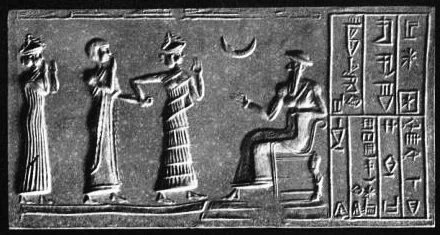
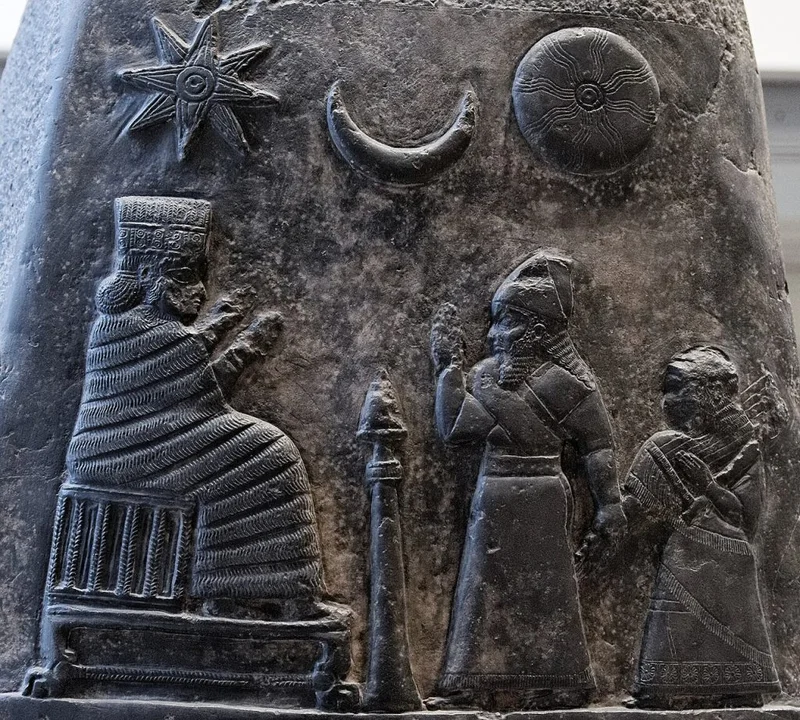
In Mesopotamian culture, the sun was associated with a deity believed to witness everything occurring during the day, capable of safeguarding travelers and ensuring justice. This solar god wielded the power of light to conquer darkness. Conversely, the moon god, the other celestial body involved in an eclipse, was responsible for regulating natural elements tied to the lunar cycle, such as the passage of months and tides. Often depicted through intuitive symbols like a solar disk and a crescent moon, these deities were frequently associated with Inanna (known as Ishtar), who was linked to the planet Venus and represented by a star. Mesopotamian art and seals often showcased celestial representations, as these bodies were intertwined with their mythology. Additionally, these cultures demonstrated remarkable skills in mathematics and astronomy; for example, the Babylonians could predict eclipses, having understood their periodicity. This blend of mythological symbolism and a rational understanding of natural phenomena illustrates the complexity of ancient civilizations.
The Assyrian eclipse resembles a narrative puzzle hidden within ancient texts, where the intricate patterns of cuneiform symbols conceal an event that can be pinpointed with mathematical precision. Interestingly, the year 753 BC, when the Assyrian eclipse occurred, holds significant historical importance as it is traditionally regarded as the year of Rome's founding. These celestial events allow us to envision what transpired during the eclipse, bridging continents and eras. Nearly 3,000 years later, as epochs have shifted, the account of this eclipse remains etched on a clay tablet, largely indecipherable to most of today's global population. This raises an intriguing question: what remnants of our current observations of eclipses and celestial phenomena will endure for future generations? Will our photographs and written memories be comprehensible to those who come after us? The moon will continue to obscure the sun from time to time, linking us to those who will gaze upon these events in the future, perhaps with the same awe that captivated the ancient official who immortalized the moon's passage before the sun on that small clay tablet.