Astronomy Highlights to Observe in August 2026
August 2026 is packed with exciting astronomy events, including a total solar eclipse, a six-planet lineup, and the Perseid meteor shower, making it a perfect month for stargazing enthusiasts.
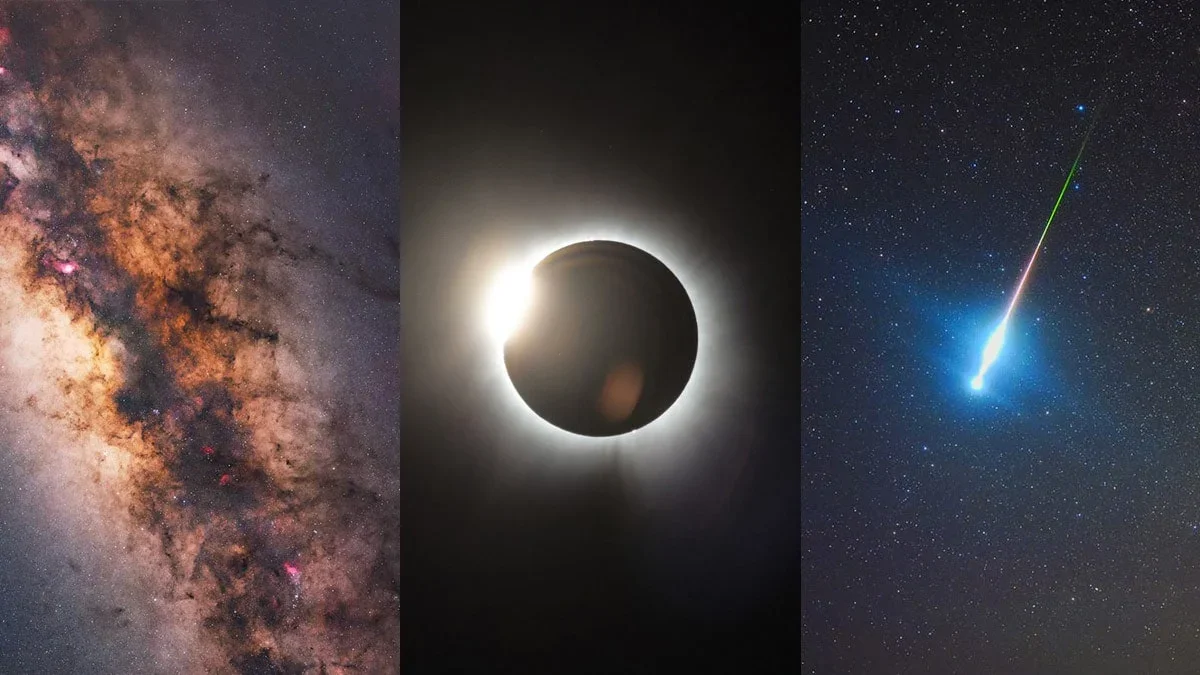
August is a standout month for astronomy enthusiasts, offering a spectacular view of the Milky Way and warm evenings perfect for stargazing. In 2026, the month promises a particularly thrilling lineup of celestial events, including a remarkable six-planet alignment, a total solar eclipse, a deep partial lunar eclipse, and the renowned Perseid meteor shower, all set against the backdrop of the Milky Way.
The excitement begins on August 12, a day packed with astronomical phenomena. Before dawn, six planets will be visible in the sky, followed by a total solar eclipse later that day. The night will also feature a New Moon, creating ideal conditions for observing the Perseid meteor shower and capturing stunning photographs of the Milky Way.
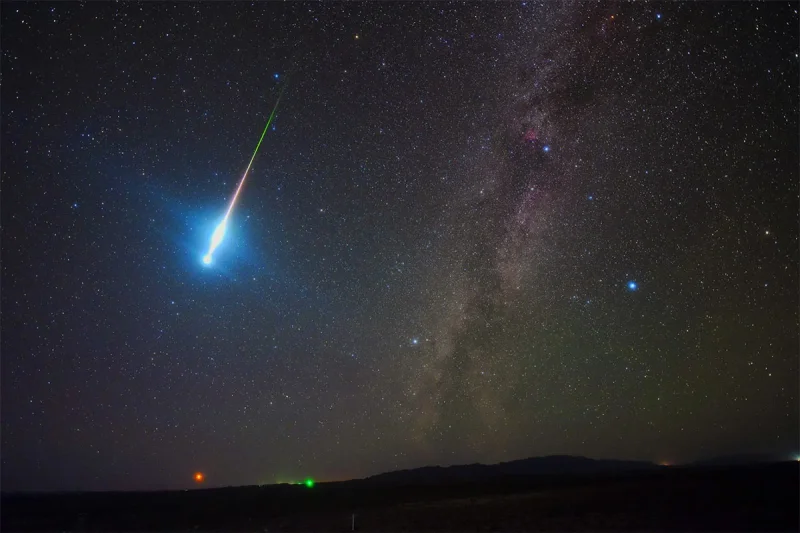
The Perseid Fireball 2018. Tang Zhengye (China).
Mark August 12 on Your Calendar
The highlight of August 12 is undeniably the total solar eclipse, accompanied by the rare opportunity to see six planets in alignment before sunrise. This day is a must for both casual observers and avid astronomers alike.
August 2026 Astronomy Events Overview
| Event or Target | Best Date | Best For | Equipment | |-----------------------------------|------------------------|-------------------------------------------------|------------------------------------------| | Six-planet morning lineup | Before sunrise on August 12 | Visual observers and telescope users | Naked eye, binoculars, and telescope | | Milky Way photography | August 9–15 | Beginners and nightscape photographers | Camera, wide-angle lens, tripod | | Total solar eclipse | August 12 | Visual observers and solar photographers | Certified eye protection and solar filter| | Perseid meteor shower | Night of August 12–13 | Everyone | Naked eye, or camera and tripod | | Cygnus deep-sky targets | All month | Telescope and smart-telescope users | Camera and telescope or smart telescope | | Deep partial lunar eclipse | Night of August 27–28 | Everyone, especially telephoto photographers | Naked eye, binoculars, or camera and lens|
For observers located in mid-northern latitudes, particularly in the United States and southern Canada, this guide provides essential dates and viewing directions. However, local factors such as horizon visibility and weather conditions will affect the experience, so it's advisable to consult astronomy apps or a planetarium for precise information.
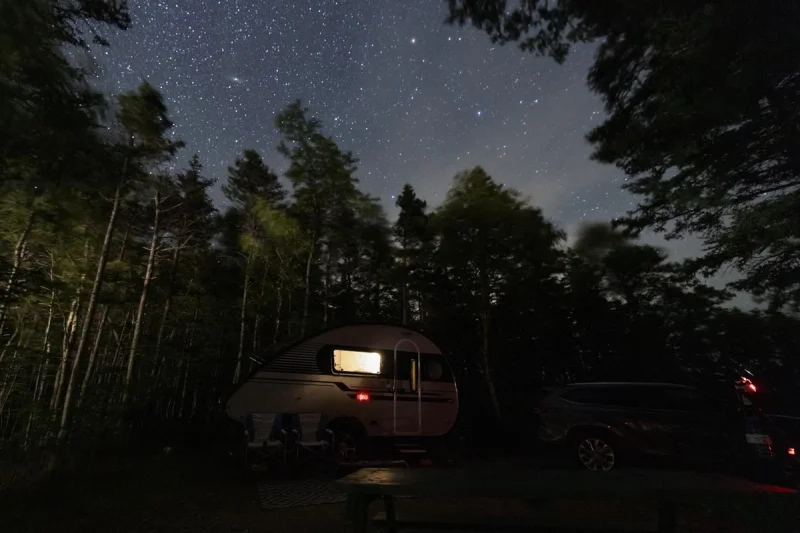
Camping under a moonless, starry night sky. Trevor Jones
Moon Phases for August 2026
The Moon plays a crucial role in planning your observations. Here are the primary lunar phases for August 2026, based on Universal Time:
| Moon Phase | Date | Observing Implications | |------------------|--------------|-------------------------------------------| | 🌗 Last Quarter | August 6 | Darker evenings as the Moon rises later | | 🌑 New Moon | August 12 | Ideal dark-sky conditions for the Milky Way and Perseids | | 🌓 First Quarter | August 20 | Good evening target along the lunar terminator | | 🌕 Full Moon | August 28 | Full Moon coincides with the deep partial lunar eclipse |
For exact phase times, refer to the U.S. Naval Observatory Moon phase table.
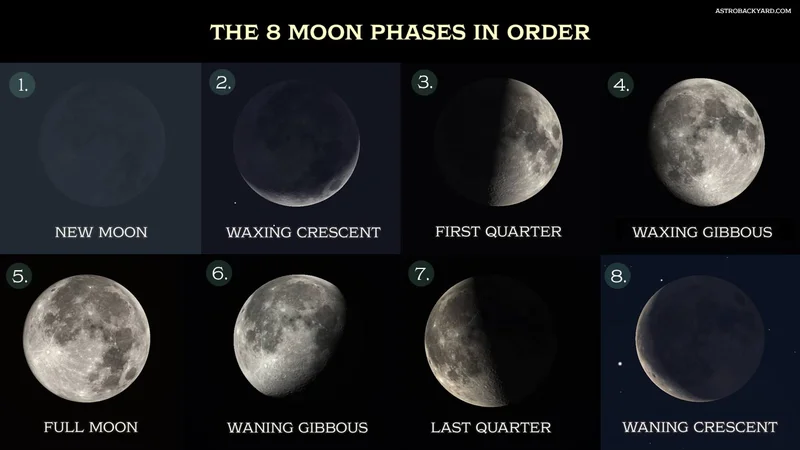
Related Article: The 8 Phases of the Moon
Observing Tips for August Events
Different regions will offer varying views of the celestial events. Here’s a quick overview to help you plan:
| Region | Best August 2026 Highlights | Important Limitations | |---------------------------------|------------------------------------------------|------------------------------------------------| | Canada and the United States | Planet lineup, Perseids, Milky Way, Cygnus, lunar eclipse | Partial solar eclipse visibility varies greatly | | Greenland, Iceland, northern Spain | Total solar eclipse, Perseids, morning planet lineup | Totality duration and Sun altitude depend on location | | Most of Europe | Partial solar eclipse, Perseids, Milky Way, planet lineup | Lunar eclipse visibility varies across the region | | Central and South America | Deep partial lunar eclipse, pre-dawn planet lineup | Perseid radiant is lower in southern latitudes | | Southern Hemisphere | Morning planets and region-specific deep-sky targets | This guide’s Milky Way directions are for mid-northern latitudes |
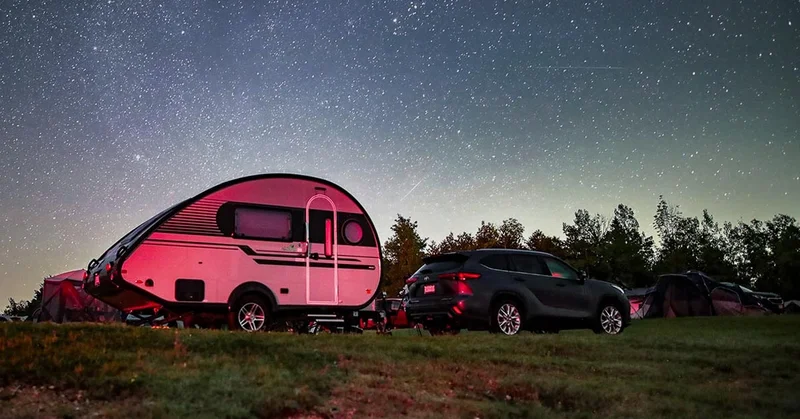
Our camper parked at the Starfest Star Party in Ontario, Canada.
1. Spotting Six Planets at Dawn
Best time: Before sunrise on August 12, 2026
On August 12, early risers will have the chance to see a rare alignment of six planets: Jupiter, Mercury, Mars, Uranus, Saturn, and Neptune. They will be arranged along the ecliptic from the eastern horizon to the southwestern sky.
While Mars and Saturn are easily visible, spotting Mercury, Jupiter, Uranus, and Neptune will require binoculars and a telescope. The best viewing window for those in Toronto is approximately 5:33–5:47 a.m. local time.
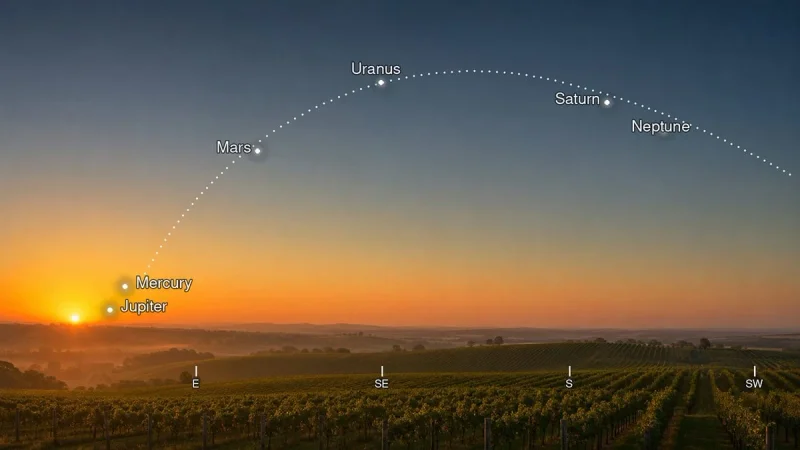
The location of the 6 planets in the early morning sky on August 12, 2026.
Observers should note that the planetary arrangement will appear slightly different from day to day, so if weather conditions are poor on August 12, backup observations can be made on August 11, 13, or 14.
2. Capturing the Milky Way
Best nights: August 9–15, 2026
The period surrounding the New Moon is ideal for capturing the Milky Way. With the New Moon on August 12, the dark skies from August 9 to 15 provide excellent conditions for photography. The galactic core will be visible soon after sunset, making it a perfect opportunity for both novice and experienced photographers.
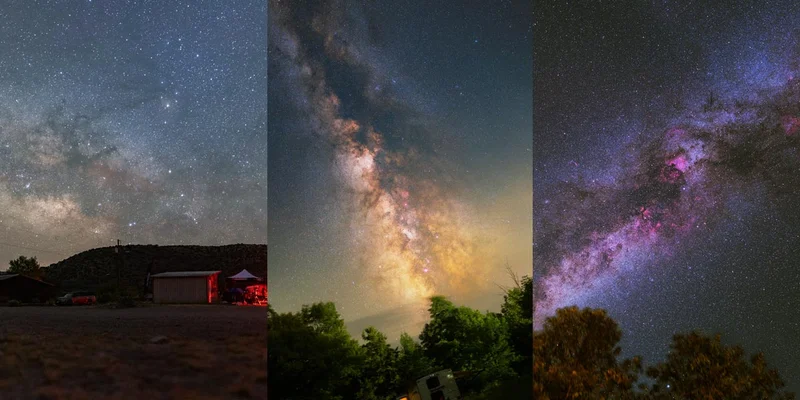
To photograph the Milky Way, a DSLR or mirrorless camera with a wide-angle lens and sturdy tripod is recommended. Begin shooting at a high ISO and adjust exposure times to avoid star trails.
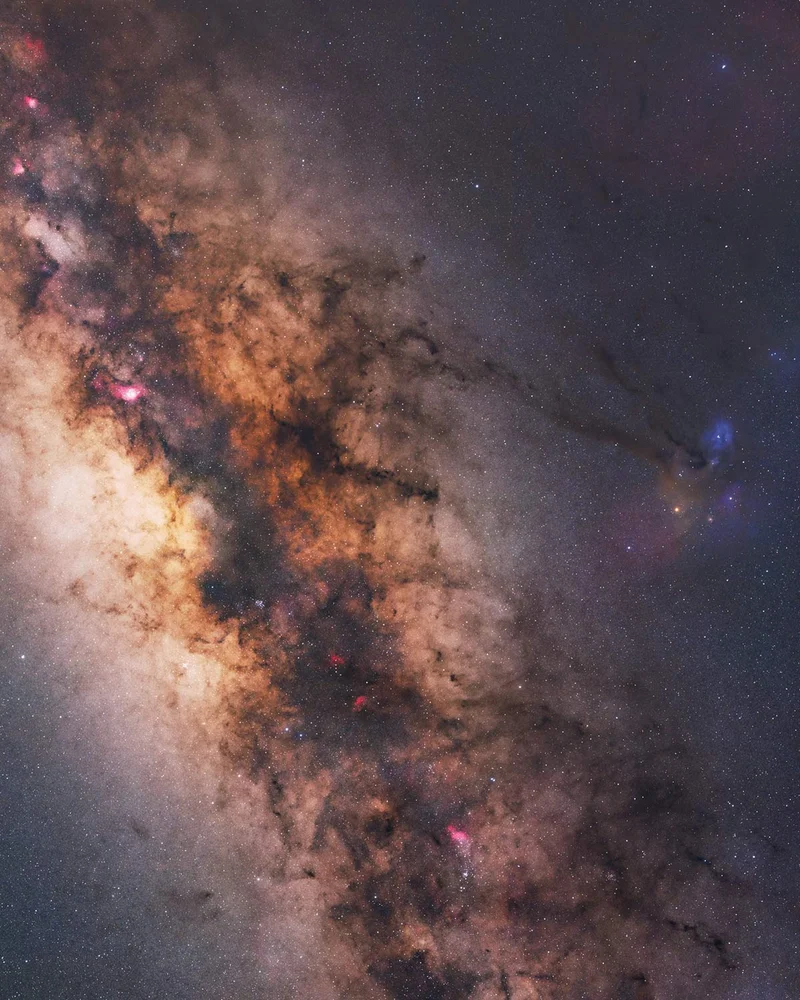
The Milky Way Core. Trevor Jones
3. The Total Solar Eclipse
Date: August 12, 2026
The total solar eclipse on August 12 is the month's most significant daytime event. The path of totality will be visible across parts of northern Russia, Greenland, Iceland, and Spain, lasting less than two and a half minutes at most locations.
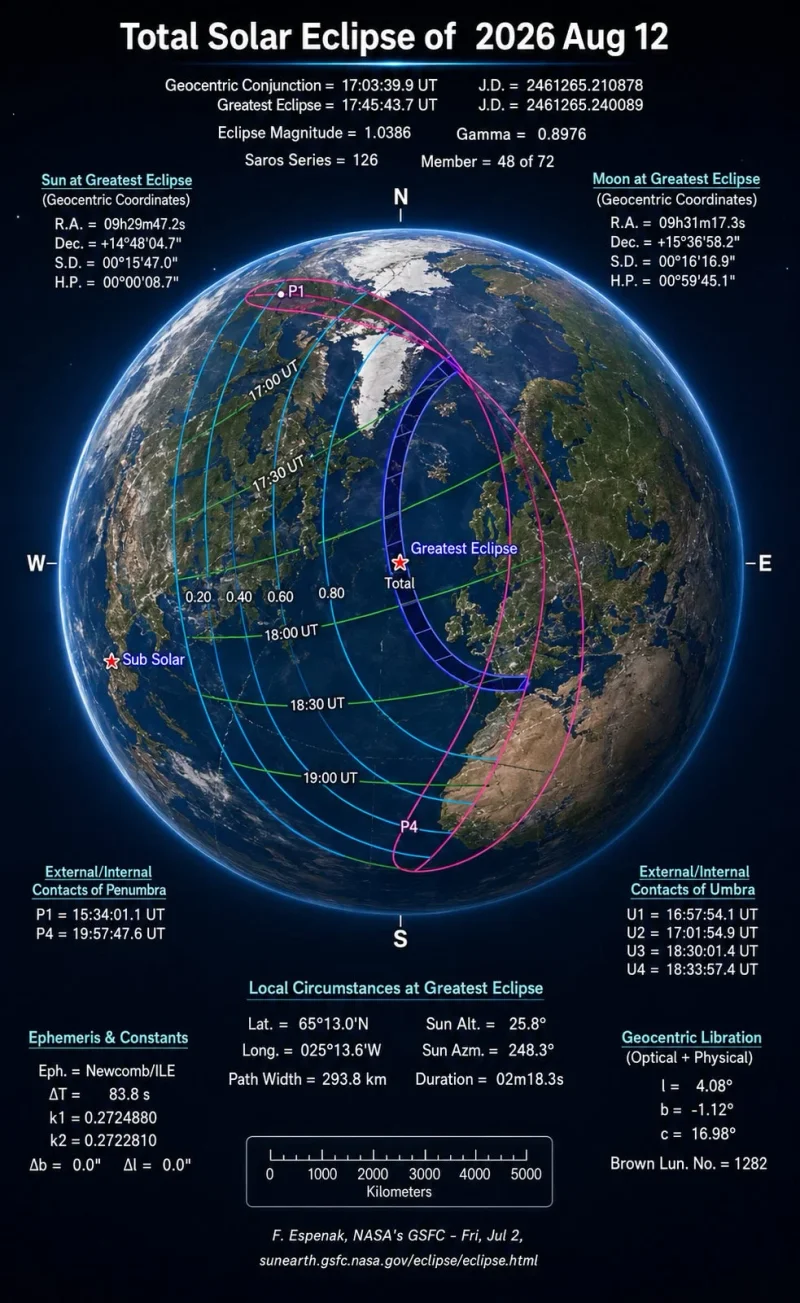
The path of totality for the August 12, 2026 Solar Eclipse. Image created using NASA Solar Eclipses 2021-2030 website
For those outside the path of totality, a partial solar eclipse will still be visible, with varying coverage depending on the observer's location.
Safety During the Eclipse
Always use certified solar viewing glasses and proper filters when observing a solar eclipse to protect your eyes and equipment. Only during totality can observers within the path remove their protective gear.
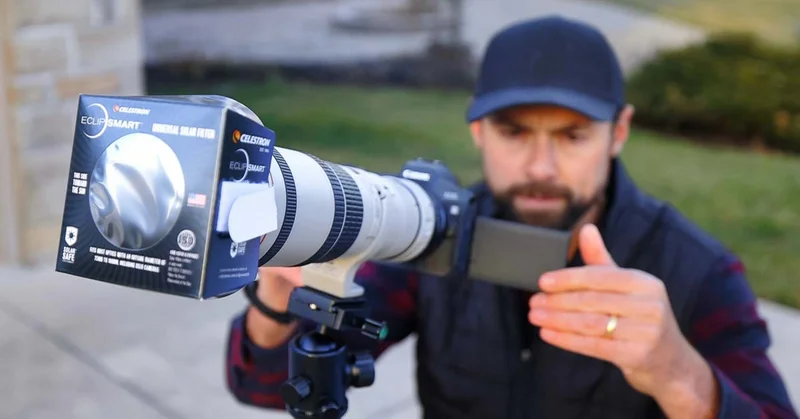
Using a solar filter on my camera lens to capture a solar eclipse.
4. Enjoying the Perseid Meteor Shower
Best night: August 12 into the morning of August 13, 2026
The Perseid meteor shower, a favorite among skywatchers, will peak on the night of August 12 into the morning of the 13th. With the New Moon providing a dark sky, viewers can expect to see an impressive display of meteors, including bright fireballs.
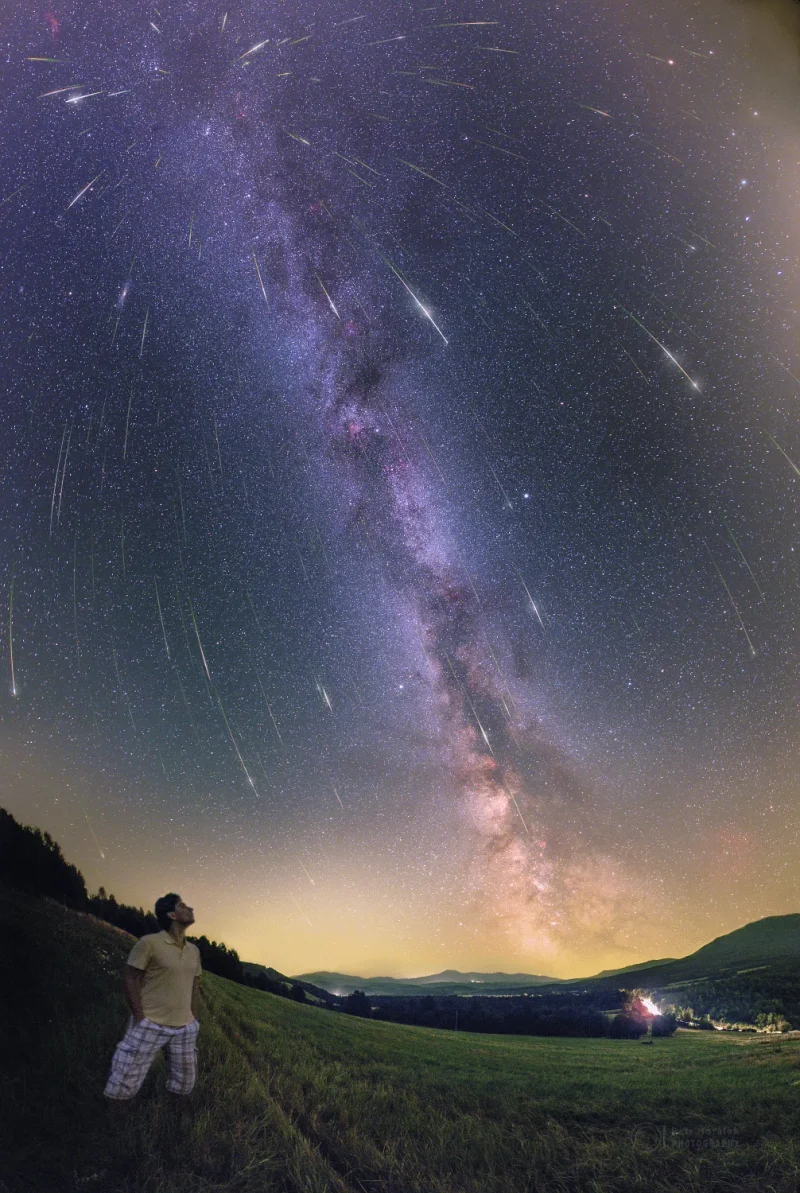
“The Perseid Rain over the Kolonica ...