August 2026: Key Astronomy Events to Experience
August 2026 offers exciting astronomical events including a total solar eclipse, Perseid meteor shower, and opportunities for Milky Way photography. Discover the best viewing times and tips for each event.
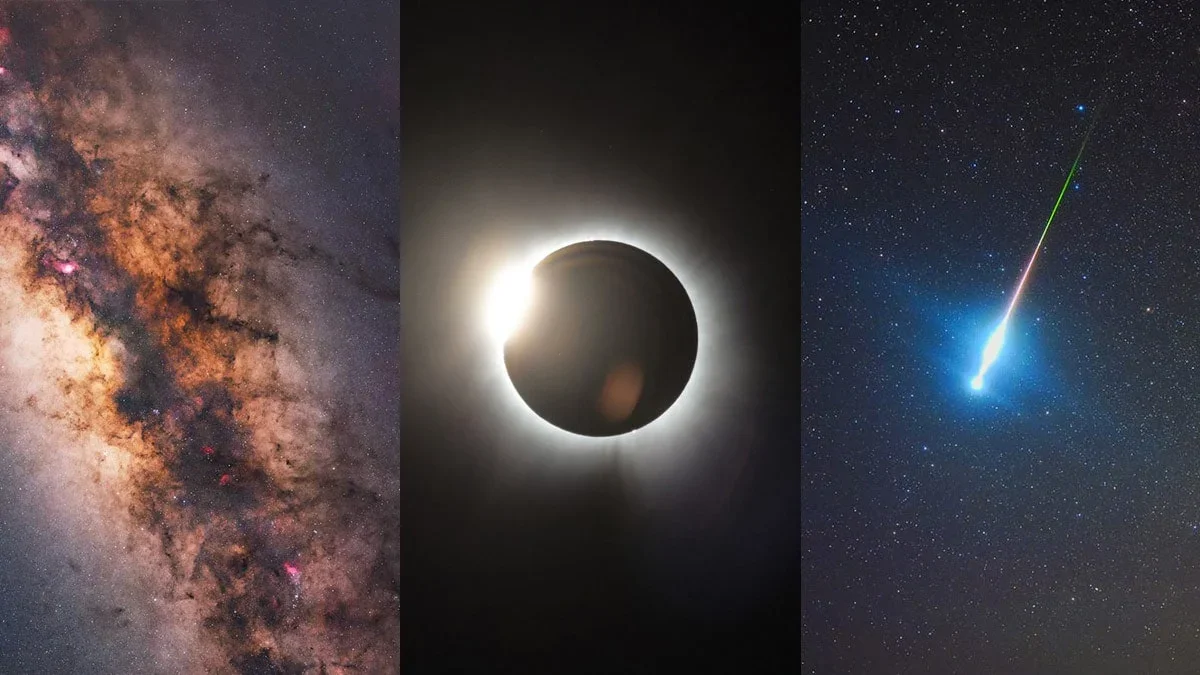
August is a prime month for stargazing, offering clear views of the Milky Way and comfortable temperatures for extended outdoor observation. In 2026, enthusiasts can look forward to a series of remarkable astronomical events, including a total solar eclipse, a deep partial lunar eclipse, and the renowned Perseid meteor shower. This month presents a fantastic opportunity for both seasoned astronomers and casual stargazers alike, with many events requiring only the naked eye or basic photography equipment.
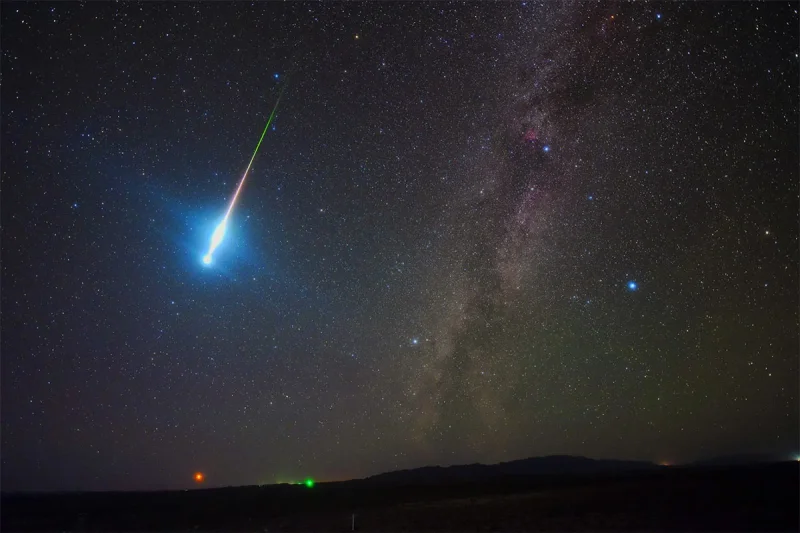
The Perseid Fireball 2018. Tang Zhengye (China).
Mark August 12 for Major Events
August 12 stands out as the highlight of the month, featuring a total solar eclipse that will be visible across parts of Greenland, Iceland, and Spain, along with a partial eclipse observable in much of Canada and the northern United States. That same night, the New Moon will create optimal conditions for observing the Perseid meteor shower and photographing the Milky Way.
Overview of Astronomy Events in August 2026
| Event or Target | Best Date | Best For | Equipment | |-------------------------------|---------------------|--------------------------------------|--------------------------------------------| | Milky Way photography | August 9–15 | Beginners and nightscape photographers | Camera, wide-angle lens, tripod | | Total solar eclipse | August 12 | Visual observers and solar photographers | Certified eye protection, solar filter | | Perseid meteor shower | Night of August 12–13 | Everyone | Naked eye, or camera and tripod | | Cygnus deep-sky targets | All month | Telescope and smart-telescope users | Camera and telescope or smart telescope | | Deep partial lunar eclipse | Night of August 27–28 | Everyone, especially telephoto photographers | Naked eye, binoculars, camera and telephoto lens |
This guide is tailored for observers at mid-northern latitudes, particularly in the United States and southern Canada. Specific viewing times and visibility depend on your exact location, so it's advisable to use a planetarium app for precise details.
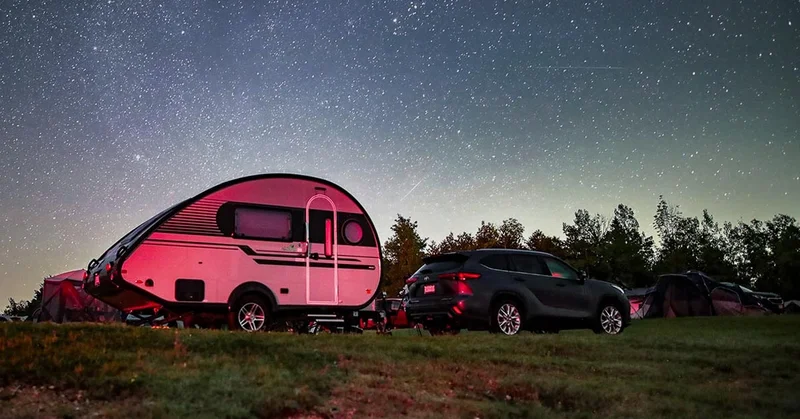
Our camper parked at the Starfest Star Party in Ontario, Canada.
1. Capture the Milky Way During the New Moon
Optimal nights: August 9–15, 2026
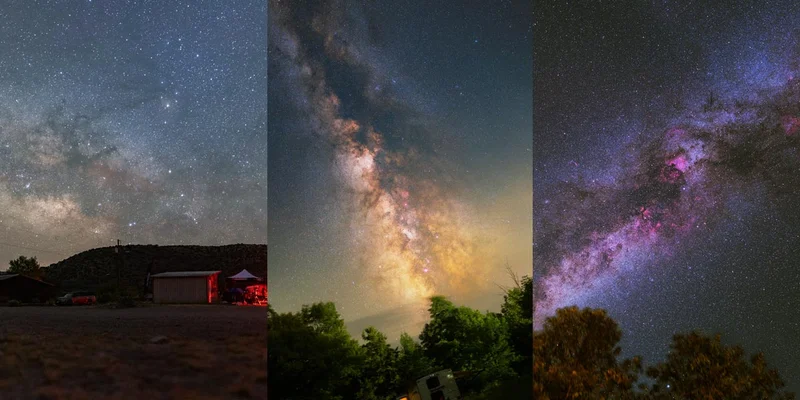
The New Moon on August 12 provides an excellent window for Milky Way photography from August 9 through August 15. The galactic core becomes visible shortly after sunset, allowing for early evening shooting.
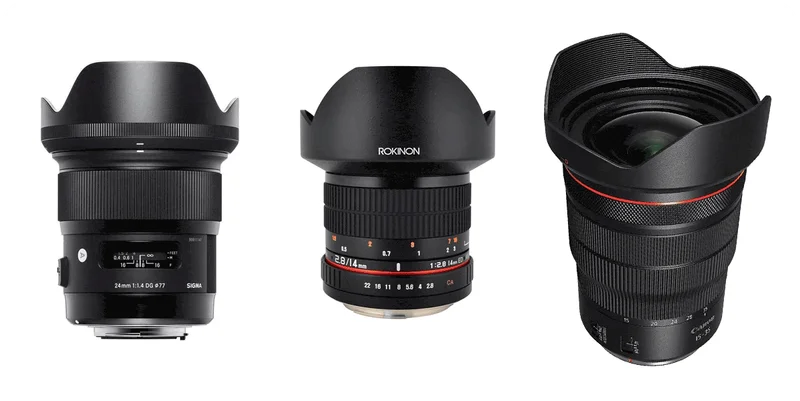
To enhance your photographs, seek out interesting foreground elements like trees, lakes, or structures to complement the Milky Way's beauty. A DSLR or mirrorless camera, wide-angle lens, and sturdy tripod will suffice for capturing stunning images. Starting with an ISO of 1600-3200 and exposure times of 10–20 seconds is recommended, adjusting as needed based on the results.
2. Experience the Total Solar Eclipse
Date: August 12, 2026
The total solar eclipse on August 12 is the most significant daytime event of the month. The path of totality will traverse northern Russia, Greenland, Iceland, and parts of Spain, with totality lasting under two and a half minutes in most locations.
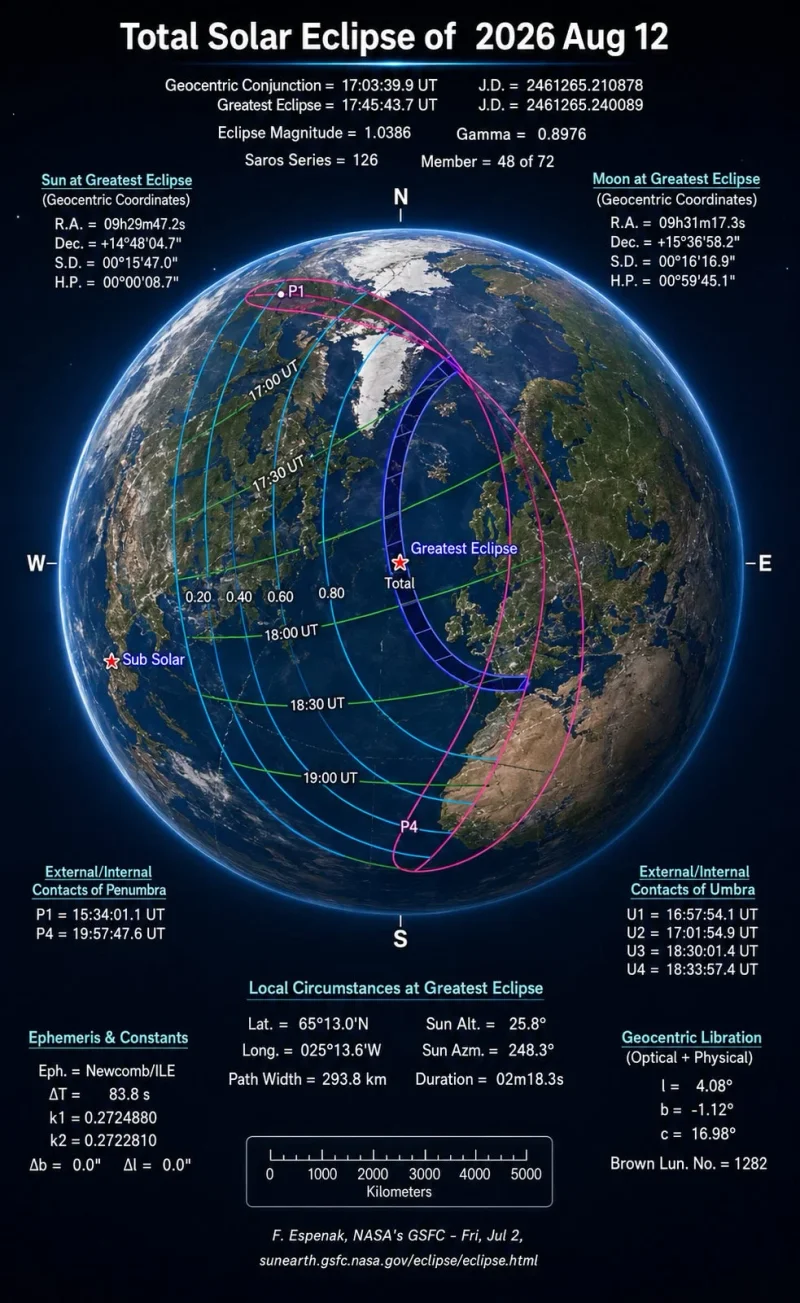
The path of totality for the August 12, 2026 Solar Eclipse. Image created using NASA Solar Eclipses 2021-2030 website
For those outside the path of totality, a partial solar eclipse will still be visible across many regions, including Canada and the northern United States. Observers should note that safety is paramount; certified solar-viewing glasses and proper solar filters are essential for safe viewing and photography.
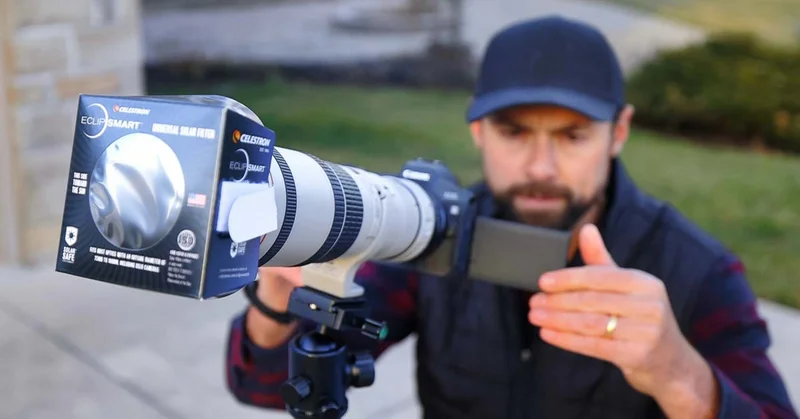
Using a solar filter on my camera lens to capture a solar eclipse. Trevor Jones
Solar Safety is Crucial
During all partial phases, it is vital to use proper eye protection and filters for any optical devices. Only those within the totality path can safely remove their eye protection during totality.
3. Witness the Perseid Meteor Shower
Peak viewing: Night of August 12–13, 2026
The Perseid meteor shower, one of the most popular events of the year, peaks during warm summer nights. In 2026, the conditions are particularly favorable due to the absence of moonlight. The best viewing occurs from the evening of August 12 into the early hours of August 13.
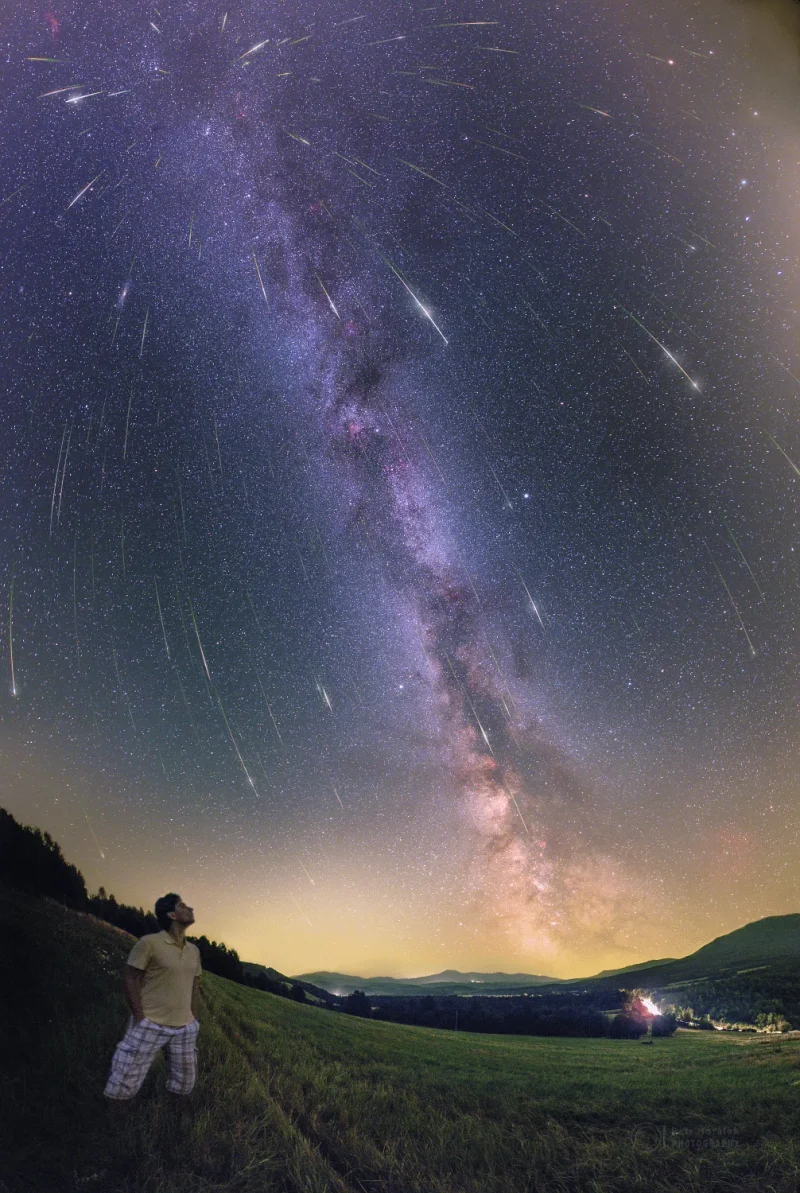
“The Perseid Rain over the Kolonica Saddle” by Petr Horálek (2015).
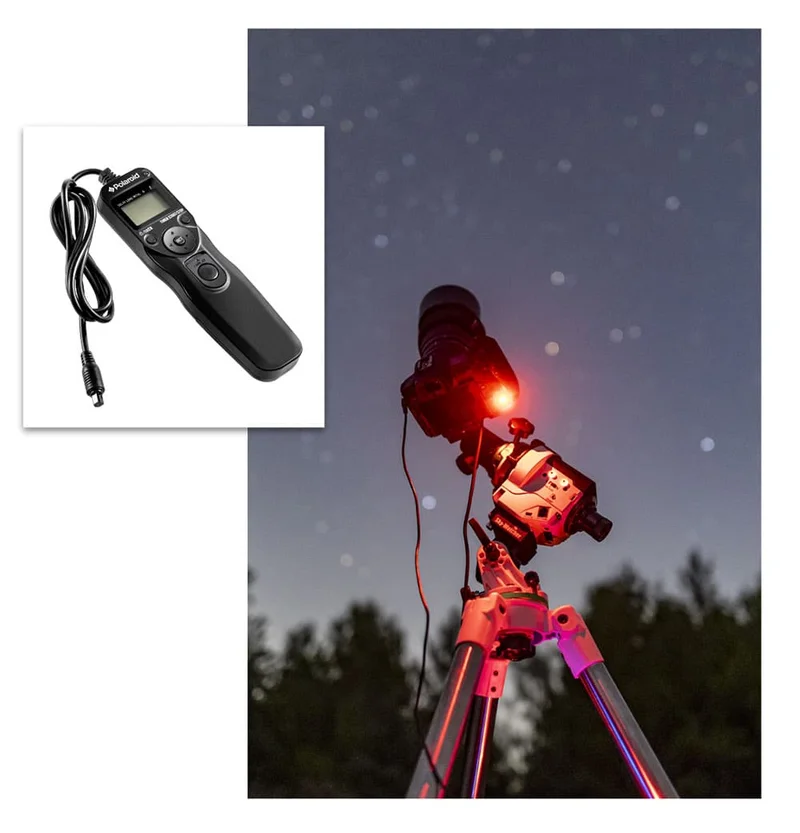
Observers can expect to see numerous meteors, especially if they find a dark location away from city lights. For those aiming to capture the event photographically, a wide-angle lens on a tripod with continuous shooting will yield the best results.
4. Explore Deep-Sky Wonders in Cygnus
Best time: Throughout August
For telescope users, the constellation Cygnus offers a wealth of deep-sky targets. Recognizable by its Northern Cross shape, Cygnus hosts many fascinating objects, including the North America Nebula and the Veil Nebula.
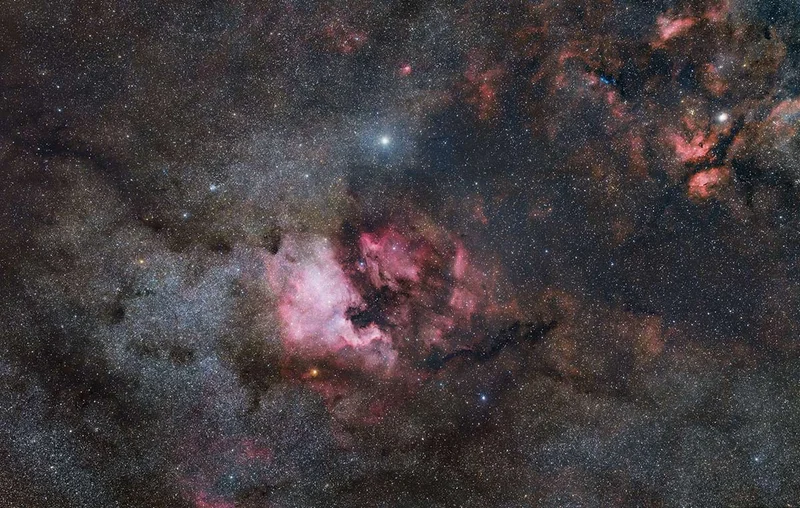
The North America Nebula and Pelican Nebula. Trevor Jones
These targets are ideal for both imaging and visual observation, especially when Cygnus is high in the sky. Using a smart telescope can also enhance the experience, allowing for live stacking and detailed observations.
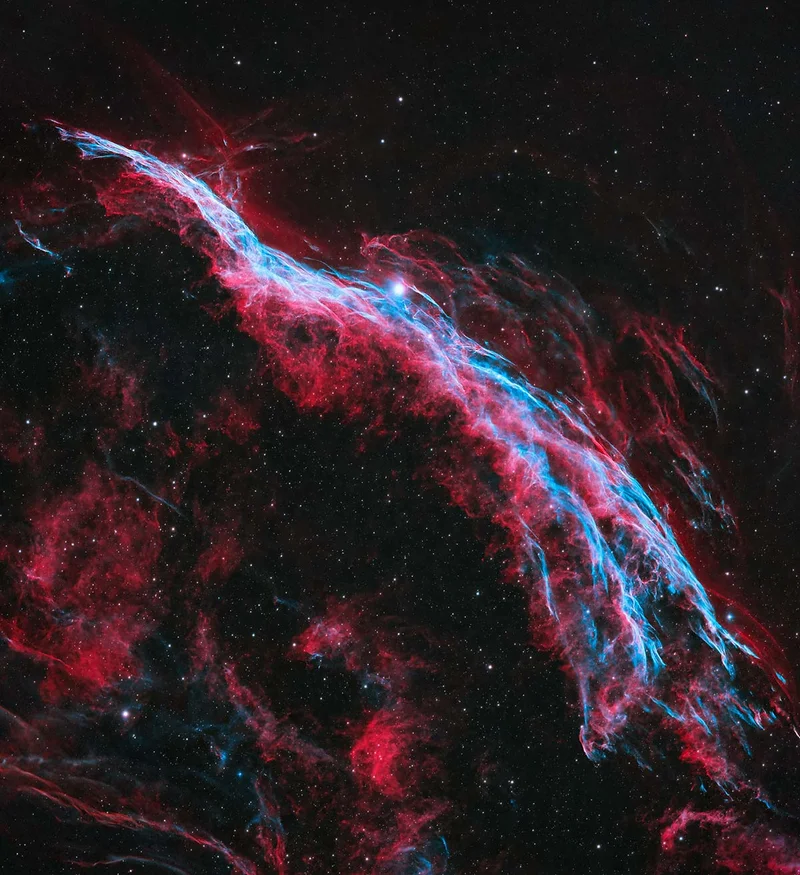
The Western Veil Nebula. Trevor Jones
5. Observe a Deep Partial Lunar Eclipse
Date: Night of August 27–28, 2026
August concludes with a deep partial lunar eclipse, where up to 96.2% of the Moon will be covered by Earth's shadow. While it is not a total eclipse, the event will still provide a stunning sight for observers.
This month promises a rich tapestry of astronomical events, making it an exciting time for both novice and experienced stargazers. Whether you’re photographing the Milky Way, witnessing the solar eclipse, or enjoying the Perseids, August 2026 is set to be a memorable month in the night sky.