Mayan Astronomy: An Introduction to Celestial Knowledge
Mayan astronomy is part of a broader tradition in Mesoamerica, distinguished by unique features such as the Long Count calendar and precise celestial calculations. Explore their knowledge of the cosmos.
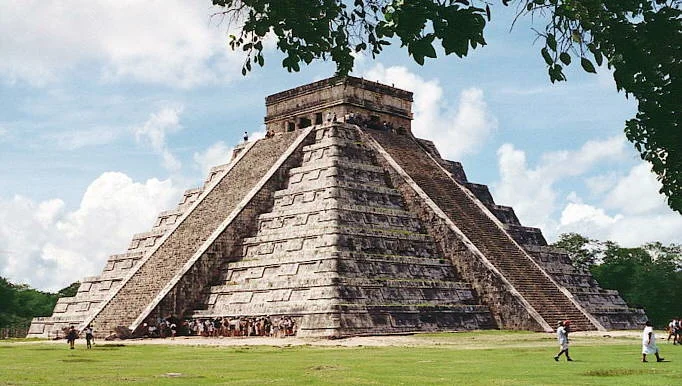
Mayan astronomy is an integral part of a broader tradition shared by various cultures in Mesoamerica, yet it possesses distinctive features that set it apart. One of the most notable aspects is the use of the Long Count calendar, which enabled the Maya during the Classic Period to perform calculations spanning millions of years.
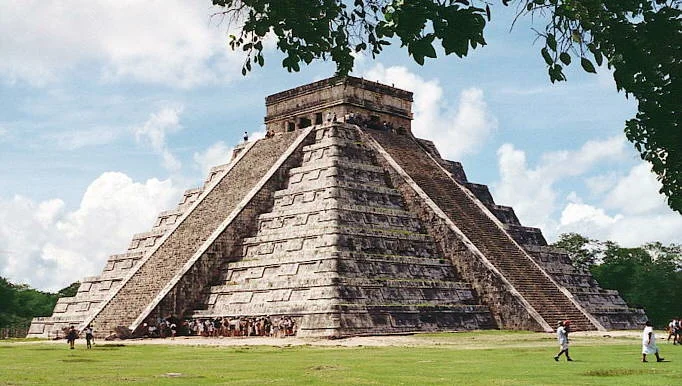
The Maya achieved remarkable accuracy in calculating the synodic periods of planets such as Mercury, Venus, Mars, Jupiter, and Saturn. They meticulously determined the cycles of the Moon and the Sun, as well as the positions of stars like the Pleiades, referred to as Tzab-ek, which they believed to be their origin. Their Tzolkin calendar, consisting of 260 days, is based on a cycle that spans 26,000 years.
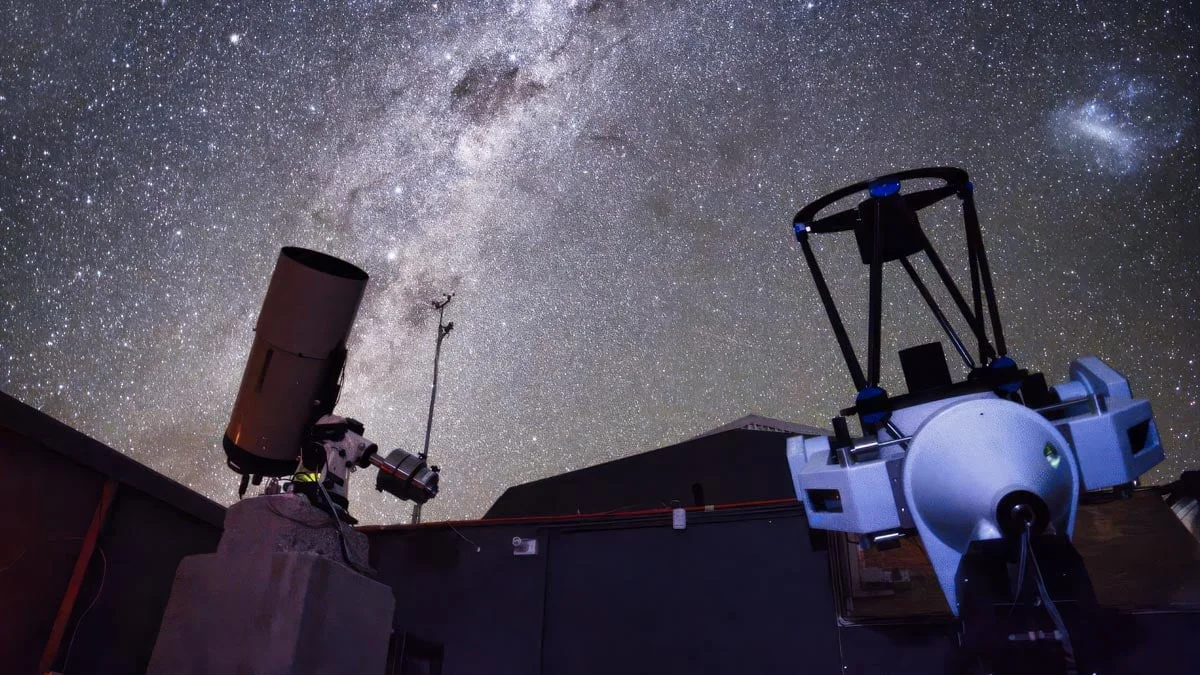
The Milky Way held a central place in their cosmology, known as Wakah Chan, and was associated with Xibalbá. Even today, the Kiche' people of Guatemala refer to it as Xibalbá be, meaning the path to the underworld. The Maya also had a zodiac based on the ecliptic, the Sun's path through fixed constellations, depicted in Stela 10 of Tikal and Stela 1 of Xultún, both located in Petén, Guatemala, as well as in the Grolier Codex.
.jpg)
While the astronomical knowledge was primarily held by the priestly class, the general populace respected and organized their lives according to their predictions. The priests were well-versed in the movements of celestial bodies, allowing them to forecast eclipses and track the course of Venus, which granted them significant influence over the people, who regarded them as closely connected to the deities.
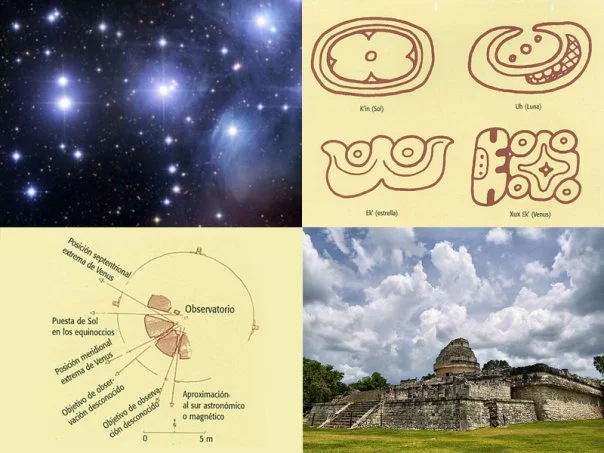
The Maya referred to Venus as Ah-Chicum-Ek', meaning the great morning star, and Xux ek, or the wasp star. The term for star in the Mayan language is ek, which is also a common surname among many individuals in the Mayan region.
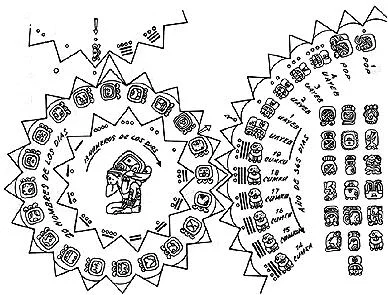
Among the known Mayan codices, the Dresden Codex stands out as a comprehensive treatise on astronomy. The Mayan calendars, including the Tzolkin, Haab, and Tzoltun, represent some of the civilization's greatest cultural achievements, documenting numerous celestial events. These calendars are cyclical, meaning that once a cycle concludes, the counting begins anew, continuing indefinitely.
Jose A. Aguilera Rodríguez