#exoplanets
A deep dive into space exploration, examining the advancements in technology, the search for extraterrestrial life, and the cultural impact of our journey through the cosmos.
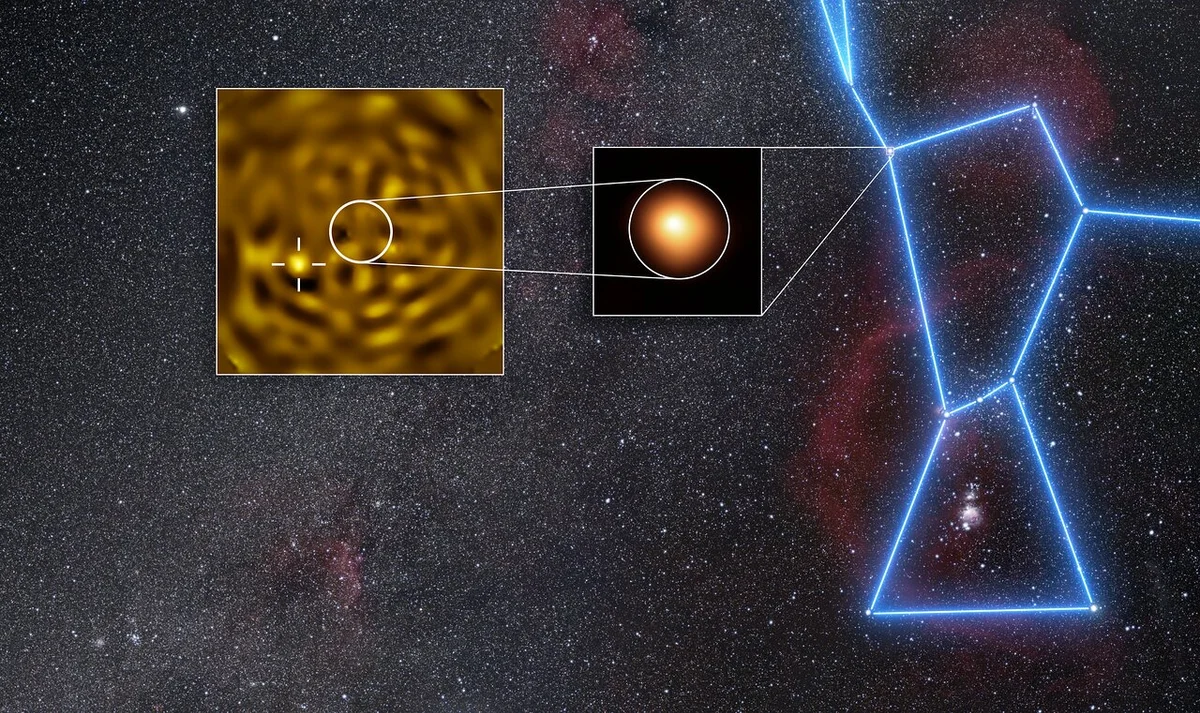
A third planet, Beta Pictoris d, has been discovered orbiting the star Beta Pictoris, marking a significant achievement in exoplanet research.
Discover the latest advancements in space exploration, including new missions, technologies, and the search for extraterrestrial life.
An overview of recent advancements in space exploration, including Mars missions, exoplanet studies, and international collaboration in astronomy.
The young planetary system of the 23 million year old star Beta Pictoris has become a prime example of circumstellar dust disks, hosting at least three giant gas planets. Recent studies using the GRAVITY+ instrument have shed light on the planet's origins and atmospheric variability.
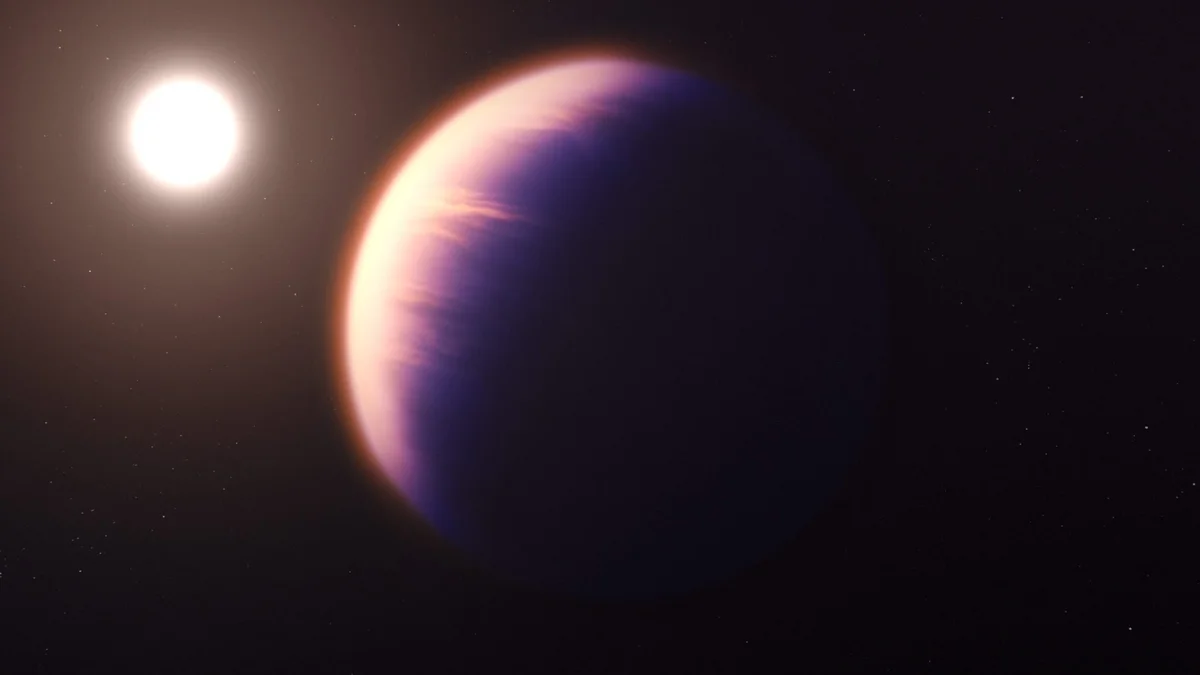
An international team of astronomers has observed the exoplanet WD 1856 b with the James Webb Space Telescope, revealing its mass, temperature, and atmosphere. This research provides insights into the future of planets like Jupiter after the sun's demise.
On June 24, the European Space Agency (ESA) released the largest and most detailed image of the center of the Milky Way in visible light, created with VIS (Visible Camera), one of the two instruments aboard the Euclid space telescope.
The discovery is the result of the work of an international team of astronomers led by the Palidoro Astrophile Group, which includes Giuseppe Conzo, Mara Moriconi, and Silvio Antonio Corrêa Jr., and was published in the Open European Journal on Variable Stars (OEJV).
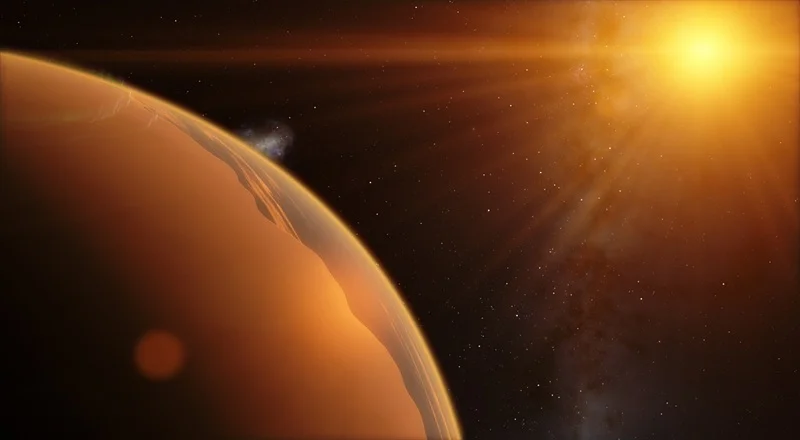
The James Webb Space Telescope has characterized the surface of a rocky exoplanet for the first time, revealing a dark, hot world without an atmosphere. Discover the implications for exoplanet geology and the search for habitable planets.
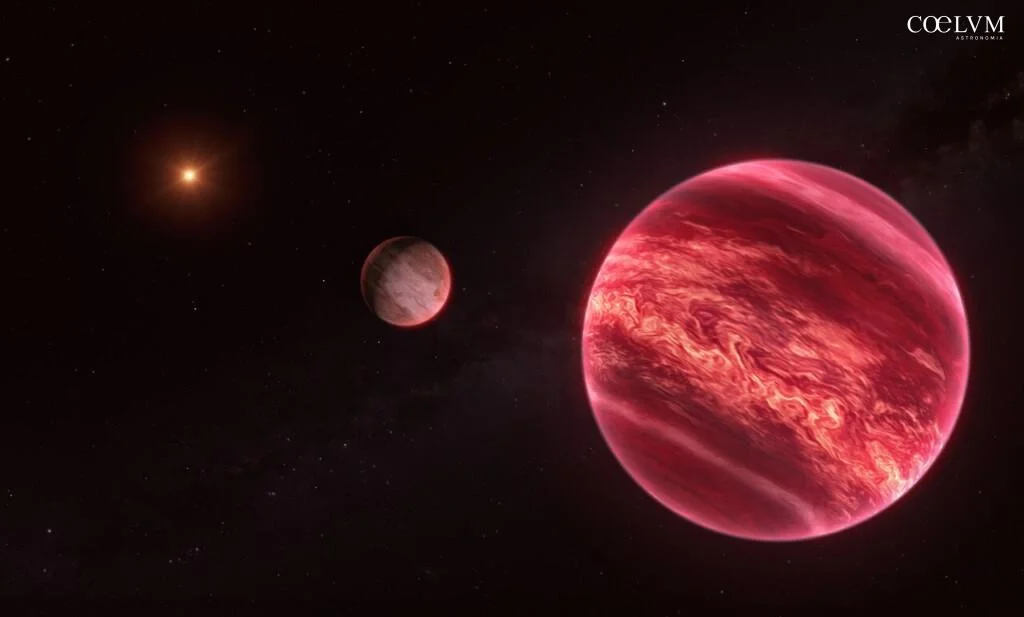
Where is the boundary between stars and the most massive planets? Scientists suspect that this depends on their formation method. Did they form through a bottom-up process or a top-down process?
A team of astronomers led by Elisabeth Matthews at the Max Planck Institute for Astronomy (MPIA) has discovered water ice clouds on a distant exoplanet, Epsilon Indi Ab, showcasing the potential for future exoplanet research.
Using the MIRI instrument aboard the James Webb Space Telescope, a research team investigated the surface composition of the rocky planet LHS 3844 b, revealing insights into its geological properties.