#celestial events
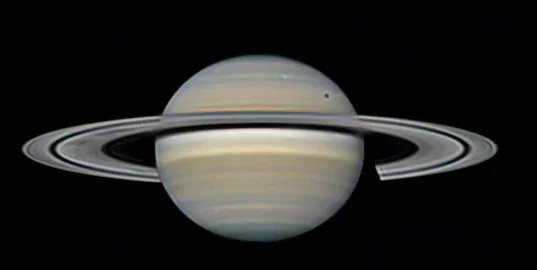
Saturn is back in the summer sky, providing a stunning view for amateur astronomers. Observing the ringed planet at over 40° height ensures remarkable quality.
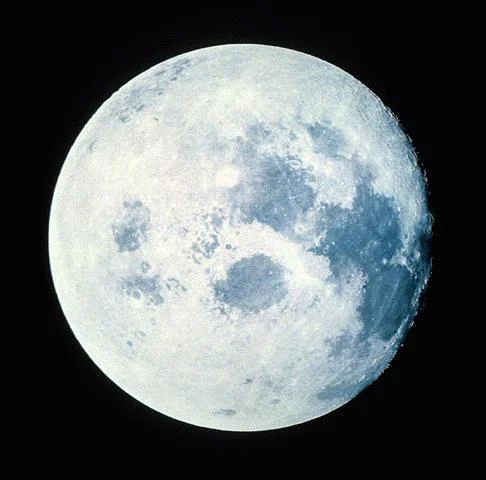
On March 19, 2011, the Moon became a Supermoon, appearing 30% brighter and 14% larger due to its proximity to Earth during a full moon.
Explore the essentials of astronomy with this beginner's guide, covering telescopes, binoculars, and upcoming celestial events.
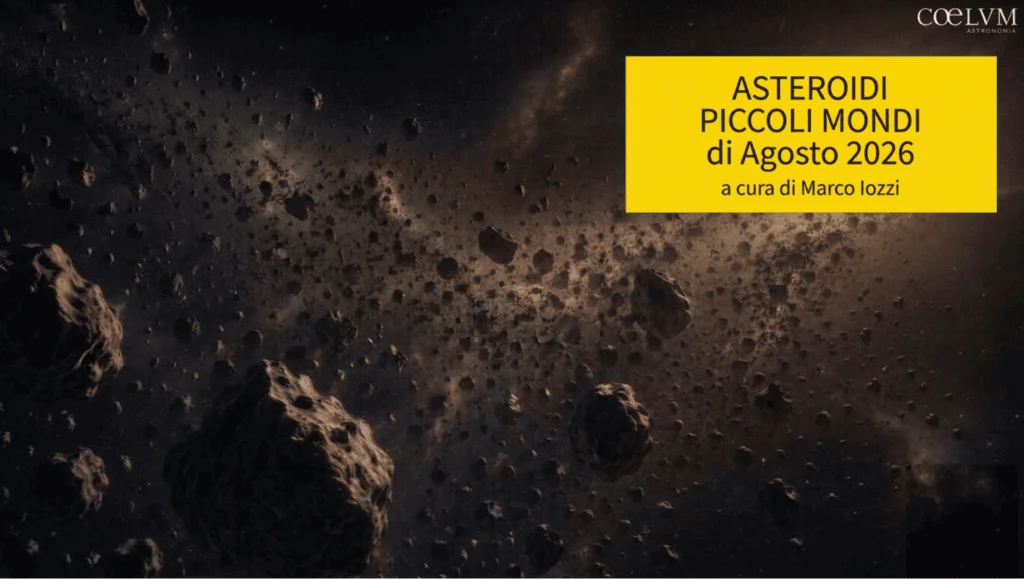
Explore the upcoming asteroid events in August 2026, including close approaches and opportunities for observation.
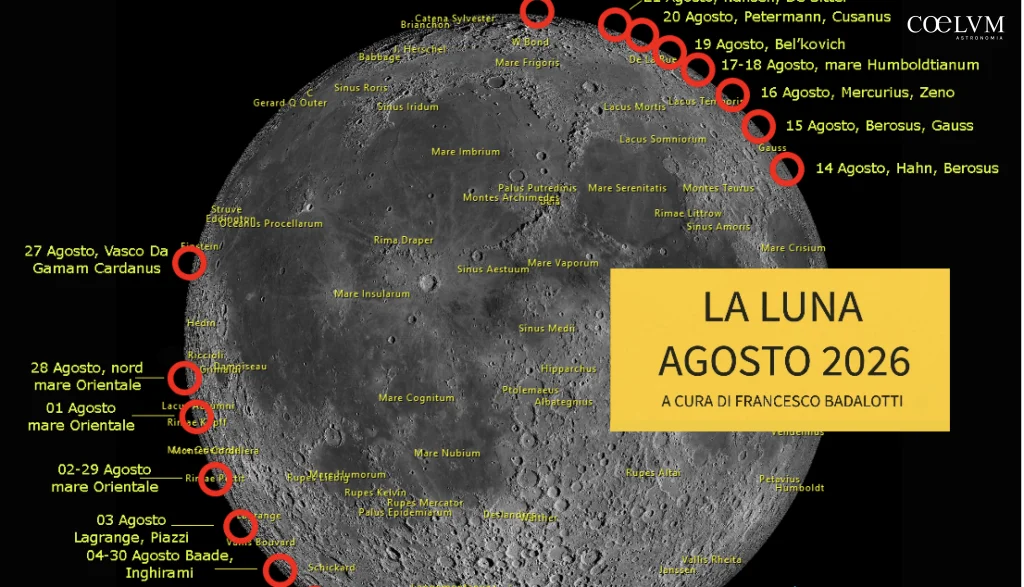
Explore the lunar phases of August 2026, including the New Moon, First Quarter, Full Moon, and Last Quarter, along with opportunities for celestial observation.
May 2025 promises an exciting array of celestial events, including a partial solar eclipse, the Eta Aquarid meteor shower, and planetary alignments. Discover what to expect in the skies.
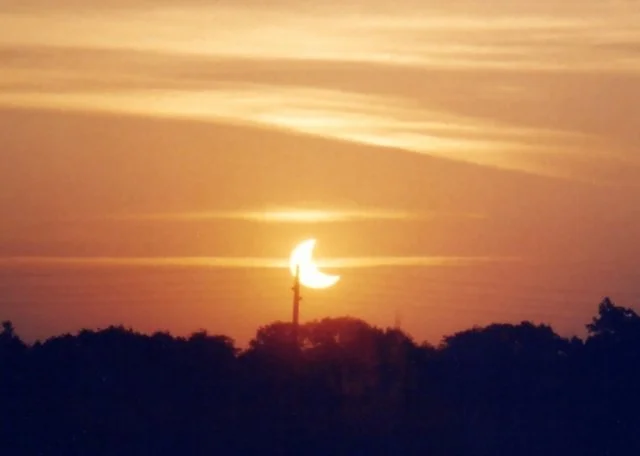
August 2026 features two significant celestial events: a total solar eclipse on August 12 and a partial lunar eclipse on August 28, both visible from German-speaking regions.
Discover the celestial conjunctions occurring in July, their visibility, and the best times for observation. This guide helps distinguish between visually appealing events and those worth your time.
As the project was launched in July 2008, I never thought that this blog, then still referred to as "Astrofan80’s Blog", would still exist after 18 years. This year, the blog and my homepage have essentially come of age.
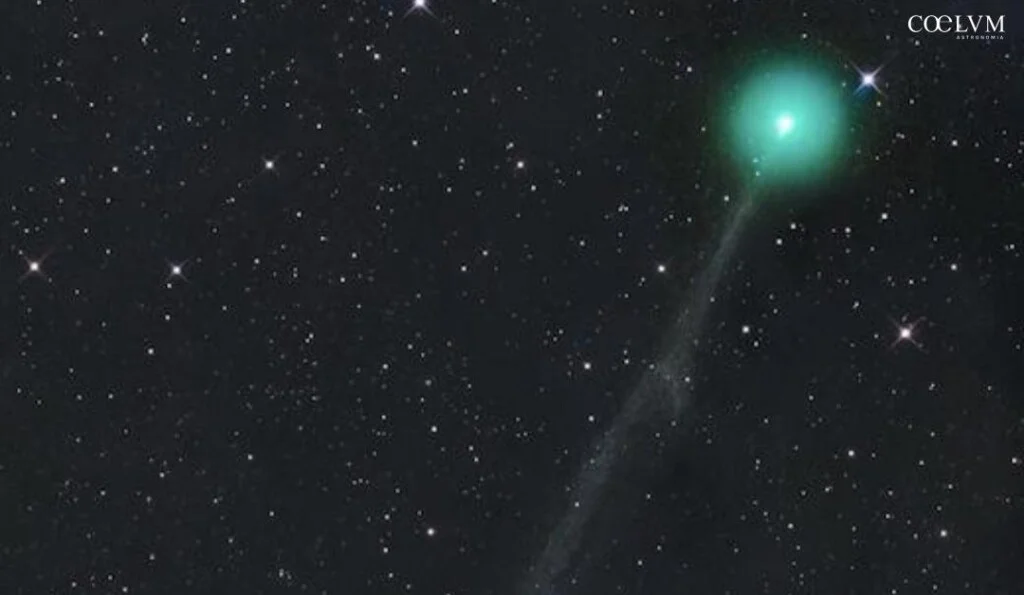
In early June, the short-period comet 220P/McNaught experienced a significant outburst, increasing its brightness from magnitude 18 to 9, making it observable with binoculars.
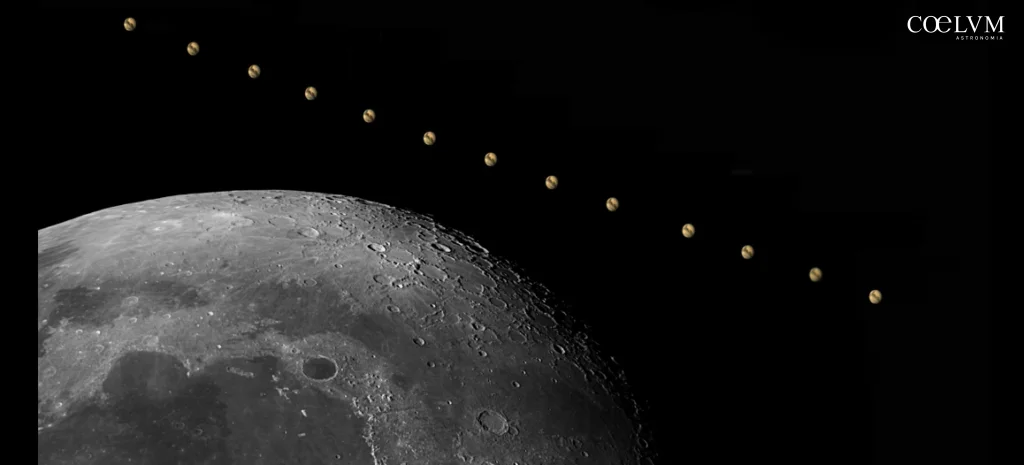
A tender love story unfolds as Jupiter and Venus share a kiss in the night sky, captivating scholars and romantics alike.
In astronomy, conjunctions are extremely common events. This article distinguishes between conjunctions that are worth observing and those that are not, providing a detailed schedule for June.