THE GREAT OUTBURST OF 220P/MCNAUGHT
In early June, the short-period comet 220P/McNaught experienced a significant outburst, increasing its brightness from magnitude 18 to 9, making it observable with binoculars.
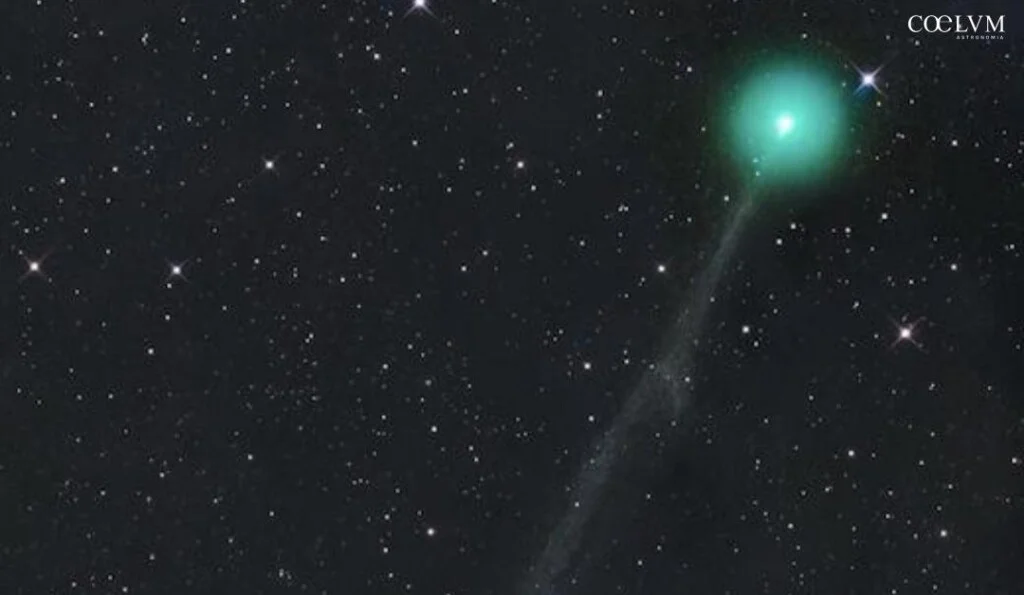
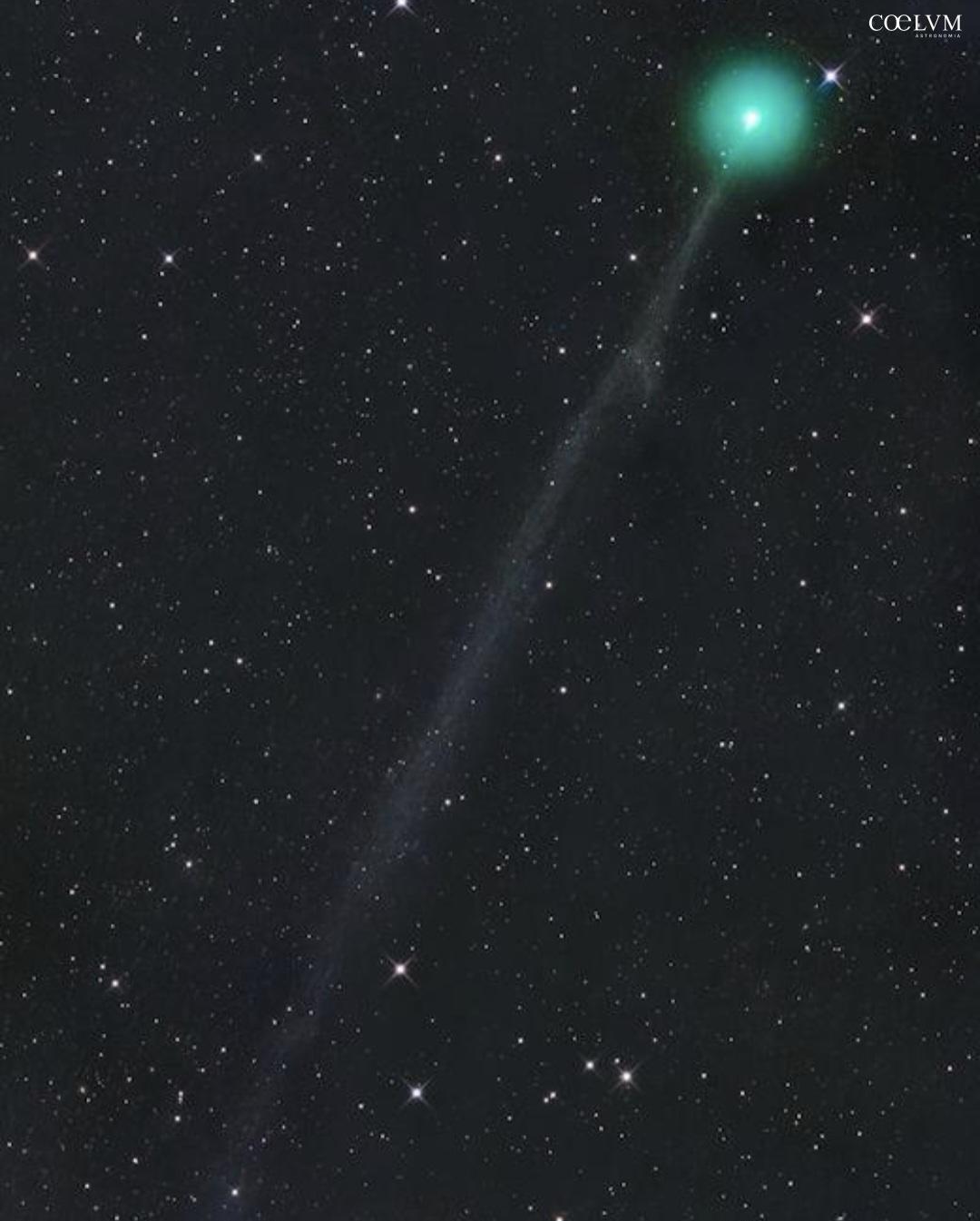
In the early days of June, the short-period comet (5.5 years) 220P/McNaught experienced a powerful outburst, or rather, probably multiple outbursts, which increased its brightness from magnitude 18 to 9, making it visible with medium-powered binoculars. This occurred just days before its perihelion passage, expected on June 14, at a distance of about 1.5 AU from the Sun. Such events are not rare in comets, as enthusiasts know well, although in this specific case, the increase in brightness has been quite significant. Currently, 220P is located in Pisces, near Saturn, which will be separated by just over 1.5° around June 20. For the northern regions of Italy, its altitude above the horizon is quite low, while conditions improve as one moves southward. Observations should be made at the end of astronomical night, just before the sky begins to brighten. The evolution of the event is expected to lead to a gradual dimming due to the expansion of the ejected material, provided no further outbursts occur. The situation should be monitored.
220P after the outburst. Credit Gerald Rhemann and Michael Jäger
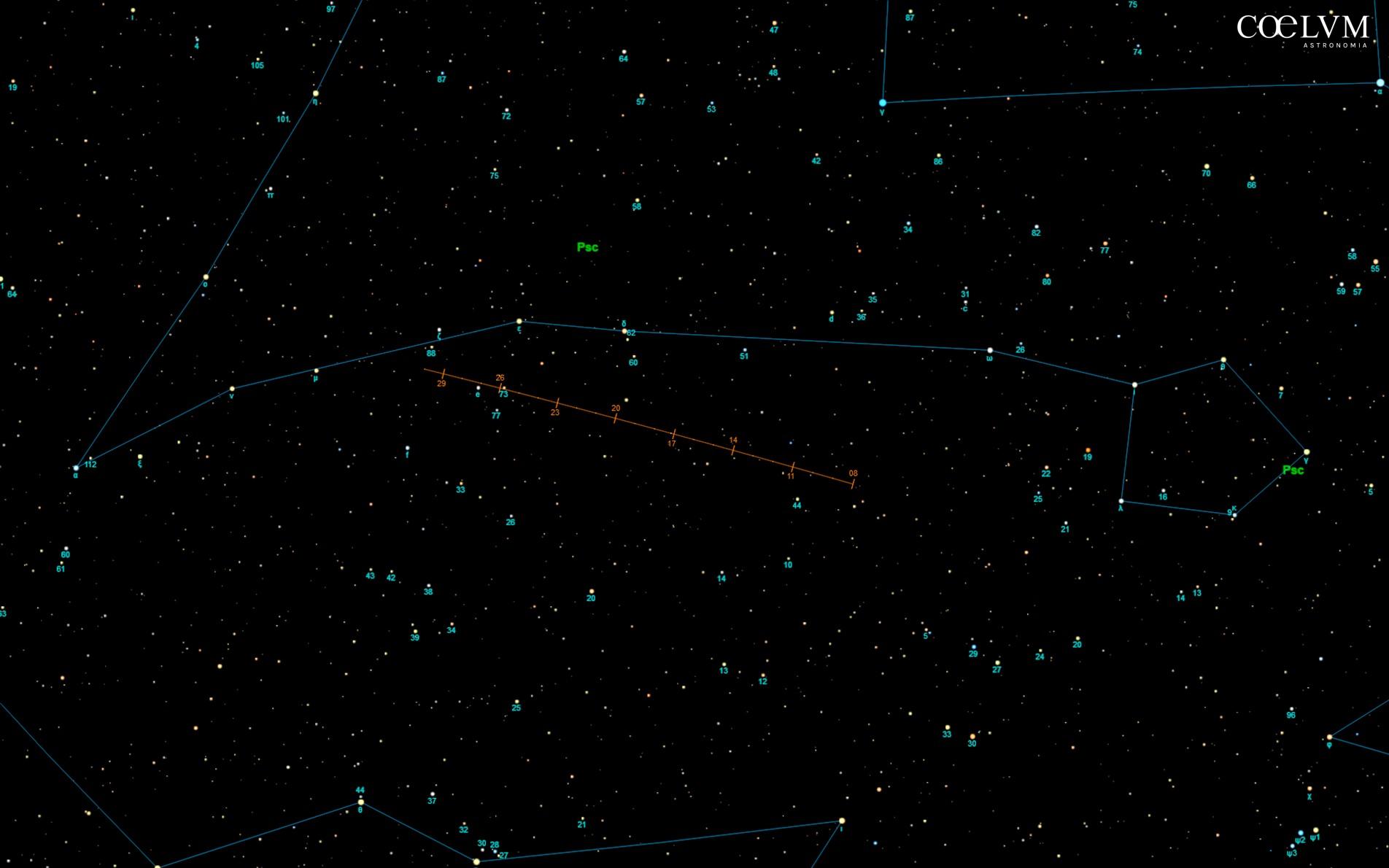
The map shows the path of 220P in June. The faintest stars are of ninth magnitude.