#astrophysics
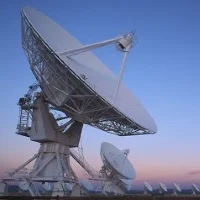
Radio astronomy is a vital yet lesser-known branch of astrophysics. This article explores its principles, instruments, and the wonders it reveals about the universe.
Explore the fascinating world of astrophysicists, their research methods, collaboration, and the mysteries of the universe they seek to unravel.
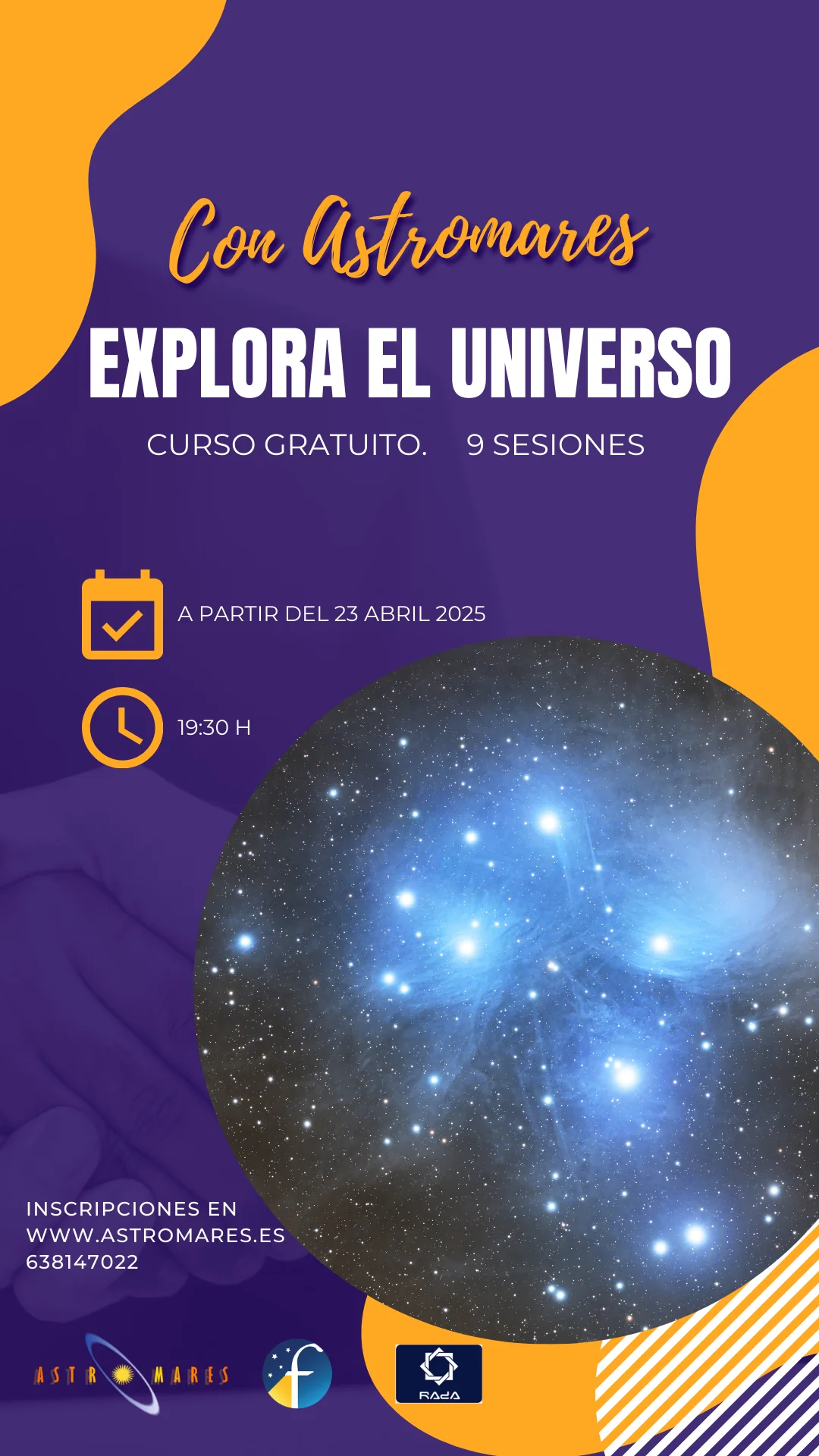
Astromares offers a series of astronomy courses starting April 23, 2025, providing opportunities for both free and paid participation. Learn about stars, comets, and more with expert speakers.
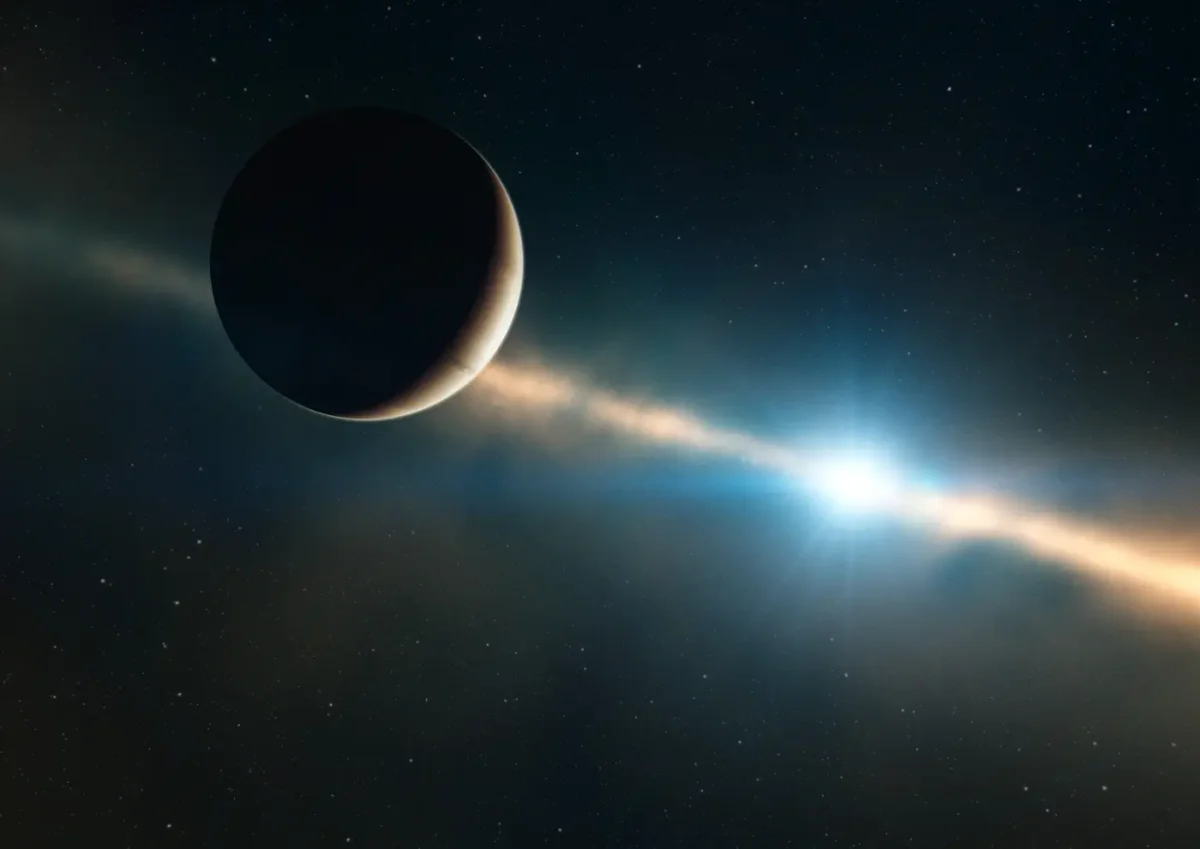
The young planetary system of the 23 million year old star Beta Pictoris has become a prime example of circumstellar dust disks, hosting at least three giant gas planets. Recent studies using the GRAVITY+ instrument have shed light on the planet's origins and atmospheric variability.
Access or register to continue reading. The content you are trying to view is reserved for registered users. Log in with your Coelum Astronomia account or register on the site.
Access or register to continue reading the content reserved for registered users.
The discovery is the result of the work of an international team of astronomers led by the Palidoro Astrophile Group, which includes Giuseppe Conzo, Mara Moriconi, and Silvio Antonio Corrêa Jr., and was published in the Open European Journal on Variable Stars (OEJV).
Access or register to continue reading. The content you are trying to view is reserved for registered users.
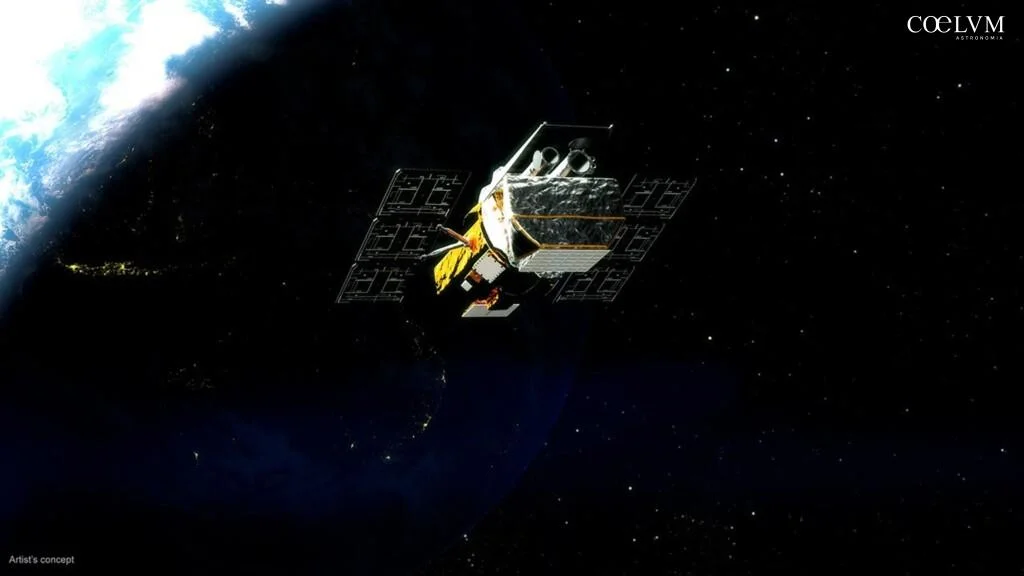
On June 17, NASA held a teleconference to discuss an ambitious project to raise the orbit of the Neil Gehrels Swift space observatory. This meeting involved NASA, Katalyst Space, and Northrop Grumman, aiming to counter the satellite's orbital decay.
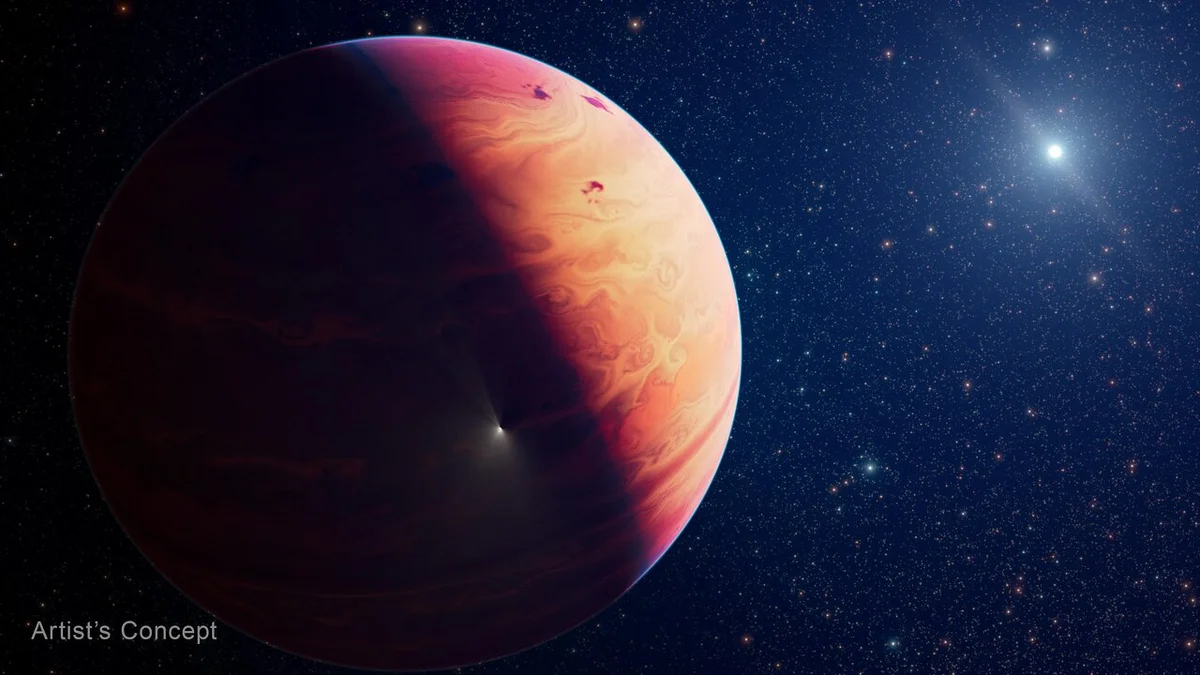
Where is the boundary between stars and the most massive planets? Scientists suspect that this depends on their formation method. Did they form through a bottom-up process or a top-down process?
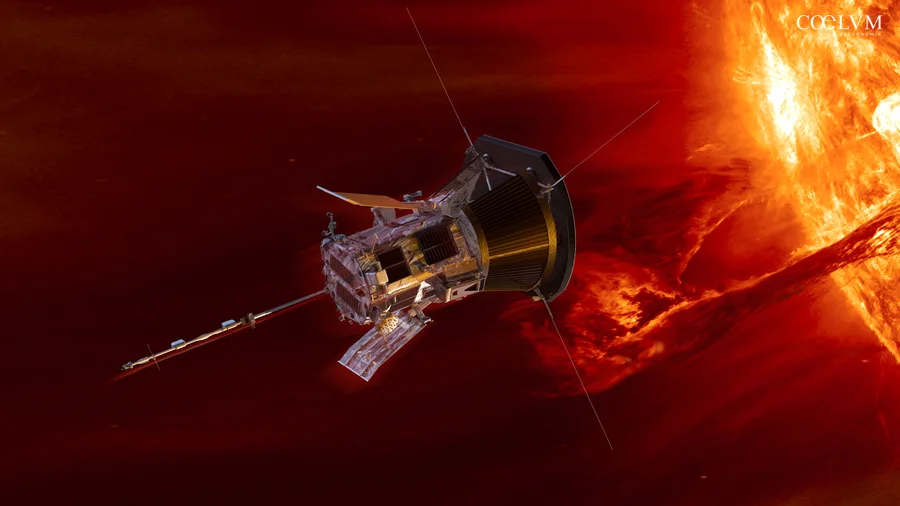
The twenty-eighth close pass of the Parker Solar Probe has concluded, providing valuable data on the Sun's atmosphere and solar phenomena.