Parker Solar Probe: Completed the Twenty-Eighth Close Pass of the Sun
The twenty-eighth close pass of the Parker Solar Probe has concluded, providing valuable data on the Sun's atmosphere and solar phenomena.
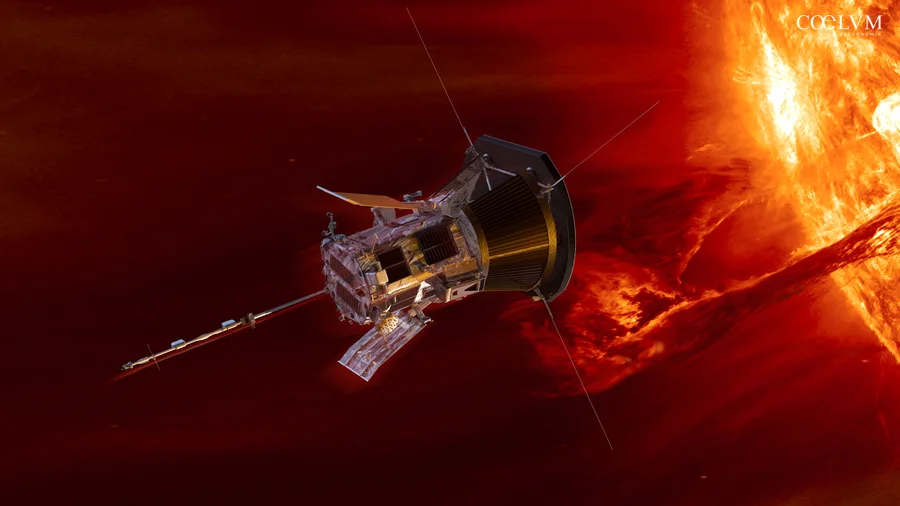
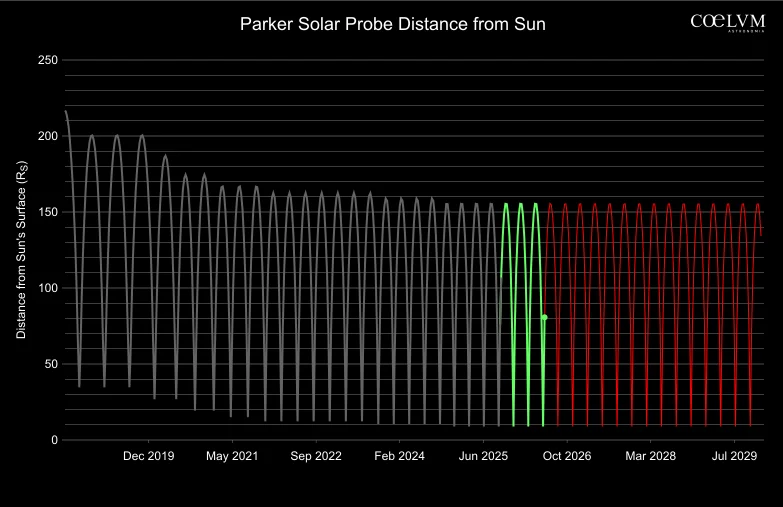
The twenty-eighth close pass of the Parker Solar Probe has just concluded. The encounter began on June 3, during which, due to its proximity to our star, communications were interrupted as planned, allowing the probe to operate autonomously for ten days. On June 8, the minimum distance from the Sun was reached – just 6.1 million kilometers – and speeds of nearly 700,000 km/h were achieved, matching the records set for the first time in December 2024. Starting on the 14th, communications resumed, and the probe began transmitting telemetry data, while scientific data will be sent to Earth starting June 17 and throughout the month.
It is worth noting that NASA's Solar Parker Probe mission, built and operated at the Johns Hopkins Applied Physics Laboratory, is dedicated to studying the outermost and least understood part of our star, the corona; it was also the first probe to traverse this region of the solar atmosphere.
The corona is the outermost layer of the Sun's atmosphere, where temperatures exceed one million degrees; the gases that comprise it are therefore highly ionized. It extends over several solar radii, with variable dimensions reaching – at times of maximum expansion – up to 8 million kilometers from the surface, which is much cooler, at about 5,700 Kelvin.
Dedicated to American scientist Eugene Parker, who hypothesized the existence of the solar wind in 1958, the probe also investigates this phenomenon, closely linked to the star's atmosphere.
The solar wind is a flow of electrically charged particles continuously emitted by the Sun in all directions, spreading throughout the Solar System. The particles, primarily electrons and protons, are accelerated by the high temperature of the corona and, overcoming gravitational attraction, manage to escape into space.
The scientific objectives of the mission, therefore, are to study the flow of energy that heats the corona and the solar wind; investigate the dynamics of plasma and magnetic fields; and understand the mechanisms of acceleration and transport of charged particles.
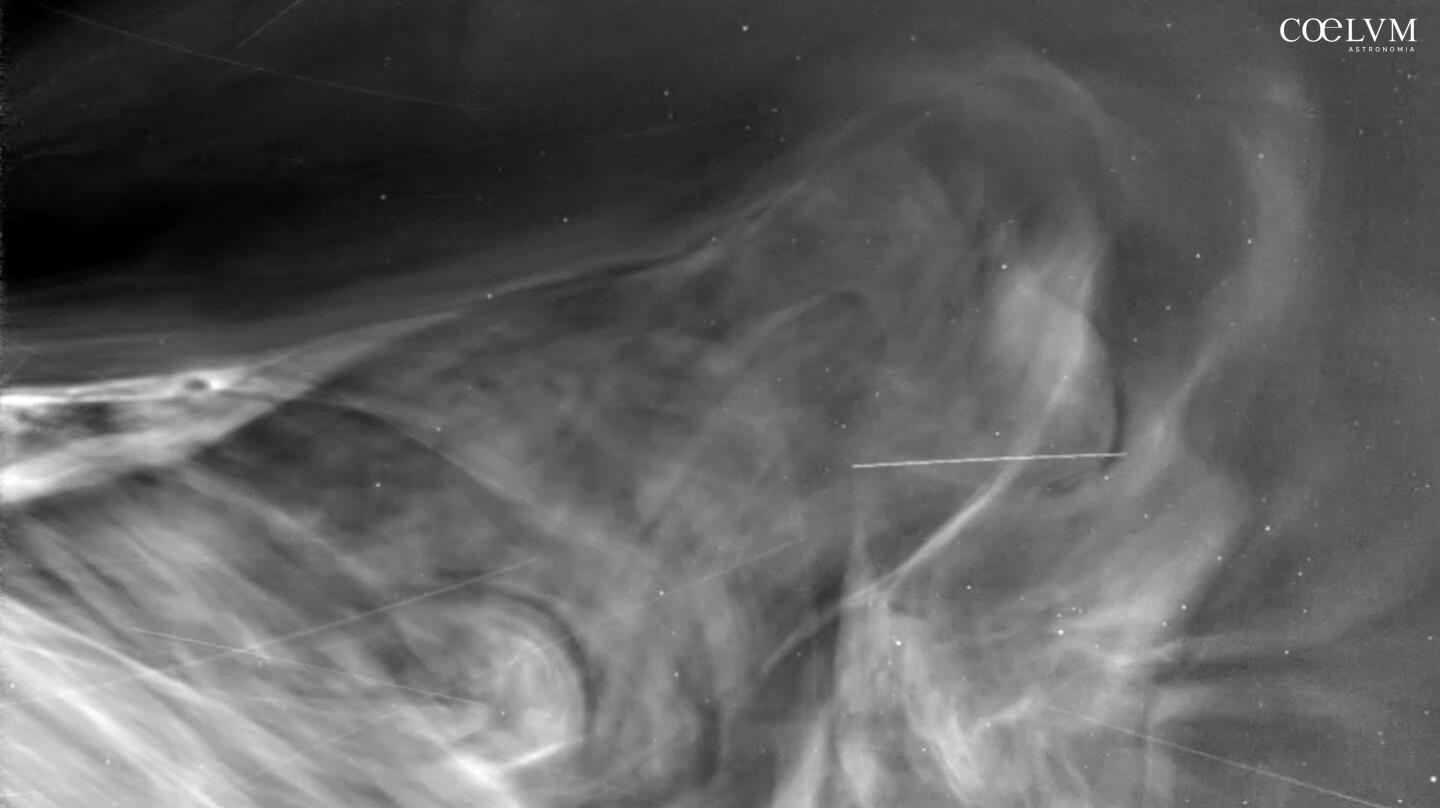
Launched in 2018, Parker has made orbits that progressively brought it closer to the Sun, utilizing various gravitational assists around Venus that pushed it ever closer to our star. When it launched, the Sun was near the minimum of its 11-year activity cycle, while the maximum was reached in 2024. During these 28 close encounters, the probe has thus been able to study the solar atmosphere and the phenomena associated with it under very different conditions, from the relatively calm period of activity minimum to the more turbulent maximum.
The in situ analyses conducted by Parker regarding the various manifestations of solar activity, such as the solar wind or coronal mass ejections, are therefore considered fundamental. From a scientific perspective, they help to understand one of the least understood aspects of our star's physics, namely the interaction between plasma and magnetic fields, which is at the origin of all these phenomena. Additionally, understanding the physics of the processes underlying space weather allows for better prediction and assessment of risks for astronauts, satellites, and communications on Earth, contributing to safer operations in orbit, as well as future missions to the Moon and Mars.
Parker Solar Probe will continue to investigate the Sun's atmosphere during this phase of decreasing activity; the next close encounter – the twenty-ninth – is scheduled for September of this year.