Mastering Solar Eclipse Photography: Essential Tips and Techniques
Learn how to prepare for and photograph a solar eclipse effectively, including essential equipment, safety tips, and upcoming eclipse dates.
Photographing a solar eclipse can be a transformative experience, offering a rare opportunity to witness and capture a celestial phenomenon that may only occur a few times in one's lifetime. To ensure a successful shoot, preparation and practice are crucial well in advance of the event.
On April 8, 2024, I had the chance to photograph a total solar eclipse, which deepened my understanding of the dynamics during totality and highlighted the importance of a solid photography plan.
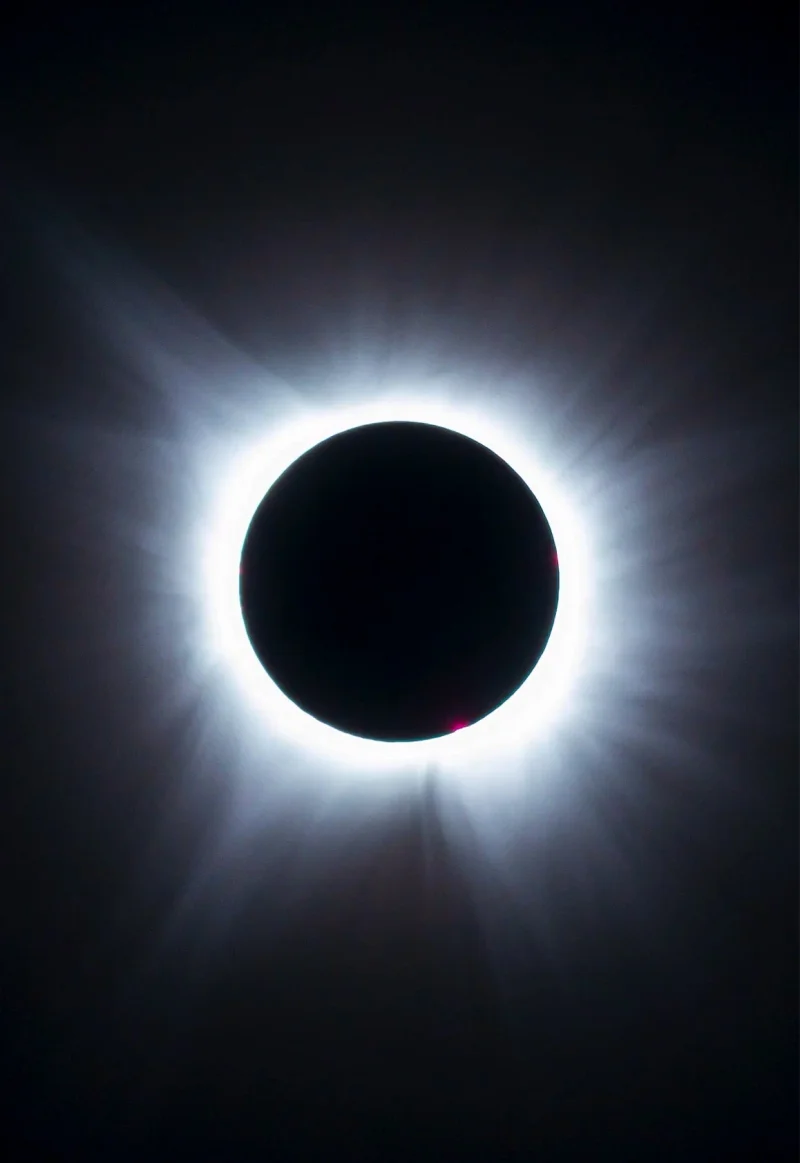
I captured the Total Solar Eclipse on April 8, 2024 using my mirrorless camera and telescope. Safety and Equipment Quality When photographing the Sun, prioritizing eye safety and using high-quality equipment is paramount.
Overview of Solar Eclipses
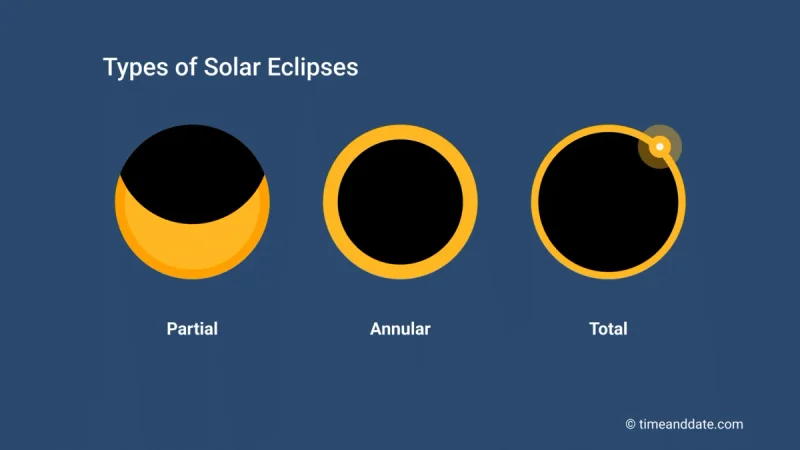
A solar eclipse occurs when the Moon passes directly between the Earth and the Sun, obscuring the Sun's light either partially or completely from specific locations on Earth. There are four primary types of solar eclipses:
- Partial Solar Eclipse: Only a part of the Sun is obscured.
- Annular Solar Eclipse: A 'ring of fire' appears around the Moon as it covers the Sun.
- Total Solar Eclipse: The Moon completely covers the Sun.
- Hybrid Solar Eclipse: A unique event that can appear either annular or total, depending on the observer's location.
Upcoming Solar Eclipses
The next total solar eclipse will occur on August 12, 2026, with its path of totality crossing northern Russia, Greenland, Iceland, and parts of Spain and Portugal. Notably, totality will last less than two minutes in most locations, with the longest duration being approximately 2 minutes and 18 seconds over Greenland.
Eclipse Schedule
Here’s a brief overview of upcoming solar eclipses until 2030:
| Date | Type | Visibility Area | Max Duration | |-------------------|--------|-----------------------------------------------------|----------------| | August 12, 2026 | Total | Greenland, Iceland, Spain, northern Russia | 2 minutes 18 seconds | | February 6, 2027 | Annular| Southern South America, western Africa | 7 minutes 51 seconds | | August 2, 2027 | Total | Southern Spain, North Africa | 6 minutes 23 seconds | | January 26, 2028 | Annular| Ecuador, Peru, Brazil | 10 minutes 27 seconds | | July 22, 2028 | Total | Australia and New Zealand | 5 minutes 10 seconds | | January 14, 2029 | Partial| North America and Central America | Not applicable | | June 12, 2029 | Partial| Arctic, Scandinavia, northern Canada | Not applicable | | July 11, 2029 | Partial| Southern Chile and Argentina | Not applicable | | December 5, 2029 | Partial| Southern Argentina, Antarctica | Not applicable | | June 1, 2030 | Annular| North Africa, southern Europe, Japan | 5 minutes 21 seconds | | November 25, 2030 | Total | Botswana, South Africa, Australia | 3 minutes 44 seconds |
For detailed visibility information, refer to NASA’s eclipse catalog.
Eye Safety
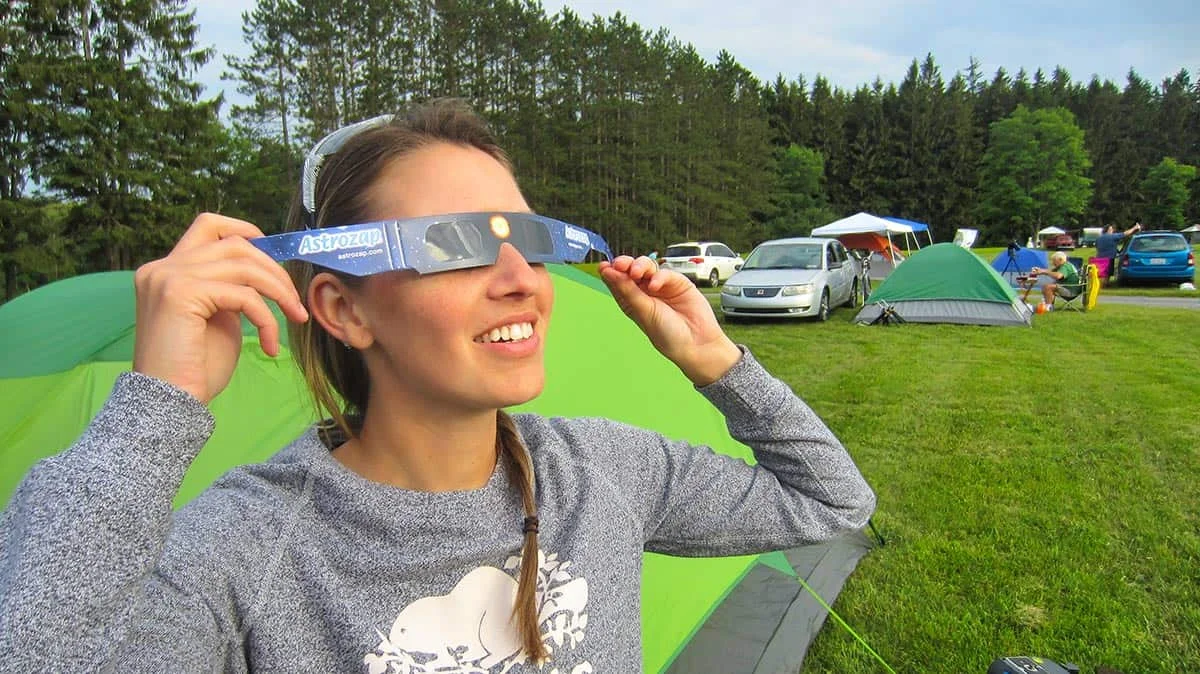
It is essential to use proper eye protection when observing the Sun. Eclipse glasses should only be removed during totality, when the Sun is entirely obscured, and only if you are within the path of totality. At all other times, adequate eye protection and solar filters must be in place.
To safely view or photograph a solar eclipse:
- Ensure eclipse glasses meet the ISO 12312-2 standard and are sourced from reputable suppliers.
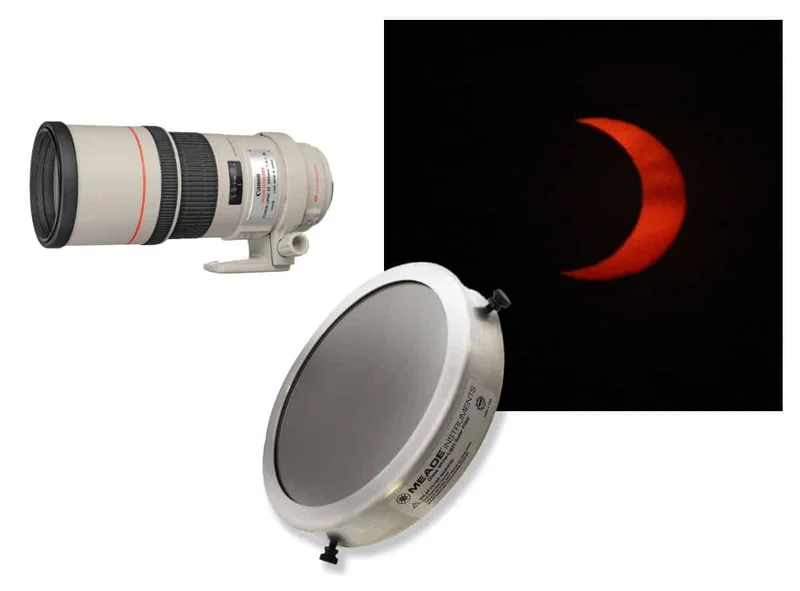
- Use a special-purpose solar filter on camera lenses and telescopes to protect both your eyes and equipment.
- Avoid using solar glasses as filters for cameras or optical devices.
- Regularly inspect your solar glasses and filters for any damage before use.
Equipment Essentials
To photograph a solar eclipse effectively, having the right equipment is crucial. Familiarize yourself with your gear and settings ahead of the event.
Key Equipment Includes:
- DSLR/Mirrorless Camera: A camera with manual settings is essential for optimal control.
- Camera Lens: A lens with a focal length of at least 200mm is recommended; 400mm to 500mm is ideal for capturing the Sun’s corona.
- Solar Filter: A reputable solar filter is necessary for all partial phases.
- Tripod: A stable tripod is vital for steady shots and bracketing.
- Intervalometer: This device allows for capturing images without touching the camera, preventing shake.
- ISO-Compliant Eclipse Glasses: Essential for safe viewing while shooting.
- Memory Cards: Have ample storage for numerous images, plus backups.
- Charged Batteries: Ensure batteries are fully charged, with spares on hand.
- Solar Eclipse App: Utilize an app to help track the timing and duration of the eclipse from your location.
Photographing with a Smartphone
Capturing a solar eclipse with a smartphone is possible but requires a specialized solar filter during the partial phases to prevent sensor damage. Ensure that the filter securely covers the camera lens, and keep ISO 12312-2-compliant eclipse glasses on hand for eye protection.
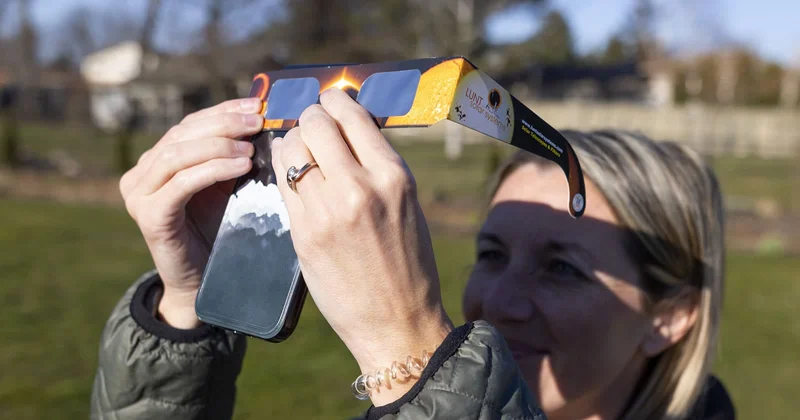
Any solar-filtering material must completely cover the active camera lens. Preparation and practice are key to making the most of this awe-inspiring event. By ensuring you have the right equipment and understanding the necessary precautions, you can successfully capture the beauty of a solar eclipse.